Crane Conveyor Roller
CN → US| HS Code | Tariff Rate | Origin | Destination | Doc |
|---|---|---|---|---|
| 8431390010 | 35.0% | CN | US | Official Doc |
| 8431390080 | 35.0% | CN | US | Official Doc |
| 7326190080 | 87.9% | CN | US | Official Doc |
| 7326908688 | 87.9% | CN | US | Official Doc |
| 8483308070 | 39.5% | CN | US | Official Doc |
Product Images
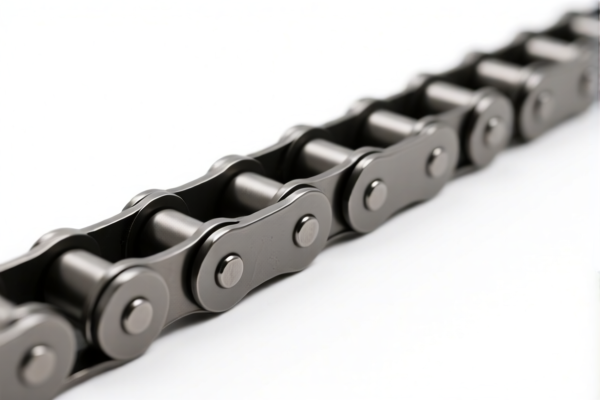
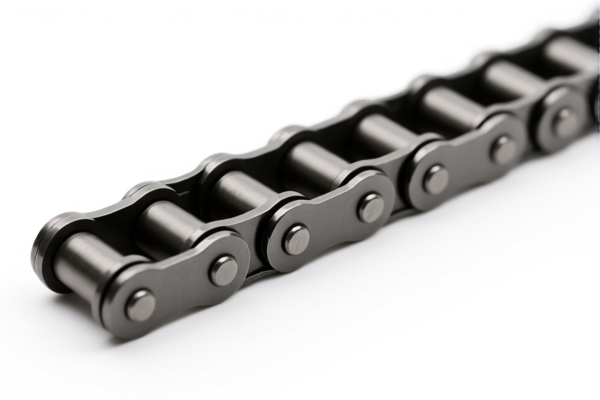
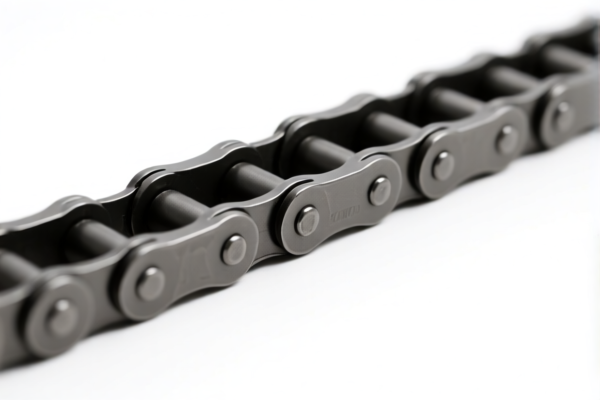
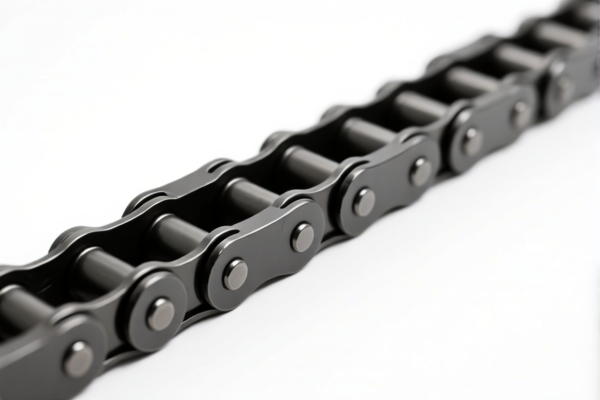
AI Analysis
🏗️ Crane Conveyor Roller (Industrial Load-Bearing Wheels)
🌐 HS Code Reference & Clearance Guide | 2026 Latest Tariff Analysis | Professional Customs Strategy
📌 I. Product Definition & Classification: Understanding the "Crane Conveyor Roller"
The Crane Conveyor Roller is a critical mechanical component used in material handling systems. In international trade, its classification depends heavily on its primary function and structural role:
- As a Machinery Part (Cranes/Conveyors): If the roller is specifically designed for use with lifting machinery (cranes) or conveyor systems, it is classified under Chapter 84 as a part of such machinery. This is the most common and generally lower-tariff path.
- As a Generic Mechanical Component (Wheel/Bearing): If the roller is viewed primarily as a mechanical wheel or bearing assembly without specific integration into a crane/conveyor system at import, it may fall under Chapter 84 (bearing/shaft assemblies) or Chapter 73 (general iron/steel articles).
⚠️ Key Distinction Point:
- If the roller is specifically identifiable as a part of a crane (HS 8425) or conveyor (HS 8428) → Chapter 84 (Lower Tariff) is preferred.
- If the roller is a generic wheel/bearing not specifically dedicated to cranes/conveyors → Chapter 84 (Bearing/Shaft) or Chapter 73 (Steel Articles) may apply, but tariffs are significantly higher.
📦 II. HS Code Classification Details (2026 Latest Tariff Authority Comparison)
| HS Code | Product Description | Applicable Scenario | Tax Rate (Total) | Tariff Breakdown |
|---|---|---|---|---|
8431.39.00.10 |
Parts suitable for use solely or principally with the machinery of heading 8425 or 8428 (Specifically: Cranes/Conveyors) | Rollers specifically designed for crane or conveyor systems; identifiable as parts. | 35.0% | Base: 0.0% + Sec 301: 25.0% + IEEPA 122: 10% |
8431.39.00.80 |
Parts suitable for use solely or principally with the machinery of heading 8425 or 8428 (Other) | Generic mechanical rollers/wheels used in machinery; not specifically dedicated to cranes/conveyors but still under 8431. | 35.0% | Base: 0.0% + Sec 301: 25.0% + IEEPA 122: 10% |
7326.19.00.80 |
Other articles of iron or steel (General Steel Articles) | Generic steel rollers/wheels; classified as general steel products due to lack of specific machinery part identification. | 87.9% | Base: 2.9% + Sec 301: 25.0% + IEEPA 122: 10% + Section 232 Steel Surcharge: 50% |
7326.90.86.88 |
Other articles of iron or steel (Other) | Similar to above; generic iron/steel articles not elsewhere specified. | 87.9% | Base: 2.9% + Sec 301: 25.0% + IEEPA 122: 10% + Section 232 Steel Surcharge: 50% |
8483.30.80.70 |
Bearings, plain shaft bearings, and sleeve bearings; other bearing housings | Rollers classified as bearing components or shaft assemblies (mechanical transmission parts). | 39.5% | Base: 4.5% + Sec 301: 25.0% + IEEPA 122: 10% |
🔍 Key Reminder:
-8431.39Codes (35%) are the most favorable if the roller is clearly a part of a crane or conveyor system.
-7326Codes (87.9%) are extremely high due to the 50% Section 232 steel surcharge on top of other tariffs. Avoid this if possible by proving the item is a "part of machinery."
-8483.30(39.5%) is a middle ground if classified as a bearing/shaft component, but higher than 8431.
💰 III. 2026 Latest Tariff Rate Explanation (Including Additional Taxes & Policy Add-ons)
✅ Applicable Country: United States (US)
✅ Origin: China (CN)
✅ Effective Date: November 10, 2025 onwards (including subsequent imports)
🎯 1. 8431.39.00.10 & 8431.39.00.80 —— Parts of Cranes/Conveyors (Chapter 84)
| Item | Content |
|---|---|
| Base Duty Rate | 0% (ad valorem) |
| Section 301 Duty | +25% (Under US Trade Act Section 301) |
| IEEPA 122 Duty | +10% (Against China/HK products, effective Nov 10, 2025) |
| Total Duty Rate | 35.0% |
| Tax Calculation | CIF Value × 35% |
| De Minimis Eligibility | ❌ Not Eligible (deny_de_minimis) |
| Legal Basis Path | IEEPA:9903.01.25 → IEEPA:9903.01.24 → USITC:8431.39.00.10/80 |
📌 Explanation:
- These codes fall under Chapter 84, which generally has a 0% base duty.
- The total 35% comes entirely from additional punitive tariffs (25% Sec 301 + 10% IEEPA 122).
- No Section 232 Steel Surcharge applies here, making this the cost-effective choice for crane/conveyor rollers.
🎯 2. 8483.30.80.70 —— Bearings & Shaft Assemblies (Chapter 84)
| Item | Content |
|---|---|
| Base Duty Rate | 4.5% |
| Section 301 Duty | +25% |
| IEEPA 122 Duty | +10% |
| Total Duty Rate | 39.5% |
| Tax Calculation | CIF Value × 39.5% |
| De Minimis Eligibility | ❌ Not Eligible |
| Legal Basis Path | IEEPA:9903.01.25 → IEEPA:9903.01.24 → USITC:8483.30.80.70 |
📌 Note:
- Slightly higher than 8431 codes due to the 4.5% base duty.
- Applicable if the roller is marketed as a bearing component rather than a crane part.
🎯 3. 7326.19.00.80 & 7326.90.86.88 —— Generic Steel Articles (Chapter 73)
| Item | Content |
|---|---|
| Base Duty Rate | 2.9% |
| Section 301 Duty | +25% |
| IEEPA 122 Duty | +10% |
| Section 232 Steel Surcharge | +50% (Under US Trade Act Section 232) |
| Total Duty Rate | 87.9% |
| Tax Calculation | CIF Value × 87.9% |
| De Minimis Eligibility | ❌ Not Eligible |
| Legal Basis Path | IEEPA:9903.01.25 → IEEPA:9903.01.24 → USITC:7326.19.00.80/90 → FOOTNOTE:232 |
📌 Warning:
- This is the highest tariff bracket.
- The 50% Section 232 Steel Surcharge is applied to steel articles imported from China.
- Avoid this classification unless the roller is a generic steel wheel with no clear machinery part identification.
🛠️ IV. Customs Clearance Practical Advice (Real-World Pitfall Avoidance)
✅ 1. Required Documentation Checklist (All or Nothing)
| Document | Mandatory | Explanation |
|---|---|---|
| ✅ Product Specification Sheet | ✔️ | Must detail dimensions, load capacity, material, and specific application (e.g., "For Crane System Model XYZ"). |
| ✅ Technical Drawings | ✔️ | Show how the roller integrates with crane/conveyor wheels. |
| ✅ Product Photos (with Label) | ✔️ | Clear view of the roller, axle, and any identifying marks. |
| ✅ Commercial Invoice | ✔️ | Must explicitly state: "Crane/Conveyor Roller Part, Not for General Use" or "Part of Machinery Heading 8425/8428." |
| ✅ Packing List | ✔️ | List items together; do not separate rollers from crane/conveyor parts if shipped as a kit. |
| ✅ Proof of Origin (CO) | ✔️ | If applicable, to claim any potential exemptions (though none currently apply to China for these codes). |
✅ 2. Declaration Strategy (Key Mantra)
🔥 "Function Dictates Code, Steel Triggers Surcharge!"
| Scenario | Correct Declaration | Wrong Approach |
|---|---|---|
| Roller is a part of a crane/conveyor | 8431.39.00.10 or 8431.39.00.80 |
Misdeclare as "Steel Wheel" → 87.9% |
| Roller is a generic steel wheel | 7326.19.00.80 |
Misdeclare as "Crane Part" → Risk of penalty & reclassification |
| Roller is a bearing/shaft | 8483.30.80.70 |
Misdeclare as "Steel Article" → 87.9% |
| OEM Custom Roller | Provide client order + design specs | Generic description → Ambiguity → High Tariff |
✅ 3. Special Handling
| Scenario | Handling Advice |
|---|---|
| Rollers Shipped with Cranes | Declare as parts of the crane under 8431.39.00.10. Do not ship separately if possible. |
| Generic Rollers Sold to Third Parties | If not specific to one brand's crane, use 8431.39.00.80 (still 35%, but safer than 7326). |
| Steel Content High | Ensure documentation emphasizes "Machinery Part" function over "Steel Article" material to avoid Section 232. |
| Pre-Ruling Request | 强烈建议 (Strongly Recommend) file an Advance Ruling with US Customs (CBP) to confirm 8431 classification. |
🌍 V. Global Market Comparison (2026 Latest)
| Country/Region | Recommended HS Code | Tariff | Certification | Note |
|---|---|---|---|---|
| 🇺🇸 United States | 8431.39.00.10 |
35% (China Origin) | N/A | 87.9% if misclassified as steel. |
| 🇨🇳 China | 8431.39.00.10 |
5% | N/A | Lower import duty, no additional US tariffs. |
| 🇪🇺 European Union | 8431.39.00 |
0-1.7% | CE + RoHS | No additional punitive tariffs. |
| 🇦🇺 Australia | 8431.39.00 |
5% | RCM | No additional punitive tariffs. |
| 🇯🇵 Japan | 8431.39.00 |
0-3.5% | PSE | No additional punitive tariffs. |
📌 Conclusion:
- US is the only market with severe additional tariffs on Chinese machinery parts.
- Correct classification under Chapter 84 (35%) vs. Chapter 73 (87.9%) results in a 52.9% tariff difference.
- Accurate documentation is critical to justify the "Crane/Conveyor Part" classification.
📌 VI. Common Errors & Pitfall Guide (Lessons Learned)
❌ Error 1: Declaring crane rollers as "Steel Wheels" or "General Hardware"
👉 Consequence: Attributed to Chapter 73 → 87.9% Tariff due to Section 232 Steel Surcharge.
❌ Error 2: Shipping rollers separately from crane systems without clear part identification
👉 Consequence: CBP may classify as generic steel articles → 87.9% Tariff + Delays.
❌ Error 3: Using vague descriptions like "Metal Roller" or "Wheel"
👉 Consequence: CBP cannot determine machinery function → Reclassification to higher tariff code.
❌ Error 4: Assuming De Minimis applies
👉 Consequence: Section 301 and IEEPA duties deny de minimis for these HS codes → Full taxation on low-value shipments.
✅ Correct Practice:
"Crane Conveyor Roller, Part for Cranes (HS 8425) and Conveyors (HS 8428), Specific Design, Not for General Use. Model XYZ, Made in China."
🎯 VII. Conclusion: Professional Declaration, Cost Savings, Risk Reduction
🎯 Remember the Mantra:
🔹 "Function is Key, Steel is Expensive!"
🔹 "35% vs 88%, One Description Makes the Difference!"
🔹 "HS Code Determines Fate, Tariff Gap is Huge, Declaration Mistake Costs Big!"
📌 Pro Tip:
If your rollers are originating from Vietnam, Mexico, Thailand, or Malaysia, you may be eligible for IEEPA Exemptions or lower Section 301 rates.
Strongly recommend filing an Advance Ruling (Form CBP 5106) with US Customs to confirm 8431.39.00.10 classification before shipment.
📣 Take Action Now:
📞 Contact a Professional Customs Broker + Provide Product Specs + Apply for Advance Ruling
🚀 Let your Crane Rollers Clear Customs Smoothly, Reduce Costs, and Maximize Profits!
✨ Professional Clearance Starts with Accurate Classification!
💼 Every Dollar of Cost Deserves Precise Calculation!
Customer Reviews
About HS Code Classification
The Harmonized System (HS) is an internationally standardized nomenclature developed by the World Customs Organization (WCO) to classify traded products. Over 200 countries use the HS system as the basis for customs tariffs, trade statistics, and import/export regulations.
Each HS code follows a hierarchical structure:
- Chapter (2 digits) — Broad category of goods (e.g., Chapter 84: Machinery and Mechanical Appliances)
- Heading (4 digits) — More specific grouping within the chapter
- Subheading (6 digits) — Internationally standardized breakdown, used by all WCO member countries
- National subdivisions (8-10 digits) — Country-specific extensions for further classification, such as US HTSUS 10-digit codes
Correct HS code classification is essential for smooth customs clearance, accurate duty payment, and compliance with trade regulations. Misclassification can lead to customs delays, overpayment of duties, or penalties.
When importing from CN to US, the applicable tariff rates may include:
- Most-Favored-Nation (MFN) rate — The standard duty rate applied to WTO members
- General rate — Applied to countries without trade agreements
- Trade remedy duties — Additional tariffs such as Section 301 (anti-dumping), Section 232 (national security), or countervailing duties
The information provided on this page is for reference purposes only. For official classification, please consult with your local customs authority or a licensed customs broker.