Crank Disassembly Tool
CN → US| HS Code | Tariff Rate | Origin | Destination | Doc |
|---|---|---|---|---|
| 7326908688 | 87.9% | CN | US | Official Doc |
| 8205591000 | 42.2% | CN | US | Official Doc |
| 8205595560 | 40.3% | CN | US | Official Doc |
| 7326190080 | 87.9% | CN | US | Official Doc |
Product Images
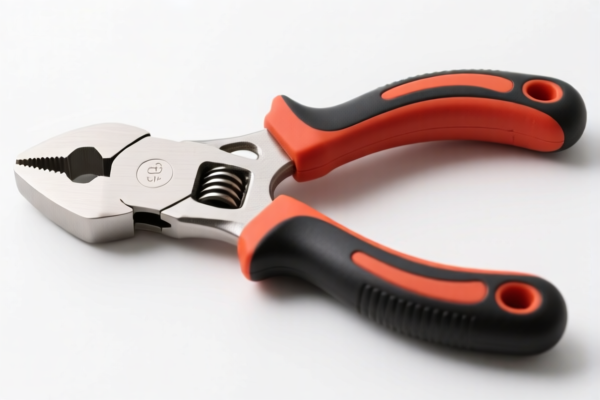
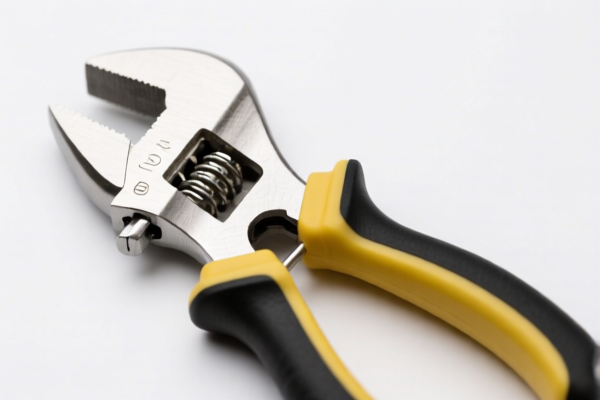
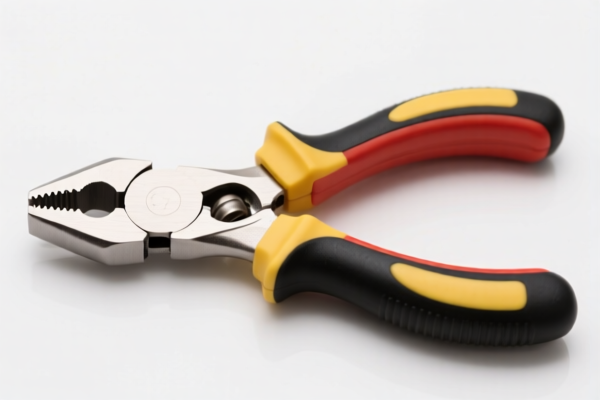
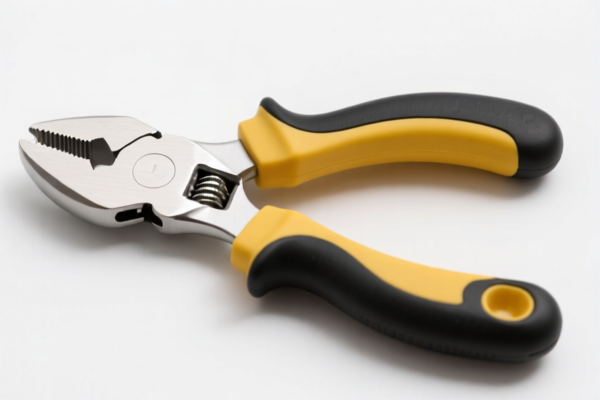
AI Analysis
🛠️ Crank Disassembly Tool (Pipe Wrench / Heavy-Duty Pipe Tool)
🌐 HS Code Reference & Customs Clearance Guide | 2026 Latest Tariff Analysis | Professional Clearance Strategy
📌 I. Product Definition & Classification: What Exactly is a "Crank Disassembly Tool"?
The term "Crank Disassembly Tool" is a functional description often used in plumbing, automotive, or industrial maintenance contexts. In international trade, this item is broadly categorized as a Hand Tool or an Iron/Steel Article, depending on its specific structure and material.
Based on the provided data, the classification depends on whether the tool is recognized as a specialized hand tool (Section XV, Chapter 82) or a general iron/steel article (Section XV, Chapter 73).
Key Distinction:
- If it is a specialized mechanical tool for gripping, turning, or disassembling pipes/crankshafts (e.g., pipe wrenches, bearing pullers), it falls under Chapter 82 (Tools, Implements, Cutlery).
- If it is a generic steel fixture, bracket, or non-specialized mechanical part made of iron/steel, it falls under Chapter 73 (Articles of Iron or Steel).
⚠️ Critical Classification Point:
- Hand Tools (Ch 82): Generally include wrenches, pliers, screwdrivers, and specialized disassembly tools.
- Iron/Steel Articles (Ch 73): Includes parts, fittings, and unspecified metal goods that do not meet the definition of a specific hand tool.
📦 II. HS Code Classification Details (2026 Latest Tariff Reference)
Based on the input data, there are four potential HS Codes for "Crank Disassembly Tool" items. The choice depends on the specific design and material composition.
| HS Code | Product Description | Application Scenario | Material/Type |
|---|---|---|---|
8205.59.10.00 |
Hand Tools: Other hand tools (part of tools for pipes/tubes) | Pipe wrenches, crankcase disassembly tools, specialized manual tools | Metal (Steel/Iron) |
8205.59.55.60 |
Hand Tools: Other hand tools (unspecified) | General manual disassembly tools, wrenches, pliers | Metal (Steel/Iron) |
7326.90.86.88 |
Other Articles of Iron or Steel: Other articles | Generic steel fixtures, non-tool specific brackets, heavy-duty steel parts | Iron/Steel |
7326.19.00.80 |
Other Articles of Iron or Steel: Forged/stamped, not further worked | Stamped steel parts, generic mechanical fasteners, non-tool steel articles | Iron/Steel |
🔍 Key Insight:
- Chapter 82 (8205...) items are classified as Hand Tools. They have lower base tariffs but are still subject to significant US trade restrictions.
- Chapter 73 (7326...) items are classified as General Iron/Steel Articles. They have very low base tariffs but are hit with a massive additional "122 Clause" tariff because they are specifically listed under the Steel/Aluminum/Copper add-on.
💰 III. 2026 Latest Tariff Rate Breakdown (Including Add-on Taxes & Policies)
✅ Applicable Country: United States (US)
✅ Origin: China (CN)
✅ Effective Time: 2025/2026 (Current Trade Policy)
🎯 1. 8205.59.10.00 & 8205.59.55.60 —— Hand Tools (Specialized)
These codes represent Hand Tools. They are subject to Section 301 tariffs but are NOT subject to the additional "122 Clause" steel tariff.
For 8205.59.10.00 (Pipe Tool Specific)
| Item | Detail |
|---|---|
| Base Tariff | 7.2% |
| Section 301 Add-on | +25% |
| 122 Clause (Steel/Al/Cu) | N/A (Not applicable to this specific hand tool subheading) |
| Total Tariff Rate | 42.2% |
| Calculation | CIF Value × 42.2% |
| Legal Path | USITC:8205.59.10.00 → Section 301 Footnote |
For 8205.59.55.60 (General Hand Tool)
| Item | Detail |
|---|---|
| Base Tariff | 5.3% |
| Section 301 Add-on | +25% |
| 122 Clause (Steel/Al/Cu) | N/A |
| Total Tariff Rate | 40.3% |
| Calculation | CIF Value × 40.3% |
| Legal Path | USITC:8205.59.55.60 → Section 301 Footnote |
📌 Explanation:
- The 25% is the standard US Section 301 tariff on Chinese goods.
- The Base Rate varies (5.3% vs 7.2%) depending on the specific subheading of the hand tool.
- Total Cost: Approximately 40.3% - 42.2%.
🎯 2. 7326.90.86.88 & 7326.19.00.80 —— Iron/Steel Articles (General)
These codes represent General Iron/Steel Articles. They are subject to Section 301 tariffs PLUS the severe "122 Clause" Additional Tariff for steel articles.
For 7326.90.86.88 (Other Iron/Steel Articles)
| Item | Detail |
|---|---|
| Base Tariff | 2.9% |
| Section 301 Add-on | +25% |
| 122 Clause (Steel/Al/Cu) | +50% (Specific to Steel/Aluminum/Copper articles) |
| Total Tariff Rate | 87.9% |
| Calculation | CIF Value × 87.9% |
| Legal Path | USITC:7326.90.86.88 → Section 301 + 122 Clause |
For 7326.19.00.80 (Forged/Stamped Steel)
| Item | Detail |
|---|---|
| Base Tariff | 2.9% |
| Section 301 Add-on | +25% |
| 122 Clause (Steel/Al/Cu) | +50% (Specific to Steel/Aluminum/Copper articles) |
| Total Tariff Rate | 87.9% |
| Calculation | CIF Value × 87.9% |
| Legal Path | USITC:7326.19.00.80 → Section 301 + 122 Clause |
📌 Critical Warning:
- The 122 Clause imposes an additional 50% on steel and aluminum articles.
- Total Tariff: 87.9% is extremely high. This makes importing generic steel parts from China very costly.
- Why so high? The US government aims to protect domestic steel manufacturing by penalizing imported steel goods heavily.
🛠️ IV. Customs Clearance Practical Advice (Pro Tips)
✅ 1. Preparation Checklist (Must-Have Documents)
| Document | Required? | Notes |
|---|---|---|
| ✅ Product Photos | ✔️ | Must show the tool clearly (handles, jaws, material). |
| ✅ Detailed Description | ✔️ | "Hand Tool, Pipe Wrench, Steel, Manual Operation." Avoid vague terms like "Metal Part." |
| ✅ Material Declaration | ✔️ | Confirm if it's Steel, Iron, or Alloy. Critical for 122 Clause assessment. |
| ✅ Function Description | ✔️ | Explain HOW it's used. If it's a "Hand Tool," emphasize manual operation. |
| ✅ Commercial Invoice | ✔️ | Must match the HS Code and description exactly. |
| ✅ Packing List | ✔️ | Include quantity, weight, and dimensions. |
✅ 2. Classification Strategy (How to Save Money)
🔥 Golden Rule: "Classify as Hand Tool (Ch 82), Not Generic Steel (Ch 73)"
| Scenario | Recommended HS Code | Tariff Rate | Action |
|---|---|---|---|
| Specialized Wrench/Plier | 8205.59.10.00 or 8205.59.55.60 |
~40-42% | ✅ PREFERRED |
| Generic Steel Bracket/Part | 7326.90.86.88 |
~88% | ❌ AVOID if possible |
| Stamping without Tool Function | 7326.19.00.80 |
~88% | ❌ AVOID if possible |
📌 Why?
- The ~48% difference (87.9% vs 40.3%) is huge.
- To classify as8205(Hand Tool), you must prove the item is a tool (used by hand to perform a mechanical function like gripping, turning, or disassembling).
- Do NOT describe it as a "steel fixture" or "metal part" if it functions as a tool.
✅ 3. Common Mistakes & Pitfalls
❌ Mistake 1: Describing a Pipe Wrench as "Iron Steel Part"
👉 Result: Customs classifies it as 7326... → 87.9% Tariff.
👉 Fix: Clearly state "Hand Tool" or "Wrench" in the commercial invoice.
❌ Mistake 2: Missing the "122 Clause" Risk for Steel Articles
👉 Result: Underestimating costs by nearly 50%.
👉 Fix: Always check if the HS Code falls under the 122 Clause list. 7326 items are often on this list.
❌ Mistake 3: Vague Product Name "Crank Tool"
👉 Result: Customs officer may choose the "least favorable" code (usually the higher tariff one).
👉 Fix: Use specific names: "Manual Pipe Disassembly Wrench," "Steel Hand Tool for Crankshaft Removal."
🌍 V. Global Market Comparison (2026)
| Country | Recommended HS Code | Tariff (China Origin) | Notes |
|---|---|---|---|
| 🇺🇸 USA | 8205.59.10.00 |
42.2% | Highest risk due to Section 301 + 122 Clause. |
| 🇺🇸 USA | 7326.90.86.88 |
87.9% | Avoid if possible. |
| 🇨🇳 China | 8205.59.10.00 |
6-7% | Low import tariff. |
| 🇪🇺 EU | 8205.59.10.00 |
~4-6% | No Section 301. Standard EU duty. |
| 🇬🇧 UK | 8205.59.10.00 |
~4-6% | Post-Brexit trade policy applies. |
📌 Conclusion:
- The US market is the most expensive for Chinese-made hand tools due to Section 301 (25%) and potential 122 Clause (50%).
- Classification is Key: Properly classifying as a Hand Tool (Ch 82) saves ~48% in tariffs compared to classifying as a Steel Article (Ch 73).
📌 VI. Final Checklist for Importers
- Confirm Function: Is it used by hand to disassemble/grip? → Ch 82.
- Confirm Material: Is it Steel/Iron? → Check 122 Clause.
- Choose HS Code:
- If Hand Tool: Use
8205.59.10.00or8205.59.55.60. - If Generic Steel: Use
7326.90.86.88(Expect 87.9% tariff).
- If Hand Tool: Use
- Document Preparation: Ensure invoices clearly state "Hand Tool" and provide technical specs.
- Cost Calculation: Budget for 40-42% duty for hand tools, not 2-3% base rate.
🎯 Remember:
🔹 "Hand Tool = ~40% Tax"
🔹 "Steel Part = ~88% Tax"
🔹 "One Word Difference Can Save You 48%!"
📣 Action Item:
📞 Contact your customs broker to pre-approve the HS Code
8205.59.10.00for your "Crank Disassembly Tool" before shipment.
🚀 Ensure your invoice says "Hand Tool," not "Steel Part."
✨ Professional Customs Clearance Starts with Accurate Classification!
💼 Don't Let Classification Errors Eat Your Margins!
Customer Reviews
About HS Code Classification
The Harmonized System (HS) is an internationally standardized nomenclature developed by the World Customs Organization (WCO) to classify traded products. Over 200 countries use the HS system as the basis for customs tariffs, trade statistics, and import/export regulations.
Each HS code follows a hierarchical structure:
- Chapter (2 digits) — Broad category of goods (e.g., Chapter 84: Machinery and Mechanical Appliances)
- Heading (4 digits) — More specific grouping within the chapter
- Subheading (6 digits) — Internationally standardized breakdown, used by all WCO member countries
- National subdivisions (8-10 digits) — Country-specific extensions for further classification, such as US HTSUS 10-digit codes
Correct HS code classification is essential for smooth customs clearance, accurate duty payment, and compliance with trade regulations. Misclassification can lead to customs delays, overpayment of duties, or penalties.
When importing from CN to US, the applicable tariff rates may include:
- Most-Favored-Nation (MFN) rate — The standard duty rate applied to WTO members
- General rate — Applied to countries without trade agreements
- Trade remedy duties — Additional tariffs such as Section 301 (anti-dumping), Section 232 (national security), or countervailing duties
The information provided on this page is for reference purposes only. For official classification, please consult with your local customs authority or a licensed customs broker.