Crankshaft
CN → US| HS Code | Tariff Rate | Origin | Destination | Doc |
|---|---|---|---|---|
| 8483103010 | 37.5% | CN | US | Official Doc |
| 8409915081 | 37.5% | CN | US | Official Doc |
| 8409999190 | 37.5% | CN | US | Official Doc |
| 7207190090 | 35.0% | CN | US | Official Doc |
| 8483103050 | 37.5% | CN | US | Official Doc |
| 7207200090 | 35.0% | CN | US | Official Doc |
Product Images
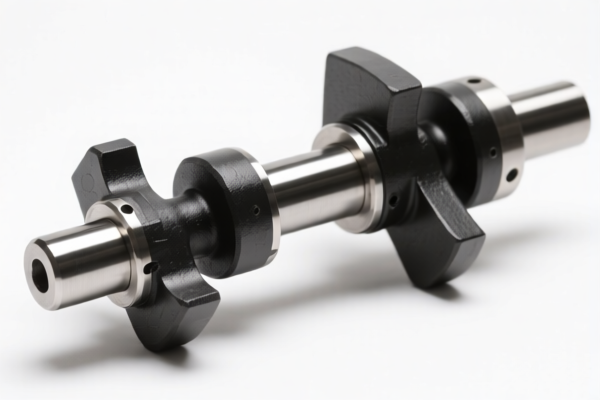
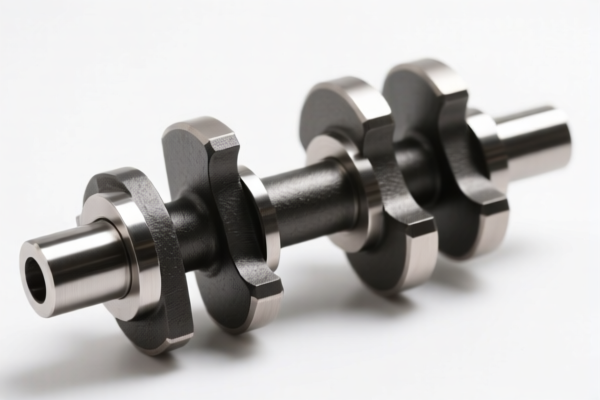
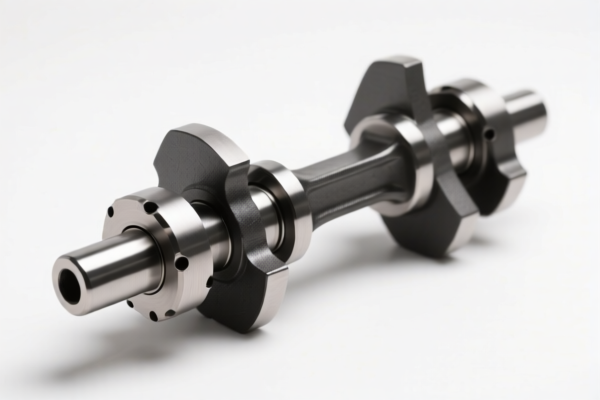
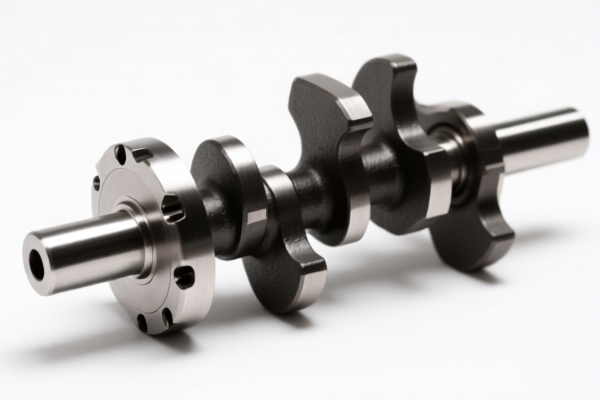
AI Analysis
⚙️ Crankshaft (Automotive & Mechanical Components)
🌐 HS Code Reference & Customs Clearance Guide | 2026 Latest Tariff Analysis | Professional Clearance Strategy
📌 I. Product Definition and Classification: Do You Really Understand the "Crankshaft"?
The Crankshaft is the core mechanical component of an internal combustion engine, responsible for converting the linear motion of pistons into rotational motion. In international trade, it is primarily classified based on its functional role (engine part) or material state (semi-finished metal product).
Two Main Classification Paths:
- As an Engine Part (8409 / 8483 Series): If the crankshaft is a finished component designed specifically for engines, it falls under engine parts or general mechanical shafts.
- As a Semi-Finished Metal Product (7207 Series): If the item is identified by its material (Iron/Non-alloy Steel) and intermediate shape (semi-finished), it may be classified under steel products.
⚠️ Key Distinction:
- If the item is a finished crankshaft ready for installation into an engine → Likely 8409 or 8483.
- If the item is a rough forging or cast blank made of iron/steel, potentially requiring further processing → Likely 7207.
- Crucial Note: Both categories are subject to high additional tariffs for Chinese-origin goods entering the US market.
📦 II. HS Code Classification Details (2026 Latest Tariff Authority Cross-Reference)
The following table details the specific HS Codes provided in the data, their logical reasoning, and applicable tax structures.
| HS Code | Product Description & Logic | Applicability | Material/State Assumption |
|---|---|---|---|
8483.10.30.10 |
Crankshafts: Exact match with the definition of crankshafts in the classification. Considered mechanical parts. | General Mechanical Applications | Finished Mechanical Part |
8409.91.50.81 |
Parts of Engines: Crankshaft as a core engine component. Inferred to be metallic. | Engine Assembly / Repair | Metallic Engine Part |
8409.99.91.90 |
Other Engine Parts: Crankshaft as a mechanical shaft component, fitting the "other parts" category. | Engine Assembly / Repair | Mechanical Shaft Component |
7207.19.00.90 |
Semi-finished Iron/Steel: Material inferred as Iron/Non-alloy Steel. Shape: Semi-finished with non-circular cross-section. | Raw Material / Semi-finished Goods | Iron/Steel Semi-finished |
8483.10.30.50 |
Crankshafts: Core use/shape matches classification explanation. No conflict in material or shape. | General Mechanical Applications | Finished Mechanical Part |
7207.20.00.90 |
Semi-finished Iron/Steel: Material inferred as Iron/Non-alloy Steel. Shape matches semi-finished/bearing-like shaft features. | Raw Material / Semi-finished Goods | Iron/Steel Semi-finished |
🔍 Critical Reminder:
- 8409 & 8483 Codes: Classify the crankshaft as a finished functional component. This is the most common classification for ready-to-use crankshafts. - 7207 Codes: Classify the item as a semi-finished steel product. This applies if the item is not yet machined to final specifications or is traded primarily as a steel blank. - Tax Impact: Regardless of the code, all listed codes carry heavy additional tariffs (Total Tax Rate 35% - 37.5%).
💰 III. 2026 Latest Tariff Rate Breakdown (Including Surtaxes & Policy Surcharges)
✅ Applicable Country: United States (US)
✅ Country of Origin: China (CN)
✅ Effective Time: From November 10, 2025 (and subsequent imports)
🎯 1. Engine Parts Classification (8409.91.50.81, 8409.99.91.90, 8483.10.30.10, 8483.10.30.50)
| Item | Content |
|---|---|
| Base Duty Rate | 2.5% (Ad Valorem) |
| Section 301 Surcharge | +25.0% (Additional Tariff) |
| Section 122 Duty | +10.0% (Specific Policy Surtax) |
| Total Tax Rate | 37.5% |
| Tax Calculation | CIF Value × 37.5% |
| De Minimis Eligibility | ❌ Not Eligible (High duty rate prevents exemption) |
| Legal Basis Path | Base Tariff: 2.5% → Section 301: +25% → Section 122: +10% |
📌 Explanation:
- These codes fall under Chapter 84 (Nuclear Reactors, Boilers, Machinery).
- The 25% Section 301 tariff is the standard additional duty on Chinese machinery parts.
- The 10% Section 122 tariff is an additional policy surcharge affecting specific mechanical imports.
- Total 37.5% is a significant cost factor. Clearance must account for this in the landed cost.
🎯 2. Semi-Finished Steel Classification (7207.19.00.90, 7207.20.00.90)
| Item | Content |
|---|---|
| Base Duty Rate | 0.0% (Ad Valorem) |
| Section 301 Surcharge | +25.0% (Additional Tariff) |
| Section 122 Duty | +10.0% (Specific Policy Surtax) |
| Total Tax Rate | 35.0% |
| Tax Calculation | CIF Value × 35.0% |
| De Minimis Eligibility | ❌ Not Eligible (High duty rate prevents exemption) |
| Legal Basis Path | Base Tariff: 0.0% → Section 301: +25% → Section 122: +10% |
📌 Explanation:
- These codes fall under Chapter 72 (Iron and Steel).
- While the base rate is 0%, the additional surcharges (35% total) remain extremely high.
- Classification as "Semi-finished Steel" might seem cheaper due to 0% base, but the final rate (35%) is still substantial.
- Caution: Misclassifying a finished engine part as semi-finished steel to avoid duty is a high-risk customs violation.
🛠️ IV. Customs Clearance Practical Advice (Real-World Pitfall Guide)
✅ 1. Preparation Checklist (Missing Items Will Cause Delays)
| Document | Mandatory | Description |
|---|---|---|
| ✅ Product Specification Sheet | ✔️ | Must specify: Dimensions, Weight, Material (Steel/Iron), Surface Finish, and whether it is a "Finished Crankshaft" or "Raw Forging." |
| ✅ Technical Drawings | ✔️ | Essential for customs officers to distinguish between Finished Engine Part (8409/8483) and Semi-finished Steel (7207). |
| ✅ Product Photos | ✔️ | Clear images of the item, including铭牌 (Nameplate) showing model number and material. |
| ✅ Commercial Invoice | ✔️ | Must accurately describe the item. Avoid vague terms like "Metal Rod." Use "Crankshaft for Internal Combustion Engine." |
| ✅ Packing List | ✔️ | Detail packaging to ensure no components are separated improperly. |
| ✅ Origin Certificate (CO) | ✔️ | Prove origin as China. Required for surcharge calculation. |
✅ 2. Declaration Tips (Key Mantras)
🔥 “Be Specific: State Function. Don’t Let ‘Steel’ Lower Your Guard.”
| Scenario | Correct Declaration Strategy | Wrong Practice |
|---|---|---|
| Finished Crankshaft | Declare as Engine Part (8409) or Mechanical Shaft (8483). Clearly state "Finished Component." |
Declare as "Steel Casting" to get lower base rate → High Risk of Rejection/Fine. |
| Raw Forging/Blank | Declare as Semi-finished Steel (7207). State "Unfinished Crankshaft Blank." |
Declare as "Engine Part" → Undervaluation/ Misclassification. |
| Mixed Shipment | Declare parts separately. Do not lump finished parts with raw materials. | Combined declaration → Confusion, Delays, Audit. |
✅ 3. Special Case Handling
| Situation | Handling Advice |
|---|---|
| OEM Custom Crankshafts | Provide OEM contracts and design specs. Prove they are specialized parts, not generic steel. |
| Used Crankshafts | High Risk! Used mechanical parts may face stricter inspection or bans. Ensure they are not considered "waste." |
| Spare Parts Kits | If sold as a kit, declare the primary item (Crankshaft) but list accessories separately if possible to clarify value. |
| Material Dispute | If customs questions whether it is Steel (7207) or Engine Part (8409), provide Material Test Reports and Usage Evidence. |
🌍 V. Global Market Clearance Comparison (2026 Latest)
| Country/Region | Recommended HS Code | Tariff (China Origin) | Certification | Notes |
|---|---|---|---|---|
| 🇺🇸 USA | 8409.91.50.81 / 8483.10.30.10 |
37.5% (Engine Part) 35.0% (Steel Semi) |
No specific tech cert, but accurate description is key. | Highest Surtax Environment. Section 301 + 122 apply heavily. |
| 🇨🇳 China | 8409.91.50.81 |
~2.5% - 10% (Import Duty) | None for imports | Lower burden compared to US. |
| 🇪🇺 EU | 8409.91.00.00 |
0% - 4% (Standard) | CE (if part of larger machine) | No Section 301 style surcharges. |
| 🇦🇺 Australia | 8409.91.00.00 |
5% | RCM (if applicable) | Moderate duty, no surcharges. |
📌 Conclusion:
- The US market is the most challenging for Crankshafts due to the cumulative 35-37.5% tax burden.
- European and Australian markets are significantly more cost-effective, with standard low duties.
- Cost-Benefit Analysis: Importing crankshafts to the US may only be viable for high-margin, specialized industrial components, not standard automotive parts.
📌 VI. Common Mistakes & Pitfall Guide (Lessons Learned)
❌ Mistake 1: Declaring a finished crankshaft as "Steel Forging" (7207) to avoid the 2.5% base duty.
👉 Consequence: Customs will reject the classification, demand back-taxes, and impose penalties. The total rate difference is minimal (37.5% vs 35%), so the risk outweighs the tiny savings.
❌ Mistake 2: Vague description "Engine Component" without specifying "Crankshaft."
👉 Consequence: Customs may misclassify it as a generic part, leading to audits or delays. Specificity is key.
❌ Mistake 3: Ignoring Section 122 surcharges.
👉 Consequence: Underestimating landed cost. The 10% surcharge is often overlooked in initial budgeting.
❌ Mistake 4: Splitting a single crankshaft into "Shaft" + "Counterweight" for de minimis exemption.
👉 Consequence: Fraud. Customs views assembled parts as a single unit. De minimis does not apply to high-duty items.
✅ Correct Practice:
"Crankshaft, Forged Steel, Finished, For Diesel Engine Model XYZ, Unpainted, HS Code 8409.91.50.81"
🎯 VII. Conclusion: Professional Declaration, Cost Control, Risk Mitigation
🎯 Remember the Mantra:
🔹 "Finished Part = 8409/8483 (37.5% Total). Semi-Finished = 7207 (35% Total). Both are Expensive."
🔹 "Don't Game the System. Accurate Description Saves Money and Time."
📌 Pro Tip:
If your crankshafts are destined for the US market, consider Supply Chain Diversification. Sourcing from Vietnam, Mexico, or Thailand (if eligible under local rules of origin) could potentially reduce or eliminate the Section 301/122 surcharges.
Recommendation: Apply for a Pre-Immigration Ruling or consult a customs broker to verify the exact classification before shipping.
📣 Immediate Action:
📞 Contact your Customs Broker + Provide Technical Drawings + Verify HS Code Pre-Ruling
🚀 Ensure your Crankshafts Clear Smoothly, Avoid Seizure, and Protect Your Margin!
✨ Professional Clearance Starts with Accurate Classification!
💼 Every Percentage Point of Duty Affects Your Bottom Line!
Customer Reviews
About HS Code Classification
The Harmonized System (HS) is an internationally standardized nomenclature developed by the World Customs Organization (WCO) to classify traded products. Over 200 countries use the HS system as the basis for customs tariffs, trade statistics, and import/export regulations.
Each HS code follows a hierarchical structure:
- Chapter (2 digits) — Broad category of goods (e.g., Chapter 84: Machinery and Mechanical Appliances)
- Heading (4 digits) — More specific grouping within the chapter
- Subheading (6 digits) — Internationally standardized breakdown, used by all WCO member countries
- National subdivisions (8-10 digits) — Country-specific extensions for further classification, such as US HTSUS 10-digit codes
Correct HS code classification is essential for smooth customs clearance, accurate duty payment, and compliance with trade regulations. Misclassification can lead to customs delays, overpayment of duties, or penalties.
When importing from CN to US, the applicable tariff rates may include:
- Most-Favored-Nation (MFN) rate — The standard duty rate applied to WTO members
- General rate — Applied to countries without trade agreements
- Trade remedy duties — Additional tariffs such as Section 301 (anti-dumping), Section 232 (national security), or countervailing duties
The information provided on this page is for reference purposes only. For official classification, please consult with your local customs authority or a licensed customs broker.