Crawling Tunnel
CN → US| HS Code | Tariff Rate | Origin | Destination | Doc |
|---|---|---|---|---|
| 9503000071 | 10.0% | CN | US | Official Doc |
| 9503000073 | 10.0% | CN | US | Official Doc |
| 9403708003 | 35.0% | CN | US | Official Doc |
| 9403896003 | 35.0% | CN | US | Official Doc |
Product Images
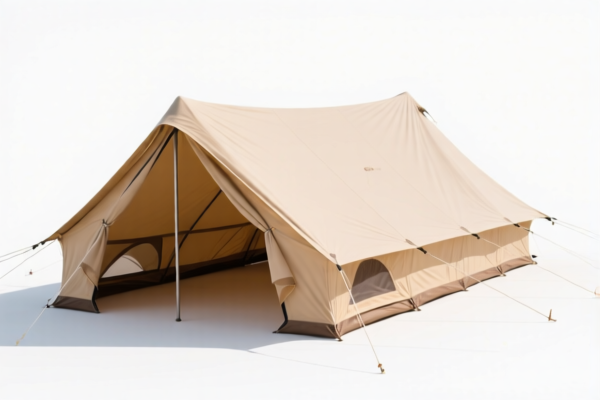
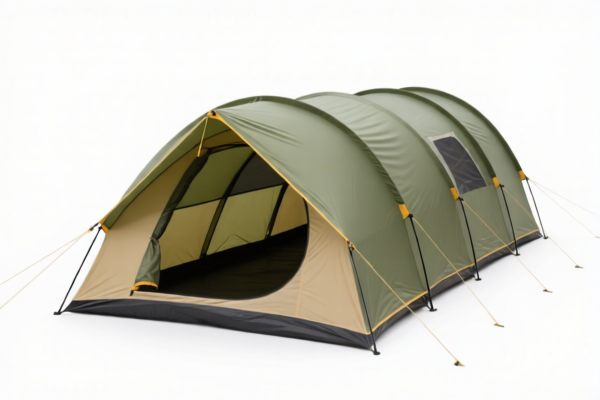
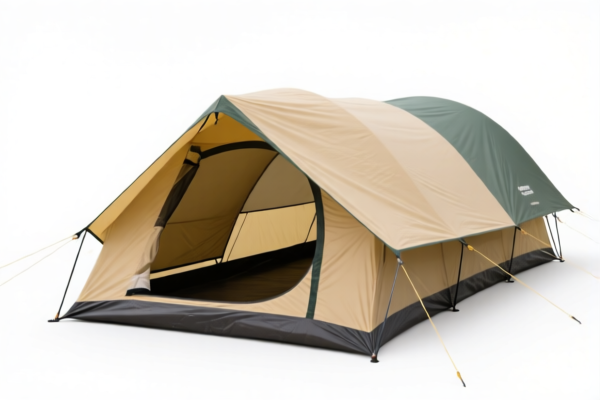
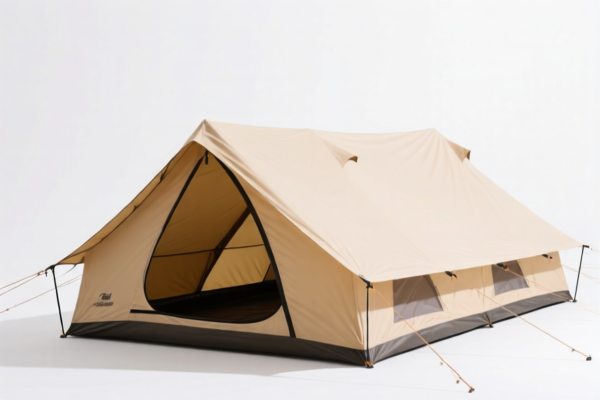
AI Analysis
🕳️ Crawling Tunnel (Play Tunnels)
🌐 HS Code Reference & Clearance Guide | 2026 Latest Tariff Analysis | Professional Clearance Strategy
📌 1. Product Definition & Classification: What Exactly is a "Crawling Tunnel"?
In the international toy and children's furniture trade, a "Crawling Tunnel" (often sold as a Play Tunnel, Soft Tunnel, or Collapsible Tunnel) is a flexible, fabric-based structure designed for infants and toddlers to crawl through for motor skill development.
Depending on its construction, intended age group, and associated accessories, it can be classified differently. The critical distinction lies in whether it is categorized strictly as a toy or as children's furniture/play yard enclosure.
⚠️ Key Distinction:
- If it is a simple fabric tube, often collapsible, with no rigid frame, it is primarily viewed as a Toy.
- If it is part of a larger enclosure system, made of rigid materials (like plastic pipes), or intended for "confining" children for safety (acting as a barrier), it may fall under Children's Furniture.
📦 2. HS Code Classification Details (2026 Latest Tariff Authority)
Based on your provided dataset, here is the precise mapping for Crawling Tunnels:
| HS Code | Product Description | Target Age Group | Material/Type | Total Tax Rate |
|---|---|---|---|---|
9503.00.00.71 |
Tricycles, scooters, pedal cars... dolls, other toys | Under 3 years | General Toy Classification | 0.0% |
9503.00.00.73 |
Tricycles, scooters, pedal cars... dolls, other toys | 3 to 12 years | General Toy Classification | 0.0% |
9403.70.80.03 |
Other furniture... Furniture of plastics: Play yards and other enclosures | All Ages | Plastic Frame + Fabric | 25.0% |
9403.89.60.03 |
Other furniture... Furniture of other materials: Cribs... play yards | All Ages | Bamboo/Rattan/Wood Frame | 25.0% |
🔍 Crucial Insight:
- Soft/Fabric Tunnels (without rigid frames) generally fall under 9503 (Toys).
- Rigid/Frame-Based Tunnels (often part of play centers) may fall under 9403 (Furniture/Enclosures).
- Age Declaration significantly impacts the specific 8-digit sub-code within Chapter 95.
💰 3. 2026 Latest Tariff Rate Breakdown (US Market)
✅ Applicable Country: United States (US)
✅ Origin: China (CN)
✅ Validity: Current as per provided data
🎯 1. 9503.00.00.71 & 9503.00.00.73 —— Soft Play Tunnels (Toys)
| Item | Content |
|---|---|
| Base Tariff | 0.0% |
| Section 301 / Additional Tariff | 0.0% |
| Total Tax Rate | 0.0% |
| Tax Calculation | CIF Value × 0% = $0 |
| De Minimis Eligibility | ✅ Yes (if under $800, though toys often require CPSC compliance) |
| Legal Basis | HTSUS: 9503.00.00.71/73 |
📌 Explanation:
- Crawling tunnels designed for play are primarily classified as toys.
- Under the current dataset, both age brackets (Under 3 & 3-12) enjoy zero tariff.
- This is a highly favorable classification for exporters, provided the product is not deemed "furniture" by customs.
🎯 2. 9403.70.80.03 & 9403.89.60.03 —— Rigid/Enclosure Tunnels (Furniture)
| Item | Content |
|---|---|
| Base Tariff | 0.0% |
| Section 301 / Additional Tariff | 25.0% |
| Total Tax Rate | 25.0% |
| Tax Calculation | CIF Value × 25% |
| De Minimis Eligibility | ❌ No (Furniture items >$800 subject to standard duties; <800 may still face scrutiny) |
| Legal Basis | HTSUS: 9403.70.80.03 (Plastic) / 9403.89.60.03 (Other Materials) |
📌 Explanation:
- If the tunnel has a plastic frame or is considered an "enclosure for confining children" (e.g., a modular play yard component), it is taxed as furniture.
- This incurs a 25% additional tariff, significantly impacting profit margins.
- Why 25%? This is typically the Section 301 tariff rate applied to specific Chinese-origin goods to protect domestic manufacturing.
🛠️ 4. Clearance Practical Advice (Real-World Pitfall Guide)
✅ 1. Preparation Checklist (Non-negotiable)
| Document | Required? | Notes |
|---|---|---|
| ✅ CPSC Certificate (Children’s Product Certificate - CPC) | YES | Mandatory for Toys (<12 years). Must include ASTM F963 compliance. Without this, shipment will be blocked. |
| ✅ Product Photos | YES | Show interior/exterior. Prove it’s a "tunnel" and not a "crib" or "furniture." |
| ✅ Bill of Lading / Invoice | YES | Clearly state "Soft Play Tunnel" or "Collapsible Toy Tunnel." Avoid words like "Play Yard" or "Enclosure Furniture." |
| ✅ Age Recommendation Label | YES | Must match HS Code. <3 years → 9503.00.00.71; 3-12 years → 9503.00.00.73. |
| ✅ Flammability Test Report | YES | Required for textile toys (16 CFR Part 1610). |
✅ 2. Declaration Tips (Key Mnemonic)
🔥 "Label as Toy, Frame as Furniture, Age Defines Code, CPC Keeps You Free!"
| Scenario | Correct Declaration | Wrong Declaration |
|---|---|---|
| Soft, fabric-only tunnel | 9503.00.00.71 (Toy) |
"Children's Furniture" → 25% Tax |
| Tunnel with plastic rigid rings | Risky. May be ruled 9403 |
Declare as "Toy Frame" with CPC to argue for 9503 |
| Modular play set with tunnels | 9503 for toy parts, 9403 for structure |
Combine incorrectly → Higher Tax |
| Intended for infants (<3 yrs) | Use 9503.00.00.71 |
Use 9503.00.00.73 → Audit risk if age label says <3 |
✅ 3. Special Case Handling
| Situation | Handling Advice |
|---|---|
| OEM Custom Shapes | Ensure marketing materials clearly show "Play/Toy" usage, not "Furniture/Room Divider." |
| Packaging Says "Play Yard" | Change Packaging! Customs looks at labeling. If it says "Play Yard," they may apply 9403. Use "Toy Tunnel." |
| Mixed Container | If you ship toys and furniture together, declare them separately. Mixing codes can trigger full container audits. |
| Plastic Frame Tunnels | These are the most contested. Provide structural diagrams showing the fabric is primary; frame is minimal support. Aim for 9503. |
🌍 5. Global Market Clearance Comparison (2026)
| Country/Region | Recommended HS Code | Tariff (China Origin) | Certification | Notes |
|---|---|---|---|---|
| 🇺🇸 USA | 9503.00.00.71/73 |
0.0% | CPSC, CPC, ASTM F963 | Most favorable. Avoid 9403. |
| 🇨🇳 China | 9503.00.00 |
Varies (Check latest) | CCC (if applicable) | Domestic sales differ. |
| 🇪🇺 EU | 9503.00 |
0% (if <€22) | CE, EN71 | Low duty for toys. |
| 🇬🇧 UK | 9503.00 |
0% | UKCA, EN71 | Post-Brexit standards. |
📌 Conclusion:
- The USA offers 0% duty for crawlers classified as toys.
- Misclassification as furniture (9403) results in a 25% penalty.
- Compliance (CPC) is more critical than tariff rate for toy clearance.
📌 6. Common Mistakes & Pitfalls (Blood & Tears Lessons)
❌ Mistake 1: Packaging says "Play Yard" or "Enclosure"
👉 Consequence: Customs classifies as 9403 → 25% Tariff Applied!
👉 Fix: Label as "Crawling Tunnel Toy" or "Play Tunnel."
❌ Mistake 2: No CPC Certificate for Products labeled for <12 Years
👉 Consequence: CBP Seizure, FD-307 Warning Letter, Product Recall.
👉 Fix: Obtain CPC from an accredited CPSC lab.
❌ Mistake 3: Mixing Age Groups in One Shipment Without Clear Separation
👉 Consequence: Customs may apply the higher tax or delay clearance for audit.
👉 Fix: Clearly mark age on every unit and packaging.
✅ Correct Declaration Example:
"Fabric Crawling Tunnel Toy, Collapsible, Suitable for Children 18 Months and Up, ASTM F963 Compliant, Model: TUN-001"
🎯 7. Conclusion: Precision Classification, Maximizing Profit!
🎯 Remember the Mantra:
🔹 "Toy = 0% Duty, Furniture = 25% Duty!"
🔹 "CPC is King, Labeling is Queen!"
🔹 "Don't let 'Furniture' label cost you 25 cents on every dollar!"
📌 Pro Tip:
If your crawling tunnel has a plastic or wooden frame, consult a customs broker before shipping. They can help argue for Chapter 95 (Toys) by proving the primary character is "play," not "furnishing." This can save you 25% in duties.
📣 Immediate Action:
📞 Verify CPC Compliance →
🏷️ Update Packaging Labels to "Toy" →
📦 Declare under9503.00.00.71/73for 0% Tax.
✨ Clear Compliance, Smooth Customs, Higher Margins!
💼 Don't Pay for Errors. Pay for Precision.
Customer Reviews
About HS Code Classification
The Harmonized System (HS) is an internationally standardized nomenclature developed by the World Customs Organization (WCO) to classify traded products. Over 200 countries use the HS system as the basis for customs tariffs, trade statistics, and import/export regulations.
Each HS code follows a hierarchical structure:
- Chapter (2 digits) — Broad category of goods (e.g., Chapter 84: Machinery and Mechanical Appliances)
- Heading (4 digits) — More specific grouping within the chapter
- Subheading (6 digits) — Internationally standardized breakdown, used by all WCO member countries
- National subdivisions (8-10 digits) — Country-specific extensions for further classification, such as US HTSUS 10-digit codes
Correct HS code classification is essential for smooth customs clearance, accurate duty payment, and compliance with trade regulations. Misclassification can lead to customs delays, overpayment of duties, or penalties.
When importing from CN to US, the applicable tariff rates may include:
- Most-Favored-Nation (MFN) rate — The standard duty rate applied to WTO members
- General rate — Applied to countries without trade agreements
- Trade remedy duties — Additional tariffs such as Section 301 (anti-dumping), Section 232 (national security), or countervailing duties
The information provided on this page is for reference purposes only. For official classification, please consult with your local customs authority or a licensed customs broker.