Crease Paper Cutter
CN → US| HS Code | Tariff Rate | Origin | Destination | Doc |
|---|---|---|---|---|
| 8441100000 | 35.0% | CN | US | Official Doc |
| 8441900000 | 35.0% | CN | US | Official Doc |
| 8205513030 | 38.7% | CN | US | Official Doc |
| 8205595510 | 40.3% | CN | US | Official Doc |
Product Images
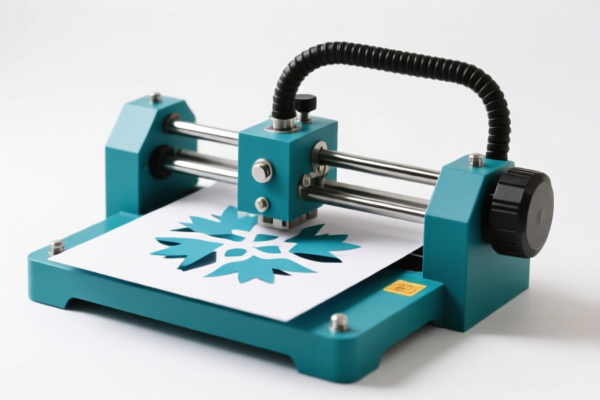
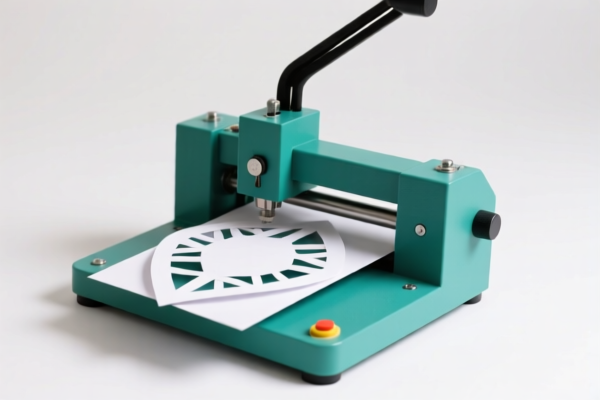
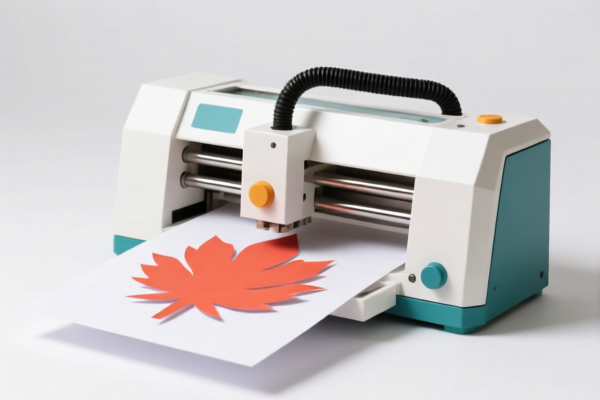
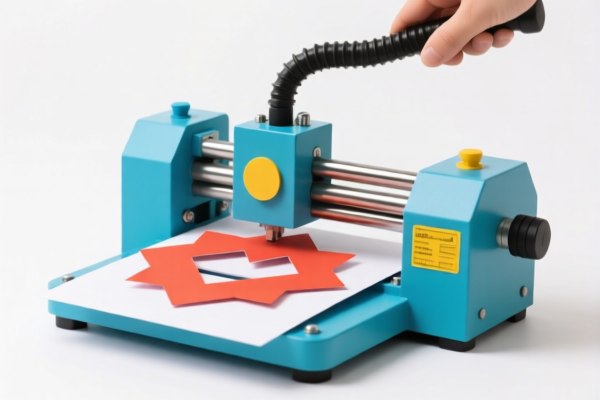
AI Analysis
📄 Crease Paper Cutter (Paper Knives & Cutting Tools)
🌐 HS Code Reference & Customs Clearance Guide | 2024/2026 Latest Tariff Analysis | Professional Entry Strategy
📌 I. Product Definition & Classification: Do You Really Understand the "Paper Cutter"?
The "Crease Paper Cutter" (often referred to as a Paper Knife or Letter Opener with cutting functionality) is a tool used for opening envelopes, slicing paper, or creating creases. In international trade, its classification is highly sensitive and depends entirely on material composition, specific function, and construction.
It falls into two main categories in customs data: 1. Specialized Paper Tools (8214 Series): Specifically designed for paper handling (e.g., letter openers, paper knives). These often benefit from lower base duties but face specific per-unit taxes. 2. General Hand Tools with Cutting Edges (8205 Series): Viewed as general metal hand tools. These attract the highest punitive tariffs due to "Section 301" and "Section 122" classifications.
⚠️ Key Distinction Point:
- If the tool is specifically identified as a "Paper Knife" or "Letter Opener" in legal texts or catalogs → Often classified under 8214. - If the tool is a general metal blade or lacks specific "paper" designation in description → Often classified under 8205.
📦 II. HS Code Classification Details (Latest Tariff Concordance)
| HS Code | Product Description | Applicable Scenario | Base Duty Structure |
|---|---|---|---|
8214.10.00.00 |
Paper Knives (Letter Openers): Specifically categorized as "paper knives." | Envelope openers, dedicated paper slicing tools. | 0.3¢ each + 4.2% |
8205.59.55.10 |
Other Hand Tools with Cutting Edges (Metal): Classified as general metal hand tools. | Metal paper cutters without specific "paper knife" designation. | 40.3% |
8205.51.75.00 |
Manual Cutting Tools (Hand Tools & Household Tools): General category for manual cutters. | Manual cutting instruments not specifically for paper. | 38.7% |
8214.90.90.00 |
Other Cutlery (Knives): Metal or base metal knives not elsewhere specified. | General metal knives used for paper, lacking specific "paper knife" classification. | 1.4¢ each + 3.2% |
🔍 Critical Reminder:
- 8214 Codes generally offer significantly lower total tariffs compared to 8205 codes. - However, 8214 codes may have per-unit taxes (e.g., $0.30 per piece) in addition to ad valorem rates. - 8205 Codes are subject to heavy punitive tariffs (25% Section 301 + 10% Section 122), totaling nearly 40%.
💰 III. 2024/2026 Latest Tariff Rate Details (Including Additional Taxes)
✅ Applicable Country: United States (US)
✅ Origin: China (CN)
✅ Effective Time: Current rates apply (Section 301 & 122 duties active)
🎯 1. 8214.10.00.00 —— Paper Knives (Lowest Risk/Lowest Cost)
| Item | Content |
|---|---|
| Base Tariff | 4.2% (ad valorem) + 0.3¢ per piece (Specific Duty) |
| Section 301 Additional Duty | 0.0% |
| Section 122 Additional Duty | +10.0% |
| Total Effective Rate | 4.2% + 0.3¢/pc |
| Tax Calculation | (CIF Value × 4.2%) + (0.3¢ × Quantity) |
| De Minimis Eligible? | ❌ No (Deny De Minimis - Section 321 exemption not allowed for this category due to specific duty structure and trade restrictions) |
| Legal Basis Path | HTSUS:8214.10.00 → Footnote:122 |
📌 Explanation:
- This is the most favorable classification for "Crease Paper Cutters" if they can be legally defined as "Paper Knives." - The 10% Section 122 duty is applied on top of the base rate. - No 25% Section 301 duty applies, saving ~25% compared to general hand tools.
🎯 2. 8205.59.55.10 —— Other Hand Tools with Cutting Edges (High Cost)
| Item | Content |
|---|---|
| Base Tariff | 5.3% |
| Section 301 Additional Duty | +25.0% |
| Section 122 Additional Duty | +10.0% |
| Total Effective Rate | 40.3% |
| Tax Calculation | CIF Value × 40.3% |
| De Minimis Eligible? | ❌ No |
| Legal Basis Path | HTSUS:8205.59.55 → Section 301 → Section 122 |
📌 Warning:
- This classification triggers the maximum punitive tariffs. - 25% (Section 301) + 10% (Section 122) = 35% additional duty. - Only use this code if the product cannot be proven to be a "Paper Knife."
🎯 3. 8205.51.75.00 —— Manual Cutting Tools (High Cost)
| Item | Content |
|---|---|
| Base Tariff | 3.7% |
| Section 301 Additional Duty | +25.0% |
| Section 122 Additional Duty | +10.0% |
| Total Effective Rate | 38.7% |
| Tax Calculation | CIF Value × 38.7% |
| De Minimis Eligible? | ❌ No |
| Legal Basis Path | HTSUS:8205.51.75 → Section 301 → Section 122 |
📌 Note:
- Slightly lower base rate than 8205.59, but same punitive additions. - Applies to "hand tools and household tools" generally.
🎯 4. 8214.90.90.00 —— Other Cutlery (Metal Knives)
| Item | Content |
|---|---|
| Base Tariff | 3.2% + 1.4¢ per piece |
| Section 301 Additional Duty | 0.0% |
| Section 122 Additional Duty | +10.0% |
| Total Effective Rate | 3.2% + 1.4¢/pc |
| Tax Calculation | (CIF Value × 3.2%) + (1.4¢ × Quantity) |
| De Minimis Eligible? | ❌ No |
| Legal Basis Path | HTSUS:8214.90.90 → Footnote:122 |
📌 Explanation:
- Used if the product is a "knife" but not specifically a "paper knife." - Higher per-unit tax (1.4¢) than 8214.10 (0.3¢), but still avoids Section 301.
🛠️ IV. Customs Clearance Practical Advice (Real-World Pitfall Guide)
✅ 1. Documentation Checklist (Non-Negotiable)
| Document | Required | Notes |
|---|---|---|
| ✅ Product Specifications | ✔️ | Must clearly state "Paper Knife," "Envelope Opener," or "Crease Tool." Avoid generic "Metal Blade." |
| ✅ Product Photos | ✔️ | Show shape, handle, and blade. Must resemble traditional paper knives. |
| ✅ Commercial Invoice | ✔️ | Clearly describe as "Paper Knife" or "Letter Opener." Do NOT write "Kitchen Knife" or "Utility Cutter." |
| ✅ Packing List | ✔️ | List quantity per unit for per-unit tax calculation. |
| ✅ Country of Origin Certificate | ✔️ | Essential for proving Chinese origin (to apply correct Section 301/122 rates). |
✅ 2. Declaration Tips (Key Mantra)
🔥 "Call it a Paper Knife, Not a Hand Tool!"
| Situation | Correct Declaration | Wrong Declaration |
|---|---|---|
| Envelope Opener / Paper Knife | 8214.10.00.00 (Paper Knife) |
8205.59.55.10 (Hand Tool) → 40.3% Tax! |
| General Metal Blade Used for Paper | 8214.90.90.00 (Other Cutlery) |
8205.51.75.00 → 38.7% Tax! |
| Kitchen or Utility Knife | Not applicable here | Do not use 8214 codes for kitchen knives. |
✅ 3. Special Cases
| Scenario | Handling Advice |
|---|---|
| Plastic/Composite Handle | Still qualifies for 8214 if the cutting edge is metal and intended for paper. |
| Multi-purpose Tool | If it cuts paper AND meat, customs may classify as 8214.90 or 8205. Stick to "Paper Use" in description. |
| High-Volume Shipments | Per-unit taxes (0.3¢ or 1.4¢) add up. Calculate total cost impact. |
| De Minimis (Section 321) | ❌ Cannot use $800 de minimis exemption for these HS codes from China due to Section 301/122 application. Full entry required. |
🌍 V. Global Market Comparison (2026 Latest)
| Country/Region | Recommended HS Code | Total Duty (China Origin) | Certification Req. | Notes |
|---|---|---|---|---|
| 🇺🇸 USA | 8214.10.00.00 |
4.2% + 0.3¢/pc | None | Best Option if classified correctly. |
| 🇺🇸 USA | 8205.59.55.10 |
40.3% | None | Avoid this code for paper cutters. |
| 🇨🇳 China | 8214.10.00 |
0-5% | CCC (if applicable) | Low import duty. |
| 🇪🇺 EU | 8214.10 |
0% | CE (if applicable) | No punitive tariffs like US. |
| 🇬🇧 UK | 8214.10 |
0% | UKCA | Post-Brexit alignment with EU. |
📌 Conclusion:
- USA is the critical market for this classification issue due to Section 301 and 122 duties. - Classification as8214.10.00.00saves ~36% in tariffs compared to misclassification as8205.
📌 VI. Common Errors & Pitfall Guide (Lessons Learned)
❌ Mistake 1: Describing the item as "Hand Tool" or "Cutting Tool" on the invoice.
👉 Consequence: Customs may assign 8205.59.55.10 → 40.3% Tax!
❌ Mistake 2: Using "Paper Cutter" for a large desktop device.
👉 Consequence: If it’s a large machine, it may fall under 8441 (Paper Processing Machinery), which has different rules. Ensure it’s a hand-held tool.
❌ Mistake 3: Assuming De Minimis applies.
👉 Consequence: Section 301/122 duties apply even to low-value shipments from China. No exemption.
✅ Correct Practice:
"Hand-held Paper Knife / Letter Opener, Metal Blade, Used for Opening Envelopes and Paper Slicing, Model XYZ"
🎯 VII. Conclusion: Professional Classification Saves Money!
🎯 Remember the Mantra:
🔹 "Paper Knife = 8214 = Low Duty. Hand Tool = 8205 = High Duty."
🔹 "Describe accurately, avoid 'Hand Tool,' save 36% in taxes!"
📌 Pro Tip:
If your product is a multi-purpose cutter, consider providing usage instructions that emphasize paper use. Customs may accept 8214 if the primary function is paper-related.
📣 Immediate Action:
📞 Consult a customs broker to confirm
8214.10.00.00eligibility.
📝 Ensure your commercial invoice clearly states "Paper Knife" or "Letter Opener."
🚀 Avoid the 40.3% tariff trap!
✨ Professional Customs Clearance Starts with Accurate Classification!
💼 Every Percent Saved is Pure Profit!
Customer Reviews
About HS Code Classification
The Harmonized System (HS) is an internationally standardized nomenclature developed by the World Customs Organization (WCO) to classify traded products. Over 200 countries use the HS system as the basis for customs tariffs, trade statistics, and import/export regulations.
Each HS code follows a hierarchical structure:
- Chapter (2 digits) — Broad category of goods (e.g., Chapter 84: Machinery and Mechanical Appliances)
- Heading (4 digits) — More specific grouping within the chapter
- Subheading (6 digits) — Internationally standardized breakdown, used by all WCO member countries
- National subdivisions (8-10 digits) — Country-specific extensions for further classification, such as US HTSUS 10-digit codes
Correct HS code classification is essential for smooth customs clearance, accurate duty payment, and compliance with trade regulations. Misclassification can lead to customs delays, overpayment of duties, or penalties.
When importing from CN to US, the applicable tariff rates may include:
- Most-Favored-Nation (MFN) rate — The standard duty rate applied to WTO members
- General rate — Applied to countries without trade agreements
- Trade remedy duties — Additional tariffs such as Section 301 (anti-dumping), Section 232 (national security), or countervailing duties
The information provided on this page is for reference purposes only. For official classification, please consult with your local customs authority or a licensed customs broker.