Creative Luffa Sponge
CN → US| HS Code | Tariff Rate | Origin | Destination | Doc |
|---|---|---|---|---|
| 4602900000 | 38.5% | CN | US | Official Doc |
| 4602198000 | 37.3% | CN | US | Official Doc |
| 4823907000 | 35.0% | CN | US | Official Doc |
Product Images
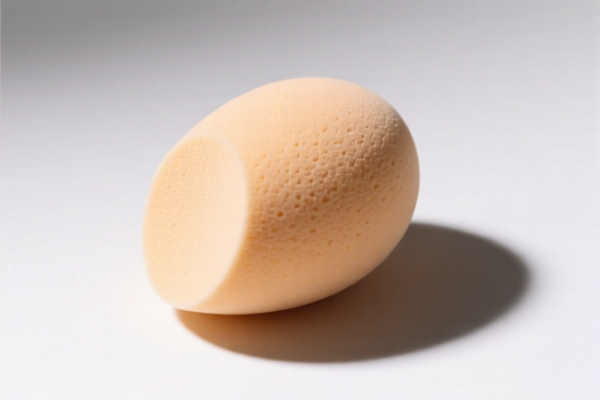
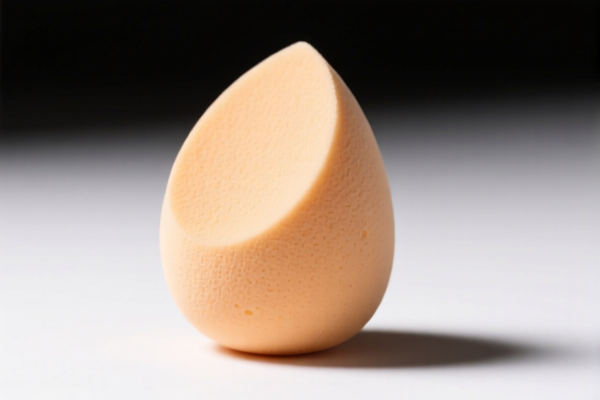
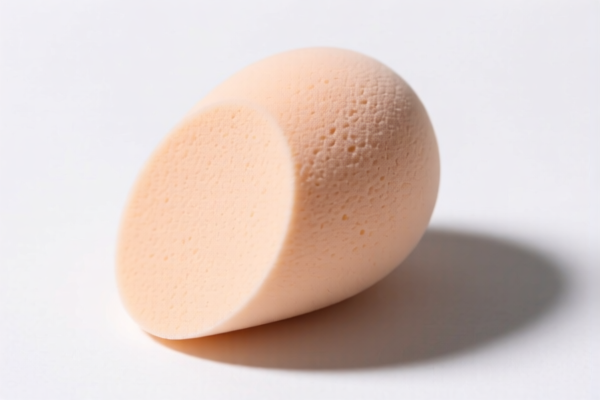
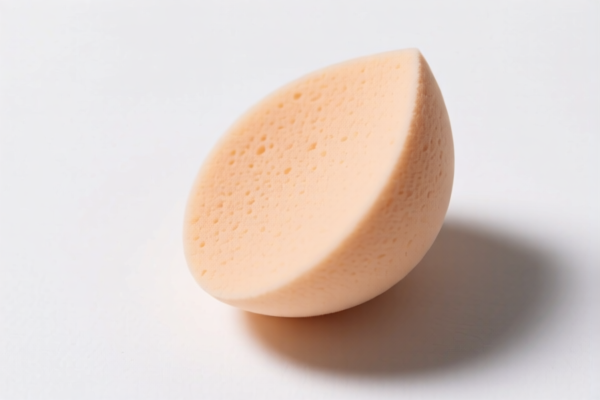
AI Analysis
🧽 Creative Luffa Sponge (Natural Loofah)
🌐 HS Code Reference & Customs Clearance Guide | 2026 Latest Tariff Analysis | Professional Clearance Strategy
📌 I. Product Definition & Classification: Do You Really Understand "Luffa Sponge"?
Luffa sponges (natural loofah) are dried fibrous interiors of the Luffa plant. In international trade, they are classified based on their material nature (plant fiber) and processing state (woven, shaped, or raw). The classification determines whether it is treated as a woven product, a paper/cellulose product, or another category.
⚠️ Key Distinction Point:
- If used as a woven basket/matte or similar woven plant material → Go to Chap 46 (Woven Plant Fibers).
- If used as a natural cleaning tool in its basic fibrous form → May also fall under Chap 46 (other woven products) or be scrutinized for Chap 48 (Cellulose).
- Note: The provided data suggests specific mappings for "Creative Luffa Sponge" based on material/shape combinations.
📦 II. HS Code Classification Details (2026 Latest Tariff Authority对照)
| HS Code | Product Description | Application Scenario | Reason for Classification |
|---|---|---|---|
4602.90.00.00 |
Other woven materials of vegetable materials (e.g., loofah, rattan) | Woven loofah mats, baskets, or shaped loofah products used as crafts/cleaning tools | ✅ Matches material & category: Luffa is a vegetable fiber; shaped/woven forms fit "woven products." |
4602.19.80.00 |
Woven articles of vegetable plaiting materials (other) | Natural plant fiber loofahs in basic woven/plaited form | ✅ Matches material & form: Natural plant fiber + woven/plaited morphology. |
4823.90.70.00 |
Other paper, paperboard, cellulose wadding or webs of cellulose fibres | Loofah treated/processed as cellulose-based cleaning pads or specific shaped cellulose products | ✅ Matches cellulose nature: Luffa is cellulose-based; if processed into net/web/shaped cellulose item, it fits here. |
🔍 Key Reminder:
- 4602.xxxx is the primary category for woven/plaited vegetable fibers. Most natural loofah sponges fall here if they retain their fibrous structure.
- 4823.90.70.00 is a potential fallback if the luffa is heavily processed into a cellulose web/net or if customs interpret it as a cellulose-based cleaning product rather than a woven plant fiber.
- Misclassification Risk: Declaring a woven loofah as "plastic sponge" (3926) or "natural fiber raw" (1404) may lead to incorrect duty assessment.
💰 III. 2026 Latest Tariff Rate Breakdown (Including Surcharges & Policy Add-ons)
✅ Applicable Country: United States (US)
✅ Origin: China (CN)
✅ Effective Time: 2025年11月10日起 (Including subsequent imports)
🎯 1. 4602.90.00.00 —— Woven Materials of Vegetable Materials (Other)
| Item | Content |
|---|---|
| Base Tariff | 3.5% (ad valorem) |
| Section 301 Surcharge | +25.0% |
| Section 122 Surcharge | +10.0% |
| Total Tax Rate | 38.5% |
| Tax Calculation | CIF Value × 38.5% |
| De Minimis Exemption? | ❌ Not Eligible (Deny de minimis for China-origin goods under these tariffs) |
| Legal Basis Path | Section 301: 9903.88.01 → Section 122: 9903.01.25 → USITC: 4602.90.00.00 |
📌 Explanation:
- "Base 3.5%": Standard US Most Favored Nation (MFN) duty for other woven plant materials.
- "Section 301 25%": Tariff on Chinese imports under Trade Act of 1974 Section 301.
- "Section 122 10%": Additional duty under Section 122 of the Trade Act of 1974 (specifically applied to certain goods from China).
- Total 38.5%: This is a high duty rate. Must be factored into pricing.
🎯 2. 4602.19.80.00 —— Woven Articles of Vegetable Plaiting Materials (Other)
| Item | Content |
|---|---|
| Base Tariff | 2.3% (ad valorem) |
| Section 301 Surcharge | +25.0% |
| Section 122 Surcharge | +10.0% |
| Total Tax Rate | 37.3% |
| Tax Calculation | CIF Value × 37.3% |
| De Minimis Exemption? | ❌ Not Eligible |
| Legal Basis Path | Section 301: 9903.88.01 → Section 122: 9903.01.25 → USITC: 4602.19.80.00 |
📌 Note:
- Slightly lower base rate (2.3%) compared to4602.90.00.00.
- Applies if the loofah is classified as a "plaited material" rather than general "woven material."
- Same surcharges apply, so total duty is still very high.
🎯 3. 4823.90.70.00 —— Other Paper, Paperboard, Cellulose Wadding/Webs
| Item | Content |
|---|---|
| Base Tariff | 0.0% (ad valorem) |
| Section 301 Surcharge | +25.0% |
| Section 122 Surcharge | +10.0% |
| Total Tax Rate | 35.0% |
| Tax Calculation | CIF Value × 35.0% |
| De Minimis Exemption? | ❌ Not Eligible |
| Legal Basis Path | Section 301: 9903.88.01 → Section 122: 9903.01.25 → USITC: 4823.90.70.00 |
📌 Caution:
- While base tariff is 0%, the 35% total duty is still significant.
- This classification is less common for standard loofah sponges unless they are processed into cellulose webs/pads. Misclassification here may trigger customs audits if the product is clearly a woven plant fiber.
🛠️ IV. Customs Clearance Practical Advice (Avoiding Pitfalls)
✅ 1. Required Documentation Checklist
| Document | Required? | Explanation |
|---|---|---|
| ✅ Product Specification Sheet | ✔️ | Include material (natural luffa), dimensions, shape, and usage. |
| ✅ Photos (Clear & Detailed) | ✔️ | Show texture, weave pattern, and any tags/labels. Critical for proving "plant fiber" nature. |
| ✅ Commercial Invoice | ✔️ | Clearly state "Natural Luffa Sponge" or "Loofah Fiber Product." Avoid vague terms like "Sponge" (which implies synthetic). |
| ✅ Packing List | ✔️ | List item weights and quantities accurately. |
| ✅ Origin Certificate (CO) | ✔️ | If applicable, but note that China-origin goods face high tariffs regardless. |
| ✅ Third-Party Test Report | ❌ | Not typically required for natural plant fibers, but helpful if customs question the material. |
✅ 2. Declaration Tips (Key Mantra)
🔥 "Be Honest About Material, Avoid 'Plastic' Claims, Use 'Plant Fiber'!"
| Scenario | Correct Declaration | Wrong Practice |
|---|---|---|
| Natural loofah sponge | "Natural Luffa Sponge, Plant Fiber, Unscented" |
"Synthetic Cleaning Sponge" → Leads to 3926 (32.5%+ surcharges) and potential fraud charges. |
| Loofah with packaging | Declare main product as loofah; packaging as separate if significant | Combine into one vague description → Customs may reclassify. |
| Shaped/Creative loofah | "Woven Vegetable Fiber Product, Shaped" |
"Plastic Sponge" → High risk of rejection/fine. |
✅ 3. Special Circumstances
| Situation | Handling Advice |
|---|---|
| Creative/Decorative Loofah | Emphasize "woven vegetable material" in description. If it’s a craft item, 4602.90.00.00 is appropriate. |
| Loofah for Bathing | Clearly state "Natural Bath Sponge" or "Loofah Fiber." Avoid "Bath Sponge" alone, which may be confused with synthetic. |
| Loofah as Packaging Material | If used as cushioning, declare as "Woven Plant Fiber Packing Material." May still face surcharges. |
| Misclassification Risk | If customs doubt it’s plant fiber, they may assign a higher duty code. Provide botanical proof if needed. |
🌍 V. Global Market Comparison (2026 Latest)
| Country/Region | Recommended HS Code | Tariff Rate | Notes |
|---|---|---|---|
| 🇺🇸 United States | 4602.90.00.00 or 4602.19.80.00 |
37.3% - 38.5% | High due to Section 301 & 122 surcharges. |
| 🇨🇳 China | 4602.90.00.00 |
Low (0-5%) | No surcharges for domestic trade. |
| 🇪🇺 European Union | 4602.90.00 |
0-6% | Generally low duty; no US-style surcharges. |
| 🇯🇵 Japan | 4602.90.00 |
0-5% | Low duty; consider FTA benefits if applicable. |
| 🇦🇺 Australia | 4602.90.00 |
5% | Moderate duty; no additional surcharges. |
📌 Conclusion:
- US market is the most expensive due to high tariffs.
- China, EU, Japan, Australia offer significantly lower duties.
- Strategy: If exporting to the US, consider cost-plus pricing or market adjustments to absorb 35-38% duty.
📌 VI. Common Errors & Pitfall Guide (Lessons Learned)
❌ Error 1: Declaring luffa as "Synthetic Sponge"
👉 Consequence: Wrong HS Code (3926), potential fraud accusation, and 100% penalty.
❌ Error 2: Ignoring Section 122 & 301 surcharges
👉 Consequence: Underpayment of duty, back taxes + interest + penalties.
❌ Error 3: Vague description "Sponge"
👉 Consequence: Customs may reclassify to a higher duty category or demand additional documentation.
❌ Error 4: Using "Loofah" without specifying natural vs. synthetic
👉 Consequence: Ambiguity leads to delayed clearance and inspection fees.
✅ Correct Practice:
"Natural Luffa Sponge, Made from Vegetable Fiber (Luffa cylindrica), Unscented, For Bathing/Cleaning, HS Code 4602.90.00.00"
🎯 VII. Conclusion: Professional Declaration, Save Time & Money!
🎯 Remember the Mantra:
🔹 "Plant Fiber, Not Plastic, Declare Clearly, Avoid Penalties!"
🔹 "US Tariffs are High, Plan for 35-38%, Don’t Get Caught Out!"
📌 Pro Tip:
If your luffa sponge is non-China origin (e.g., India, Vietnam, Philippines), you may avoid Section 301 & 122 surcharges, reducing total duty to base rate only (2.3-3.5%).
Consider sourcing from non-China countries if exporting to the US to save ~35% in tariffs.
📣 Immediate Action:
📞 Contact a professional customs broker + Provide product photos + Apply for HS Code Advance Ruling
🚀 Ensure your Natural Luffa Sponge clears customs smoothly and efficiently, maximizing profit margins!
✨ Professional Customs Clearance Starts with Accurate Classification!
💼 Every Cent of Duty Matters – Get It Right the First Time!
Customer Reviews
About HS Code Classification
The Harmonized System (HS) is an internationally standardized nomenclature developed by the World Customs Organization (WCO) to classify traded products. Over 200 countries use the HS system as the basis for customs tariffs, trade statistics, and import/export regulations.
Each HS code follows a hierarchical structure:
- Chapter (2 digits) — Broad category of goods (e.g., Chapter 84: Machinery and Mechanical Appliances)
- Heading (4 digits) — More specific grouping within the chapter
- Subheading (6 digits) — Internationally standardized breakdown, used by all WCO member countries
- National subdivisions (8-10 digits) — Country-specific extensions for further classification, such as US HTSUS 10-digit codes
Correct HS code classification is essential for smooth customs clearance, accurate duty payment, and compliance with trade regulations. Misclassification can lead to customs delays, overpayment of duties, or penalties.
When importing from CN to US, the applicable tariff rates may include:
- Most-Favored-Nation (MFN) rate — The standard duty rate applied to WTO members
- General rate — Applied to countries without trade agreements
- Trade remedy duties — Additional tariffs such as Section 301 (anti-dumping), Section 232 (national security), or countervailing duties
The information provided on this page is for reference purposes only. For official classification, please consult with your local customs authority or a licensed customs broker.