Crib Toy
CN → US| HS Code | Tariff Rate | Origin | Destination | Doc |
|---|---|---|---|---|
| 9403509041 | 35.0% | CN | US | Official Doc |
| 9403200016 | 85.0% | CN | US | Official Doc |
| 9503000071 | 10.0% | CN | US | Official Doc |
| 9503000011 | 10.0% | CN | US | Official Doc |
| 3926909989 | 22.8% | CN | US | Official Doc |
Product Images
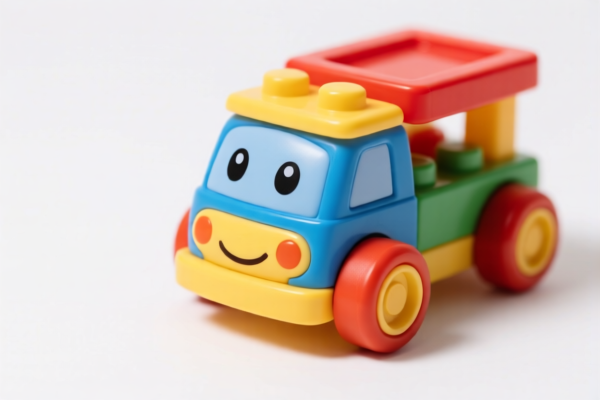
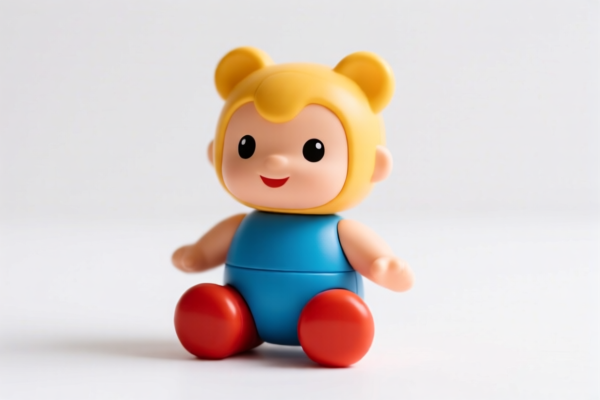
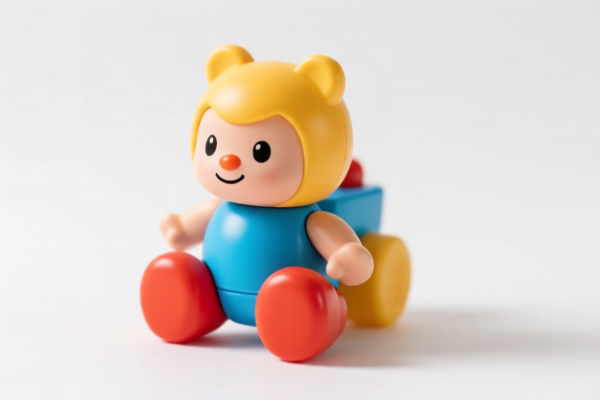
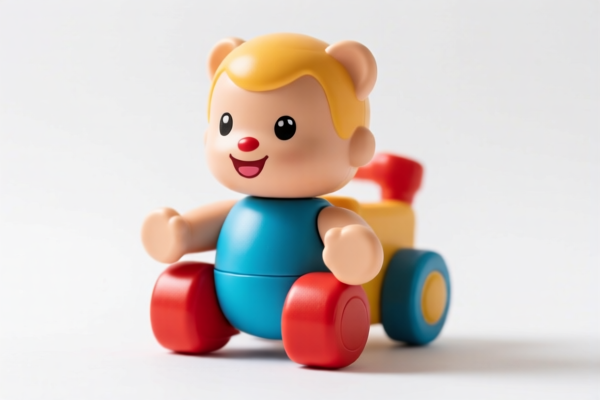
AI Analysis
🍼 Crib & Baby Toy Classification Guide | 2026 US Customs Tariff Breakdown
🌐 HS Code Reference & Customs Clearance Strategy | Professional Classification for "Crib" vs. "Toy"
📌 Critical Distinction: Furniture vs. Toy
In international trade, "Crib" and "Crib Toy" are completely different commodities with vastly different tariff implications.
- Crib: Classified under Chapter 94 (Furniture). Subject to high punitive tariffs.
- Crib Toy: Classified under Chapter 95 (Toys). Subject to significantly lower tariffs.
⚠️ Key Warning:
- Misclassifying a Crib as a Toy is fraud → Severe penalties, seizure, and back taxes.
- Misclassifying a Toy Crib as Furniture → Overpayment of duties.
📦 II. HS Code Classification Details (2026 Latest Tariff Schedule)
The input data identifies five distinct HS Codes for products related to "Crib" and "Crib Toy." Below is the precise breakdown based on material, function, and tariff structure.
🛏️ Category A: Furniture Class (High Tariff Risk)
| HS Code | Product Description | Material/Feature | Total Tax Rate | Tax Breakdown |
|---|---|---|---|---|
9403.50.90.41 |
Baby Crib | Wood, Bedroom Furniture | 35.0% | Base: 0% + Section 301: 25% + Section 122: 10% |
9403.20.00.16 |
Baby Crib | Metal/Wood/Mixed | 85.0% | Base: 0% + Section 301: 25% + Section 122: 10% + Steel/Alu/Cu: 50% |
🧸 Category B: Toy Class (Low Tariff Advantage)
| HS Code | Product Description | Material/Feature | Total Tax Rate | Tax Breakdown |
|---|---|---|---|---|
9503.00.00.71 |
Baby Toy | General Toy Category | 10.0% | Base: 0% + Section 301: 0% + Section 122: 10% |
9503.00.00.11 |
Baby Toy | Rubber/Plastic Child Toy | 10.0% | Base: 0% + Section 301: 0% + Section 122: 10% |
3926.90.99.89 |
Baby Toy | Plastic (Other Articles) | 22.8% | Base: 5.3% + Section 301: 7.5% + Section 122: 10% |
🔍 重点提醒 (Key Notes):
- Furniture (9403): Subject to Section 122 (10%) AND Section 301 (25%). Metal cribs face an additional 50% for steel/aluminum/copper.
- Toys (9503): Generally exempt from Section 301 (25%), only subject to Section 122 (10%).
- Plastic Toys (3926): If not clearly classified as a "toy" under Chapter 95, they may fall here, attracting a 5.3% base duty + 7.5% Section 301 + 10% Section 122.
💰 III. 2026 Latest Tariff Rate Detailed Analysis (US Market)
✅ Applicable Country: USA (US)
✅ Origin: China (CN)
✅ Effective Time: 2025–2026 Tariff Schedule
🎯 1. 9403.50.90.41 — Wooden Baby Crib (Furniture)
| Item | Detail |
|---|---|
| Base Duty | 0% |
| Section 301 Duty | +25% |
| Section 122 Duty | +10% |
| Total Duty | 35.0% |
| Calculation | CIF Value × 35% |
| De Minimis Exemption | ❌ Not Applicable (Section 321 does not apply to Section 301/122 goods) |
| Legal Basis | Section 301: HTS 9403.50.90.41 → Section 122: 19 U.S.C. 2411 |
📌 Explanation:
- Section 301 (25%): Retaliatory tariff on Chinese goods.
- Section 122 (10%): Tariff on textile/apparel/furniture imports from China (if applicable under current enforcement).
- Total 35% is a significant cost driver. Must declare accurately as "Furniture."
🎯 2. 9403.20.00.16 — Metal/Aluminum/Copper Baby Crib (Furniture)
| Item | Detail |
|---|---|
| Base Duty | 0% |
| Section 301 Duty | +25% |
| Section 122 Duty | +10% |
| Section 301 (Steel/Alu/Cu) | +50% |
| Total Duty | 85.0% |
| Calculation | CIF Value × 85% |
| De Minimis Exemption | ❌ Not Applicable |
| Legal Basis | Section 301: HTS 9403.20.00.16 → Steel/Alu/Cu Surcharge |
📌 Warning:
- This is the highest tariff rate in the dataset.
- Any crib made of steel, aluminum, or copper components attracts an additional 50% tariff.
- Cost Impact: Nearly 1x the product value in duties.
🎯 3. 9503.00.00.71 & 9503.00.00.11 — Baby Toy (General/Rubber/Plastic)
| Item | Detail |
|---|---|
| Base Duty | 0% |
| Section 301 Duty | 0% (Exempt for Toys) |
| Section 122 Duty | +10% |
| Total Duty | 10.0% |
| Calculation | CIF Value × 10% |
| De Minimis Exemption | ❌ Not Applicable (Section 122 applies) |
| Legal Basis | Section 122: 19 U.S.C. 2411 |
📌 Explanation:
- Toys are exempt from Section 301 (25%), which is a huge advantage.
- Only Section 122 (10%) applies.
- Total 10% is manageable and competitive.
🎯 4. 3926.90.99.89 — Plastic Baby Toy (Other Plastic Articles)
| Item | Detail |
|---|---|
| Base Duty | 5.3% |
| Section 301 Duty | +7.5% |
| Section 122 Duty | +10% |
| Total Duty | 22.8% |
| Calculation | CIF Value × 22.8% |
| De Minimis Exemption | ❌ Not Applicable |
| Legal Basis | HTS 3926.90.99.89 → Section 301 + Section 122 |
📌 Caution:
- If the toy is not clearly identified as a toy (e.g., generic plastic parts), it may be classified here.
- Base duty 5.3% applies, unlike Chapter 95 toys (0% base).
- Section 301 is 7.5%, not 25% (for this specific plastic category).
- Total 22.8% is higher than standard toys (10%) but lower than furniture (35%+).
🛠️ IV. Customs Clearance Practical Advice (Pitfall Avoidance Guide)
✅ 1. Documentation Checklist (Mandatory)
| Document | Required | Notes |
|---|---|---|
| ✅ Product Photos | ✔️ | Must show clearly: Is it a crib (furniture) or toy (plaything)? |
| ✅ Materials Specification | ✔️ | Wood, Metal, Plastic? Critical for 9403 vs. 3926. |
| ✅ Intended Use Statement | ✔️ | "For sleeping (Crib)" vs. "For play (Toy)" |
| ✅ Commercial Invoice | ✔️ | Clearly state "Baby Crib (Furniture)" or "Baby Toy (Plastic Toy)" |
| ✅ Certificate of Origin | ✔️ | For China-origin goods, required for Section 301/122 assessment |
| ✅ ASTM F963 / CPSIA Report | ✔️ | Mandatory for Toys (Chapter 95). If declared as Toy, must have safety cert. |
| ✅ FSC/Carb Certification | ✔️ | Mandatory for Wood Cribs (Chapter 94). Formaldehyde emissions test. |
⚠️ Critical:
- If you declare a Crib as a Toy to save 25% tariff, but it fails CPSIA safety tests or is too large/solid to be a toy, Customs will reclassify it as Furniture → Back taxes + penalties.
✅ 2. Declaration Strategy (Key Rules)
| Scenario | Correct HS Code | Wrong Declaration | Risk |
|---|---|---|---|
| Wooden Baby Bed for Sleeping | 9403.50.90.41 |
"Baby Toy" | 35% Back Tax + Penalty |
| Metal Bed Frame for Sleeping | 9403.20.00.16 |
"Baby Toy" | 85% Back Tax + Penalty |
| Small Plastic Play Crib (Toy) | 9503.00.00.71 / 9503.00.00.11 |
"Furniture" | Overpaid Duty (10% vs 35%) |
| Generic Plastic Baby Rattle | 9503.00.00.71 |
3926.90.99.89 |
Overpaid Duty (10% vs 22.8%) |
| Plastic Toy Not Listed in Ch95 | 3926.90.99.89 |
9503... |
Compliance Risk if not a toy |
🔥 Golden Rule:
"Size, Function, and Safety Standards Define the Category."
- Crib: Large, stationary, for sleeping → Furniture (9403).
- Toy Crib: Small, portable, for play → Toy (9503).
✅ 3. Special Cases & Mitigation
| Case | Advice |
|---|---|
| Hybrid Product (Crib + Toy) | If a crib has toys attached, the main function dictates classification. If sleeping is primary, it’s 9403. |
| Plastic Crib (Soft/Safe) | If it’s a soft plastic structure for play, not sleeping, declare as Toy (9503). Ensure it meets CPSIA. |
| Metal Frame with Wood Slats | Likely classified under Metal Furniture (9403.20) due to structural material. 85% Duty. |
| Pre-Assembly Required | Disassembled cribs are still Furniture. Do not ship as "parts" to avoid 89.5% parts tariff. |
🌍 V. Global Market Comparison (2026)
| Market | Recommended HS | Duty Rate | Key Requirement |
|---|---|---|---|
| 🇺🇸 USA | 9403.50.90.41 (Crib) |
35% | ASTM F1169, CPSIA, FSC |
| 🇺🇸 USA | 9503.00.00.71 (Toy) |
10% | ASTM F963, CPSIA |
| 🇨🇳 China | 9403.50 |
5% | CCC Certification |
| 🇪🇺 EU | 9403.50 |
1.7% | CE, EN 71, REACH |
| 🇬🇧 UK | 9403.50 |
4% | UKCA, EN 71 |
📌 Conclusion:
- USA has the highest tariffs for Chinese-origin furniture (35–85%).
- Toys (9503) are much more favorable in the US (10%) due to Section 301 exemption.
- Strategy: If product can be classified as a Toy, do it — but ensure it meets toy safety standards.
📌 VI. Common Errors & Pitfalls (Lessons Learned)
❌ Error 1: Declaring a Wooden Crib as a Plastic Toy
👉 Result: Customs inspection reveals wood → Reclassified to 9403 → 35% duty + fines.
❌ Error 2: Declaring a Metal Crib as a General Toy
👉 Result: Metal structure → Reclassified to 9403.20 → 85% duty → Bankrupt.
❌ Error 3: Using 3926 for a Clear Toy
👉 Result: Overpaying 12.8% extra duty (22.8% vs 10%).
❌ Error 4: Missing CPSIA/ASTM for Toys
👉 Result: Detained at US Border, destroyed or returned.
✅ Correct Practice:
- For Cribs: "Wooden Baby Crib, Non-Folding, For Sleeping, ASTM F1169 Compliant, Model XYZ"
- For Toys: "Plastic Baby Play Crib Toy, Portable, For Children 3+, ASTM F963 Compliant, Model ABC"
🎯 VII. Conclusion: Professional Classification, Cost Optimization!
🎯 Remember the Rules:
🔹 "Sleeping = Furniture (35–85% Tax)"
🔹 "Playing = Toy (10% Tax)"
🔹 "Plastic Parts = 22.8% Tax (If not a clear toy)"🔹 "Safety Certs are Mandatory: CPSIA for Toys, ASTM for Cribs!"
📌 Pro Tip:
If you are importing from China to the US:
1. Verify Material: Metal = High Tax. Wood = High Tax. Plastic Toy = Low Tax.
2. Apply for Pre-Ruling: If unsure, apply to US Customs for a Binding Ruling to avoid post-import audits.
3. Check Section 122: Ensure you are aware of the 10% surcharge on all these items.
📣 Immediate Action:
📞 Contact a licensed customs broker.
📦 Provide Product Photos + Material Specs + Intended Use.
🚀 Save up to 75% in duties by correct classification!
✨ Accurate Classification Starts Here!
💼 Every Dollar Saved is Profit Earned!
Customer Reviews
About HS Code Classification
The Harmonized System (HS) is an internationally standardized nomenclature developed by the World Customs Organization (WCO) to classify traded products. Over 200 countries use the HS system as the basis for customs tariffs, trade statistics, and import/export regulations.
Each HS code follows a hierarchical structure:
- Chapter (2 digits) — Broad category of goods (e.g., Chapter 84: Machinery and Mechanical Appliances)
- Heading (4 digits) — More specific grouping within the chapter
- Subheading (6 digits) — Internationally standardized breakdown, used by all WCO member countries
- National subdivisions (8-10 digits) — Country-specific extensions for further classification, such as US HTSUS 10-digit codes
Correct HS code classification is essential for smooth customs clearance, accurate duty payment, and compliance with trade regulations. Misclassification can lead to customs delays, overpayment of duties, or penalties.
When importing from CN to US, the applicable tariff rates may include:
- Most-Favored-Nation (MFN) rate — The standard duty rate applied to WTO members
- General rate — Applied to countries without trade agreements
- Trade remedy duties — Additional tariffs such as Section 301 (anti-dumping), Section 232 (national security), or countervailing duties
The information provided on this page is for reference purposes only. For official classification, please consult with your local customs authority or a licensed customs broker.