Crinkled Fabric
CN → US| HS Code | Tariff Rate | Origin | Destination | Doc |
|---|---|---|---|---|
| 6307908995 | 17.0% | CN | US | Official Doc |
| 6307909891 | 24.5% | CN | US | Official Doc |
| 5907003500 | 43.0% | CN | US | Official Doc |
| 5407510040 | 49.9% | CN | US | Official Doc |
| 5907001500 | 43.0% | CN | US | Official Doc |
Product Images
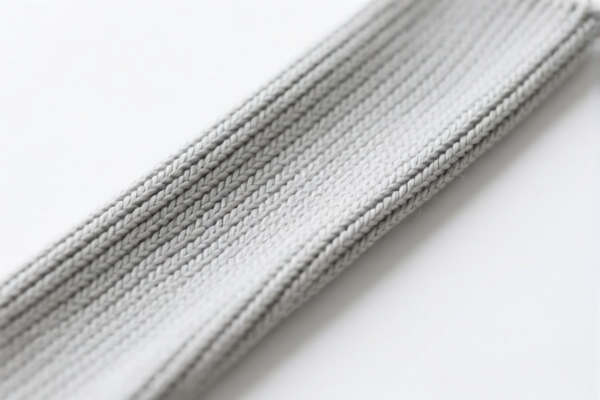
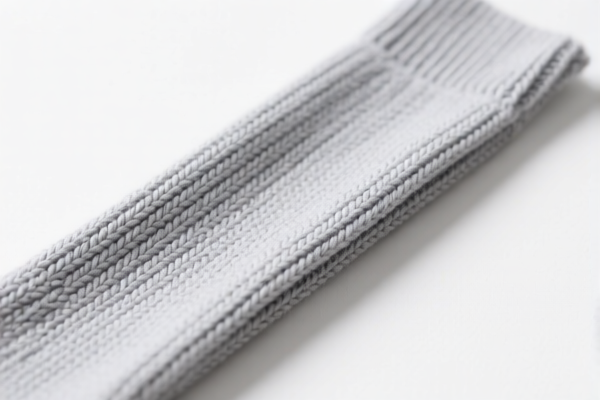
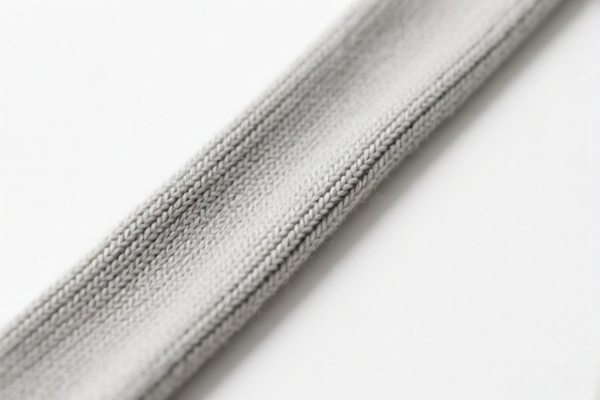
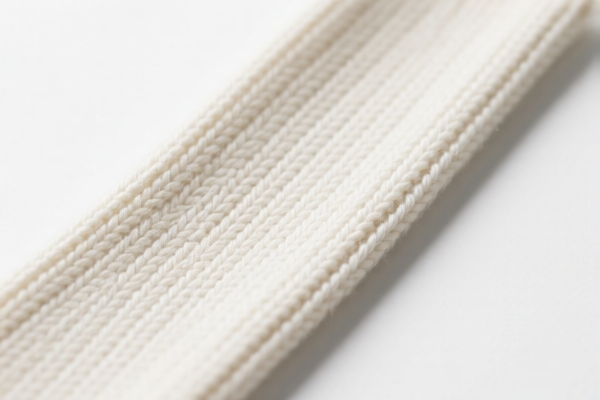
AI Analysis
🌿 Crinkled Fabric (褶皱布料)
🌐 HS Code Classification & Customs Clearance Guide | 2026 Latest Tariff Rules | Pro-Level Import Strategy
📌 One: Product Definition & Classification – What Exactly Is “Crinkled Fabric”?
Crinkled fabric is a textile characterized by intentional surface wrinkles or texture, created through mechanical treatment, chemical processes, or special weaving techniques. It is widely used in fashion, home textiles, and industrial applications due to its unique visual appeal and tactile quality.
In international trade, such fabrics are classified under textile categories, based on: - Material composition (cotton, synthetic fibers, blended fibers) - Manufacturing process (woven, knitted, non-woven) - Surface treatment (crimped, pleated, embossed, or textured)
⚠️ Critical Distinction:
- If the fabric is textured but not coated or laminated, it falls under basic textile HS codes.
- If it’s coated, impregnated, or layered with resin, it may fall under technical textiles or specialty coated fabrics.
📦 Two: HS Code Classification Details (2026 Updated Tariff Matrix)
| HS Code | Product Description | Applicable Use Case | Material Type | Tax Rate |
|---|---|---|---|---|
6307.90.89.95 |
Crinkled fabric, textile in form of fabric, cotton or fiber-based, not specified elsewhere | Fashion garments, home décor, accessories | Cotton / Fiber-based | 17.0% |
6307.90.98.91 |
Crinkled fabric, semi-finished or finished textile product, other made-up articles | Garments, drapes, upholstery, craft materials | Mixed fiber / Textile product | 24.5% |
5907.00.35.00 |
Fabric coated, impregnated, or covered with rubber or plastics, including crinkled types | Industrial textiles, protective gear, outdoor gear | Coated / Layered fabric | 43.0% |
5407.51.00.40 |
Crinkled synthetic fiber fabric (e.g., polyester, nylon), woven or knitted | High-performance apparel, sportswear, technical textiles | Synthetic fiber | 49.9% |
5907.00.15.00 |
Crinkled fabric, textile material with fiber-based surface, not specified elsewhere | General textile use, crafts, packaging | Fiber-based / Untreated | 43.0% |
🔍 Key Insight:
- "Crinkled" is not a standalone classification criterion – it’s the form, material, and treatment that determine the HS code. - If no coating or lamination is present, it falls under 6307.90.89.95 / 6307.90.98.91. - If coated, layered, or impregnated, it moves to 5907.00.xxxx – with significantly higher tariffs.
💰 Three: 2026 Latest Tariff Breakdown (With Detailed Duty Clauses)
✅ Applicable Country: United States (US)
✅ Origin: China (CN)
✅ Effective Date: November 10, 2025 (including future imports)
🎯 1. 6307.90.89.95 — Crinkled Fabric (Cotton/Fiber-Based, No Coating)
| Item | Detail |
|---|---|
| Base Tariff | 7.0% (ad valorem) |
| Section 301 (USITC) Additional Duty | 0.0% |
| Section 122 (IEEPA) Emergency Tariff | 10.0% |
| Total Effective Rate | 17.0% |
| Tax Calculation | CIF Value × 17.0% |
| De Minimis Exemption | ✅ Yes (under 8% threshold) |
| Legal Basis Path | IEEPA:9903.01.25 → IEEPA:9903.01.24 → USITC:6307.90.89.95 |
📌 Explanation:
- This code applies to untreated, non-coated crinkled fabrics made from cotton or general fibers. - No Section 301 (USITC) duty applies here – only the IEEPA 10% emergency tariff. - De minimis (8%) applies, meaning shipments under $800 USD can be cleared without additional duty (if origin is China).
🎯 2. 6307.90.98.91 — Crinkled Fabric (Semi-Finished/Finished Product, Other Made-Up Articles)
| Item | Detail |
|---|---|
| Base Tariff | 7.0% |
| Section 301 (USITC) Additional Duty | 7.5% |
| Section 122 (IEEPA) Emergency Tariff | 10.0% |
| Total Effective Rate | 24.5% |
| Tax Calculation | CIF Value × 24.5% |
| De Minimis Exemption | ✅ Yes (if total duty < 8%) |
| Legal Basis Path | IEEPA:9903.01.25 → USITC:6307.90.98.91 → FOOTNOTE:9903.88.01 |
📌 Explanation:
- Applies to finished or semi-finished crinkled textile products (e.g., fabric used in garments, curtains, or crafts). - 7.5% Section 301 duty is active due to China-specific trade actions. - IEEPA 10% applies to all goods from China under emergency powers. - Total: 24.5% – higher than basic fabric, but still eligible for de minimis if below $800.
🎯 3. 5907.00.35.00 — Coated/Impregnated Crinkled Fabric (Rubber/Plastic Coated)
| Item | Detail |
|---|---|
| Base Tariff | 8.0% |
| Section 301 (USITC) Additional Duty | 25.0% |
| Section 122 (IEEPA) Emergency Tariff | 10.0% |
| Total Effective Rate | 43.0% |
| Tax Calculation | CIF Value × 43.0% |
| De Minimis Exemption | ❌ No (exceeds 8% threshold) |
| Legal Basis Path | IEEPA:9903.01.25 → USITC:5907.00.35.00 → FOOTNOTE:9903.88.01 |
📌 Explanation:
- Applies to crinkled fabrics with rubber, plastic, or resin coatings (e.g., waterproof, weather-resistant textiles). - 25% USITC Section 301 duty is mandatory for all Chinese-origin goods in this category. - IEEPA 10% applies regardless of product type. - No de minimis exemption – even small shipments face full duty.
🎯 4. 5407.51.00.40 — Crinkled Synthetic Fiber Fabric (e.g., Polyester, Nylon)
| Item | Detail |
|---|---|
| Base Tariff | 14.9% |
| Section 301 (USITC) Additional Duty | 25.0% |
| Section 122 (IEEPA) Emergency Tariff | 10.0% |
| Total Effective Rate | 49.9% |
| Tax Calculation | CIF Value × 49.9% |
| De Minimis Exemption | ❌ No |
| Legal Basis Path | IEEPA:9903.01.25 → USITC:5407.51.00.40 → FOOTNOTE:9903.88.01 |
📌 Explanation:
- Applies to synthetic fiber-based crinkled fabrics (e.g., polyester crinkle, nylon stretch). - Highest tariff rate in the list – due to high base rate + 25% USITC + 10% IEEPA. - No de minimis – all shipments must pay full duty. - Common in sportswear, activewear, and high-performance textiles.
🎯 5. 5907.00.15.00 — Crinkled Fabric (Fiber-Based, Not Elsewhere Specified)
| Item | Detail |
|---|---|
| Base Tariff | 8.0% |
| Section 301 (USITC) Additional Duty | 25.0% |
| Section 122 (IEEPA) Emergency Tariff | 10.0% |
| Total Effective Rate | 43.0% |
| Tax Calculation | CIF Value × 43.0% |
| De Minimis Exemption | ❌ No |
| Legal Basis Path | IEEPA:9903.01.25 → USITC:5907.00.15.00 → FOOTNOTE:9903.88.01 |
📌 Explanation:
- Used for crinkled fabrics that don’t fit into other subcategories but are fiber-based. - 25% USITC duty applies – same as coated fabrics. - No de minimis – high-risk for small shipments.
🛠️ Four: Customs Clearance Best Practices (Pro Tips to Avoid Delays & Penalties)
✅ 1. Required Documentation (Must-Have Checklist)
| Document | Required? | Why It Matters |
|---|---|---|
| ✅ Product Specifications | ✔️ | Confirm material (cotton, synthetic), treatment (coated?), and structure |
| ✅ Fabric Test Report | ✔️ | Prove material composition (e.g., cotton vs. polyester) |
| ✅ Product Photos (with texture) | ✔️ | Show crinkled surface, no coating |
| ✅ Commercial Invoice | ✔️ | Must state “Crinkled Fabric, Woven, Cotton-Based” |
| ✅ Certificate of Origin (CO) | ✔️ | Critical for de minimis & tariff eligibility |
| ✅ Packing List | ✔️ | Clarify quantity, weight, and packaging |
| ✅ Third-Party Lab Test (FCC, RoHS, REACH) | ✔️ | If used in apparel or home goods |
✅ 2.申报技巧 (Key Rules to Remember)
🔥 “Material First, Texture Second, Coating Last!”
| Scenario | Correct HS Code | Wrong Code | Risk |
|---|---|---|---|
| Crinkled cotton fabric, no coating | 6307.90.89.95 |
5907.00.35.00 |
36% higher duty |
| Crinkled polyester fabric | 5407.51.00.40 |
6307.90.89.95 |
32.9% higher duty |
| Crinkled fabric with plastic coating | 5907.00.35.00 |
6307.90.98.91 |
28.5% higher duty |
| Crinkled fabric used in garments | 6307.90.98.91 |
6307.90.89.95 |
7.5% higher duty |
✅ 3. Special Cases & Solutions
| Situation | Recommended Action |
|---|---|
| Fabric is crinkled but coated | Use 5907.00.35.00 or 5907.00.15.00 – do not use textile-only codes |
| Fabric is synthetic (polyester/nylon) | Use 5407.51.00.40 – highest tariff applies |
| Small shipment (< $800) | Use 6307.90.89.95 or 6307.90.98.91 – de minimis applies |
| Shipment > $800 | Do NOT rely on de minimis – calculate full duty |
| Uncertain material | Request pre-ruling (Advance Ruling) from U.S. Customs |
🌍 Five: Global Market Tariff Comparison (2026)
| Country | Recommended HS Code | Tariff | Certification | Notes |
|---|---|---|---|---|
| 🇺🇸 USA | 6307.90.89.95 |
17.0% | None (if de minimis) | High risk if coated/synthetic |
| 🇨🇳 China | 6307.90.89.95 |
5% | CCC | No extra tariffs |
| 🇪🇺 EU | 6307.90.89.95 |
0% (if CE) | CE | No additional duties |
| 🇦🇺 Australia | 6307.90.89.95 |
5% | RCM | No extra taxes |
| 🇯🇵 Japan | 6307.90.89.95 |
0% | PSE | No extra duties |
📌 Conclusion:
- The U.S. is the only market imposing high-tier tariffs on crinkled fabric. - China-origin synthetic or coated fabrics face 43–49.9% tariffs. - De minimis only applies to cotton-based, non-coated fabrics.
📌 Six: Common Mistakes & How to Avoid Them (Real-World Pitfalls)
❌ Mistake 1: Calling a coated crinkled fabric “cotton fabric”
👉 Result: Underpaid duty, penalties, and seizure.
❌ Mistake 2: Using 6307.90.89.95 for polyester crinkle fabric
👉 Result: 32.9% underpayment → fines + back duty.
❌ Mistake 3: Assuming de minimis applies to all crinkled fabrics
👉 Result: $500 shipment pays $215 in duty (43%) – no exemption.
✅ Correct Approach:
“Crinkled Fabric, 100% Cotton, Woven, Uncoated, Used in Home Textiles – HS: 6307.90.89.95”
🎯 Seven: Final Verdict – Smart Importing Starts with Accurate Classification!
🎯 Remember the Golden Rule:
🔹 “Material > Texture > Coating”
🔹 “Cotton = Lower Tax, Synthetic = Higher Tax, Coated = Highest Tax”
🔹 “De minimis only applies to non-coated, cotton-based fabrics under $800”
📌 Pro Tip:
If your crinkled fabric is from Vietnam, Mexico, Thailand, or India, you may avoid Section 301 and IEEPA tariffs.
👉 Switch origin? Contact your supplier to explore non-China production.
📣 Take Action Now:
📞 Contact a licensed customs broker + provide fabric test report + photos
🚀 Apply for HS Code Pre-Ruling (Advance Ruling) to lock in tariff rate
💼 Avoid surprises – classify correctly, pay less, ship faster!
✨ Precision Classification = Smooth Clearance = Profit Protection!
💼 Your next shipment shouldn’t be held up by a single wrong code!
Customer Reviews
About HS Code Classification
The Harmonized System (HS) is an internationally standardized nomenclature developed by the World Customs Organization (WCO) to classify traded products. Over 200 countries use the HS system as the basis for customs tariffs, trade statistics, and import/export regulations.
Each HS code follows a hierarchical structure:
- Chapter (2 digits) — Broad category of goods (e.g., Chapter 84: Machinery and Mechanical Appliances)
- Heading (4 digits) — More specific grouping within the chapter
- Subheading (6 digits) — Internationally standardized breakdown, used by all WCO member countries
- National subdivisions (8-10 digits) — Country-specific extensions for further classification, such as US HTSUS 10-digit codes
Correct HS code classification is essential for smooth customs clearance, accurate duty payment, and compliance with trade regulations. Misclassification can lead to customs delays, overpayment of duties, or penalties.
When importing from CN to US, the applicable tariff rates may include:
- Most-Favored-Nation (MFN) rate — The standard duty rate applied to WTO members
- General rate — Applied to countries without trade agreements
- Trade remedy duties — Additional tariffs such as Section 301 (anti-dumping), Section 232 (national security), or countervailing duties
The information provided on this page is for reference purposes only. For official classification, please consult with your local customs authority or a licensed customs broker.