Crochet Coat
CN → US| HS Code | Tariff Rate | Origin | Destination | Doc |
|---|---|---|---|---|
| 6103398030 | 23.1% | CN | US | Official Doc |
| 6103398010 | 23.1% | CN | US | Official Doc |
| 6104392090 | 17.5% | CN | US | Official Doc |
| 6103391000 | 32.4% | CN | US | Official Doc |
| 6110303059 | 42.0% | CN | US | Official Doc |
Product Images
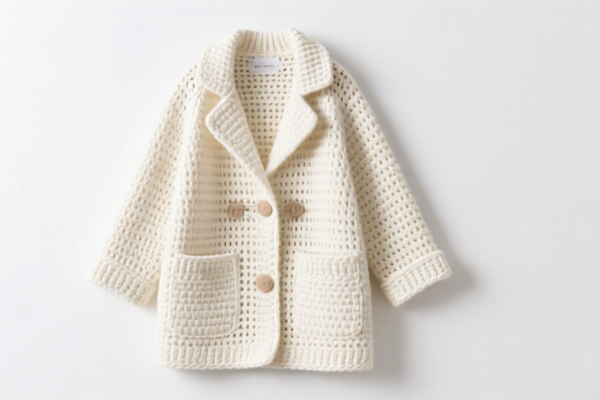
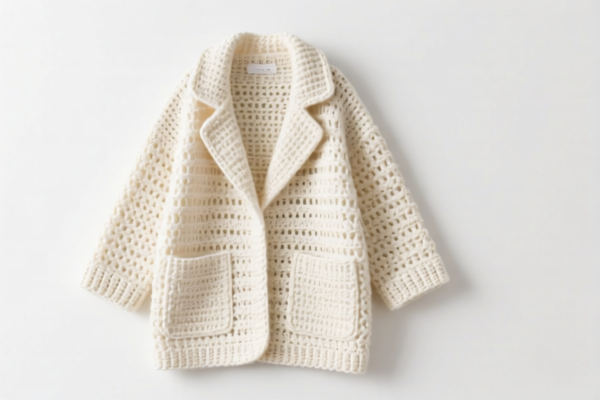
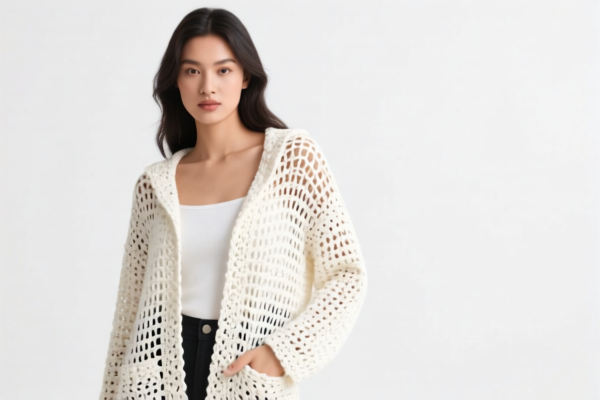
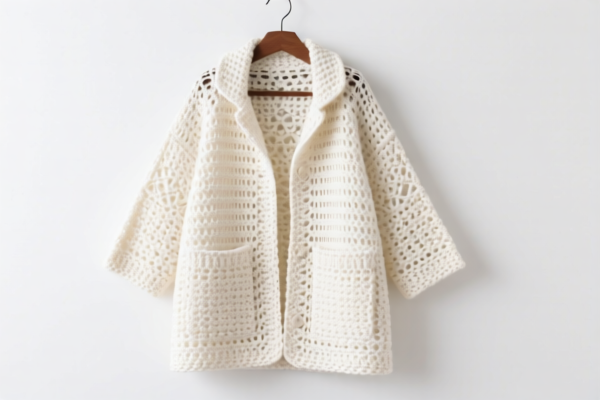
AI Analysis
🧥 Crochet Coat (钩针西装/外套)
🌐 HS Code Reference & Customs Clearance Guide | 2026 Latest Tariff Analysis | Professional Clearance Strategy
📌 1. Product Definition & Classification: Do You Really Understand "Crochet Coat"?
A "Crochet Coat" in international trade is generally classified under Chapter 61: Articles of Apparel and Clothing Accessories, Knitted or Crocheted. The specific HS Code depends heavily on:
1. Gender: Men/Boys vs. Women/Girls.
2. Material: Man-made fibers vs. Other textile materials.
3. Construction: Knitted vs. Crocheted.
4. Specific Form: Suit jacket vs. Sweater-type.
⚠️ Key Classification Points:
- Women’s vs. Men’s: Women’s suits/coats typically fall under 6104, while Men’s/Boys’ fall under 6103.
- Material Matters: "Man-made fibers" (synthetic) often have higher base tariffs than "Other textile materials" (natural/blend).
- Structure: If it’s a structured "suit jacket" (6103/6104), tariffs may differ from "sweaters" (6110).
📦 2. HS Code Classification Details (2026 Latest Tariff Authoritative Comparison)
| HS Code | Product Description | Application Scenario | Material Inference |
|---|---|---|---|
6103.39.80.30 |
Crochet suit, knitted/crocheted, men/boys | Men’s crochet suit jacket | Man-made fibers (Limited category) |
6103.39.80.10 |
Crochet suit, knitted/crocheted, men/boys | Men’s crochet suit jacket | Other textile materials |
6104.39.20.90 |
Crochet suit, crocheted, women/girls | Women’s crochet suit jacket | Other textile materials |
6103.39.10.00 |
Crochet suit, knitted/crocheted, men/boys (Souter) | Men’s crochet suit outerwear | Man-made fibers / Other textiles |
6110.30.30.59 |
Crochet suit, knitted/crocheted, women/girls | Women’s crochet sweater-style coat | Fiber material |
🔍 Important Note:
-6103is for Men/Boys,6104is for Women/Girls.
-6110is for Sweaters (pullover/knitwear), often used for loose, cardigan-style crochet coats.
- "Other textile materials" usually implies natural fibers (cotton, wool, silk) or blends, while "Man-made fibers" implies synthetic (polyester, acrylic).
💰 3. 2026 Latest Tariff Rate Details (Including Additional Taxes & Policy Surcharges)
✅ Applicable Country: United States (US)
✅ Country of Origin: China (CN)
✅ Effective Date: 2025/2026 (Includes subsequent imports)
🎯 1. 6103.39.80.30 —— Men’s Crochet Suit (Man-made Fibers)
| Item | Content |
|---|---|
| Base Tariff | 5.6% |
| Section 301 Tariff | 7.5% |
| Section 122 Tariff | 10% |
| Total Tariff | 23.1% |
| Tax Calculation | CIF Value × 23.1% |
| De Minimis Exemption | ❌ Not Applicable (Not eligible for de minimis) |
| Legal Basis Path | Base: 5.6% → 301: 7.5% → 122: 10% |
📌 Explanation:
- Base Tariff (5.6%): Standard MFN rate for men’s suits of man-made fibers.
- Section 301 (7.5%): Additional tariff on Chinese goods under Trade Act Section 301.
- Section 122 (10%): Additional tariff under Section 122 of the Trade Expansion Act (national security/imports).
- Total: 23.1%. This is a moderate-to-high tariff for apparel.
🎯 2. 6103.39.80.10 —— Men’s Crochet Suit (Other Textile Materials)
| Item | Content |
|---|---|
| Base Tariff | 5.6% |
| Section 301 Tariff | 7.5% |
| Section 122 Tariff | 10% |
| Total Tariff | 23.1% |
| Tax Calculation | CIF Value × 23.1% |
| De Minimis Exemption | ❌ Not Applicable |
| Legal Basis Path | Base: 5.6% → 301: 7.5% → 122: 10% |
📌 Note:
- Same total tariff as6103.39.80.30, but the base material differs.
- "Other textile materials" often includes cotton, wool, or blends. Ensure accurate material declaration.
🎯 3. 6104.39.20.90 —— Women’s Crochet Suit (Other Textile Materials)
| Item | Content |
|---|---|
| Base Tariff | 0.0% |
| Section 301 Tariff | 7.5% |
| Section 122 Tariff | 10% |
| Total Tariff | 17.5% |
| Tax Calculation | CIF Value × 17.5% |
| De Minimis Exemption | ❌ Not Applicable |
| Legal Basis Path | Base: 0.0% → 301: 7.5% → 122: 10% |
📌 Note:
- Lower Total Tariff (17.5%) due to a 0% base tariff for women’s suits of other textile materials.
- This is a cost-effective option for women’s crochet coats if made from natural fibers or blends.
🎯 4. 6103.39.10.00 —— Men’s Crochet Suit (Man-made/Other Fibers)
| Item | Content |
|---|---|
| Base Tariff | 14.9% |
| Section 301 Tariff | 7.5% |
| Section 122 Tariff | 10% |
| Total Tariff | 32.4% |
| Tax Calculation | CIF Value × 32.4% |
| De Minimis Exemption | ❌ Not Applicable |
| Legal Basis Path | Base: 14.9% → 301: 7.5% → 122: 10% |
📌 Note:
- Highest Total Tariff (32.4%) among men’s codes.
- The base tariff (14.9%) is significantly higher, likely due to specific subcategory rules for suit outerwear.
- Avoid this code if possible for men’s products due to high cost.
🎯 5. 6110.30.30.59 —— Women’s Crochet Sweater/Coat (Fiber Material)
| Item | Content |
|---|---|
| Base Tariff | 32.0% |
| Section 301 Tariff | 0.0% |
| Section 122 Tariff | 10% |
| Total Tariff | 42.0% |
| Tax Calculation | CIF Value × 42.0% |
| De Minimis Exemption | ❌ Not Applicable |
| Legal Basis Path | Base: 32.0% → 301: 0.0% → 122: 10% |
📌 Note:
- Highest Total Tariff (42.0%).
- High base tariff (32.0%) for sweaters/knitwear.
- Although Section 301 is 0%, the base rate makes this the most expensive option.
- Use only if the product is definitively classified as a "sweater" and not a "suit."
🛠️ 4. Customs Clearance Practical Advice (Battle-Tested Pitfall Avoidance)
✅ 1. Documentation Checklist (Mandatory)
| Document | Required | Description |
|---|---|---|
| ✅ Product Specification Sheet | ✔️ | Includes fiber composition %, crochet technique, size chart |
| ✅ Product Photos (Front/Back/Label) | ✔️ | Clear view of stitching, lining, buttons, and hangtags |
| ✅ Commercial Invoice | ✔️ | Must state "Crochet Suit/Coat" and correct HS Code |
| ✅ Packing List | ✔️ | Item-by-item breakdown |
| ✅ Certificate of Origin (CO) | ✔️ | If claiming any preference (though unlikely for US/China) |
| ✅ Fiber Content Declaration | ✔️ | Critical for correct HS classification (Man-made vs. Other) |
✅ 2. Declaration Tips (Key Mantra)
🔥 "Material Defines Base, Gender Defines Chapter, Structure Defines Subcategory!"
| Scenario | Correct Declaration | Incorrect Practice |
|---|---|---|
| Men’s suit jacket | 6103.39.xxxx |
Misclassify as 6110 (sweater) → 32.4% vs 42.0% |
| Women’s suit jacket | 6104.39.xxxx |
Misclassify as 6103 → Wrong chapter, penalties |
| Women’s open-front cardigan | 6110.30.xxxx |
Misclassify as 6104 suit → 42.0% vs 17.5% |
| Mixed material (Cotton/Acrylic) | Declare as "Other Textile Materials" if >50% natural | Declare as "Man-made" if misleading → 23.1% vs 17.5% |
✅ 3. Special Case Handling
| Situation | Handling Advice |
|---|---|
| OEM Custom Crochet | Provide design sketches and material spec sheets to prove "suit" vs "sweater" structure. |
| Lined vs. Unlined | Lined items may be classified differently; always declare lining material. |
| Mixed Shipment | Separate declarations for Men’s (6103) and Women’s (6104) goods to avoid confusion. |
| "Suit" Definition | Must resemble a jacket (lapels, structure). If it’s loose/knit, it’s a "sweater" (6110). |
🌍 5. Global Market Customs Comparison (2026 Latest)
| Country/Region | Recommended HS Code | Tariff (China Origin) | Certification Requirements | Notes |
|---|---|---|---|---|
| 🇺🇸 USA | 6104.39.20.90 (Women) |
17.5% | None | Best option for women. Men’s options are 23-42%. |
| 🇨🇳 China | 6103/6104 |
5-10% | None | Domestic trade has lower tariffs. |
| 🇪🇺 EU | 6104/6103 |
12% | CE (if functional) | Standard WTO rates; no Section 301/122. |
| 🇬🇧 UK | 6104/6103 |
12% | UKCA | Post-Brexit rules; similar to EU. |
| 🇦🇺 Australia | 6104/6103 |
5% | N/A | Low tariff, no major surcharges. |
📌 Conclusion:
- USA has the most complex tariff structure due to Section 301 and Section 122.
- Women’s crochet coats (6104) have the lowest total tariff (17.5%) in the US market.
- Men’s crochet coats are costly (23-42%), so careful classification is essential.
📌 6. Common Mistakes & Pitfall Avoidance (Blood & Tears Lessons)
❌ Mistake 1: Classifying a women’s loose crochet cardigan as a "Suit" (6104)
👉 Consequence: If it’s actually a sweater, it might be 6110 (42%). If declared as suit, you might pay 17.5%, but if challenged, penalties apply.
✅ Correct: If it’s open-front and sweater-like, use 6110. If structured, use 6104.
❌ Mistake 2: Ignoring Fiber Composition
👉 Consequence: Declaring "Cotton" when it’s "Acrylic" changes 6103.39.80.10 (23.1%) to 6103.39.80.30 (23.1%)? No, wait:
- 6103.39.80.10 (Other textiles): 23.1%
- 6103.39.80.30 (Man-made): 23.1%
- Actually, for men, the total is the same, but base tariff differs. For women, 6104.39.20.90 (Other textiles) is 17.5%. If you declare synthetic, you might miss out on the lower base rate if a specific synthetic subcode has different rates.
✅ Correct: Always declare exact fiber content (e.g., "100% Acrylic" vs "50% Cotton/50% Acrylic").
❌ Mistake 3: Missing Section 122 Tariff
👉 Consequence: Only paying 301 tariff (7.5%) and missing 122 (10%).
✅ Correct: Assume 23.1% minimum for men’s suits and 17.5% for women’s suits (other textiles).
🎯 7. Conclusion: Professional Declaration, Save Time, Cut Costs!
🎯 Remember the Mantra:
🔹 "Women’s Suit: 17.5% (Best Deal)"
🔹 "Men’s Suit: 23.1% (Standard)"
🔹 "Men’s Suit (Other Code): 32.4% (Expensive)"
🔹 "Women’s Sweater: 42.0% (Avoid if Possible)"
📌 Pro Tip:
If your crochet coat is originating from Vietnam, India, or Bangladesh, you may qualify for duty-free or lower tariffs under various FTAs (e.g., GSP, ASEAN).
Recommendation: Apply for Advance Ruling before shipment to confirm the correct HS Code and tariff rate.
📣 Immediate Action:
📞 Contact a professional customs broker + Provide product photos + Request HS Code Pre-ruling
🚀 Ensure your crochet coats clear customs smoothly, minimize taxes, and maximize profit!
✨ Professional clearance starts with accurate classification!
💼 Every cent of your cost deserves precise calculation!
Customer Reviews
About HS Code Classification
The Harmonized System (HS) is an internationally standardized nomenclature developed by the World Customs Organization (WCO) to classify traded products. Over 200 countries use the HS system as the basis for customs tariffs, trade statistics, and import/export regulations.
Each HS code follows a hierarchical structure:
- Chapter (2 digits) — Broad category of goods (e.g., Chapter 84: Machinery and Mechanical Appliances)
- Heading (4 digits) — More specific grouping within the chapter
- Subheading (6 digits) — Internationally standardized breakdown, used by all WCO member countries
- National subdivisions (8-10 digits) — Country-specific extensions for further classification, such as US HTSUS 10-digit codes
Correct HS code classification is essential for smooth customs clearance, accurate duty payment, and compliance with trade regulations. Misclassification can lead to customs delays, overpayment of duties, or penalties.
When importing from CN to US, the applicable tariff rates may include:
- Most-Favored-Nation (MFN) rate — The standard duty rate applied to WTO members
- General rate — Applied to countries without trade agreements
- Trade remedy duties — Additional tariffs such as Section 301 (anti-dumping), Section 232 (national security), or countervailing duties
The information provided on this page is for reference purposes only. For official classification, please consult with your local customs authority or a licensed customs broker.