Crochet High Waist Long Pants
CN → US| HS Code | Tariff Rate | Origin | Destination | Doc |
|---|---|---|---|---|
| 6103421020 | 33.6% | CN | US | Official Doc |
| 6104698038 | 23.1% | CN | US | Official Doc |
| 6114200060 | 28.3% | CN | US | Official Doc |
| 6114303070 | 32.4% | CN | US | Official Doc |
| 6103498024 | 23.1% | CN | US | Official Doc |
Product Images
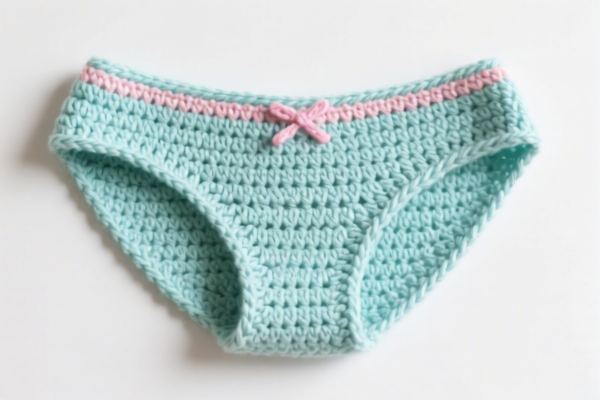
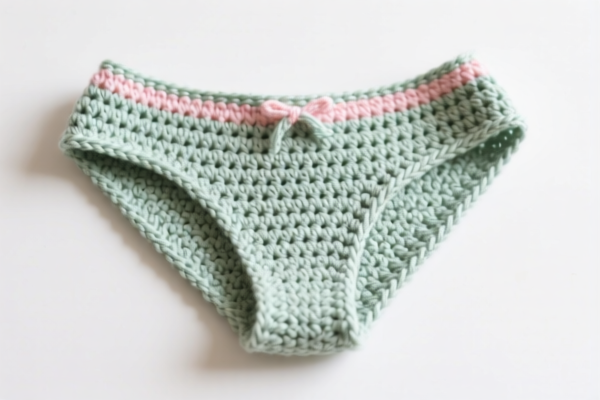
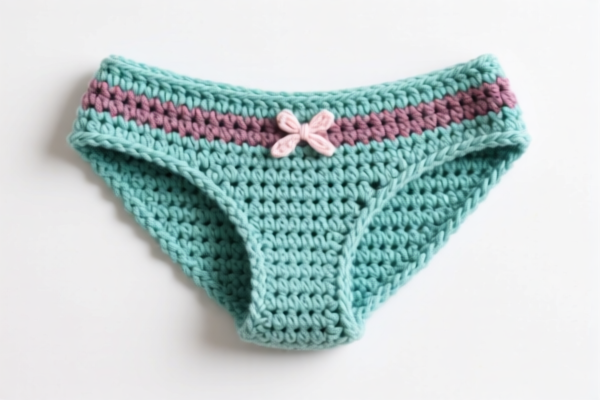

AI Analysis
🧶 Crochet High Waist Long Pants (High-Waisted Crocheted Trousers)
🌐 HS Code Reference & Customs Clearance Guide | 2026 Latest Tariff Analysis | Strategic Compliance Strategy
📌 I. Product Definition & Classification: Do You Truly Understand "Crochet Pants"?
Crochet high-waisted long pants are fashion garments characterized by a high-rise waistline and a legging/trouser silhouette, manufactured using crochet techniques (a form of needlework where yarn is looped with a hooked needle). In international trade, these items fall under Knitted or Crocheted Apparel. The critical classification challenge lies in determining the material composition (Cotton vs. Other Textile Fibers) and the specific garment structure (Trousers vs. Other Knitted Articles), as these factors drastically impact the duty rate.
⚠️ Key Classification Distinctions:
- Material Matters: If the yarn is predominantly Cotton, it falls under Chapter 61, Heading 6103 or 6114 with cotton-specific subheadings. If it is Synthetic/Acrylic/Wool/Blends (non-cotton), it falls under different subheadings (e.g., 6104 or 6114 with "other textile materials").
- Structure Matters: Are they strictly "Trousers" (6103.42 / 6104.69) or broader "Other Knitted/Crocheted Apparel" (6114)? While 6114 is often used for loose-fitting crochet garments, specific "pants" are more precisely classified under 6103/6104 if they have a defined trouser structure (fly, pockets, etc.). However, many customs authorities allow 6114 for intricate crochet pieces due to their unique construction.
📦 II. HS Code Classification Details (2026 Latest Tariff Authority Comparison)
Based on the provided dataset, here are the 5 potential HS Codes for Crochet High Waist Long Pants, ranked by tax efficiency and classification logic.
| HS Code | Product Description | Material Inference | Application Scenario | Total Tax Rate |
|---|---|---|---|---|
6104.69.80.38 |
High-Waist Crochet Pants, Matching Form (Pants) & Craft (Crochet), Material: Other Textile Materials | Non-Cotton (Synthetic/Acrylic/Wool/Blends) | Most common for fashion crochet pants (often acrylic or blended yarns). | 23.1% |
6103.49.80.24 |
High-Waist Crochet Pants, Matching Form (Pants) & Material (Crochet belongs to Knitted/Crocheted), No Material Conflict. | Non-Specific/General | Alternative for non-cotton pants, general "other" category. | 23.1% |
6114.20.00.60 |
High-Waist Crochet Pants, Matching Form (Knitted/Crocheted) & Use (Non-Upper Garment), Material: Cotton or Fiber. | Cotton or General Fiber | Typically used if the material is Cotton but classified under "Other" than specific cotton trouser codes. | 28.3% |
6114.30.30.70 |
High-Waist Crochet Pants, Matching Form (Knitted/Crocheted) & Use (Women's), Material: Fiber Class. | Women's Specific | If specifically marketed/registered as Women's garments under broader fiber categories. | 32.4% |
6103.42.10.20 |
High-Waist Crochet Pants, Matching Form (Crochet/Knitted) & Use (Pants), Material Inferred as Cotton or Fiber Blend. | Cotton | Precise match for Cotton trousers if 6103.49 is rejected. Highest tax among options. | 33.6% |
🔍 Critical Insight:
- Lowest Tax (23.1%): Achieved via6104.69.80.38or6103.49.80.24. These codes assume Non-Cotton materials or general "Other" categories.
- Highest Tax (33.6%):6103.42.10.20is the most specific for Cotton pants but incurs the highest base tariff (16.1%).
- The "Cotton Trap": If your pants are made of Cotton, using6104(Non-Cotton) codes may lead to customs disputes and penalties. Conversely, if they are Acrylic/Synthetic, using6103.42(Cotton) is incorrect.
💰 III. 2026 Latest Tariff Rate Breakdown (Including Surcharges & Policy Add-ons)
✅ Applicable Country: United States (US)
✅ Origin: China (CN)
✅ Effective Time: 2025/2026 (Current Policy Cycle)
🎯 1. 6104.69.80.38 & 6103.49.80.24 —— The "Lowest Tax" Winners
| Item | Content |
|---|---|
| Base Tariff | 5.6% (Ad Valorem) |
| Section 301 Surcharge | +7.5% (List 3/4 Exclusions may not apply to crochet apparel) |
| Section 122 Tariff | +10% (Specific provision for certain textile/apparel items from China) |
| Total Tax Rate | 23.1% |
| Tax Calculation | CIF Value × 23.1% |
| De Minimis Exemption? | ❌ No (Deny De Minimis) |
| Legal Basis Path | Section 301: 9903.01.76 → Section 122: 9903.01.25 → USITC: 6104.69.80.38 |
📌 Explanation:
- The 5.6% base rate is standard for "Other women’s knit trousers" or "Other men’s boys’ knit trousers."
- The 7.5% is a standard Section 301 duty for many apparel items.
- The 10% is a critical Section 122 duty, specifically targeting certain textile imports from China to protect domestic manufacturing.
- Total: 23.1%. This is the most favorable rate for non-cotton crochet pants.
🎯 2. 6114.20.00.60 —— The "Cotton/General Fiber" Middle Ground
| Item | Content |
|---|---|
| Base Tariff | 10.8% |
| Section 301 Surcharge | +7.5% |
| Section 122 Tariff | +10% |
| Total Tax Rate | 28.3% |
| Tax Calculation | CIF Value × 28.3% |
| De Minimis Exemption? | ❌ No |
| Legal Basis Path | Section 301 → Section 122 → USITC: 6114.20.00.60 |
📌 Explanation:
-6114covers "Other garments." The base rate is higher than specific trouser codes.
- Often used if the crochet pattern is so complex it doesn't fit standard "trouser" definitions, or if material is ambiguous.
🎯 3. 6114.30.30.70 —— Women’s Specific Fiber Class
| Item | Content |
|---|---|
| Base Tariff | 14.9% |
| Section 301 Surcharge | +7.5% |
| Section 122 Tariff | +10% |
| Total Tax Rate | 32.4% |
| Tax Calculation | CIF Value × 32.4% |
📌 Explanation:
- Higher base tariff due to specific "Women's" classification under broader fiber categories. Avoid unless necessary.
🎯 4. 6103.42.10.20 —— The "Cotton" Premium
| Item | Content |
|---|---|
| Base Tariff | 16.1% |
| Section 301 Surcharge | +7.5% |
| Section 122 Tariff | +10% |
| Total Tax Rate | 33.6% |
| Tax Calculation | CIF Value × 33.6% |
| De Minimis Exemption? | ❌ No |
📌 Explanation:
- This is the most expensive option.
- Only use if the product is 100% Cotton or primarily cotton, and customs rejects6103.49.
- Cotton apparel from China faces some of the highest combined duties due to historical trade tensions.
🛠️ IV. Customs Clearance Practical Advice (Real-World Pitfall Avoidance)
✅ 1. Documentation Checklist (Missing Items = Delays)
| Document | Mandatory? | Note |
|---|---|---|
| ✅ Product Specification Sheet | ✔️ | Must specify Fiber Content % (e.g., "100% Acrylic" vs. "100% Cotton"). This is the #1 determinant for HS Code. |
| ✅ Product Photos (Clear & Detailed) | ✔️ | Show the crochet texture, high-waist detail, and full garment structure. |
| ✅ Commercial Invoice | ✔️ | Must explicitly state: "Crochet High-Waist Long Pants, [Material], Knitted/Crocheted." |
| ✅ Packing List | ✔️ | List items per box. Avoid mixing with non-apparel items. |
| ✅ Certificate of Origin (CO) | ✔️ | Required for Section 301 determination. |
| ✅ Fiber Content Label Photo | ✔️ | Proof of material composition. |
✅ 2. Declaration Strategy (Key Mnemonic)
🔥 “Material First, Craft Second, Structure Third! Misdeclare Material = Penalty!”
| Scenario | Correct HS Code | Incorrect Action |
|---|---|---|
| Acrylic/Synthetic Crochet Pants | 6104.69.80.38 (23.1%) |
Declaring as Cotton → Penalty + Back Taxes |
| Cotton Crochet Pants | 6103.42.10.20 (33.6%) |
Declaring as Synthetic → Penalty + Back Taxes |
| Ambiguous/Mixed Material | 6114.20.00.60 (28.3%) |
Guessing 6104/6103 → Customs Audit |
| Lace/Crochet Mix | 6114.30.30.70 (32.4%) |
Declaring as pure Cotton → Dispute |
✅ 3. Special Cases & Mitigation
| Situation | Recommendation |
|---|---|
| Customs Challenges "Crochet" as "Knitted" | Provide technical description: "Hand/hook made with continuous loop technique, not warp/knit machine." |
| High-Value Luxury Crochet Pants | Consider Advance Ruling from CBP to lock in the 23.1% rate if non-cotton. |
| Sample Imports | Mark as "Sample for Evaluation" but still declare proper HS Code; do not abuse de minimis for commercial quantities. |
| Section 122 Exemption Search | Check if your specific manufacturer/brand is on any exclusion lists (rare for apparel, but possible). |
🌍 V. Global Market Comparison (2026 Snapshot)
| Region | Recommended HS Code | Est. Total Duty (China Origin) | Key Certification |
|---|---|---|---|
| 🇺🇸 USA | 6104.69.80.38 |
23.1% | None (Apparel) |
| 🇪🇺 EU | 6104.69.90 |
12% + VAT | CE (if chemical-treated) |
| 🇬🇧 UK | 6104.69.90 |
12% + VAT | UKCA |
| 🇨🇦 Canada | 6104.69.90 |
17.5% + GST | None |
| 🇦🇺 Australia | 6104.69.90 |
10% + GST | None |
📌 Conclusion:
- The US has the most complex tariff structure due to Section 301 + Section 122.
- Material declaration accuracy is critical in the US. A mistake changes the duty from 23.1% to 33.6% (10.5% difference).
- In EU/UK/AU, the base tariff is lower, but VAT/GST applies on top.
📌 VI. Common Errors & Pitfalls (Blood Lessons)
❌ Error 1: Declaring Cotton pants under 6104 (Non-Cotton) to save tax.
👉 Consequence: Customs audit, seizure, back taxes + penalties (up to 3x duty).
❌ Error 2: Using 6114 (Other) for standard pants to avoid specific codes.
👉 Consequence: Higher duty (28.3%) or rejection for "insufficient specificity."
❌ Error 3: Not specifying "Crochet" in the description.
👉 Consequence: Customs may classify as "Woven" or "Knitted" (machine-made), leading to wrong duty assessment.
❌ Error 4: Ignoring Section 122.
👉 Consequence: Underpayment by 10%. CBP can audit up to 5 years back.
✅ Correct Declaration Example:
"Women's High-Waist Crochet Long Pants, 100% Acrylic, Hand-Hooked, Knitted/Crocheted Apparel, Model XYZ, Made in China."
🎯 VII. Conclusion: Precision Classification Saves Money!
🎯 Remember the Rule:
🔹 “Material Determines Code, Code Determines Tax!”
🔹 Non-Cotton: Aim for6104.69.80.38(23.1%).
🔹 Cotton: Prepare for6103.42.10.20(33.6%) or seek6114compromise (28.3%).
🔹 Never Guess Fiber Content: Always provide lab test reports.
📌 Pro Tip:
If you have mixed fibers (e.g., 55% Cotton / 45% Acrylic), the principal material determines the code. If cotton is >50%, you risk the higher cotton rate. Consider using non-cotton dominant blends to qualify for the 23.1% rate, if design allows.
📣 Immediate Action:
📞 Contact Your Customs Broker with a Fiber Content Test Report.
🚀 Apply for Pre-Ruling if the material is ambiguous.
💡 Optimize Supply Chain: Choose non-cotton yarns (Acrylic, Viscose, Nylon) for lower US duties.
✨ Professional Clearance Starts with Accurate Classification!
💼 Every 1% of duty saved is pure profit!
Customer Reviews
About HS Code Classification
The Harmonized System (HS) is an internationally standardized nomenclature developed by the World Customs Organization (WCO) to classify traded products. Over 200 countries use the HS system as the basis for customs tariffs, trade statistics, and import/export regulations.
Each HS code follows a hierarchical structure:
- Chapter (2 digits) — Broad category of goods (e.g., Chapter 84: Machinery and Mechanical Appliances)
- Heading (4 digits) — More specific grouping within the chapter
- Subheading (6 digits) — Internationally standardized breakdown, used by all WCO member countries
- National subdivisions (8-10 digits) — Country-specific extensions for further classification, such as US HTSUS 10-digit codes
Correct HS code classification is essential for smooth customs clearance, accurate duty payment, and compliance with trade regulations. Misclassification can lead to customs delays, overpayment of duties, or penalties.
When importing from CN to US, the applicable tariff rates may include:
- Most-Favored-Nation (MFN) rate — The standard duty rate applied to WTO members
- General rate — Applied to countries without trade agreements
- Trade remedy duties — Additional tariffs such as Section 301 (anti-dumping), Section 232 (national security), or countervailing duties
The information provided on this page is for reference purposes only. For official classification, please consult with your local customs authority or a licensed customs broker.