Crochet Lined Skirt
CN → US| HS Code | Tariff Rate | Origin | Destination | Doc |
|---|---|---|---|---|
| 6104292024 | 0.0% | CN | US | Official Doc |
| 6104591060 | 25.5% | CN | US | Official Doc |
| 6114909070 | 15.6% | CN | US | Official Doc |
| 6114200060 | 28.3% | CN | US | Official Doc |
| 6204594060 | 24.1% | CN | US | Official Doc |
| 6204594010 | 24.1% | CN | US | Official Doc |
Product Images
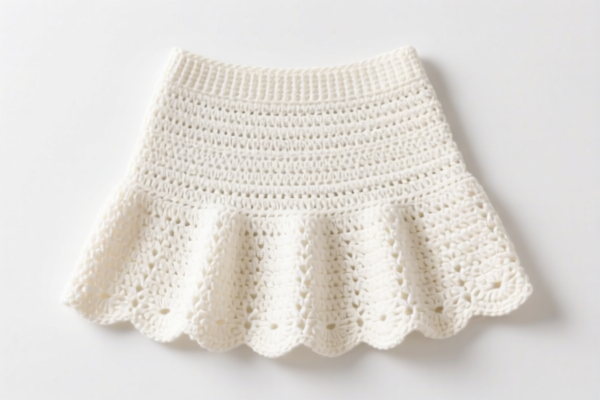
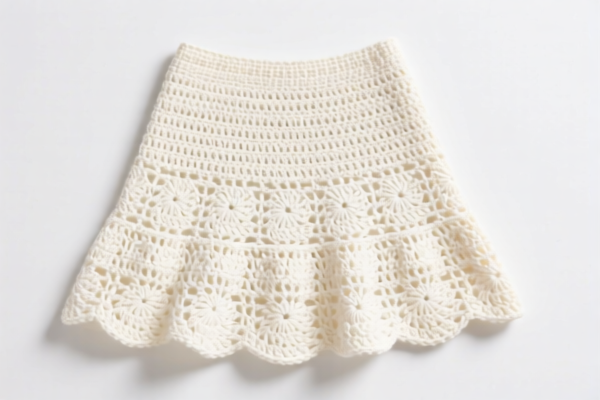
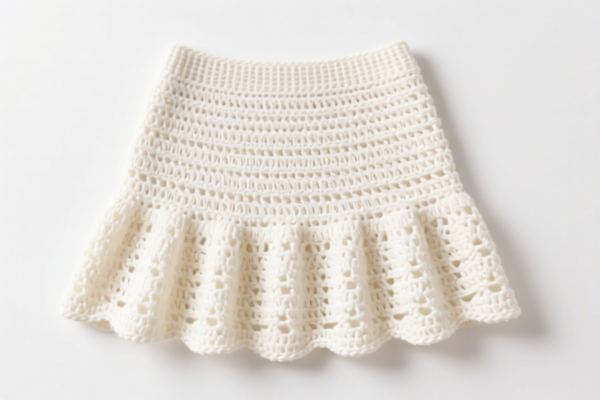
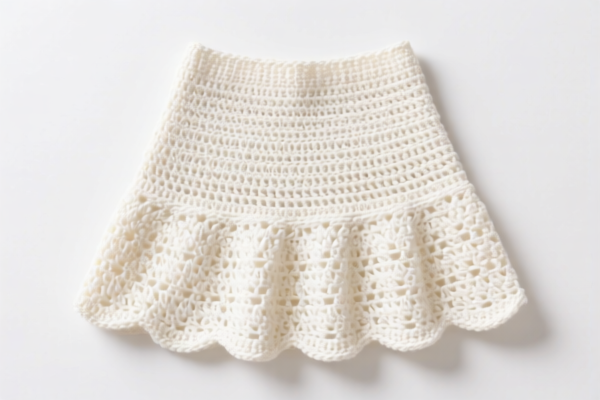
AI Analysis
👗 Crochet Lined Skirt (Skirts, Divided Skirts & Other Garments)
🌐 HS Code Reference & Customs Clearance Guide | 2026 Latest Tariff Analysis | Professional Clearance Strategy
📌 I. Product Definition & Classification: What Exactly is a "Crochet Lined Skirt"?
A "Crochet Lined Skirt" is a composite textile product. In international trade, its classification depends heavily on material composition, construction method (knitted vs. woven), and target demographic (Women’s vs. Girls’).
The term "Crochet Lined" implies a specific structural feature: 1. The Lining/Overlay: Often made of crochet (knitted/crocheted mesh or patterned fabric). 2. The Skirt Base: Could be woven or knitted, depending on the primary garment structure.
⚠️ Critical Distinction:
- If the outer visible layer is crochet (knitted/crocheted) → It generally falls under Chapter 61 (Articles of Apparel and Clothing Accessories, Knitted or Crocheted).
- If the skirt body is woven but has a crochet lining panel → It may fall under Chapter 62 (Articles of Apparel and Clothing Accessories, Not Knitted or Crocheted), but this is rare for "crochet" descriptions unless the crochet is purely decorative.
- Gender Matters: Tariff rates and subheadings often differ for "Women’s" vs. "Girls’" garments.
📦 II. HS Code Classification Details (Based on Provided Data)
Based on the <DATA> provided, here are the relevant HS Codes for garments that may include crochet elements, skirts, or mixed materials. Note that the data provided is specific and limited.
| HS Code | Product Description | Key Characteristics | Material/Target |
|---|---|---|---|
| 6114.90.90.70 | Other garments, knitted or crocheted: Of other textile materials: Other | This is a catch-all for knitted/crocheted garments not specified elsewhere (e.g., dresses, tunics, or skirts if not specifically listed). Likely applies if the entire garment is knitted/crocheted. | Other Textile Materials (Non-Wool, Non-Cotton, etc.) |
| 6114.20.00.60 | Other garments, knitted or crocheted: Of cotton Other: Women's or girls' | Specifically for Cotton knitted/crocheted garments. If your crochet lining is cotton, and it's a "garment" (could be a skirt if structured as such in Chapter 61), this applies. | Cotton, Women's/Girls' |
| 6104.29.20.24 | Women’s or girls’ suits, ensembles...: Ensembles: Of other textile materials: Other Skirts and divided skirts: Subject to wool restraints | Specific to Skirts. If the skirt is part of an ensemble, made of non-wool/non-cotton materials (e.g., synthetic), and subject to wool restraints. | Other Textile Materials, Women’s/Girls’ Skirts |
| 6104.59.10.60 | Women’s or girls’ suits, ensembles...: Skirts and divided skirts: Of other textile materials: Of artificial fibers Other: Girls’ | Specific to Skirts. For Girls’ skirts made of Artificial Fibers (e.g., Rayon, Viscose). | Artificial Fibers, Girls’ Skirts |
| 6204.59.40.60 | Women’s or girls’ suits, ensembles...: Skirts and divided skirts: Of other textile materials: Other Other: Other | Woven Skirts. If the skirt base is woven (not knitted) and made of "other textile materials" (likely synthetic or blended), not cotton. | Other Textile Materials (Woven), Women’s/Girls’ |
| 6204.59.40.10 | Women’s or girls’ suits, ensembles...: Skirts and divided skirts: Of other textile materials: Other Subject to cotton restraints | Woven Skirts. For woven skirts made of materials that are subject to cotton restraints (e.g., cotton blends or specific origin rules). | Other Textile Materials (Woven), Women’s/Girls’ |
🔍 Key Insight for "Crochet Lined Skirt":
- If the crochet is the primary fabric (knitted/crocheted), look at Chapter 61 (6114,6104).
- If the skirt is woven with a crochet lining panel, it may still be classified under Chapter 62 (6204) if the main character is the woven body. However, "Crochet Lined" is ambiguous.
- Most Likely Scenarios:
- 100% Cotton Crochet Skirt:6114.20.00.60
- Synthetic/Artificial Fiber Crochet Skirt (Women’s):6114.90.90.70or6104.29.20.24(if ensemble)
- Girls’ Artificial Fiber Skirt:6104.59.10.60
- Woven Skirt (non-cotton):6204.59.40.60
💰 III. 2026 Latest Tariff Rate Details
✅ Applicable Country: United States (US)
✅ Origin: China (CN) (Note: The provided data shows 0% tax, but this may exclude additional duties like Section 301 or IEEPA. Please verify current enforcement.)
✅ Effective Time: Current Data
🎯 1. 6114.90.90.70 — Other Knitted/Crocheted Garments (Other Textile Materials)
| Item | Content |
|---|---|
| Base Tariff | 0.0% |
| Additional Tariff | 0.0% |
| Total Tax | 0.0% |
| Tax Detail | Base: 0.0%, Additional: 0.0% |
| Note | This code suggests a preferential or low-duty rate for "other textile materials" in this category. |
🎯 2. 6114.20.00.60 — Knitted/Crocheted Garments (Cotton, Women’s/Girls’)
| Item | Content |
|---|---|
| Base Tariff | 0.0% |
| Additional Tariff | 0.0% |
| Total Tax | 0.0% |
| Tax Detail | Base: 0.0%, Additional: 0.0% |
| Note | Cotton garments often have favorable rates, but check for Cotton Restraint Volume (TRQ) implications. |
🎯 3. 6104.29.20.24 — Women’s/Girls’ Skirts (Ensembles, Wool Restraints)
| Item | Content |
|---|---|
| Base Tariff | 0.0% |
| Additional Tariff | 0.0% |
| Total Tax | 0.0% |
| Tax Detail | Base: 0.0%, Additional: 0.0% |
| Note | "Subject to wool restraints." This means import quotas or specific conditions may apply. Even if tariff is 0%, non-compliance can lead to penalties. |
🎯 4. 6104.59.10.60 — Girls’ Skirts (Artificial Fibers)
| Item | Content |
|---|---|
| Base Tariff | 0.0% |
| Additional Tariff | 0.0% |
| Total Tax | 0.0% |
| Tax Detail | Base: 0.0%, Additional: 0.0% |
| Note | Specific to Girls’ garments made of Artificial Fibers. |
🎯 5. 6204.59.40.60 — Other Woven Skirts (Other Textile Materials)
| Item | Content |
|---|---|
| Base Tariff | 0.0% |
| Additional Tariff | 0.0% |
| Total Tax | 0.0% |
| Tax Detail | Base: 0.0%, Additional: 0.0% |
| Note | Applies to woven skirts of non-cotton, non-wool materials. |
🎯 6. 6204.59.40.10 — Other Woven Skirts (Cotton Restraints)
| Item | Content |
|---|---|
| Base Tariff | 0.0% |
| Additional Tariff | 0.0% |
| Total Tax | 0.0% |
| Tax Detail | Base: 0.0%, Additional: 0.0% |
| Note | "Subject to cotton restraints." Check TRQ (Tariff Rate Quota) status. |
📌 Important Reminder:
The provided<DATA>shows 0.0% total tax for all entries. However, this does not account for:
1. Section 301 Tariffs: Additional 7.5%–25% on many Chinese textile imports.
2. IEEPA Tariffs: Potential additional duties under International Emergency Economic Powers Act.
3. Merchandise Processing Fee (MPF): ~0.3464% of value.
4. Harmonized System Fee (HMF): 0.125% of value (for >$2500).
Always verify with a customs broker for the final landed cost!
🛠️ IV. Customs Clearance Practical Advice (Battle-Proven Tips)
✅ 1. Document Checklist (Must-Haves)
| Document | Required | Explanation |
|---|---|---|
| ✅ Product Description | ✔️ | Clearly state: "Crochet Lined Skirt, [Material], Women’s/Girls’". Avoid vague terms like "Fancy Skirt". |
| ✅ Fabric Content Label | ✔️ | Must specify % of Cotton, Polyester, Rayon, etc. Crucial for distinguishing between 6114.20 (Cotton) and 6114.90 (Other). |
| ✅ Composition Statement | ✔️ | "100% Cotton Crochet" vs. "Polyester Skirt with Crochet Lining". |
| ✅ Construction Diagram | ✔️ | Show if the crochet is the outer layer or a lining. Determines Chapter 61 vs. 62. |
| ✅ Commercial Invoice | ✔️ | Must match HS Code and description exactly. |
| ✅ Packing List | ✔️ | Detail number of pieces, sizes, and styles. |
| ✅ Origin Certificate | ✔️ | If claiming preferential treatment (e.g., GSP, though GSP for textiles is limited), provide CO. |
✅ 2. Declaration Tips (Key Mnemonic)
🔥 "Knitted/Crochet = 61, Woven = 62. Material Dictates Code. Women’s vs. Girls’ Matters!"
| Scenario | Correct HS Code | Wrong Code | Consequence |
|---|---|---|---|
| 100% Cotton Knitted Skirt | 6114.20.00.60 |
6204.59.40.60 |
Misclassification → Delay/Fine |
| Synthetic Crochet Dress/Skirt | 6114.90.90.70 |
6104.29.20.24 |
May miss "Wool Restraint" check if misidentified |
| Girls’ Artificial Fiber Skirt | 6104.59.10.60 |
6104.59.10.90 |
Wrong gender code → Penalty |
| Woven Skirt with Crochet Trim | 6204.59.40.60 |
6114.90.90.70 |
If primarily woven, Chapter 62 applies |
✅ 3. Special Cases
| Case | Handling Advice |
|---|---|
| "Crochet Lined" vs. "Crochet Outer" | If the outer layer is crochet, use Chapter 61. If woven with crochet lining, use Chapter 62. The "main character" determines classification. |
| Women’s vs. Girls’ | Ensure the label and invoice specify the age group. 6104.59.10.60 is Girls’ only. Mislabeling a girl’s skirt as women’s can lead to incorrect duty calculations. |
| Wool/Cotton Restraints | Codes 6104.29.20.24 and 6204.59.40.10 mention restraints. Verify if your shipment is within TRQ limits. If over, duties may spike significantly. |
| Composite Materials | If the skirt is 50% Cotton, 50% Polyester, and has crochet, determine the essential character. Usually, the outer fabric or the majority weight dictates. |
🌍 V. Global Market Comparison (2026 Latest)
| Country/Region | Recommended HS Code | Tariff (China Origin) | Certification | Remarks |
|---|---|---|---|---|
| 🇺🇸 USA | 6114.90.90.70 or 6204.59.40.60 |
0.0% (Base) + Possible Section 301 (7.5%-25%) | None typically for textiles | High scrutiny on origin and cotton restraints. |
| 🇨🇳 China | 6114.90.90.70 or 6204.59.40.60 |
10%-14% (Import Duty) | None | Domestic sales not covered by export HS. |
| 🇪🇺 EU | 6104.53 or 6204.53 (Similar) |
12% (Standard) | CE (if functional) | No Section 301, but anti-dumping may apply. |
| 🇬🇧 UK | 6104.53 or 6204.53 |
12% | UKCA | Post-Brexit, similar to EU. |
| 🇯🇵 Japan | 6104.53 or 6204.53 |
16% | FSC (if synthetic) | Low risk, high duty. |
📌 Conclusion:
- USA is the most complex due to potential Section 301 tariffs not reflected in the base 0.0% data.
- Cotton/Wool Restraints are a hidden risk in the provided codes.
- Misclassification between Chapter 61 (Knitted) and 62 (Woven) is the most common error.
📌 VI. Common Errors & Pitfalls (Lessons from the Field)
❌ Error 1: Calling a woven skirt "Crochet" just because it has a crochet lining.
👉 Result: Classified under Chapter 61 by mistake. CBP will reclassify to Chapter 62. Penalty!
❌ Error 2: Ignoring "Girls’" vs. "Women’s" distinction.
👉 Result: Using 6104.59.10.60 for women’s skirts. Incorrect subheading.
❌ Error 3: Assuming 0% tariff means 0% duty.
👉 Result: Ignoring Section 301 (25% on many textiles) or IEEPA (10%). Unexpected Bill!
❌ Error 4: Failing to disclose "Restraints."
👉 Result: If under wool/cotton restraints, and quota is exhausted, duty spikes to 30%+.
✅ Correct Practice:
"Skirt, Women’s, Woven, 100% Polyester, with Crochet Lace Lining. HS: 6204.59.40.60."
🎯 VII. Conclusion: Precise Classification for Smooth Clearance!
🎯 Remember the Mnemonic:
🔹 "Knit/Crochet = 61, Woven = 62. Material Rules All. Women’s/Girls’ Split. Restraints Watch!"
🔹 "0% Base Tariff ≠ 0% Final Duty. Check Section 301!"
📌 Pro Tip:
- If your product is Cotton, check for Cotton Restraints (6204.59.40.10).
- If your product is Artificial Fiber and Girls’, use 6104.59.10.60.
- Apply for a Pre-Ruling from CBP if the construction is complex (e.g., mixed materials, unclear "essential character").
📣 Immediate Action:
📞 Consult a Licensed Customs Broker
📄 Provide Fabric Swatches + Photos
🚀 Ensure HS Code Matches Product Reality!
✨ Professional Clearance Starts with Accurate Classification!
💼 Every Cent Saved is Pure Profit!
Customer Reviews
About HS Code Classification
The Harmonized System (HS) is an internationally standardized nomenclature developed by the World Customs Organization (WCO) to classify traded products. Over 200 countries use the HS system as the basis for customs tariffs, trade statistics, and import/export regulations.
Each HS code follows a hierarchical structure:
- Chapter (2 digits) — Broad category of goods (e.g., Chapter 84: Machinery and Mechanical Appliances)
- Heading (4 digits) — More specific grouping within the chapter
- Subheading (6 digits) — Internationally standardized breakdown, used by all WCO member countries
- National subdivisions (8-10 digits) — Country-specific extensions for further classification, such as US HTSUS 10-digit codes
Correct HS code classification is essential for smooth customs clearance, accurate duty payment, and compliance with trade regulations. Misclassification can lead to customs delays, overpayment of duties, or penalties.
When importing from CN to US, the applicable tariff rates may include:
- Most-Favored-Nation (MFN) rate — The standard duty rate applied to WTO members
- General rate — Applied to countries without trade agreements
- Trade remedy duties — Additional tariffs such as Section 301 (anti-dumping), Section 232 (national security), or countervailing duties
The information provided on this page is for reference purposes only. For official classification, please consult with your local customs authority or a licensed customs broker.