Crochet Onesie
CN → US| HS Code | Tariff Rate | Origin | Destination | Doc |
|---|---|---|---|---|
| 6114200020 | 28.3% | CN | US | Official Doc |
| 6114302010 | 49.5% | CN | US | Official Doc |
| 6211498020 | 24.8% | CN | US | Official Doc |
| 6211431030 | 33.5% | CN | US | Official Doc |
| 6104499060 | 23.1% | CN | US | Official Doc |
Product Images
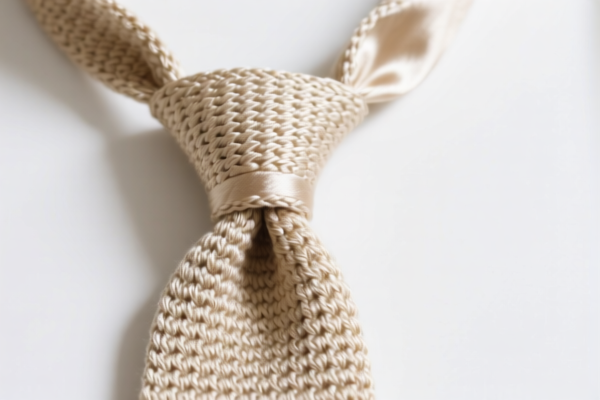
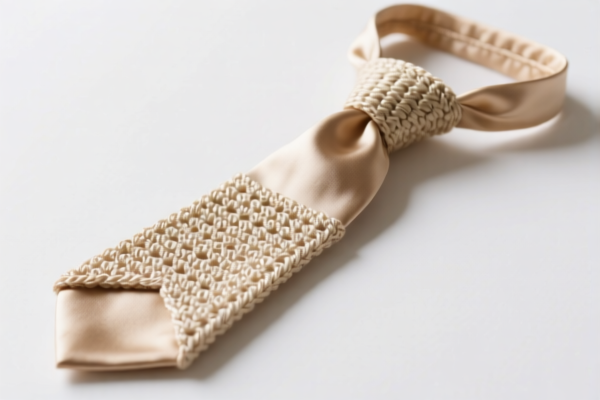
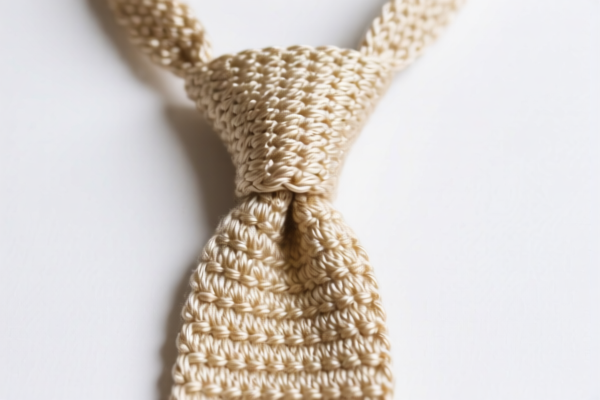
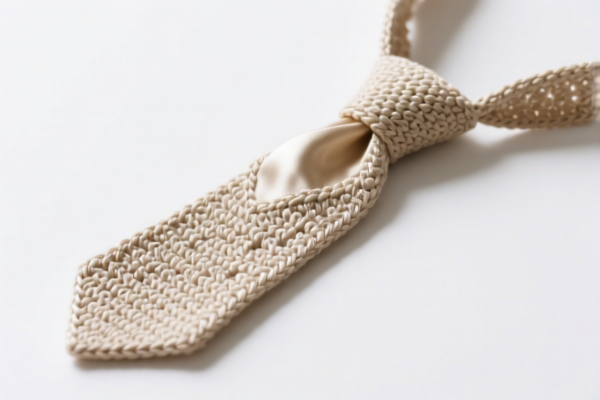
AI Analysis
👶 Baby’s First Knit & Crochet Onesie (Boa Constrictor Style)
🌐 HS Code Reference & Customs Clearance Guide | 2026 Latest Tariff Analysis | Professional Strategy for "Crochet Onesie"
📌 Part I: Product Definition & Classification: Do You Really Know "Crochet Onesie"?
A Crochet Onesie is a one-piece garment for infants or toddlers, typically made from cotton, synthetic fibers, or other textile materials. In international trade, it is classified based on its construction method (knitted/crocheted vs. woven), material composition, and function (e.g., baby wear, swimwear, or general wear).
Key Distinctions: - Crocheted/Knitted Onesies (Ch. 61): These are flexible, stretchable garments made using yarn loops. They include infant sleepers, rompers, and bodysuits. - Woven Onesies (Ch. 62): These are made from woven fabric (non-stretchable by construction). They are less common for infant wear but may be used for structured costumes or specific outerwear. - Material Matters: The tax rate varies significantly depending on whether the material is Cotton, Artificial Fibers (Synthetic), or Other Textiles.
⚠️ Critical Classification Point:
- If the item is crocheted (looped yarn), it falls under Chapter 61 (Knitted/Crocheted).
- If it is woven (threaded fabric), it falls under Chapter 62.
- Misclassification Risk: Declaring a crocheted onesie as "woven" or vice versa can lead to incorrect duty rates (e.g., 7.3% vs. 32.0%) and customs delays.
📦 Part II: HS Code Classification Details (2026 Latest Tariff Authority Comparison)
| HS Code | Product Description | Material Inference | Total Tax Rate | Tax Breakdown |
|---|---|---|---|---|
6114.20.00.20 |
Crochet Beauty Onesie, matching form and use | Cotton | 28.3% | Base: 10.8% Section 301: 7.5% Section 122: 10% |
6114.30.20.10 |
Crochet Beauty Onesie, matching form and use | Artificial Fiber / Cotton Blend | 49.5% | Base: 32.0% Section 301: 7.5% Section 122: 10% |
6211.49.80.20 |
Crochet Beauty Onesie, form is onesie | Other Textile Material | 24.8% | Base: 7.3% Section 301: 7.5% Section 122: 10% |
6211.43.10.30 |
Crochet Beauty Onesie, form is onesie | Artificial Fiber / Textile Fiber | 33.5% | Base: 16.0% Section 301: 7.5% Section 122: 10% |
6104.49.90.60 |
Crochet Dress, matching form and use | Other Category Material | 23.1% | Base: 5.6% Section 301: 7.5% Section 122: 10% |
🔍 Key Insight:
- Chapter 61 (Knitted/Crocheted) items generally have higher base duties for artificial fibers (32.0%) but lower for cotton (10.8%).
- Chapter 62 (Woven) items have lower base duties for general textiles (7.3%-16.0%).
- Section 122 (10%) and Section 301 (7.5%) apply to all these codes for Chinese-origin goods, adding a fixed 17.5% surcharge on top of the base rate.
💰 Part III: 2026 Latest Tariff Rate Explanation (Including Surtaxes & Policy Add-ons)
✅ Applicable Country: United States (US)
✅ Origin: China (CN)
✅ Effective Date: 2025 November 10 onwards (including subsequent imports)
🎯 1. 6114.20.00.20 —— Crochet Beauty Onesie (Cotton)
| Item | Content |
|---|---|
| Base Duty | 10.8% (ad valorem) |
| Section 301 Surtax | +7.5% (US Trade Act) |
| Section 122 Surtax | +10% (Customs Enforcement) |
| Total Effective Rate | 28.3% |
| Tax Calculation | CIF Value × 28.3% |
| De Minimis Exemption | ❌ Not Applicable (Denied due to Section 122/301) |
| Legal Basis Path | Section 122:10% → Section 301:7.5% → USITC:6114.20.00.20 → Base:10.8% |
📌 Explanation:
- "Base Duty 10.8%": Standard duty for crocheted cotton baby garments under HTS 6114.20.
- "Section 301 7.5%": Tariffs on Chinese imports under the Trade Act of 1974.
- "Section 122 10%": Additional duty for enforcement of trade agreements or specific goods lists.
- Total 28.3%: This is a moderate-to-high rate for cotton items. Not as high as synthetic, but still significant.
🎯 2. 6114.30.20.10 —— Crochet Beauty Onesie (Artificial Fiber/Cotton)
| Item | Content |
|---|---|
| Base Duty | 32.0% (ad valorem) |
| Section 301 Surtax | +7.5% |
| Section 122 Surtax | +10% |
| Total Effective Rate | 49.5% |
| Tax Calculation | CIF Value × 49.5% |
| De Minimis Exemption | ❌ Not Applicable |
| Legal Basis Path | Section 122:10% → Section 301:7.5% → USITC:6114.30.20.10 → Base:32.0% |
📌 Note:
- Highest Base Rate: Artificial fibers carry a much higher base duty (32.0%) compared to cotton (10.8%).
- Total 49.5%: This is a very high tariff, nearly half the product value. Strongly recommend verifying material composition to avoid this rate.
🎯 3. 6211.49.80.20 —— Crochet Beauty Onesie (Other Textile)
| Item | Content |
|---|---|
| Base Duty | 7.3% (ad valorem) |
| Section 301 Surtax | +7.5% |
| Section 122 Surtax | +10% |
| Total Effective Rate | 24.8% |
| Tax Calculation | CIF Value × 24.8% |
| De Minimis Exemption | ❌ Not Applicable |
| Legal Basis Path | Section 122:10% → Section 301:7.5% → USITC:6211.49.80.20 → Base:7.3% |
📌 Insight:
- Lowest Total Rate (24.8%): This code offers the most cost-effective option if the product can be classified here.
- Woven Classification: This falls under Chapter 62 (Woven), which generally has lower base duties for non-cotton, non-synthetic textiles.
- Caution: Ensure the product is woven, not crocheted, to use this code. Misclassification risk is high.
🎯 4. 6211.43.10.30 —— Crochet Beauty Onesie (Artificial Fiber/Textile)
| Item | Content |
|---|---|
| Base Duty | 16.0% (ad valorem) |
| Section 301 Surtax | +7.5% |
| Section 122 Surtax | +10% |
| Total Effective Rate | 33.5% |
| Tax Calculation | CIF Value × 33.5% |
| De Minimis Exemption | ❌ Not Applicable |
| Legal Basis Path | Section 122:10% → Section 301:7.5% → USITC:6211.43.10.30 → Base:16.0% |
📌 Insight:
- Moderate-High Rate: Higher than the "Other Textile" code (24.8%) but lower than synthetic crocheted (49.5%).
- Mixed Material: Often used for blends or specific synthetic textiles in woven form.
🎯 5. 6104.49.90.60 —— Crochet Dress (Other Category)
| Item | Content |
|---|---|
| Base Duty | 5.6% (ad valorem) |
| Section 301 Surtax | +7.5% |
| Section 122 Surtax | +10% |
| Total Effective Rate | 23.1% |
| Tax Calculation | CIF Value × 23.1% |
| De Minimis Exemption | ❌ Not Applicable |
| Legal Basis Path | Section 122:10% → Section 301:7.5% → USITC:6104.49.90.60 → Base:5.6% |
📌 Insight:
- Lowest Base Duty (5.6%): If the product can be classified as a "Dress" rather than a "Onesie" or "Rompers," this offers the lowest base rate.
- Form Factor: Ensure the product fits the definition of a "Dress" (not a one-piece sleeper with snaps at the crotch). If it has closures for diaper changes, it may be classified as a "Onesie" (Chapter 61) instead.
🛠️ Part IV: Customs Clearance Practical Advice (Battle-Tested Pitfall Guide)
✅ 1. Required Documentation Checklist (Mandatory)
| Document | Must Provide | Description |
|---|---|---|
| ✅ Product Specification Sheet | ✔️ | Detail: Material composition (% cotton, % synthetic), construction method (crochet vs. weave), size, age range. |
| ✅ Product Photos (With Labels) | ✔️ | Clear images of the garment, including any care labels, brand tags, and closure types (snaps, zippers). |
| ✅ Composition Test Report | ✔️ | From an accredited lab (e.g., SGS, Intertek) confirming fiber content. Critical for avoiding 49.5% vs. 28.3% disputes. |
| ✅ Commercial Invoice | ✔️ | Clearly state: "Crochet Baby Onesie, 100% Cotton, Made in China." Avoid vague terms like "Baby Clothes." |
| ✅ Packing List | ✔️ | Confirm no mixed shipments with non-textile items that could trigger different classifications. |
| ✅ Certificate of Origin (CO) | ✔️ | To prove Chinese origin and apply applicable surtaxes. |
✅ 2. Declaration Tips (Key Mantra)
🔥 "Material First, Construction Second, Name Precise, Tax Saves!"
| Scenario | Correct Declaration | Wrong Action |
|---|---|---|
| 100% Cotton Crochet Onesie | 6114.20.00.20 (28.3%) |
Declare as synthetic → 49.5% |
| Polyester/Acrylic Crochet Onesie | 6114.30.20.10 (49.5%) |
Declare as cotton → Penalty + Back Tax |
| Woven Onesie (Cotton/Other) | 6211.49.80.20 (24.8%) |
Declare as crocheted → 28.3% (slightly higher) or 49.5% if synthetic |
| One-Piece Dress (No Diaper Snaps) | 6104.49.90.60 (23.1%) |
Declare as "Onesie" → 28.3% |
| Mixed Package (Onesie + Hat) | Declare as Onesie (dominant value) | Split declaration → Higher total tax |
✅ 3. Special Case Handling
| Scenario | Handling Advice |
|---|---|
| OEM Custom Baby Wear | Provide design sketches showing crochet construction and closure types. If it has crotch snaps, it’s a "Onesie" (Ch 61), not a "Dress" (Ch 61/62). |
| "Beauty Onesie" (Costume) | If the item is primarily for costume/play (not daily wear), ensure it’s still classified as clothing. If it’s a prop, it might fall under 9503 (Toys), but baby onesies are almost always Ch 61/62. |
| Material Ambiguity | If the label says "Knit" but it’s actually crocheted, do not use Ch 62. Crochet is explicitly under Ch 61. Misclassification leads to severe penalties. |
| High-Value Luxury Baby Wear | If the item is hand-crocheted with high-end materials, consider Advance Ruling from CBP to confirm the 5.6% base rate classification if possible. |
🌍 Part V: Global Market Clearance Comparison (2026 Latest)
| Country/Region | Recommended HS Code | Duty Rate (China Origin) | Certification Requirements | Notes |
|---|---|---|---|---|
| 🇺🇸 USA | 6114.20.00.20 (Cotton) |
28.3% | CPSIA, ASTM F963, Flammability | High Tax: Includes Section 122 + 301. |
| 🇪🇺 EU | 6111.30 (Baby Wear) |
0% - 12% | CE, REACH, EN 14682 (Cords) | No Section 301/122. Lower base rates. |
| 🇨🇳 China | 6111.30 |
8.5% | CCC (if applicable) | Low Duty. No surtaxes. |
| 🇦🇺 Australia | 6111.30 |
5% | ACMA (if electronic components) | Moderate Duty. No Section 122. |
| 🇯🇵 Japan | 6111.30 |
10% | JIS Standards | Moderate Duty. No Surtaxes. |
📌 Conclusion:
- USA is the most expensive market for baby textile imports due to Section 122 (10%) and Section 301 (7.5%) surcharges.
- EU and Asia offer significantly lower duty burdens (0-12%) but have strict safety/flammability standards (CPSIA in US, EN 14682 in EU).
- Strategy: For US market, optimize material composition (100% Cotton is cheaper than synthetic in Ch 61) and consider EU/Asia sourcing if possible to reduce tariff impact.
📌 Part VI: Common Errors & Pitfall Guide (Blood Lessons)
❌ Error 1: Declaring a Crochet Onesie as Woven (Ch 62)
👉 Consequence: Customs will reclassify as Ch 61, applying higher base duty (e.g., 32.0% for synthetic) and back taxes + penalties.
❌ Error 2: Mislabeling Cotton as Artificial Fiber
👉 Consequence: Paying 49.5% instead of 28.3%. Loss of $21.20 per $100 CIF value.
❌ Error 3: Using "Baby Dress" for a Onesie with Crotch Snaps
👉 Consequence: CBP may reject 6104.49.90.60 (Dress) and force 6114.20.00.20 (Onesie), leading to delays and re-filing fees.
❌ Error 4: Ignoring Section 122 (10%) in Costing
👉 Consequence: Underestimating landed cost by 10%, leading to negative margins.
✅ Correct Practice:
"Baby Onesie, Crochet, 100% Cotton, With Crotch Snaps, Model XYZ, CPSIA Compliant"
🎯 Part VII: Conclusion: Precision Classification Saves Money!
🎯 Remember the Mantra:
🔹 "Crochet = Ch 61, Woven = Ch 62"
🔹 "Cotton = 10.8%, Synthetic = 32.0% (Base)"
🔹 "Add 17.5% Surtax for US, Always!"
🔹 "Name It Right, Pay Less!"
📌 Pro Tip:
If your product is 100% Cotton and Crocheted, use 6114.20.00.20 (28.3%).
If you can design it as a Woven Cotton Onesie, use 6211.49.80.20 (24.8%) — Saving 3.5% per unit!
For Luxury/Non-Utility items, explore 6104.49.90.60 (23.1%) if it qualifies as a Dress (no crotch snaps).
📣 Immediate Action:
📞 Contact a Customs Broker + Provide Material Test Report + Apply for Advance Ruling
🚀 Ensure Your "Crochet Onesie" Passes US Customs Without Penalty!
✨ Professional Clearance, Starting with Accurate Classification!
💼 Every Percent Counts in Global Trade!
Customer Reviews
About HS Code Classification
The Harmonized System (HS) is an internationally standardized nomenclature developed by the World Customs Organization (WCO) to classify traded products. Over 200 countries use the HS system as the basis for customs tariffs, trade statistics, and import/export regulations.
Each HS code follows a hierarchical structure:
- Chapter (2 digits) — Broad category of goods (e.g., Chapter 84: Machinery and Mechanical Appliances)
- Heading (4 digits) — More specific grouping within the chapter
- Subheading (6 digits) — Internationally standardized breakdown, used by all WCO member countries
- National subdivisions (8-10 digits) — Country-specific extensions for further classification, such as US HTSUS 10-digit codes
Correct HS code classification is essential for smooth customs clearance, accurate duty payment, and compliance with trade regulations. Misclassification can lead to customs delays, overpayment of duties, or penalties.
When importing from CN to US, the applicable tariff rates may include:
- Most-Favored-Nation (MFN) rate — The standard duty rate applied to WTO members
- General rate — Applied to countries without trade agreements
- Trade remedy duties — Additional tariffs such as Section 301 (anti-dumping), Section 232 (national security), or countervailing duties
The information provided on this page is for reference purposes only. For official classification, please consult with your local customs authority or a licensed customs broker.