Crochet Suit
CN → US| HS Code | Tariff Rate | Origin | Destination | Doc |
|---|---|---|---|---|
| 9505906000 | 10.0% | CN | US | Official Doc |
| 9505105020 | 10.0% | CN | US | Official Doc |
| 5609004000 | 38.9% | CN | US | Official Doc |
| 6117809570 | 32.1% | CN | US | Official Doc |
| 6117808500 | 32.1% | CN | US | Official Doc |
Product Images
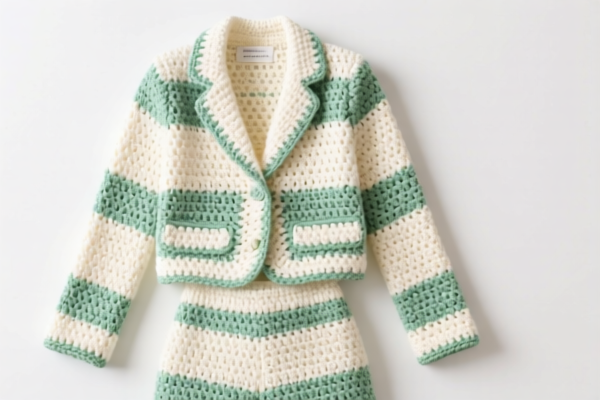
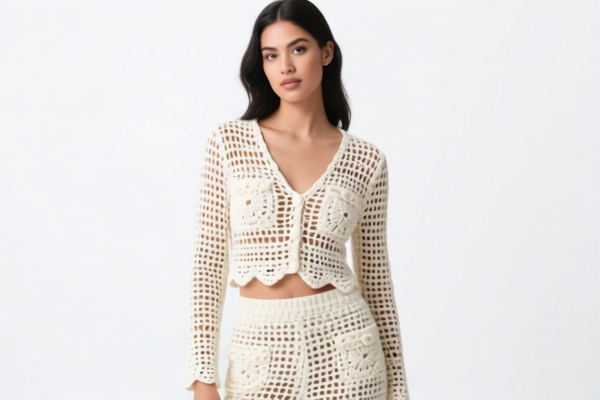
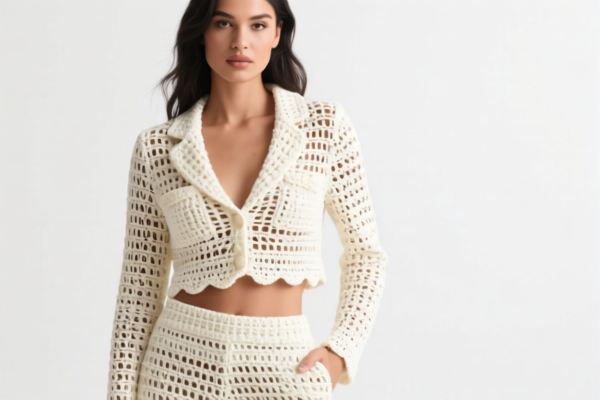
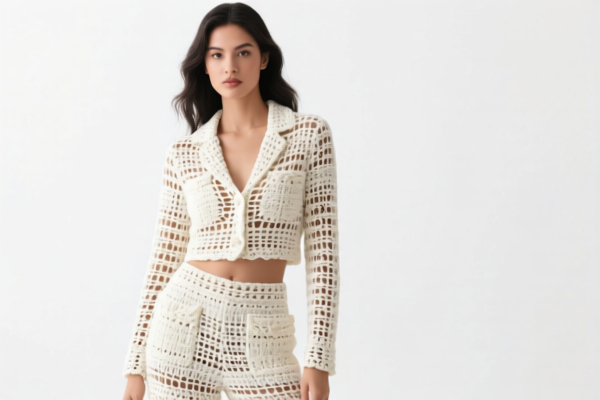
AI Analysis
🧶 Crochet Suit (Hook-Knitted Ensemble/Costume)
🌐 HS Code Reference & Customs Clearance Guide | 2026 Latest Tariff Analysis | Professional-Level Entry Strategy 📌 I. Product Definition & Classification: Do You Really Understand the "Crochet Suit"?
A "Crochet Suit" in international trade is a broad term that can refer to two very different things: 1. Costume/Prop: A costume piece for festivals, theatrical performances, or entertainment (e.g., a crocheted superhero suit, a Halloween costume). 2. Apparel/Knitting Accessory Kit: A DIY kit containing yarn, hooks, and instructions for making a knitted/crocheted garment or accessory.
The classification depends entirely on the primary function and composition of the goods. Below are the 5 specific HS Codes derived from your data, explaining why each applies.
⚠️ Key Distinction: - If it is a ready-made costume for fun/festivals →
9505.90.60.00or9505.10.50.20(Low Tax). - If it is a DIY kit containing yarn/threads →5609.00.40.00or6117.80.95.70(High Tax). - If it is a finished clothing accessory (non-yarn kit) →6117.80.85.00(High Tax).
📦 II. HS Code Classification Details (Based on Provided Data)
| HS Code | Product Description (Summary) | Applicable Scenario | Tax Rate |
|---|---|---|---|
9505.90.60.00 |
Crochet Starter Kits, classified as "Other Handicraft/Entertainment Articles" | Small craft kits, non-textile entertainment props | 10.0% |
9505.10.50.20 |
Festive/Entertainment DIY Handicraft Items | Halloween costumes, party props, decorative crochet items | 10.0% |
5609.00.40.00 |
Weaving Kits Containing Yarn/Rope Materials | Kits that include significant amounts of yarn/thread as the main material | 38.9% |
6117.80.95.70 |
Knitted/Crocheted Starter Kits, including accessories/parts | Kits for making knitted clothing/accessories, with tools & yarn | 32.1% |
6117.80.85.00 |
Other Knitted/Crocheted Clothing Accessories & Parts | Finished accessories (scarves, hats, shawls) or loose parts | 32.1% |
🔍 Critical Analysis: - Why
9505(10%)? The goods are classified as Toys/Novelties/Festive Articles. Even if it's a "suit," if it's for fun, costume, or entertainment, it falls under Chapter 95. - Why5609or6117(32-39%)? The goods are classified as Textiles/Apparel. If the "suit" is considered a clothing accessory or a kit where the yarn is the primary value driver for clothing, it falls under Chapter 61. The "Starter Kit" definition in6117is crucial here.
💰 III. 2026 Latest Tariff Rate Breakdown (Including Surcharges)
✅ Applicable Country: USA (US) ✅ Origin: China (CN) ✅ Effective Date: Current (Reflecting 122 Clause & Section 301)
🎯 1. 9505.90.60.00 & 9505.10.50.20 —— Festival/Entertainment/DIY (The "10%" Group)
| Item | Content |
|---|---|
| Base Duty | 0.0% (Ad Valorem) |
| Section 301 (Addl. Tariff) | 0.0% (Specific to these subheadings under current list) |
| Clause 122 Tariff | +10% |
| Total Tax Rate | 10.0% |
| Tax Calculation | CIF Value × 10% |
| De Minimis Exemption? | ❌ No (Deny De Minimis for China-origin goods) |
| Legal Basis | 122 Clause Tariff: 10% |
📌 Explanation: - These codes are categorized under Chapter 95 (Toys, Games, Sports Goods). - The 10% tax is specifically attributed to the "122 Clause" (often referring to specific administrative trade measures or updated tariff schedules for certain Chinese goods). - NO Section 301 (25%) or IEEPA (7.5-10%) is applied here, making this the most tax-efficient classification for crochet-related items that qualify as "entertainment" or "festive."
🎯 2. 5609.00.40.00 —— Yarn/Rope Containing Weaving Kits (The "38.9%" Group)
| Item | Content |
|---|---|
| Base Duty | 3.9% |
| Section 301 (Addl. Tariff) | +25.0% |
| Clause 122 Tariff | +10% |
| Total Tax Rate | 38.9% |
| Tax Calculation | CIF Value × 38.9% |
| De Minimis Exemption? | ❌ No |
| Legal Basis | Base Tariff + Section 301 + 122 Clause |
📌 Explanation: - This code is under Chapter 56 (Batting, Felt, Non-wovens; Yarn). - If your "Crochet Suit" is a kit that is primarily defined as a "yarn/rope product," it triggers the 25% Section 301 tariff (common for textile yarns) plus the 10% 122 Clause. - High Risk: Do not classify a kit as this unless the yarn itself is the dominant component and not just an accessory.
🎯 3. 6117.80.95.70 & 6117.80.85.00 —— Knitted/Crocheted Accessories & Kits (The "32.1%" Group)
| Item | Content |
|---|---|
| Base Duty | 14.6% |
| Section 301 (Addl. Tariff) | +7.5% |
| Clause 122 Tariff | +10% |
| Total Tax Rate | 32.1% |
| Tax Calculation | CIF Value × 32.1% |
| De Minimis Exemption? | ❌ No |
| Legal Basis | Base Tariff + Section 301 + 122 Clause |
📌 Explanation: - These codes are under Chapter 61 (Articles of Apparel and Clothing Accessories, Knitted or Crocheted). -
6117.80.95.70is for Starter Kits (including accessories/parts). If you are selling a "Crochet Suit Kit," this is a very likely classification. -6117.80.85.00is for finished accessories. If the suit is pre-made and considered an accessory (e.g., a decorative cape), this applies. - Note: The Section 301 rate here is 7.5%, not 25%. This is lower than the yarn category (5609) but higher than the toy category (9505).
🛠️ IV. Customs Clearance Practical Advice (Real-World Pitfall Guide)
✅ 1. Documentation Checklist (Must-Have)
| Document | Required? | Explanation |
|---|---|---|
| ✅ Product Description | ✔️ | Must clearly state "Crochet Starter Kit" or "Festive Costume," not just "Suit." |
| ✅ Kit Contents List | ✔️ | For 9505 or 6117, provide a detailed list: Yarn x1, Hook x1, Pattern x1. |
| ✅ Intended Use | ✔️ | Specify "For Entertainment/Costume" (for 9505) or "For Personal Crafting" (for 6117). |
| ✅ Photos | ✔️ | Show the kit contents or the costume clearly. |
| ✅ Commercial Invoice | ✔️ | Match the HS Code description exactly. |
✅ 2. Classification Strategy (Key Tips)
| Scenario | Recommended HS Code | Reasoning |
|---|---|---|
| You sell a DIY Crochet Suit Kit | Try 6117.80.95.70 |
It explicitly covers "Knitted/Crocheted Starter Kits." Be prepared for 32.1% tax. |
| You sell a Finished Crochet Costume (Halloween) | Aim for 9505.10.50.20 |
Classify as "Festive/Entertainment DIY Handicraft." Tax is only 10%. |
| You sell a Small Craft Hook/Suit Prop | Aim for 9505.90.60.00 |
Classified as "Other Handicraft/Entertainment." Tax is only 10%. |
| You sell a Kit dominated by Yarn Sales | Avoid 5609.00.40.00 |
The 38.9% tax is the highest. Only use if legally required by content weight. |
🔥 Golden Rule: "If it's for fun/costume, go to Ch 95 (10%). If it's for making clothes, go to Ch 61 (32%). Don't let yarn define the whole kit if it's sold as a craft toy!"
✅ 3. Special Cases
| Case | Handling Advice |
|---|---|
| Kit vs. Finished Product | If you sell a kit, do NOT describe it as a "Suit." Describe it as "Crochet Craft Kit." If you sell a finished costume, describe it as "Costume/Clothing." |
| Mixed Contents | If the kit has more yarn by value than tools, customs might lean toward textile codes (6117/5609). Ensure the "craft/entertainment" aspect is prominent in marketing. |
| OEM/White Label | Provide clear labeling. Customs will inspect the physical goods. If it looks like a toy, declare as 9505. If it looks like a garment kit, declare as 6117. |
🌍 V. Global Market Comparison (2026)
| Market | Recommended HS Code | Tax Rate (China Origin) | Key Requirement |
|---|---|---|---|
| 🇺🇸 USA | 9505.10.50.20 or 6117.80.95.70 |
10% vs 32.1% | Strict de minimis ban. Clear product description. |
| 🇪🇺 EU | 9505 or 6117 |
Varies (0-12% approx) | CE marking if toys; REACH for chemicals in yarn. |
| 🇨🇳 China | 9505 or 6117 |
Low (5-10%) | Standard export declaration. |
| 🇬🇧 UK | 9505 or 6117 |
Varies (0-12% approx) | Post-Brexit tariff rules apply. |
📌 Conclusion: - The USA is the most critical market for tax optimization. - Classifying as
9505(10%) can save you ~22% in tariffs compared to6117(32.1%). - However, misclassification is a serious risk. Ensure the product genuinely fits the "entertainment/costume" definition if using9505.
📌 VI. Common Errors & Pitfalls (Lessons Learned)
❌ Error 1: Calling a DIY Kit a "Costume" to get 10% tax, but customs finds it's just a standard garment kit.
👉 Consequence: Reclassification to 6117.80.95.70 + Back taxes of 22% + Penalties.
❌ Error 2: Calling a Finished Costume a "Clothing Accessory" (6117.80.85.00) to avoid toy rules.
👉 Consequence: 32.1% tax instead of 10%. No benefit, just higher cost.
❌ Error 3: Ignoring the "122 Clause" (10%) in all categories. 👉 Consequence: Under-declaring tax by 10% on all items, leading to large unexpected bills.
✅ Correct Approach:
- For Kits: "Crochet Craft Kit, includes yarn, hook, pattern. For educational/entertainment purposes." ->
6117.80.95.70(32.1%) is safer and legally sound.- For Costumes: "Festive Costume, Crochet Material, for Halloween/Party Use." ->
9505.10.50.20(10%) is optimal.
🎯 VII. Conclusion: Strategic Classification Saves Money!
🎯 Remember the Rule:
🔹 "Costume = Toy = 10%" (Use
9505) 🔹 "Craft Kit = Textile = 32%" (Use6117) 🔹 "Yarn Bundle = Material = 39%" (Use5609- Avoid!)
📌 Pro Tip:
If you are a manufacturer, consider designing your "Crochet Suit" as a ready-to-wear costume rather than a DIY kit. This allows you to classify under 9505 and pay only 10% tax. If it must be a kit, be prepared for the 32.1% tax under 6117.
✨ Professional Customs Clearance Starts with Accurate Classification! 💼 Every percentage point saved is pure profit!
📣 Immediate Action:
📞 Contact your customs broker with product photos and detailed contents. 📝 Request an Advance Ruling (Ruling Letter) from CBP for your specific product design. 🚀 Ensure your "Crochet Suit" lands smoothly in the US with the lowest possible duty!
Customer Reviews
About HS Code Classification
The Harmonized System (HS) is an internationally standardized nomenclature developed by the World Customs Organization (WCO) to classify traded products. Over 200 countries use the HS system as the basis for customs tariffs, trade statistics, and import/export regulations.
Each HS code follows a hierarchical structure:
- Chapter (2 digits) — Broad category of goods (e.g., Chapter 84: Machinery and Mechanical Appliances)
- Heading (4 digits) — More specific grouping within the chapter
- Subheading (6 digits) — Internationally standardized breakdown, used by all WCO member countries
- National subdivisions (8-10 digits) — Country-specific extensions for further classification, such as US HTSUS 10-digit codes
Correct HS code classification is essential for smooth customs clearance, accurate duty payment, and compliance with trade regulations. Misclassification can lead to customs delays, overpayment of duties, or penalties.
When importing from CN to US, the applicable tariff rates may include:
- Most-Favored-Nation (MFN) rate — The standard duty rate applied to WTO members
- General rate — Applied to countries without trade agreements
- Trade remedy duties — Additional tariffs such as Section 301 (anti-dumping), Section 232 (national security), or countervailing duties
The information provided on this page is for reference purposes only. For official classification, please consult with your local customs authority or a licensed customs broker.