Crochet Summer Dress
CN → US| HS Code | Tariff Rate | Origin | Destination | Doc |
|---|---|---|---|---|
| 6104499060 | 23.1% | CN | US | Official Doc |
| 6104432010 | 33.5% | CN | US | Official Doc |
| 6204423050 | 25.9% | CN | US | Official Doc |
| 6204423060 | 25.9% | CN | US | Official Doc |
| 6104420010 | 29.0% | CN | US | Official Doc |
Product Images
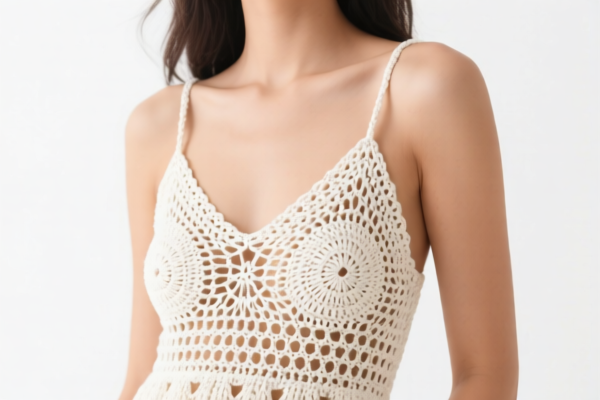
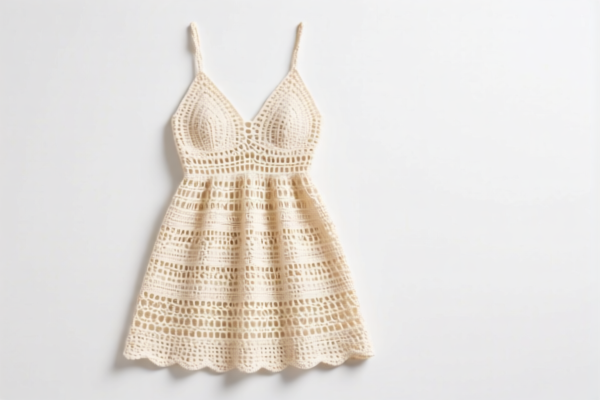
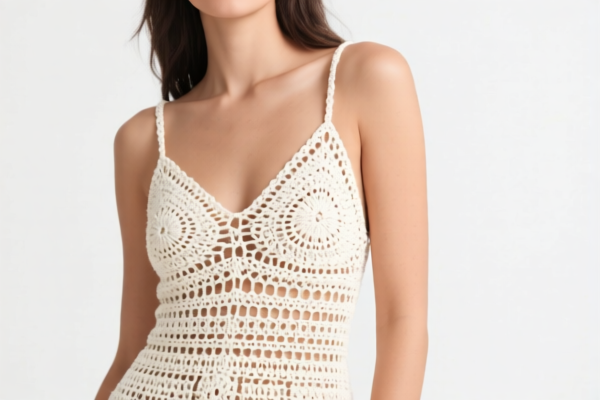
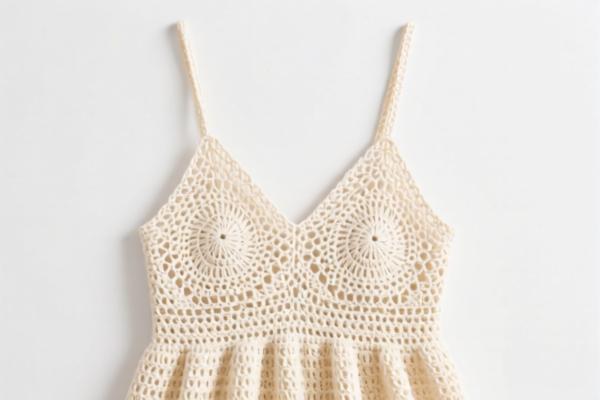
AI Analysis
👗 Crochet Summer Dress: HS Code Classification & 2026 US Customs Clearance Guide
🌐 HS Code Reference & Customs Strategy | Latest Tariff Analysis | Professional Clearance Protocol
📌 I. Product Definition & Classification: Understanding the "Crochet Dress"
A Crochet Summer Dress is a lightweight, open-work garment typically worn in warm weather. In international trade, its classification depends heavily on two factors: 1. Construction Method: Is it hand-made or machine-made? (Though most modern trade assumes machine-knitted/crocheted unless specified as "hand-made"). 2. Material Composition: Cotton, Synthetic Fibers, or Other Textiles.
⚠️ Key Classification Distinction:
- If the dress is knitted/crocheted (looped yarn structure) → Falls under Chapter 61 (Articles of Apparel and Clothing Accessories, Knitted or Crocheted).
- If the dress is woven (fabric stitched together) → Falls under Chapter 62 (Articles of Apparel and Clothing Accessories, Not Knitted or Crocheted).
- Note: "Crochet" implies a knitted/knottic structure, so Chapter 61 is the primary target. Chapter 62 codes are included here because some海关 (Customs) authorities may misclassify fine crochet as "woven" if the distinction isn't clear in documentation.
📦 II. HS Code Breakdown & Tariff Analysis (2026 Latest Data)
Based on the provided data, here are the five most likely HS Codes for a Crochet Summer Dress, ranked by classification accuracy and cost impact.
| HS Code | Product Description & Logic | Key Characteristics |
|---|---|---|
| 6104.49.90.60 | Other Women's Crochet Dresses (Other Textile Materials) | Matches crochet form & dress use. Material inferred as "other" (e.g., blends, non-cotton/non-synthetics). |
| 6104.43.20.10 | Women's Synthetic/Natural Fiber Crochet Dresses | Matches crochet form & female dress use. Material inferred as synthetic or natural fibers (e.g., Polyester, Acrylic, Rayon). |
| 6104.42.00.10 | Women's Cotton Crochet Dresses | Perfect Match for Women's, Crochet, and Dress core elements. Specifically for Cotton. |
| 6204.42.30.50 | Women's Woven Cotton Dresses | Matches dress form. Material inferred as Cotton. Risk: Misclassification if item is truly crochet. |
| 6204.42.30.60 | Women's Woven Cotton/Synthetic Dresses | Matches dress form. Material matches common crochet fibers (Cotton, Wool, Synthetic). Risk: Misclassification if item is truly crochet. |
🔍 Critical Insight:
- 6104.42.00.10 (Cotton Crochet) and 6104.43.20.10 (Synthetic Crochet) are the most accurate for machine-made crochet dresses.
- 6104.49.90.60 is a catch-all for "other" materials if the fiber content is unclear.
- 62xx Codes (Woven) should only be used if the "crochet" is actually a lace-like woven fabric constructed on a loom, not a knotted yarn. Misclassifying a true crochet dress as "woven" (Ch 62) can lead to penalties.
💰 III. Detailed Tariff Breakdown (2026 US Import)
✅ Applicable Country: United States (US)
✅ Origin: China (CN)
✅ Effective Date: Post-November 2025 (Current Policy)
⚠️ Note: All rates below include Base Tariff + Section 301 (7.5%) + Section 122 (10%).
🎯 1. 6104.49.90.60 – Other Textile Crochet Dresses
| Item | Details |
|---|---|
| Base Tariff | 5.6% |
| Section 301 Tariff | 7.5% |
| Section 122 Tariff | 10% |
| Total Tax Rate | 23.1% |
| De Minimis Eligibility | ❌ No (Section 301/122 tariffs usually apply to de minimis shipments from China) |
| Legal Basis | Base Rate + USITC:301 + IEEPA:122 |
📌 Explanation:
- This code applies if the dress is made of materials not specified as cotton or synthetics (e.g., wool blends, specialty yarns).
- Total 23.1% is relatively lower than synthetic options, making it potentially cost-effective if material composition allows.
🎯 2. 6104.43.20.10 – Synthetic/Natural Fiber Crochet Dresses
| Item | Details |
|---|---|
| Base Tariff | 16.0% |
| Section 301 Tariff | 7.5% |
| Section 122 Tariff | 10% |
| Total Tax Rate | 33.5% |
| De Minimis Eligibility | ❌ No |
| Legal Basis | Base Rate + USITC:301 + IEEPA:122 |
📌 Explanation:
- This is the most common code for polyester, acrylic, or rayon crochet dresses.
- Total 33.5% is significantly higher due to the higher base tariff (16.0%) for synthetic apparel.
- Cost Impact: High. Suggests a need for margin adjustment or material optimization.
🎯 3. 6104.42.00.10 – Cotton Crochet Dresses
| Item | Details |
|---|---|
| Base Tariff | 11.5% |
| Section 301 Tariff | 7.5% |
| Section 122 Tariff | 10% |
| Total Tax Rate | 29.0% |
| De Minimis Eligibility | ❌ No |
| Legal Basis | Base Rate + USITC:301 + IEEPA:122 |
📌 Explanation:
- Best Match for Accuracy: If the dress is 100% Cotton or mainly cotton, this is the correct classification.
- Total 29.0% is a middle ground. Cotton often has higher base tariffs than "other" materials but lower than synthetics in some contexts.
- Recommendation: Ensure fabric content labels clearly state "100% Cotton" to support this code.
🎯 4. 6204.42.30.50 – Woven Cotton Dresses (Risk Code)
| Item | Details |
|---|---|
| Base Tariff | 8.4% |
| Section 301 Tariff | 7.5% |
| Section 122 Tariff | 10% |
| Total Tax Rate | 25.9% |
| De Minimis Eligibility | ❌ No |
| Legal Basis | Base Rate + USITC:301 + IEEPA:122 |
⚠️ Warning:
- Only use if the "crochet" is actually woven lace fabric constructed on a machine.
- If declared as "Crochet" but classified as "Woven" (Ch 62), Customs may reject the entry for misclassification.
- Total 25.9% is lower than the true crochet codes, tempting some to misclassify, but high compliance risk.
🎯 5. 6204.42.30.60 – Woven Other Fiber Dresses (Risk Code)
| Item | Details |
|---|---|
| Base Tariff | 8.4% |
| Section 301 Tariff | 7.5% |
| Section 122 Tariff | 10% |
| Total Tax Rate | 25.9% |
| De Minimis Eligibility | ❌ No |
| Legal Basis | Base Rate + USITC:301 + IEEPA:122 |
⚠️ Warning:
- Same risk as above. Use only for woven fabrics that mimic crochet patterns.
- Total 25.9% is attractive but dangerous if the item is truly knotted/crocheted.
🛠️ IV. Customs Clearance Practical Advice (Pitfall Avoidance)
✅ 1. Documentation Checklist (Must-Haves)
| Document | Requirement | Purpose |
|---|---|---|
| ✅ Product Spec Sheet | Must state: "Crochet Construction", Fiber Content (e.g., 100% Cotton), Weight, Dimensions | Proves construction method to avoid Ch 62 misclassification |
| ✅ Fabric Swatch | Provide a small sample or clear close-up photo of the stitch pattern | Visually confirms "Crochet" vs. "Woven" |
| ✅ Commercial Invoice | Description: "Women's Cotton Crochet Summer Dress, Model #XYZ" | Precise naming supports HS Code 6104.42.00.10 |
| ✅ Bill of Lading | Weight and dimensions must match invoice | Prevents valuation discrepancies |
| ✅ Certificate of Origin | If claiming any preferential treatment (rare for CN-US) | Standard requirement |
🔥 Pro Tip:
- Avoid vague terms like "Knitted Dress" if it's crochet. Use "Crochet" explicitly.
- Do not split the dress into "fabric" and "accessories" if it's a single garment. Declare as one unit.
✅ 2. Classification Strategy (Decision Tree)
| Scenario | Recommended HS Code | Reason |
|---|---|---|
| 100% Cotton, Machine Crochet | 6104.42.00.10 |
Most accurate for cotton knit/crochet apparel. Total Tax: 29.0% |
| Polyester/Acrylic, Machine Crochet | 6104.43.20.10 |
Most accurate for synthetics. Total Tax: 33.5% |
| Blend/Unclear Fiber, Crochet | 6104.49.90.60 |
Safe fallback for "other" materials. Total Tax: 23.1% |
| Woven Lace Fabric, Styled as Dress | 6204.42.30.50 (if cotton) |
Only if NOT true crochet. Total Tax: 25.9% |
📌 Critical Warning:
- Misclassification Penalty: If Customs determines a "Woven" declaration is actually "Crochet," they may assess back duties + penalties.
- De Minimis Loophole Closed: Shipments under $800 from China to the US are subject to Section 301/122 tariffs as of 2025. Do not rely on de minimis exemptions to avoid these taxes.
🌍 V. Global Market Comparison (2026)
| Market | Recommended HS Code | Est. Total Tax (CN Origin) | Key Requirement |
|---|---|---|---|
| 🇺🇸 USA | 6104.42.00.10 (Cotton) |
29.0% | FCC (if electronic tags), Strict Fiber Labeling |
| 🇨🇳 China | 6104.42.00.10 |
~5-10% (Export Duty) | Standard Export Declaration |
| 🇪🇺 EU | 6104.42.00 |
12% | REACH Compliance, CE (if functional) |
| 🇬🇧 UK | 6104.42.00 |
12% | UKCA Marking (if applicable) |
| 🇯🇵 Japan | 6104.42.00 |
9% | FSC Labeling |
📌 Conclusion:
- The US market is the most expensive due to Section 301 and 122 tariffs.
- Cotton (6104.42.00.10) is a balanced choice if material allows.
- Synthetics (6104.43.20.10) carry the highest risk/cost profile.
📌 VI. Common Errors & Pitfalls (Learn from Mistakes)
❌ Error 1: Declaring a Crochet Dress as "Woven Dress" (62xx)
👉 Consequence: Customs may reject the entry or reclassify it, leading to 29-33.5% duty instead of any perceived savings, plus delays.
👉 Fix: Always use "Crochet" in the description.
❌ Error 2: Ignoring Fiber Content on Label
👉 Consequence: If the label says "Polyester" but you declare Cotton, you pay higher base rates (16% vs 11.5%) + potential penalties.
👉 Fix: Ensure physical labels match commercial invoice exactly.
❌ Error 3: Assuming De Minimis Applies
👉 Consequence: Shipments < $800 from China are NOT exempt from Section 301/122 tariffs.
👉 Fix: Budget for full tax burden even for small parcels.
✅ Correct Practice:
"Women's Cotton Crochet Summer Dress, 100% Cotton, Machine Made, Model #SUMMER2026, Compliant with US Labeling Laws"
🎯 VII. Final Recommendations
🎯 Key Takeaways:
🔹 "Crochet = Chapter 61" unless it's woven lace.
🔹 "Cotton = 29.0% Total Tax" (Best Balance of Accuracy & Cost).
🔹 "Synthetic = 33.5% Total Tax" (Highest Cost).
🔹 "De Minimis is Dead" for China-origin goods in the US.
📌 Action Plan:
1. Confirm Fiber Content: Check physical labels.
2. Select HS Code: Use 6104.42.00.10 for Cotton, 6104.43.20.10 for Synthetics.
3. Prepare Documentation: Spec sheet, photos, invoice.
4. Budget for Taxes: Include 29-33.5% in your landed cost calculation.
5. Consult a Broker: For high-value shipments, request a Binding Ruling from US Customs.
📣 Immediate Action:
📞 Contact a Licensed Customs Broker
📄 Attach Product Photos & Fiber Content
🚀 Ensure Smooth Clearance & Maximize Profit Margins
✨ Professional Clearance Starts with Precise Classification!
💼 Your Landed Cost is Directly Impacted by This Decision!
Customer Reviews
About HS Code Classification
The Harmonized System (HS) is an internationally standardized nomenclature developed by the World Customs Organization (WCO) to classify traded products. Over 200 countries use the HS system as the basis for customs tariffs, trade statistics, and import/export regulations.
Each HS code follows a hierarchical structure:
- Chapter (2 digits) — Broad category of goods (e.g., Chapter 84: Machinery and Mechanical Appliances)
- Heading (4 digits) — More specific grouping within the chapter
- Subheading (6 digits) — Internationally standardized breakdown, used by all WCO member countries
- National subdivisions (8-10 digits) — Country-specific extensions for further classification, such as US HTSUS 10-digit codes
Correct HS code classification is essential for smooth customs clearance, accurate duty payment, and compliance with trade regulations. Misclassification can lead to customs delays, overpayment of duties, or penalties.
When importing from CN to US, the applicable tariff rates may include:
- Most-Favored-Nation (MFN) rate — The standard duty rate applied to WTO members
- General rate — Applied to countries without trade agreements
- Trade remedy duties — Additional tariffs such as Section 301 (anti-dumping), Section 232 (national security), or countervailing duties
The information provided on this page is for reference purposes only. For official classification, please consult with your local customs authority or a licensed customs broker.