Crochet Vacation Clothing
CN → US| HS Code | Tariff Rate | Origin | Destination | Doc |
|---|---|---|---|---|
| 6109100027 | 34.0% | CN | US | Official Doc |
| 6114200040 | 28.3% | CN | US | Official Doc |
| 6114200035 | 28.3% | CN | US | Official Doc |
| 6109100070 | 34.0% | CN | US | Official Doc |
| 6104698040 | 23.1% | CN | US | Official Doc |
Product Images
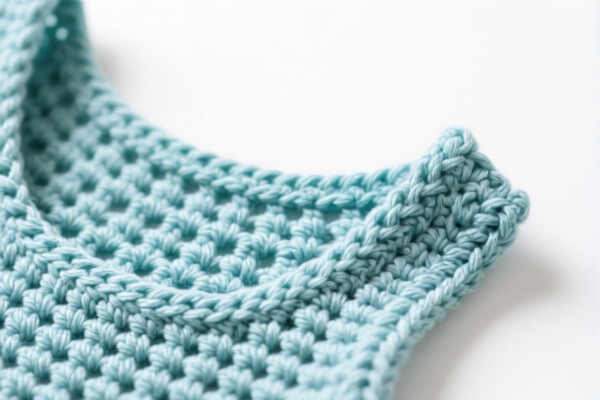
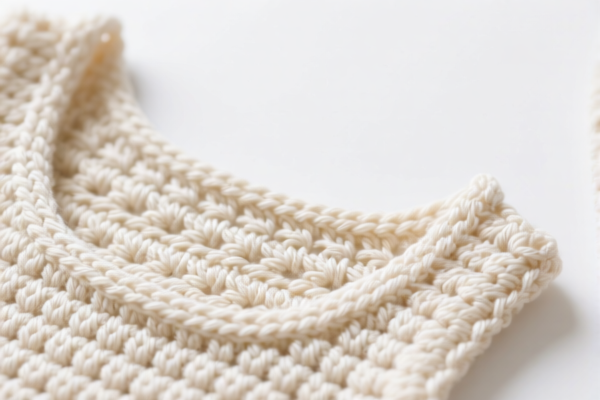
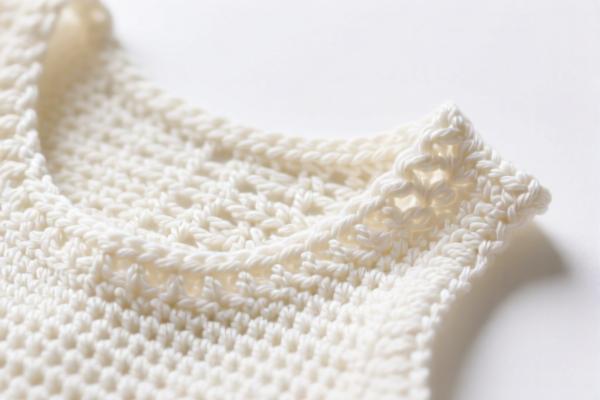
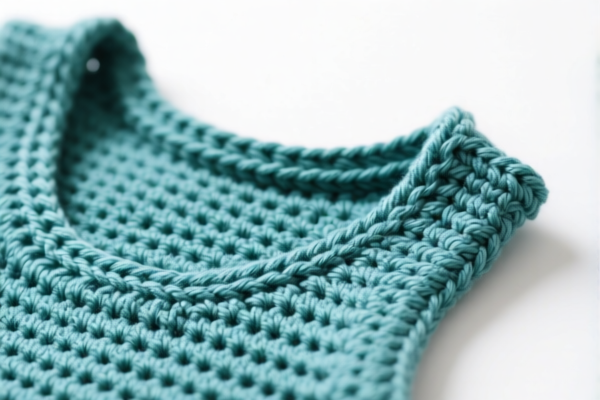
AI Analysis
🏖️ Crochet Vacation Clothing
🌐 HS Code Reference & Customs Clearance Guide | 2026 Latest Tariff Analysis | Professional Strategy for Knitted Apparel
📌 I. Product Definition & Classification: What Exactly is "Crochet Vacation Clothing"?
Crochet vacation clothing refers to casual, lightweight garments typically made using the crochet technique (a form of knitted textile). These items are designed for leisure, beachwear, or summer travel. In international trade, the critical distinction lies in the material composition (Cotton vs. Synthetic vs. Blends) and the specific garment type (T-shirt vs. Dress vs. Other).
⚠️ Key Distinction Points:
- If the item is a T-shirt (pullover with neck opening) → Look at 6109.10 (Cotton) or 6109.90 (Others).
- If the item is a Dress/Skirt/Other Apparel → Look at 6114.20 (Knitted, Cotton) or 6104 (Knitted Women’s Dress).
- Material Matters: The base tariff varies significantly based on whether the yarn is Cotton, Synthetic Fiber, or Blended.
📦 II. HS Code Classification Details (2026 Latest Tariff Authority Match)
Based on the provided data, here are the precise HS Codes, their corresponding descriptions, and the logic for classification.
| HS Code | Product Description & Material | Tariff Rate (Total) | Breakdown of Taxes |
|---|---|---|---|
| 6109.10.00.27 | Knitted T-Shirt/Vest: Crochet item,形态为针织 (Knitted form), used as apparel, inferred material: Cotton or Synthetic Fiber. | 34.0% | Base: 16.5% + Section 301: 7.5% + Section 122: 10% |
| 6109.10.00.70 | Knitted T-Shirt/Vest: Crochet item,形态为针织 (Knitted form), used as apparel, inferred material: Cotton or Blended Fiber. | 34.0% | Base: 16.5% + Section 301: 7.5% + Section 122: 10% |
| 6114.20.00.40 | Knitted Vacation Apparel: Crochet dress/skirt/top,形态为针织 (Knitted form), used as vacation wear, inferred material: Cotton or Fibers. | 28.3% | Base: 10.8% + Section 301: 7.5% + Section 122: 10% |
| 6114.20.00.35 | Knitted Vacation Apparel: Crochet dress/skirt/top,形态为针织 (Knitted form), used as vacation wear, inferred material: Cotton, Linen, or Synthetic. | 28.3% | Base: 10.8% + Section 301: 7.5% + Section 122: 10% |
| 6104.69.80.40 | Knitted Women’s Dress/Other: Crochet garment,形态为针织 (Knitted form), used as apparel, inferred material: Textile Materials (General). | 23.1% | Base: 5.6% + Section 301: 7.5% + Section 122: 10% |
🔍 Analysis of Tax Structure:
All codes include:
1. Base Tariff: Varies by material (5.6% to 16.5%).
2. Section 301 Tariff: 7.5% (Standard US additional duty on Chinese goods).
3. Section 122 Tariff: 10% (Specific additional duty on certain textiles/apparel).
Note: The total tax is the sum of these three components.
💰 III. Detailed Tariff Rate Explanation (Including Additional Taxes)
✅ Applicable Country: United States (US)
✅ Origin: Likely China (Given the specific "Section 122" and high base rates common in US-China textile trade data)
✅ Effective Time: 2026 Current Standards
🎯 1. High-Tier Category: 6109.10.00.27 / 6109.10.00.70 (T-Shirts/Vests)
Applicable if the "Crochet Vacation Clothing" is a pullover top, vest, or t-shirt style.
| Item | Detail |
|---|---|
| Base Tariff | 16.5% (Ad Valorem) |
| Section 301 Tariff | +7.5% |
| Section 122 Tariff | +10.0% |
| Total Tax Rate | 34.0% |
| Calculation | CIF Value × 34.0% |
| De Minimis Exemption | ❌ Not Applicable (Textiles are generally excluded from 800/800A de minimis thresholds when Section 301/122 applies) |
📌 Explanation:
- Base 16.5%: Reflects the higher duty on knitted cotton/synthetic tops.
- Section 301 (7.5%): Standard US trade war tariff.
- Section 122 (10%): Specific to certain textile/apparel categories to protect domestic manufacturing.
- Total 34%: This is a high-cost entry for simple knit tops.
🎯 2. Mid-Tier Category: 6114.20.00.40 / 6114.20.00.35 (Other Knitted Apparel)
Applicable if the item is a dress, skirt, or general "vacation wear" not classified as a T-shirt.
| Item | Detail |
|---|---|
| Base Tariff | 10.8% (Ad Valorem) |
| Section 301 Tariff | +7.5% |
| Section 122 Tariff | +10.0% |
| Total Tax Rate | 28.3% |
| Calculation | CIF Value × 28.3% |
| De Minimis Exemption | ❌ Not Applicable |
📌 Explanation:
- Base 10.8%: Lower than T-shirts, likely due to material blend specifics (e.g., cotton/linen/synthetic mixes).
- Section 122 (10%) still applies strongly to "vacation wear" classifications.
- Total 28.3%: Still significant, but slightly better than T-shirts.
🎯 3. Low-Tier Category: 6104.69.80.40 (Women’s Knitted Dress/Other)
Applicable if the item is a specific women’s dress or garment classified under 6104 (Women’s suits, ensembles, skirts, divided skirts, trousers, bib and brace overalls, breeches and shorts, other than knit or crocheted... wait, 6104 IS knit/knit).
| Item | Detail |
|---|---|
| Base Tariff | 5.6% (Ad Valorem) |
| Section 301 Tariff | +7.5% |
| Section 122 Tariff | +10.0% |
| Total Tax Rate | 23.1% |
| Calculation | CIF Value × 23.1% |
| De Minimis Exemption | ❌ Not Applicable |
📌 Explanation:
- Base 5.6%: This is the lowest base rate among the options, suggesting a specific sub-category (e.g., certain synthetic blends or specific dress cuts).
- Total 23.1%: The most cost-effective option among the provided data, but still subject to heavy additional tariffs.
🛠️ IV. Customs Clearance Practical Advice (Avoid Pitfalls)
✅ 1. Documentation Checklist (Essential)
| Document | Required? | Purpose |
|---|---|---|
| ✅ Product Description | ✔️ | Must specify "Crochet," "Knitted," and "Vacation Wear/Dress/T-shirt". |
| ✅ Material Composition | ✔️ | Critical: Is it 100% Cotton? Polyester? Blended? This dictates between 6109, 6114, and 6104. |
| ✅ Product Photos | ✔️ | Show the crochet pattern, neckline, and length to determine if it's a "T-shirt" (6109) or "Dress" (6104/6114). |
| ✅ Bill of Lading/Packing List | ✔️ | Ensure weight and value match the invoice. |
| ✅ Commercial Invoice | ✔️ | Must clearly state "Made in [Country]" for Section 301/122 application. |
✅ 2. Classification Strategy (Key Tips)
🔥 "Know Your Shape: T-shirt vs. Dress vs. Other"
| Scenario | Correct HS Code | Tax Rate | Why? |
|---|---|---|---|
| Crochet Top (Neckline, sleeves, no full length) | 6109.10.00.27 or 6109.10.00.70 |
34.0% | Classified as "T-shirts, singlets, and other vests". Higher base tariff. |
| Crochet Dress (Full length, or skirt + top combo) | 6114.20.00.40 or 6114.20.00.35 |
28.3% | Classified as "Other articles of apparel". Lower base tariff than tops. |
| Specific Women's Dress (Fits 6104 criteria) | 6104.69.80.40 |
23.1% | Lowest base tariff (5.6%). Requires strict adherence to 6104 definitions (e.g., specific cut, fabric type). |
⚠️ Common Mistake:
- Misclassifying a Dress as a T-shirt: If you declare a crochet dress as a "T-shirt" (6109) to save on documentation but it’s clearly a dress, customs may reclassify it. However, note that 6109 (34%) is HIGHER than 6114 (28.3%) and 6104 (23.1%).
- Wait! Actually, 6109 is the MOST expensive.
- Correction: If possible, classify correctly as a Dress (6114 or 6104) to benefit from the lower base tariff (5.6%–10.8%) vs. T-shirts (16.5%).
- Do NOT arbitrarily choose 6109 to simplify; the tax difference is ~10%.
✅ 3. Special Notes on Tariffs
- Section 122 Tariff (10%): This is a non-negotiable additional duty on many textile/apparel imports. It applies to all codes listed above.
- Section 301 Tariff (7.5%): Applies to all Chinese-origin goods in this category.
- Total Burden: Even the "cheapest" code (6104.69.80.40) has a 23.1% total tax. This is not a low-tariff product category.
🌍 V. Global Market Comparison (2026 Context)
| Market | HS Code Alignment | Approx. Total Duty | Notes |
|---|---|---|---|
| 🇺🇸 USA | As above | 23.1% – 34.0% | High due to Section 301 + 122. |
| 🇨🇳 China | Similar Codes | 5% – 10% | No Section 301/122. Much lower cost. |
| 🇪🇺 EU | Similar Codes | 8% – 12% | No Section 301/122. Standard MFN rates. |
| 🇬🇧 UK | Similar Codes | 8% – 12% | Post-Brexit, similar to EU for textiles. |
📌 Conclusion for US Importers:
The US market is highly taxed for crochet vacation clothing. The 10% Section 122 and 7.5% Section 301 are fixed burdens. The only way to reduce cost is to optimize the Base Tariff by correctly classifying as a Dress (6104/6114) rather than a T-shirt (6109).
📌 VI. Common Errors & Pitfalls (Lessons Learned)
❌ Error 1: Declaring a Dress as a "Shirt" to simplify description.
👉 Result: Incorrect classification. If it’s a dress, it should be 6104/6114. If declared as 6109, you pay 34% instead of 23-28%. Wait, if you declare it as 6109, you pay MORE. So, declare it correctly as a Dress to save money.
👉 Correct Action: Classify as 6104.69.80.40 (23.1%) if it fits the dress definition.
❌ Error 2: Ignoring Material Composition.
👉 Result: Customs may reclassify based on lab tests. If you declare "Synthetic" but it’s "Cotton", the base tariff changes (16.5% vs 5.6% or 10.8%).
👉 Correct Action: Provide accurate fiber content reports.
❌ Error 3: Assuming De Minimis Applies.
👉 Result: Textiles with Section 301/122 tariffs often do not qualify for the $800 de minimis exemption.
👉 Correct Action: Plan for full duty payment regardless of shipment value.
✅ Best Practice:
"Classify as Dress, Not Shirt: Save 10% Tax. Label Accurately: Avoid Re-filing Fees."
🎯 VII. Final Recommendation
- Analyze the Garment Shape:
- Is it a T-shirt/Vest? → Expect 34.0% tax.
- Is it a Dress/Other? → Aim for 23.1% or 28.3% tax.
- Verify Material:
- Cotton/Linen blends often fall into 6114.
- Specific synthetic dresses may qualify for 6104.
- Prepare for High Costs:
- Budget for 23-34% in total duties.
- Consider supply chain diversification (e.g., production in Vietnam/Mexico) to avoid Section 301/122 tariffs if volumes are high.
📣 Immediate Action:
📞 Consult a Customs Broker to confirm if your specific crochet design qualifies for 6104.69.80.40 (lowest tax).
📄 Prepare Material Specs to prevent reclassification.
🚀 Optimize Declaration: Use "Knitted Vacation Dress" not "Clothing Item" to align with lower-tariff codes.
✨ Precision in Classification Saves Significant Duty Costs!
💼 Every percentage point matters in the textile trade.
Customer Reviews
About HS Code Classification
The Harmonized System (HS) is an internationally standardized nomenclature developed by the World Customs Organization (WCO) to classify traded products. Over 200 countries use the HS system as the basis for customs tariffs, trade statistics, and import/export regulations.
Each HS code follows a hierarchical structure:
- Chapter (2 digits) — Broad category of goods (e.g., Chapter 84: Machinery and Mechanical Appliances)
- Heading (4 digits) — More specific grouping within the chapter
- Subheading (6 digits) — Internationally standardized breakdown, used by all WCO member countries
- National subdivisions (8-10 digits) — Country-specific extensions for further classification, such as US HTSUS 10-digit codes
Correct HS code classification is essential for smooth customs clearance, accurate duty payment, and compliance with trade regulations. Misclassification can lead to customs delays, overpayment of duties, or penalties.
When importing from CN to US, the applicable tariff rates may include:
- Most-Favored-Nation (MFN) rate — The standard duty rate applied to WTO members
- General rate — Applied to countries without trade agreements
- Trade remedy duties — Additional tariffs such as Section 301 (anti-dumping), Section 232 (national security), or countervailing duties
The information provided on this page is for reference purposes only. For official classification, please consult with your local customs authority or a licensed customs broker.