Crocheted Clothing Accessories Parts of Wool or Fine Animal Hair
CN → US| HS Code | Tariff Rate | Origin | Destination | Doc |
|---|---|---|---|---|
| 6214200000 | 24.2% | CN | US | Official Doc |
| 6214900090 | 28.8% | CN | US | Official Doc |
| 6117809520 | 24.6% | CN | US | Official Doc |
| 5111117030 | 60.0% | CN | US | Official Doc |
| 5111196020 | 60.0% | CN | US | Official Doc |
Product Images
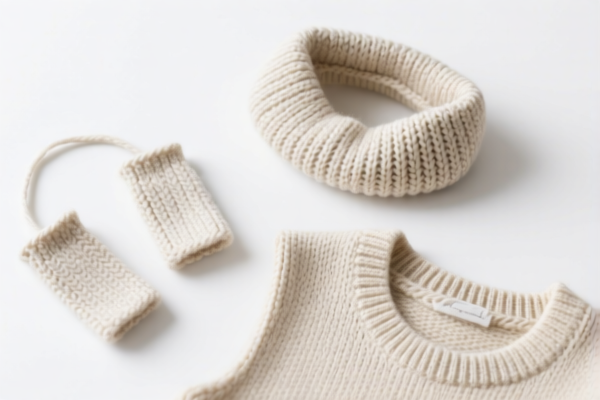
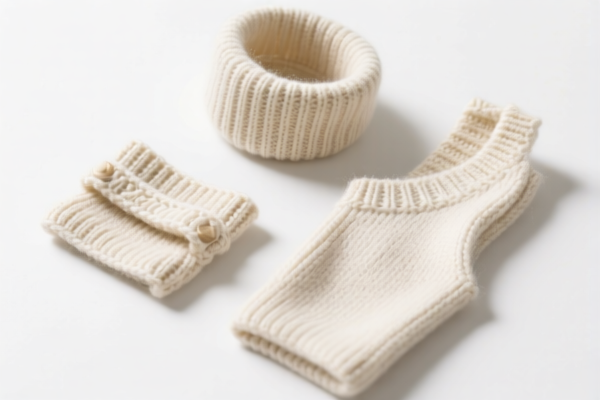
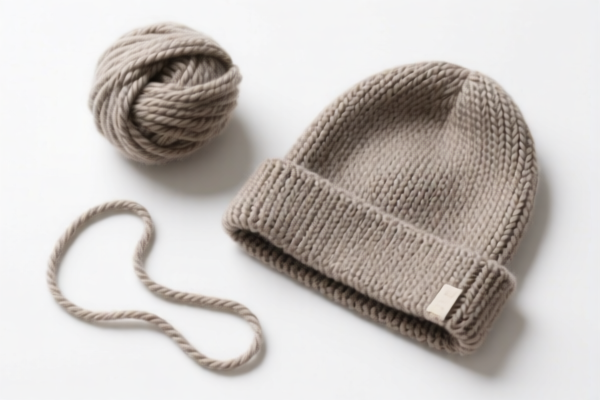

AI Analysis
Here is the comprehensive wiki-style guide for Crocheted Clothing Accessories of Wool or Fine Animal Hair, based strictly on the provided data.
🧶 Crocheted Clothing Accessories: Wool & Fine Animal Hair (Global Tariff Guide)
HS Code Reference & Customs Clearance Strategy | 2026 Market Analysis | Professional Compliance
🌐 Section 1: Product Definition & Classification Logic
Crocheted Clothing Accessories made of Wool or Fine Animal Hair represent a diverse category of textile products used for fashion, warmth, and ornamentation. In international trade, precise classification depends on the specific form of the accessory and the textile material composition.
These products are generally divided into two primary logical groups based on the provided data:
- Specific Apparel Accessories: Items explicitly shaped as scarves, shawls, stoles, and neckerchiefs (e.g., classic "wrap" styles).
- Key Classification: Usually falls under Heading 6214 (Clothing accessories, other than of knit or crochet).
- Other Textile Accessories & Materials: Items that do not fit the specific "scarf/shawl" definition or are categorized under broader textile material headings (Heading 51) for specific subsets or non-standard shapes.
- Key Classification: Falls under Heading 51 (Wool/Fine animal hair) or Heading 61 (Knitted/Crocheted accessories) depending on the specific manufacturing details.
⚠️ Critical Distinction: * Form Matters: A "shawl" (6214) attracts a significantly different tax rate than a generic "accessory part" (51/61). * Material Matters: While all inputs are Wool/Fine Animal Hair, the specific sub-category dictates the base tariff and the application of "Add-on" taxes (Section 301/IEEPA).
📦 Section 2: HS Code Classification Matrix (Official Data)
Based on the provided dataset, here is the authoritative breakdown of HS Codes and their corresponding descriptions.
| HS Code | Product Description | Material Logic | Total Tax Rate | Primary Risk Factor |
|---|---|---|---|---|
6214.20.00.00 |
Wool/Fine Animal Hair Accessories: Shaped as shawls, scarves, stoles, etc. Material is consistent. | Specific Form (Shawls/Scarves) | 24.2% | Low Base Tariff, Moderate Add-ons |
6214.90.00.90 |
Wool/Fine Animal Hair Accessories: Non-cotton textile materials, classified as "Other". | General/Other Textiles | 28.8% | Higher Base Tariff |
6117.80.95.20 |
Wool/Fine Animal Hair Accessories: Material and category strictly matched (Knitted/Crocheted). | Knitted/Crocheted Specific | 24.6% | Balanced Mix of Base + Add-on |
5111.11.70.30 |
Wool/Fine Animal Hair Parts: Component of this material category. No material conflict. | Bulk/Unfinished Parts | 60.0% | High Risk (Max Add-ons) |
5111.19.60.20 |
Wool/Fine Animal Hair Parts: Fallback category matching logic. No material conflict. | Fallback/Other Parts | 60.0% | High Risk (Max Add-ons) |
🔍 Classification Logic Explanation: * Why
6214? If the item is clearly a scarf or shawl made of wool, it falls here. * Why6117? If the item is a generic accessory (like a headband, belt, or specific crocheted trim) made of knitted/crocheted wool, it falls here. * Why5111? If the item is classified as a fabric piece, component, or unfinished part rather than a finished wearable accessory, it falls here, triggering the highest tax bracket.
💰 Section 3: Detailed Tariff & Tax Clause Breakdown
🌍 Applicable Regime
- Origin: China (CN) - Implied by tax structure (Base + Add-on + 122 Clause)
- Target Market: Likely United States (US) - Based on "122 Clause" and "Section 301" style add-ons.
- Product Category: Wool/Fine Animal Hair Textiles.
📊 Tax Structure Analysis
🔹 Group A: The "Accessory" Category (Lower Rates)
(Codes: 6214.20.00.00 | 6214.90.00.90 | 6117.80.95.20)
| HS Code | Base Tariff | Section 301 Add-on (7.5%) | 122-Clause Tariff (10%) | TOTAL RATE |
|---|---|---|---|---|
6214.20.00.00 |
6.7% | 7.5% | 10% | 24.2% |
6214.90.00.90 |
11.3% | 7.5% | 10% | 28.8% |
6117.80.95.20 |
14.6% | 0.0% | 10% | 24.6% |
- Clause
122Explanation: This specific 10% tariff appears to be a targeted levy on specific textile materials or regions. It applies uniformly to the first three codes. - Note on
6117.80.95.20: Interestingly, this code has 0% Section 301 Add-on, yet has a high Base Tariff (14.6%), resulting in a total similar to the lower-base codes.
🔹 Group B: The "Parts/Materials" Category (High Rates)
(Codes: 5111.11.70.30 | 5111.19.60.20)
| HS Code | Base Tariff | Section 301 Add-on (25%) | 122-Clause Tariff (10%) | TOTAL RATE |
|---|---|---|---|---|
5111.11.70.30 |
25.0% | 25.0% | 10% | 60.0% |
5111.19.60.20 |
25.0% | 25.0% | 10% | 60.0% |
- 🚨 Critical Alert: The tax rate jumps to 60% for goods classified under
5111. - Why? These codes classify the goods as raw parts or fabric components rather than finished accessories. Trade policies often punish unfinished goods with maximum Section 301 penalties (25% + Base 25% + 122 Clause 10%).
🛠️ Section 4: Customs Clearance Strategy & Recommendations
To ensure smooth customs clearance and avoid costly penalties or delays, follow these actionable steps.
✅ 1. Pre-Shipment Classification Audit
- Action: Verify the physical form of the product before shipping.
- Risk: If you ship a "scarf" but label it as "Wool Parts" (
5111), you risk a 60% tax bill. Conversely, if you ship "parts" as a "scarf" (6214), you risk Customs Fines + Back Taxes. - Strategy:
- Finished Scarves/Shawls → Use
6214.20.00.00(Best Tax: 24.2%). - Generic Crocheted Accessories → Use
6117.80.95.20(Tax: 24.6%). - Avoid
5111codes unless the product is genuinely an unfinished fabric roll or component.
- Finished Scarves/Shawls → Use
✅ 2. Documentation Requirements
To prove the "Accessory" status (and avoid the 5111 high tax), you must provide:
1. Product Photos: Must clearly show the finished shape (e.g., a wrapped scarf, not just a square of fabric).
2. Description: Explicitly state "Finished Scarf," "Shawl," or "Neckerchief" in the commercial invoice.
3. Material Declaration: Confirm "100% Wool or Fine Animal Hair."
4. Function Statement: Describe the item's end-use (e.g., "For neck warmth and fashion").
✅ 3. The "122-Clause" & Section 301 Compliance
- The Rule: The 10% 122-Clause tariff and Section 301 Add-ons are non-negotiable for these codes.
- Strategy: Do not attempt to hide the origin or misclassify to bypass these. They are strictly applied based on the HS Code and Origin.
- Costing: Factor 24.2% to 60.0% into your FOB/CIF pricing models. A 60% tax on a $100 item means the import duty is $60.
✅ 4. Special Advice for "Parts" vs. "Accessories"
- Scenario: You are exporting a "crocheted wool trim" intended for a garment.
- Trap: This might fall under
5111(Parts). - Solution: If the trim is a finished accessory (e.g., a standalone scarf or headband), ensure it is classified under
6214or6117. If it is purely a component for another manufacturer, be prepared for the 60.0% tax rate. Consider if the final product can be assembled elsewhere to change the classification logic.
📌 Section 5: Quick Reference Checklist
| Checklist Item | Requirement |
|---|---|
| HS Code Selection | Choose 6214 for Scarves/Shawls (24.2%) or 5111 only for parts (60.0%). |
| Tax Buffer | Reserve 25% - 60% of CIF value for duties. |
| Key Clauses | Base Tariff + Section 301 (7.5% or 25%) + 122 Clause (10%). |
| Prohibited Action | Do NOT classify finished accessories as 5111 parts to avoid the 60% tax; this is a major compliance risk. |
| Documentation | High-resolution photos of the finished product are essential to justify 6214 classification. |
🚀 Final Verdict: How to Maximize Profit & Minimize Risk
🎯 The "Golden Rule" of Wool Accessories: "Finish is King, Classification is Queen." * If the item looks like a Scarf/Shawl → Go for
6214.20.00.00(Lowest Tax: 24.2%). * If the item is a Generic Accessory → Go for6117.80.95.20(Medium Tax: 24.6%). * NEVER classify a finished scarf as a "Wool Part" (5111) unless you have no choice, as it triggers a 60.0% tax penalty.
📢 Action Item: Review your product photos immediately. If they look like finished garments/accessories, update your commercial invoice and HS Code to 6214 or 6117 before the cargo leaves the factory.
Disclaimer: This guide is based on the specific data provided in the prompt. Tariff rates and regulations are subject to change. Always consult with a licensed customs broker or trade lawyer for specific shipment advice.
Customer Reviews
About HS Code Classification
The Harmonized System (HS) is an internationally standardized nomenclature developed by the World Customs Organization (WCO) to classify traded products. Over 200 countries use the HS system as the basis for customs tariffs, trade statistics, and import/export regulations.
Each HS code follows a hierarchical structure:
- Chapter (2 digits) — Broad category of goods (e.g., Chapter 84: Machinery and Mechanical Appliances)
- Heading (4 digits) — More specific grouping within the chapter
- Subheading (6 digits) — Internationally standardized breakdown, used by all WCO member countries
- National subdivisions (8-10 digits) — Country-specific extensions for further classification, such as US HTSUS 10-digit codes
Correct HS code classification is essential for smooth customs clearance, accurate duty payment, and compliance with trade regulations. Misclassification can lead to customs delays, overpayment of duties, or penalties.
When importing from CN to US, the applicable tariff rates may include:
- Most-Favored-Nation (MFN) rate — The standard duty rate applied to WTO members
- General rate — Applied to countries without trade agreements
- Trade remedy duties — Additional tariffs such as Section 301 (anti-dumping), Section 232 (national security), or countervailing duties
The information provided on this page is for reference purposes only. For official classification, please consult with your local customs authority or a licensed customs broker.