Crocheted Specialty Clothing Accessories
CN → US| HS Code | Tariff Rate | Origin | Destination | Doc |
|---|---|---|---|---|
| 6117909055 | 32.1% | CN | US | Official Doc |
| 6102302010 | 45.7% | CN | US | Official Doc |
| 6117809570 | 32.1% | CN | US | Official Doc |
| 7113203000 | 23.3% | CN | US | Official Doc |
| 8308100000 | 0.0% | CN | US | Official Doc |
Product Images
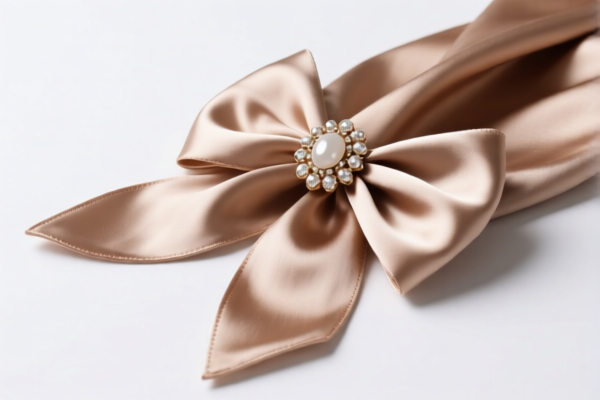
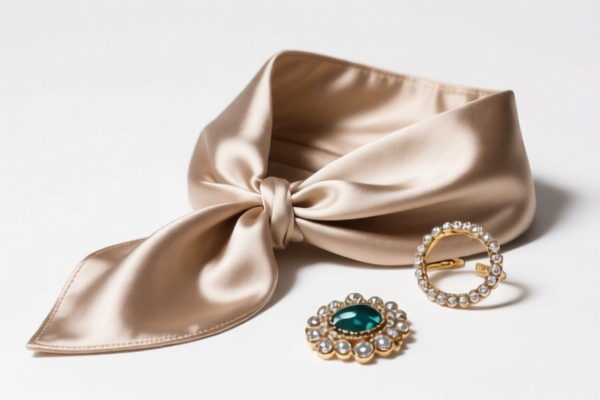
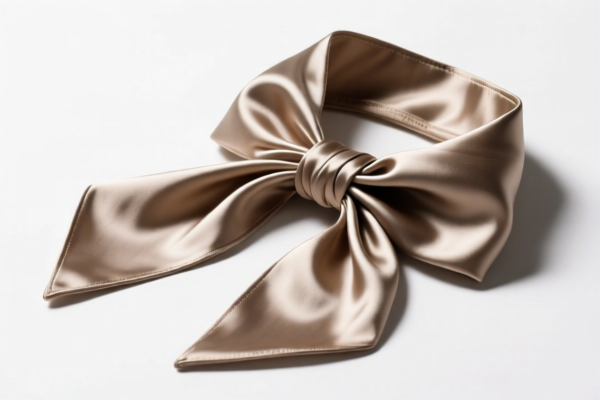
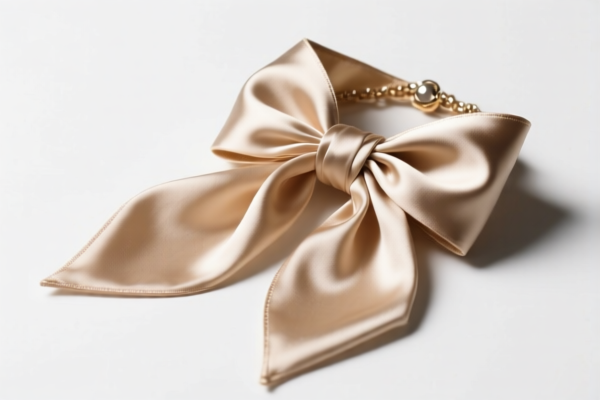
AI Analysis
🧶 Crocheted Specialty Clothing Accessories (钩编外套和夹克服装配件)
🌐 HS Code Reference & Customs Clearance Guide | 2026 Latest Tariff Analysis | Professional Strategy
📌 I. Product Definition & Classification: Do You Really Understand "Crocheted Accessories"?
Crocheted specialty clothing accessories primarily refer to decorative or functional components made from knitted or crocheted fabric, specifically intended for coats, jackets, and outerwear. These items are not standalone garments but parts and accessories. In international trade, accurate classification depends heavily on material composition, function, and physical form.
⚠️ Key Distinction Points:
- If the item is a general garment accessory (e.g., collars, cuffs, bands) made of knitted/crocheted fabric without specific metal hardware → Likely falls under Chapter 61 (Articles of Apparel and Clothing Accessories, Knitted or Crocheted). - If the item is a decorative clasp/buckle with precious metal plating → Likely falls under Chapter 71 (Imitation Jewelry). - If the item is a plain metal clasp/buckle without precious plating → Likely falls under Chapter 83 (Miscellaneous Articles of Base Metal).
📦 II. HS Code Classification Details (2026 Latest Tariff Authority Comparison)
| HS Code | Product Description | Application Scenario | Material/Form Check |
|---|---|---|---|
6117.90.90.55 |
Crocheted accessory items for coats and jackets; matching knitted/crocheted accessories and coat/jacket parts | Knitted collars, lapels, decorative trim for outerwear | ✅ Yes, knitted/crocheted |
6102.30.20.10 |
Crocheted coat/jacket accessories, meets category shape requirements, no material conflict | Specific functional parts of women’s coats, knitted structure | ✅ Yes, specific outerwear part |
6117.80.95.70 |
Knitted or crocheted clothing accessories, classified as general accessories, unclarified material falls under "other" | General knitted trims, belts, or bands not specifically named | ✅ Yes, general knitted |
7113.20.30.00 |
Crochet-style jewelry/ornaments; belongs to clasps and parts, material matches base metal plated with precious metal | Decorative metal clasps with gold/silver plating | ✅ Yes, precious metal plated |
8308.10.00.00 |
Jewelry-type clasps/hooks, purpose and form match, material inferred as base metal | Plain metal hooks, eyelets, or simple clasps | ✅ Yes, base metal |
🔍 Critical Reminder:
- Textile vs. Metal: The biggest risk is misclassifying a metal-clasp as a textile accessory. If the item is primarily metal (even if used on clothing), it belongs to Chapter 83 or 71, not Chapter 61. - Form Factor: Items described as "crocheted" that are actually metal imitations must be classified by material (Ch 71/83), not by appearance.
💰 III. 2026 Latest Tariff Rate Breakdown (Including Surcharges & Policy Add-ons)
✅ Applicable Country: United States (US)
✅ Origin: China (CN)
✅ Effective Time: 2025/2026 Import Period
🎯 1. 6117.90.90.55 & 6117.80.95.70 —— Knitted/Crocheted Coat Accessories (Textile)
| Item | Content |
|---|---|
| Base Tariff | 14.6% (ad valorem) |
| Section 301 Surcharge | +7.5% |
| Section 122 Surcharge | +10% |
| Total Tariff | 32.1% |
| Tax Calculation | CIF Value × 32.1% |
| De Minimis Exemption | ❌ Not Applicable (High tariff items usually excluded) |
| Legal Path | USITC:6117.90.90.55 → 301 Footnote → 122 Footnote |
📌 Explanation:
- These two codes share the same tariff structure because they are both general knitted/crocheted textile accessories for outerwear. - The 14.6% base is standard for many apparel accessories. - The 7.5% Section 301 and 10% Section 122 are mandatory additions for Chinese-origin goods in this category.
🎯 2. 6102.30.20.10 —— Specific Knitted Coat Parts (High-Risk Classification)
| Item | Content |
|---|---|
| Base Tariff | 28.2% (ad valorem) |
| Section 301 Surcharge | +7.5% |
| Section 122 Surcharge | +10% |
| Total Tariff | 45.7% |
| Tax Calculation | CIF Value × 45.7% |
| De Minimis Exemption | ❌ Not Applicable |
| Legal Path | USITC:6102.30.20.10 → 301 Footnote → 122 Footnote |
📌 Warning:
- This code carries a much higher base rate (28.2%) due to specific regulatory scrutiny on certain knitted outerwear parts. - Total 45.7% is extremely high. Ensure the product strictly meets the "no material conflict" and "category shape" requirements to avoid being reclassified to even higher rates.
🎯 3. 7113.20.30.00 —— Imitation Jewelry Clasps (Precious Metal Plated)
| Item | Content |
|---|---|
| Base Tariff | 5.8% (ad valorem) |
| Section 301 Surcharge | +7.5% |
| Section 122 Surcharge | +10% |
| Total Tariff | 23.3% |
| Tax Calculation | CIF Value × 23.3% |
| De Minimis Exemption | ❌ Not Applicable |
| Legal Path | USITC:7113.20.30.00 → 301 Footnote → 122 Footnote |
📌 Note:
- Lower base rate due to classification as "Imitation Jewelry." - Crucial: Must be confirmed as base metal plated with precious metal (e.g., gold-plated steel). If unverified, Customs may reclassify to8308.10.00.00.
🎯 4. 8308.10.00.00 —— Base Metal Clasps/Hooks (Plain Metal)
| Item | Content |
|---|---|
| Base Tariff | 1.1 ¢/kg + 2.9% (ad valorem) |
| Section 301 Surcharge | +25.0% |
| Section 122 Surcharge | +10% |
| Total Tariff | 1.1 ¢/kg + 37.9% |
| Tax Calculation | Weight-Based + Value-Based |
| De Minimis Exemption | ❌ Not Applicable |
| Legal Path | USITC:8308.10.00.00 → 301 Footnote → 122 Footnote |
📌 Complex Calculation:
- This code uses a hybrid rate: a specific duty per kilogram (1.1 cents) plus an ad valorem percentage (2.9%). - The Section 301 surcharge is 25% (higher than the 7.5% in textile/jewelry codes), significantly increasing costs. - Verification: Must be plain base metal without precious plating. If plated, it must move to7113.20.30.00.
🛠️ IV. Customs Clearance Practical Advice (Battle-Tested Pitfall Guide)
✅ 1. Preparation Checklist (Non-Negotiable)
| Document | Required | Explanation |
|---|---|---|
| ✅ Product Photos | ✔️ | Clear shots of texture (crochet vs. metal), plating details, and hooks. |
| ✅ Material Composition Report | ✔️ | Critical to distinguish between "Knitted Textile" (Ch 61) and "Base Metal" (Ch 83/71). |
| ✅ Product Specification Sheet | ✔️ | Must define usage (e.g., "collar trim" vs. "jewelry clasp"). |
| ✅ Commercial Invoice | ✔️ | Description must be precise: "Knitted Crochet Collar" vs. "Metal Clasp." |
| ✅ Origin Certificate | ✔️ | To confirm CN origin for tariff calculation. |
✅ 2. Declaration Tips (Key Mnemonic)
🔥 “Material Defines Code, Form Defines Rate, Don’t Mix Textile with Metal!”
| Scenario | Correct HS Code | Incorrect Practice | Consequence |
|---|---|---|---|
| Knitted collar/trim | 6117.90.90.55 / 6117.80.95.70 |
Classify as metal clasp | Wrong rate (23-37% vs 32%) |
| Metal clasp (plain) | 8308.10.00.00 |
Classify as jewelry | Overpay or underpay, potential penalty |
| Metal clasp (plated) | 7113.20.30.00 |
Classify as base metal | Higher 25% surcharge vs 7.5% |
| Complex accessory | 6102.30.20.10 |
General accessory code | Missed high-risk scrutiny, penalty |
✅ 3. Special Handling
| Situation | Advice |
|---|---|
| Mixed Materials | If an accessory has both crochet fabric and metal hooks, classify based on essential character. Usually, if metal is minor, it stays in Ch 61. If metal is functional/structural, it may shift to Ch 83. |
| "Crochet-Style" Metal | If it looks like crochet but is metal, it is NOT Ch 61. It is Ch 71 or 83. |
| Small Qty Samples | Even small quantities are subject to full tariffs if HS Code is above de minimis threshold (currently $800, but high-tariff items may be scrutinized). |
🌍 V. Global Market Comparison (2026)
| Country/Region | Recommended HS Code | Tariff (China Origin) | Certification | Notes |
|---|---|---|---|---|
| 🇺🇸 USA | 6117.90.90.55 / 7113.20.30.00 |
23.3% - 45.7% | None specific | High surcharges apply. |
| 🇨🇳 China | 6117.90.90.55 |
~5-10% | None | Lower import duties. |
| 🇪🇺 EU | 6117.90 (HS7) |
~4-6% | CE (if applicable) | No Section 301/122. |
| 🇬🇧 UK | 6117.90 |
~4-6% | UKCA | Post-Brexit alignment with EU. |
📌 Conclusion:
- USA is the most expensive market due to Section 301 (7.5% or 25%) and Section 122 (10%). - Accurate material declaration is the #1 way to save costs. Misclassifying metal as textile (or vice versa) leads to audits.
📌 VI. Common Mistakes & Pitfalls (Blood Lessons)
❌ Mistake 1: Calling a "Metal Clasp" a "Crocheted Accessory" because it’s used on crocheted clothes.
👉 Result: Customs reclassifies to 8308.10.00.00 or 7113.20.30.00, leading to underpayment if you declared 32.1% instead of 23.3% or vice versa, or overpayment.
❌ Mistake 2: Using vague descriptions like "Clothing Parts."
👉 Result: Customs delays shipment for classification review. Possible 2-4 week hold.
❌ Mistake 3: Ignoring the "Section 122" 10% surcharge.
👉 Result: Budget miscalculation. That 10% is mandatory for all these codes from China.
✅ Correct Declaration Example:
"Knitted Crochet Collar Trim, 100% Acrylic, for Women’s Coat, Model XYZ, Made in China"
vs.
"Gold-Plated Metal Clasp, Base Metal Core, Imitation Jewelry Component, Made in China"
🎯 VII. Conclusion: Precision Saves Money!
🎯 Remember the Rules:
🔹 "Textile = Ch 61 (32-45%) | Plated Metal = Ch 71 (23%) | Plain Metal = Ch 83 (37%+)"
🔹 "Section 122 is 10% No Matter What | Section 301 is 7.5% (Ch 61/71) or 25% (Ch 83)"
🔹 "Look at the Material, Not Just the Look!"
📌 Pro Tip:
If your product is metal but looks like crochet, declare it as Imitation Jewelry (7113.20.30.00) if plated (23.3%) or Base Metal (8308.10.00.00) if un-plated (37.9%+). Do not declare as Knitted Textile to save costs—Customs can easily verify material composition via X-ray or physical inspection.
📣 Immediate Action:
📞 Provide Material Test Reports to your customs broker.
🚀 Confirm if your metal parts are plated or plain. This single fact changes your tariff by ~14-15%.
✨ Professional Customs Clearance Starts with Accurate Classification!
💼 Your Bottom Line Depends on the First Line of Your Invoice!
Customer Reviews
About HS Code Classification
The Harmonized System (HS) is an internationally standardized nomenclature developed by the World Customs Organization (WCO) to classify traded products. Over 200 countries use the HS system as the basis for customs tariffs, trade statistics, and import/export regulations.
Each HS code follows a hierarchical structure:
- Chapter (2 digits) — Broad category of goods (e.g., Chapter 84: Machinery and Mechanical Appliances)
- Heading (4 digits) — More specific grouping within the chapter
- Subheading (6 digits) — Internationally standardized breakdown, used by all WCO member countries
- National subdivisions (8-10 digits) — Country-specific extensions for further classification, such as US HTSUS 10-digit codes
Correct HS code classification is essential for smooth customs clearance, accurate duty payment, and compliance with trade regulations. Misclassification can lead to customs delays, overpayment of duties, or penalties.
When importing from CN to US, the applicable tariff rates may include:
- Most-Favored-Nation (MFN) rate — The standard duty rate applied to WTO members
- General rate — Applied to countries without trade agreements
- Trade remedy duties — Additional tariffs such as Section 301 (anti-dumping), Section 232 (national security), or countervailing duties
The information provided on this page is for reference purposes only. For official classification, please consult with your local customs authority or a licensed customs broker.