Crocodile Hair Clip
CN → US| HS Code | Tariff Rate | Origin | Destination | Doc |
|---|---|---|---|---|
| 7326200090 | 88.9% | CN | US | Official Doc |
| 8536908585 | 85.0% | CN | US | Official Doc |
| 8536904000 | 35.0% | CN | US | Official Doc |
| 8205700090 | 40.0% | CN | US | Official Doc |
| 7326908688 | 87.9% | CN | US | Official Doc |
| 8205598000 | 38.7% | CN | US | Official Doc |
Product Images
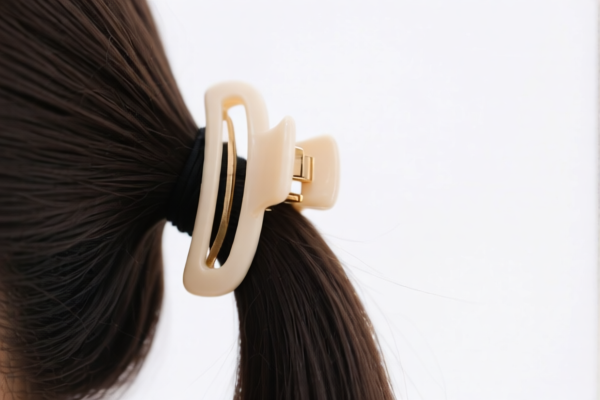
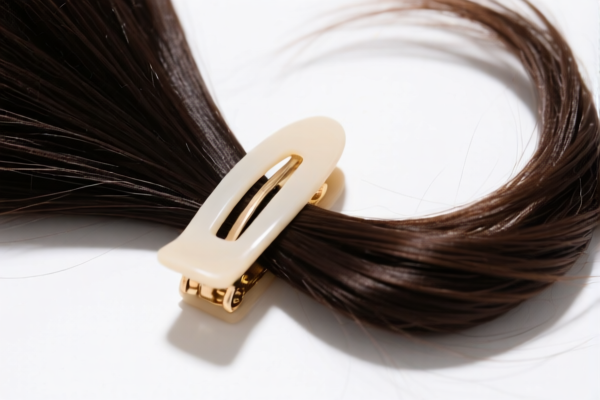
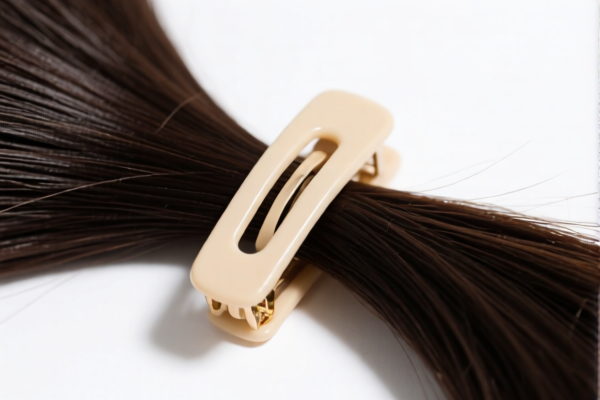
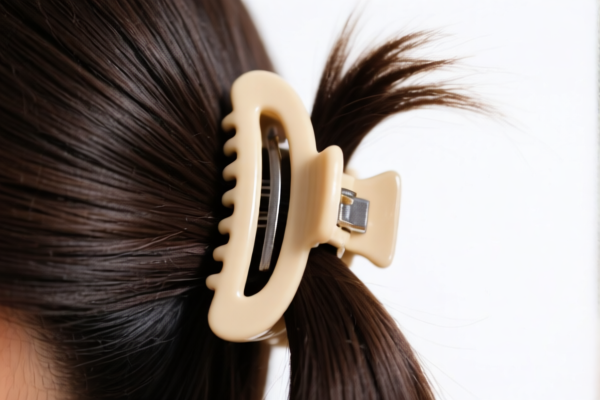
AI Analysis
🐊 Crocodile Hair Clips (Alligator Clips)
🌐 HS Code Reference & Customs Clearance Guide | 2026 Latest Tariff Analysis | Professional Level Compliance Strategy
📌 I. Product Definition & Classification: Do You Really Understand "Alligator Clips"?
Crocodile Hair Clips (commonly known as Alligator Clips in industrial and electrical contexts) are versatile connectors used for temporary electrical connections or, less commonly, as mechanical clamps in cosmetics (hair accessories).
In international trade, their classification depends entirely on their intended use and material composition. They are primarily divided into two categories:
- Electrical Connectors: Used for making temporary electrical connections (e.g., in lab experiments, automotive testing, electronics assembly). These fall under Chapter 85 (Electrical Machinery).
- General Metal Articles / Tools: Used as simple clamps, tongs, or cosmetic clips. These fall under Chapter 73 (Iron/Steel Articles) or Chapter 82 (Tools).
⚠️ Key Distinction Point:
- If the clip has conductive properties or is sold as an electrical component →归入 8536
- If the clip is a simple mechanical clamp (iron/steel) or hand tool →归入 7326 or 8205
📦 II. HS Code Classification Details (2026 Latest Tariff Authority Comparison)
| HS Code | Product Description | Application Scenario | Material/Function |
|---|---|---|---|
8536.90.40.00 |
Electrical connectors, clips, and other components | Electrical splicing, testing leads, circuit assembly | ✅ Electrical Function |
8536.90.85.85 |
Other parts and accessories for electrical apparatus | General electrical connection parts, non-specific electrical clips | ✅ Electrical Function |
8205.70.00.90 |
Hand tools: tongs, pincers, and similar products | Mechanical clamping, lab bench clamps, general-purpose metal clamps | ❌ Mechanical Function |
8205.59.80.00 |
Other hand tools | Metal clips used as tools or fixtures | ❌ Mechanical Function |
7326.20.00.90 |
Other articles of iron or steel | Iron/Steel alligator clips, non-electrical specific | ✅ Material: Iron/Steel |
7326.90.86.88 |
Other articles of iron or steel | General metal制品, non-listed specific items | ✅ Material: Iron/Steel |
🔍 Key Reminder:
- Electrical Use: Always prioritize Chapter 85 if the clip is designed for electrical connectivity. This often results in lower base tariffs but still incurs significant Section 301/IEEPA surcharges.
- Mechanical/General Use: Falls under Chapter 73 or 82. These are treated as general metal goods or tools, often attracting higher base tariffs plus the same surcharges.
- Cosmetic Use: If specifically marketed as "hair accessories," customs may still classify them based on material (Iron/Steel) under 7326, unless they are distinctly ornamental plastic/gold-plated items (not covered in the provided data).
💰 III. 2026 Latest Tariff Rate Breakdown (Including Additional Taxes & Policy Surcharges)
✅ Applicable Country: United States (US)
✅ Origin: China (CN)
✅ Effective Date: From November 10, 2025 onwards
🎯 1. 8536.90.40.00 – Electrical Connectors / Clips
| Item | Content |
|---|---|
| Base Tariff | 0.0% (ad valorem) |
| USITC Additional Tariff | +25% (Section 301) |
| IEEPA Additional Tariff | +10% (China-specific, effective Nov 10, 2025) |
| Total Tariff Rate | 35.0% |
| Tax Calculation | CIF Value × 35% |
| De Minimis Eligibility | ❌ Not Eligible (Section 321/De Minimis excluded) |
| Legal Basis Path | USITC:8536.90.40.00 → Section 301 Footnote → IEEPA:9903.01.24 |
📌 Explanation:
- Base 0%: Electrical components often have low base tariffs.
- 35% Total: Despite the 0% base, the 25% (Section 301) + 10% (IEEPA) surcharges result in a 35% effective duty rate.
- Strategic Advantage: This is the lowest total tax rate among all provided codes for this product.
🎯 2. 8536.90.85.85 – Other Electrical Parts & Accessories
| Item | Content |
|---|---|
| Base Tariff | 0.0% |
| USITC Additional Tariff | +25% |
| IEEPA Additional Tariff | +10% |
| Total Tariff Rate | 35.0% |
| Tax Calculation | CIF Value × 35% |
| De Minimis Eligibility | ❌ Not Eligible |
| Legal Basis Path | USITC:8536.90.85.85 → Section 301 Footnote → IEEPA:9903.01.24 |
📌 Note:
- Identical tax burden to8536.90.40.00.
- Use this code if the clip is a generic electrical accessory not fitting the specific "splicing/connector" definition of 8536.90.40.00.
🎯 3. 8205.70.00.90 – Hand Tools: Tongs/Pincers
| Item | Content |
|---|---|
| Base Tariff | 5.0% |
| USITC Additional Tariff | +25% |
| IEEPA Additional Tariff | +10% |
| Total Tariff Rate | 40.0% |
| Tax Calculation | CIF Value × 40% |
| De Minimis Eligibility | ❌ Not Eligible |
| Legal Basis Path | USITC:8205.70.00.90 → Section 301 Footnote → IEEPA:9903.01.24 |
📌 Note:
- Classified as a tool (pincers/tongs).
- Higher base rate (5%) leads to a 40% total rate. Avoid if the product can be legally defined as an electrical component.
🎯 4. 8205.59.80.00 – Other Hand Tools
| Item | Content |
|---|---|
| Base Tariff | 3.7% |
| USITC Additional Tariff | +25% |
| IEEPA Additional Tariff | +10% |
| Total Tariff Rate | 38.7% |
| Tax Calculation | CIF Value × 38.7% |
| De Minimis Eligibility | ❌ Not Eligible |
| Legal Basis Path | USITC:8205.59.80.00 → Section 301 Footnote → IEEPA:9903.01.24 |
📌 Note:
- A sub-category of hand tools.
- Slightly lower than8205.70.00.90but still higher than electrical codes (8536).
🎯 5. 7326.90.86.88 – Other Iron/Steel Articles
| Item | Content |
|---|---|
| Base Tariff | 2.9% |
| USITC Additional Tariff | +25% |
| IEEPA Additional Tariff | +50% (Steel/Aluminum/Copper Products Section 232/301 Hybrid) |
| Total Tariff Rate | 77.9% |
| Tax Calculation | CIF Value × 77.9% |
| De Minimis Eligibility | ❌ Not Eligible |
| Legal Basis Path | USITC:7326.90.86.88 → Section 232 Footnote + Section 301 → IEEPA |
⚠️ Critical Warning:
- 77.9% is a punitive tariff rate.
- The 50% additional duty applies to many steel articles under Section 232/301 enforcement.
- Avoid this code unless the product is strictly non-electrical, non-tool general metalware. It is extremely costly.
🎯 6. 7326.20.00.90 – Other Iron/Steel Wire Articles
| Item | Content |
|---|---|
| Base Tariff | 3.9% |
| USITC Additional Tariff | +25% |
| IEEPA Additional Tariff | +50% (Steel/Aluminum/Copper Products) |
| Total Tariff Rate | 78.9% |
| Tax Calculation | CIF Value × 78.9% |
| De Minimis Eligibility | ❌ Not Eligible |
| Legal Basis Path | USITC:7326.20.00.90 → Section 232 Footnote + Section 301 → IEEPA |
⚠️ Critical Warning:
- 78.9% is the highest tariff rate in the dataset.
- Applies to wire-based steel articles with heavy surcharges.
- Strictly avoid for alligator clips unless they are simple wire forms with no electrical or tool functionality.
🛠️ IV. Customs Clearance Operational Advice (Practical Pitfall Avoidance Guide)
✅ 1. Document Preparation Checklist (All Required)
| Document | Required? | Explanation |
|---|---|---|
| ✅ Product Specifications | ✔️ | Must specify material (e.g., "Plated Steel"), function ("Electrical Connector"), and dimensions. |
| ✅ Technical Drawings | ✔️ | To prove electrical contact points (for HS 8536) vs. mechanical jaws (for HS 8205). |
| ✅ Product Photos | ✔️ | Clear images showing insulation, jaws, and labeling. |
| ✅ Commercial Invoice | ✔️ | Must clearly state: "Electrical Alligator Clip, Model XYZ" or "Steel Pincer, Model XYZ". Do not use vague terms like "Hardware". |
| ✅ Certificate of Origin (CO) | ✔️ | To verify Chinese origin and confirm surcharge applicability. |
| ✅ Packing List | ✔️ | Detail quantity and net/gross weight. |
✅ 2. Declaration Strategy (Key Tips)
🔥 Golden Rule:
"Electrical Function Wins! Use Chapter 85 to Minimize Tax!"
| Scenario | Correct Declaration | Incorrect Declaration | Consequence |
|---|---|---|---|
| Electrical Alligator Clip | HS 8536.90.40.00 or 8536.90.85.85 |
Misdeclared as "Steel Clip" (7326) |
Tax jumps from 35% to 77-78% → Huge Penalty! |
| Lab Bench Clamp (Tool) | HS 8205.70.00.90 |
Misdeclared as "Electrical Part" | Incorrect classification; potential audit risk if no electrical use. |
| Cosmetic Hair Clip (Metal) | HS 7326.90.86.88 (Risk!) |
Misdeclared as "Electrical" | If not electrical, customs will reclassify and apply 77.9% tax. |
📌 Critical Insight:
- HS 8536 codes have a 0% base tariff, making them the most cost-effective option for alligator clips, despite the 25%+10% surcharges.
- HS 7326 codes have high surcharges (50%), making them financially disastrous.
- Always argue for electrical classification if the product is used in electronics, testing, or electrical assembly.
✅ 3. Special Case Handling
| Scenario | Handling Advice |
|---|---|
| Mixed Shipment | Separate electrical clips (HS 8536) from mechanical clamps (HS 8205/7326) on the invoice to apply correct rates. |
| Insulated vs. Uninsulated | Both fall under HS 8536 if used for electrical purposes. Ensure specs mention "Electrical Use." |
| Customs Audit Defense | Provide test reports showing conductivity or usage in electrical circuits. |
| Cosmetic Use | If strictly for hair (non-conductive, ornamental), you may be forced into HS 7326. In this case, 77.9% applies. Consider if plastic/plating alternatives (not in data) exist for different HS codes. |
🌍 V. Global Market Customs Comparison (2026 Latest)
| Country/Region | Recommended HS Code | Tariff (China Origin) | Certification Required | Notes |
|---|---|---|---|---|
| 🇺🇸 USA | 8536.90.40.00 |
35.0% (Best Option) | None specific | Avoid 7326 (77-78%) |
| 🇨🇳 China | 8536.90.40.00 |
0%~5% | N/A | Low import duty, no surcharges |
| 🇪🇺 EU | 8536.90.90 |
0% (Free Trade) | CE, RoHS | No US-style surcharges |
| 🇬🇧 UK | 8536.90.90 |
0% | UKCA | Post-Brexit alignment with EU |
📌 Conclusion:
- USA imposes heavy surcharges. Electrical classification (8536) is critical to save ~40-45% in duties.
- EU/UK are favorable with 0% tariffs for electrical components.
- China is the manufacturing hub; exports to US face the highest friction.
📌 VI. Common Errors & Pitfall Guide (Lessons Learned)
❌ Error 1: Declaring Electrical Clips as "Steel Wire Articles" (7326)
👉 Consequence: Tax rate spikes from 35% to 78.9% → Loss of Profit Margin!
❌ Error 2: Vague Description "Hardware Clip"
👉 Consequence: Customs may arbitrarily classify under 7326.90.86.88 (77.9%) or 8205 (40%) → Delays & Penalties
❌ Error 3: Ignoring IEEPA Surcharge (10%)
👉 Consequence: Underestimating landed cost. Even with 0% base, 35% total applies.
❌ Error 4: Mixing Electrical and Mechanical Clips in One HS Code
👉 Consequence: Customs rejection or request for correction. Always separate by function.
✅ Correct Practice:
"Alligator Clip, Electrical Connector, Plated Steel, 20A Rating, Model ABC"
HS Code:8536.90.40.00
Duty: 35% (Optimal)
🎯 VII. Conclusion: Professional Declaration, Cost Saving!
🎯 Remember the Mantra:
🔹 "Electrical First! HS 8536 Saves You 40%! Steel Tools Cost You Double!"
🔹 "HS Code Determines Life or Death! 35% vs 78% is the Gap of Success!"
📌 Pro Tip:
If your alligator clips are not for electrical use (e.g., purely decorative or mechanical), you must accept the higher tariffs (38-78%). To mitigate this, consider:
1. Relocating assembly to a third country (e.g., Vietnam, Mexico) to avoid US China surcharges.
2. Applying for an Exclusion under Section 301 (if applicable).
3. Using Plastic Components where possible to change material classification (if not covered in this data).
📣 Immediate Action:
📞 Consult a Licensed Customs Broker
📝 Provide Technical Data Sheets
🚀 Optimize Your HS Code to8536.90.40.00for Maximum Savings!
✨ Professional Customs Clearance Starts with Precise Classification!
💼 Every Dollar Saved is Pure Profit!
Customer Reviews
About HS Code Classification
The Harmonized System (HS) is an internationally standardized nomenclature developed by the World Customs Organization (WCO) to classify traded products. Over 200 countries use the HS system as the basis for customs tariffs, trade statistics, and import/export regulations.
Each HS code follows a hierarchical structure:
- Chapter (2 digits) — Broad category of goods (e.g., Chapter 84: Machinery and Mechanical Appliances)
- Heading (4 digits) — More specific grouping within the chapter
- Subheading (6 digits) — Internationally standardized breakdown, used by all WCO member countries
- National subdivisions (8-10 digits) — Country-specific extensions for further classification, such as US HTSUS 10-digit codes
Correct HS code classification is essential for smooth customs clearance, accurate duty payment, and compliance with trade regulations. Misclassification can lead to customs delays, overpayment of duties, or penalties.
When importing from CN to US, the applicable tariff rates may include:
- Most-Favored-Nation (MFN) rate — The standard duty rate applied to WTO members
- General rate — Applied to countries without trade agreements
- Trade remedy duties — Additional tariffs such as Section 301 (anti-dumping), Section 232 (national security), or countervailing duties
The information provided on this page is for reference purposes only. For official classification, please consult with your local customs authority or a licensed customs broker.