Crop Protection Agent
CN → US| HS Code | Tariff Rate | Origin | Destination | Doc |
|---|---|---|---|---|
| 3808520000 | 24.0% | CN | US | Official Doc |
| 3808915001 | 40.0% | CN | US | Official Doc |
| 3808935040 | 40.0% | CN | US | Official Doc |
| 2939800050 | 41.5% | CN | US | Official Doc |
| 2939790000 | 10.0% | CN | US | Official Doc |
Product Images
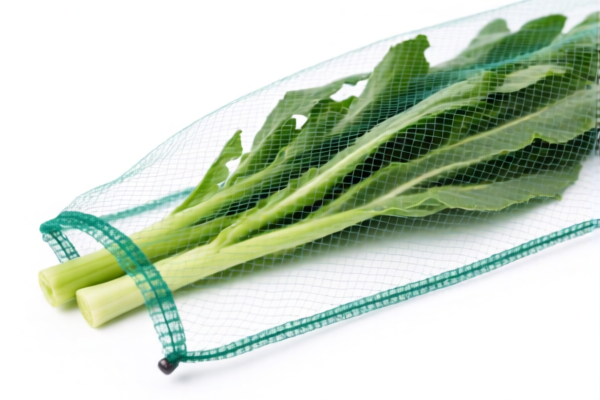
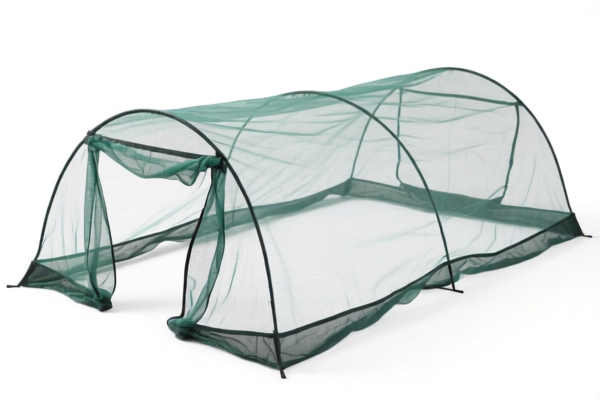
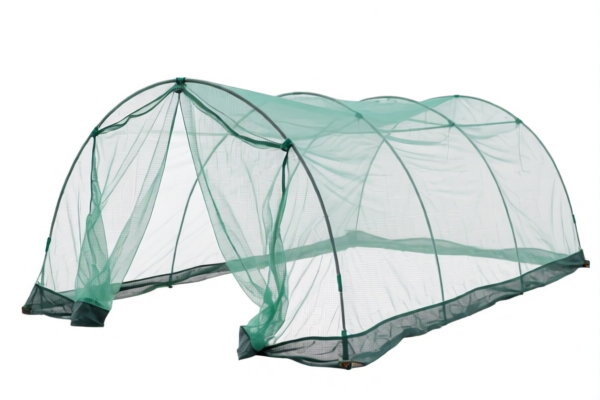
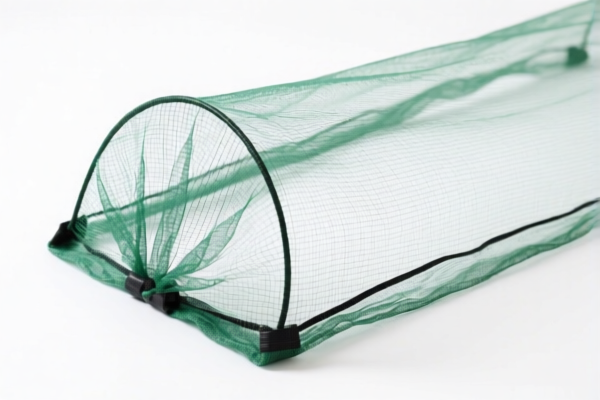
AI Analysis
🌿 Crop Protection Agent (Agricultural Pesticides & Regulators)
🌐 HS Code Reference & Customs Clearance Guide | 2026 Latest Tariff Analysis | Professional Strategy for Agricultural Chemicals
📌 I. Product Definition & Classification: Do You Really Know "Crop Protection Agent"?
"Crop Protection Agent" is a broad commercial term encompassing various chemical substances used to prevent, destroy, repel, or mitigate pests (insects, weeds, fungi, rodents, etc.) that harm agricultural crops. In international trade, this term is not a specific HS Code. Misclassification here can lead to severe customs delays, penalties, and incorrect duty calculations.
The classification depends strictly on the active ingredient, chemical structure, and primary function: 1. Insecticides/Pesticides: If the primary purpose is killing insects or pests. 2. Herbicides/Plant Regulators: If the primary purpose is killing weeds or regulating plant growth. 3. Alkaloids/Derivatives: If the primary purpose is biological regulation derived from specific alkaloid structures.
⚠️ Key Distinction:
- If the product is an insecticide intended for pest control → Look at Chapter 38, Heading 3808.
- If the product is a plant growth regulator or herbicide → Look at Chapter 38, Heading 3808 (specific subheadings) or potentially Chapter 29 if it is a specific chemical isolated as an alkaloid.
📦 II. HS Code Classification Details (2026 Latest Tariff Authority Cross-Reference)
Based on the provided data, here are the four possible HS Codes for "Crop Protection Agent," sorted by logical fit and tax implication.
| HS Code | Product Description | Applicable Scenario | Tax Rate | Key Differentiator |
|---|---|---|---|---|
3808.52.00.00 |
Insecticides for crop pest control | Best Fit for Insecticides. Used specifically for pest control. Matches the "Insecticide" category. | 24.0% | Lowest tax. Applies if the product is strictly an insecticide. |
3808.91.50.01 |
Pesticides/Herbicides (Other) | General Pesticide. Matches "Crop Protection Agent" broadly if not a specific insecticide. No material/shape conflict. | 40.0% | Higher tax. Applies to other pesticides/herbicides not covered by 3808.52. |
3808.93.50.40 |
Plant Growth Regulators | Biological Regulators. Used as plant growth regulators. Belongs to herbicide/regulator category. | 40.0% | High tax. Applies if the "protection" involves growth regulation rather than direct pest killing. |
2939.80.00.50 |
Alkaloids & Derivatives (Miscellaneous) | Chemical Derivatives. Belongs to "Other alkaloids and their derivatives." Fallback logic for chemical substances. | 41.5% | Highest Tax. Applies if the product is a specific chemical alkaloid derivative not covered elsewhere. |
2939.79.00.00 |
Plant-Derived Alkaloids | Specific Alkaloids. Plant-derived alkaloids and derivatives. No material conflict. | 10.0% | Lowest Tax (Special Case). Applies ONLY if it is a specific plant-derived alkaloid. |
🔍 Critical Note:
-3808.52.00.00(24%) is the recommended target if your product is an insecticide.
-2939.79.00.00(10%) offers the lowest tax but is strictly limited to plant-derived alkaloids. Misdeclaring a general pesticide as an alkaloid will trigger audits and penalties.
-3808.91.50.01and3808.93.50.40carry a high 40% total tax rate due to higher base and additional tariffs.
💰 III. 2026 Latest Tariff Rate Breakdown (Including Additional Taxes & Policy Surcharges)
✅ Applicable Country: United States (US)
✅ Origin: China (CN)
✅ Effective Date: From November 10, 2025 onwards (including subsequent imports)
🎯 1. 3808.52.00.00 —— Insecticides (Target Classification for Insecticides)
| Item | Content |
|---|---|
| Base Tariff | 6.5% |
| Section 301 Surcharge | 7.5% |
| Section 122 Surcharge | 10.0% |
| Total Tariff Rate | 24.0% |
| Tax Calculation | CIF Value × 24% |
| De Minimis Exemption | ❌ Not Applicable (Deny De Minimis) |
| Legal Basis Path | 3808.52.00.00 → Base 6.5% + Section 301 7.5% + Section 122 10% |
📌 Explanation:
- This is the most cost-effective classification for insecticides.
- Section 122 Tariff (10%) is a specific surcharge added to agricultural chemicals.
- Section 301 Tariff (7.5%) applies to Chinese-origin goods in this category.
- Total: 24%. This is significantly lower than the 40%+ rates for other pesticide types.
🎯 2. 3808.91.50.01 —— Other Pesticides (General Crop Protection)
| Item | Content |
|---|---|
| Base Tariff | 5.0% |
| Section 301 Surcharge | 25.0% |
| Section 122 Surcharge | 10.0% |
| Total Tariff Rate | 40.0% |
| Tax Calculation | CIF Value × 40% |
| De Minimis Exemption | ❌ Not Applicable |
| Legal Basis Path | 3808.91.50.01 → Base 5.0% + Section 301 25.0% + Section 122 10% |
📌 Note:
- The Section 301 Surcharge jumps to 25%, making this category much more expensive.
- Applies to pesticides that are not classified as insecticides (e.g., fungicides, herbicides) unless they fit specific alkaloid categories.
🎯 3. 3808.93.50.40 —— Plant Growth Regulators
| Item | Content |
|---|---|
| Base Tariff | 5.0% |
| Section 301 Surcharge | 25.0% |
| Section 122 Surcharge | 10.0% |
| Total Tariff Rate | 40.0% |
| Tax Calculation | CIF Value × 40% |
| De Minimis Exemption | ❌ Not Applicable |
| Legal Basis Path | 3808.93.50.40 → Base 5.0% + Section 301 25.0% + Section 122 10% |
📌 Note:
- Same high tax rate as general pesticides.
- Applies to products whose primary function is growth regulation or herbicide action, not direct insect killing.
🎯 4. 2939.80.00.50 —— Alkaloids & Derivatives (Miscellaneous)
| Item | Content |
|---|---|
| Base Tariff | 6.5% |
| Section 301 Surcharge | 25.0% |
| Section 122 Surcharge | 10.0% |
| Total Tariff Rate | 41.5% |
| Tax Calculation | CIF Value × 41.5% |
| De Minimis Exemption | ❌ Not Applicable |
| Legal Basis Path | 2939.80.00.50 → Base 6.5% + Section 301 25.0% + Section 122 10% |
📌 Warning:
- This is a fallback category with the highest tax rate among the 3808/2939 options.
- Only use if the product is a specific alkaloid derivative that doesn't fit other descriptions.
🎯 5. 2939.79.00.00 —— Plant-Derived Alkaloids (Special Low-Tax Case)
| Item | Content |
|---|---|
| Base Tariff | 0.0% |
| Section 301 Surcharge | 0.0% |
| Section 122 Surcharge | 10.0% |
| Total Tariff Rate | 10.0% |
| Tax Calculation | CIF Value × 10% |
| De Minimis Exemption | ❌ Not Applicable |
| Legal Basis Path | 2939.79.00.00 → Base 0.0% + Section 301 0.0% + Section 122 10% |
📌 Special Opportunity:
- Lowest Tax at 10%.
- CRITICAL: This ONLY applies if the product is a plant-derived alkaloid.
- Risk: If you misdeclare a synthetic pesticide as a plant alkaloid, you face severe penalties for tariff evasion.
🛠️ IV. Customs Clearance Practical Advice (Battle-Tested Pitfall Guide)
✅ 1. Required Documentation Checklist (Non-Negotiable)
| Document | Mandatory? | Explanation |
|---|---|---|
| ✅ Product Spec Sheet | ✔️ | Must detail active ingredients, chemical structure, and function (pesticide vs. regulator). |
| ✅ Safety Data Sheet (SDS) | ✔️ | Required for chemical clearance. Must match the declared HS Code function. |
| ✅ Product Photos (Label/Packaging) | ✔️ | Clear view of label stating "Insecticide," "Herbicide," or "Plant Regulator." |
| ✅ Third-Party Test Report | ✔️ | EPA registration number (if US import) or equivalent national registration. |
| ✅ Commercial Invoice | ✔️ | Must explicitly state "Crop Protection Agent" and specify type (e.g., "Insecticide for Crop Pest Control"). |
| ✅ Certificate of Origin (CO) | ✔️ | To determine applicability of Section 301 tariffs. |
| ✅ Packing List | ✔️ | Detail net/gross weight. No splitting of single product into multiple parts. |
✅ 2. Declaration Tips (Key Mantras)
🔥 "Function First, Ingredient Second, Label Matches Code!"
| Scenario | Correct Declaration | Wrong Practice |
|---|---|---|
| Insecticide | 3808.52.00.00 ("Insecticide for Pest Control") |
Declaring as "Herbicide" → 40% Tax |
| General Pesticide | 3808.91.50.01 ("Other Pesticide") |
Declaring as "Insecticide" → Under-reporting risk |
| Growth Regulator | 3808.93.50.40 ("Plant Growth Regulator") |
Declaring as "Insecticide" → Misclassification |
| Plant Alkaloid | 2939.79.00.00 ("Plant-Derived Alkaloid") |
Declaring as "Pesticide" → Missing 10% tax benefit |
✅ 3. Special Case Handling
| Situation | Handling Advice |
|---|---|
| OEM Custom Pesticides | Provide client order + formula analysis. Avoid "generic" descriptions. |
| Mixed Formulations | Declare based on the primary active ingredient's function. |
| Alkaloid vs. Pesticide | If unsure, consult a customs broker. Misdeclaring a pesticide as an alkaloid is fraud. |
| US EPA Registration | Ensure the product has valid EPA registration numbers. Uncertified products may be seized. |
🌍 V. Global Market Clearance Comparison (2026 Latest)
| Country/Region | Recommended HS Code | Tariff Rate | Certification Requirement | Notes |
|---|---|---|---|---|
| 🇺🇸 USA | 3808.52.00.00 |
24% (Insecticide) | EPA Registration + SDS | High compliance risk. |
| 🇨🇳 China | 3808.52.00.00 |
~6.5% | Green Crop Pesticide Label | No Section 122/301 |
| 🇪🇺 EU | 3808.52.00.00 |
~6.5% | EU Pesticides Regulation (PPB) | Strict residue limits. |
| 🇯🇵 Japan | 3808.52.00.00 |
~6.5% | Positive List System | Strict MRLs. |
📌 Conclusion:
- USA has the highest compliance and tariff complexity due to Section 122 and 301 tariffs.
- Correct classification is critical: Insecticides (24%) are significantly cheaper than other pesticides (40%) or alkaloid fallbacks (41.5%).
- Alkaloids (10%) offer huge savings but require strict chemical proof.
📌 VI. Common Mistakes & Pitfall Guide (Lessons Learned)
❌ Mistake 1: Declaring all "Crop Protection Agents" as one generic code.
👉 Consequence: Customs may classify as the highest tax rate (41.5%) or demand reclassification.
❌ Mistake 2: Misdeclaring a general pesticide as a "Plant-Derived Alkaloid" to get 10% tax.
👉 Consequence: Severe penalties, back taxes, and potential fraud charges. Only use 2939.79.00.00 if it is scientifically proven to be a plant-derived alkaloid.
❌ Mistake 3: Ignoring the "Section 122 Surcharge" (10%).
👉 Consequence: Unexpected 10% additional cost on all agricultural chemicals, regardless of base tariff.
❌ Mistake 4: Using vague terms like "Agricultural Chemical" on invoices.
👉 Consequence: Customs clearance delay. Must specify "Insecticide," "Herbicide," or "Plant Regulator."
✅ Correct Practice:
"Insecticide for Crop Pest Control, Active Ingredient: XYZ, EPA Registration No. 12345-67, Model: ABC"
🎯 VII. Conclusion: Precise Classification Saves Money!
🎯 Remember the Mantra:
🔹 "Insecticide is 24%, Other Pesticides are 40%, Alkaloids are 10% (if proven)."
🔹 "HS Code determines your tax burden. A 16% difference is huge!"
🔹 "Do not guess. Prove it."
📌 Pro Tip:
If your product is a plant-derived alkaloid, ensure you have laboratory reports proving its origin and structure. Apply for Advance Ruling from US Customs (CBP) to lock in the 10% tax rate. This avoids post-clearance audits.
📣 Immediate Action:
📞 Contact a licensed customs broker.
📄 Provide SDS + Spec Sheet + EPA Registration.
🚀 Get an Advance Ruling to secure the correct HS Code and minimize tax liability.
✨ Professional clearance starts with accurate classification!
💼 Every percentage point saved is pure profit!
Customer Reviews
About HS Code Classification
The Harmonized System (HS) is an internationally standardized nomenclature developed by the World Customs Organization (WCO) to classify traded products. Over 200 countries use the HS system as the basis for customs tariffs, trade statistics, and import/export regulations.
Each HS code follows a hierarchical structure:
- Chapter (2 digits) — Broad category of goods (e.g., Chapter 84: Machinery and Mechanical Appliances)
- Heading (4 digits) — More specific grouping within the chapter
- Subheading (6 digits) — Internationally standardized breakdown, used by all WCO member countries
- National subdivisions (8-10 digits) — Country-specific extensions for further classification, such as US HTSUS 10-digit codes
Correct HS code classification is essential for smooth customs clearance, accurate duty payment, and compliance with trade regulations. Misclassification can lead to customs delays, overpayment of duties, or penalties.
When importing from CN to US, the applicable tariff rates may include:
- Most-Favored-Nation (MFN) rate — The standard duty rate applied to WTO members
- General rate — Applied to countries without trade agreements
- Trade remedy duties — Additional tariffs such as Section 301 (anti-dumping), Section 232 (national security), or countervailing duties
The information provided on this page is for reference purposes only. For official classification, please consult with your local customs authority or a licensed customs broker.