Cross Country Ski Gloves
CN → US| HS Code | Tariff Rate | Origin | Destination | Doc |
|---|---|---|---|---|
| 6116100800 | 20.3% | CN | US | Official Doc |
| 6116930800 | 20.3% | CN | US | Official Doc |
| 6216000800 | 18.3% | CN | US | Official Doc |
| 6216003500 | 12.8% | CN | US | Official Doc |
| 9506198080 | 20.3% | CN | US | Official Doc |
Product Images
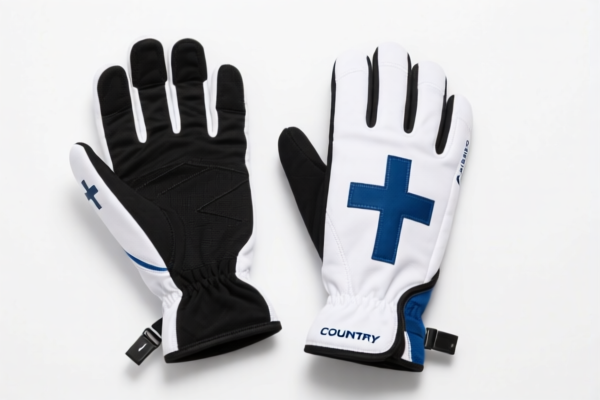
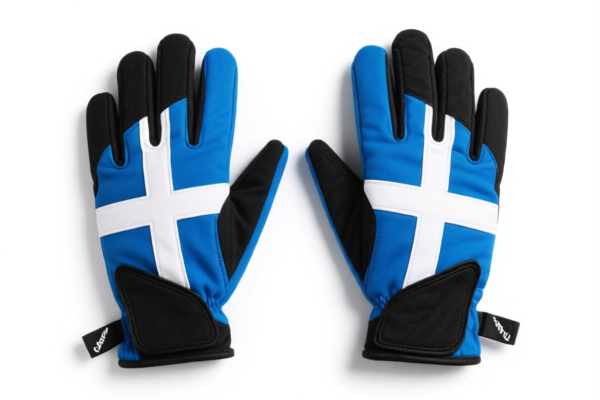
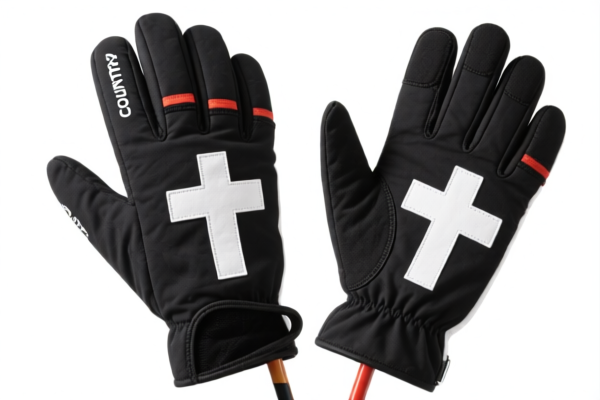
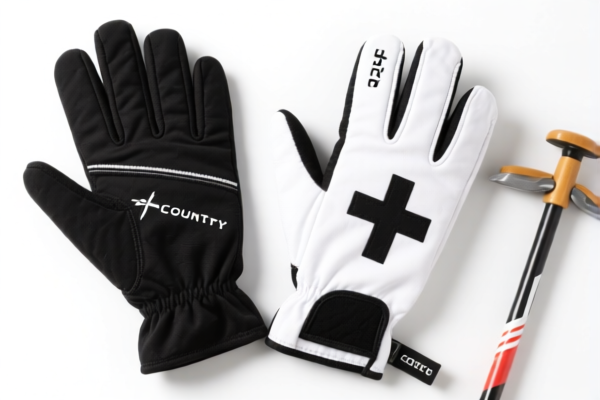
AI Analysis
🎿 Cross Country Ski Gloves: HS Code Classification & 2026 Tariff Deep Dive
🌐 HS Code Reference & Customs Clearance Guide | 2026 Latest Tariff Analysis | Professional Clearance Strategy
📌 Part 1: Product Definition & Classification: Do You Really Understand "Ski Gloves"?
Cross Country Ski Gloves are specialized protective gear designed for Nordic skiing. In international trade, the classification hinges on two critical factors: Material Composition and Functional Purpose. Unlike generic winter gloves, these items are often treated as "articles of apparel" (Chapter 61 or 62) rather than "sports equipment" (Chapter 95), depending on how they are constructed.
Key Distinction Points:
- Knitted/Weaved (Ch 61): If the glove is knitted or crocheted, it falls under Chapter 61.
- Not Knitted/Weaved (Ch 62): If the glove is made of woven fabric, coated, or impregnated with plastic/rubber, it falls under Chapter 62.
- Accessories to Equipment (Ch 95): Rarely, if considered strictly an accessory to skis/skis-related gear, it might fall here, but apparel chapters are preferred if they meet apparel definitions.
⚠️ Critical Warning:
- Misclassifying knitted gloves as non-knitted can lead to significant duty discrepancies.
- Assuming they are "sports equipment" (Ch 95) when they are clearly "apparel" (Ch 61/62) is a common error that may trigger customs audits.
📦 Part 2: HS Code Classification Details (2026 Latest Tariff Authoritative Comparison)
Based on the provided data, here are the five most probable HS Codes for Cross Country Ski Gloves, along with their classification logic and tax rates.
| HS Code | Product Description | Classification Logic (Based on Provided Data) | Total Tax Rate |
|---|---|---|---|
6116.10.08.00 |
Knitted Gloves, Coated with Plastic/Rubber | Matches Use (Skiing) Inferred from common sense that ski gloves have plastic/rubber coatings for waterproofing. Fits the definition of specific sports-purpose gloves. | 20.3% |
6116.93.08.00 |
Knitted Gloves, Other Materials (Synthetic Fibers) | Matches Shape (Gloves) Since material isn't specified, it's assumed to be synthetic fiber. Falls under the "catch-all" for other sports-purpose gloves not specifically coated. | 20.3% |
6216.00.08.00 |
Non-Knitted Gloves, Impregnated/Coated/Covered with Plastic/Rubber | Matches Use (Skiing) Although material isn't explicitly stated, common sense suggests plastic/rubber coating. Conflicts with no classification requirements. | 18.3% |
6216.00.35.00 |
Non-Knitted Gloves, Cotton-Based | Matches Use (Skiing) & Shape (Gloves) Based on common sense, reasonably inferred to be cotton or cotton-blend. No material conflict. | 12.8% |
9506.19.80.80 |
Ski Equipment & Accessories (Other) | Matches Use (Skiing) Classified as personal protection/ancillary equipment for skiing. Since gloves are often part of ski equipment packages and have no material conflict, this is deemed applicable. | 20.3% |
🔍 Key Insight:
- Chapters 61 & 62 (Apparel) are the primary contenders. The choice depends on whether the glove is knitted (Ch 61) or non-knitted/coated (Ch 62).
- Chapter 95 (Sports Equipment) is a secondary option, often used for "complete kits" or specific accessories, but apparel chapters are generally more precise for standalone gloves.
💰 Part 3: 2026 Latest Tariff Rate Breakdown (Including Additional Duties)
✅ Applicable Country: United States (US)
✅ Origin: China (CN)
✅ Effective Date: 2025/2026 (Subject to ongoing trade policies)
🎯 1. 6116.10.08.00 & 6116.93.08.00 — Knitted Gloves (20.3% Total)
| Item | Details |
|---|---|
| Base Duty Rate | 2.8% |
| Section 301 / Additional Duty | 7.5% |
| Section 122 Duty (IFU) | 10% |
| Total Effective Rate | 20.3% |
| Calculation Method | CIF Value × 20.3% |
| De Minimis Exemption | ❌ Not Eligible (High duty rates usually negate Section 321 benefits) |
| Legal Basis | Base HTS + Trade Remedy Footnotes |
📌 Explanation:
- These gloves are classified as knitted apparel.
- The 7.5% additional duty applies due to US-China trade tensions (Section 301).
- The 10% Section 122 duty applies if the goods are considered "increased import volumes" causing market disruption (Note: Section 122 status can change; verify current status).
🎯 2. 6216.00.08.00 — Non-Knitted, Coated Gloves (18.3% Total)
| Item | Details |
|---|---|
| Base Duty Rate | 0.8% |
| Section 301 / Additional Duty | 7.5% |
| Section 122 Duty (IFU) | 10% |
| Total Effective Rate | 18.3% |
| Calculation Method | CIF Value × 18.3% |
| De Minimis Exemption | ❌ Not Eligible |
| Legal Basis | Base HTS + Trade Remedy Footnotes |
📌 Explanation:
- This code is for non-knitted gloves (e.g., woven fabric with plastic coating).
- The base rate is lower (0.8%) compared to knitted versions, but the total rate is still high (18.3%) due to the same additional duties.
🎯 3. 6216.00.35.00 — Non-Knitted, Cotton Gloves (12.8% Total)
| Item | Details |
|---|---|
| Base Duty Rate | 2.8% |
| Section 301 / Additional Duty | 0.0% |
| Section 122 Duty (IFU) | 10% |
| Total Effective Rate | 12.8% |
| Calculation Method | CIF Value × 12.8% |
| De Minimis Exemption | ❌ Not Eligible |
| Legal Basis | Base HTS + Trade Remedy Footnotes |
📌 Explanation:
- Significant Savings Alert!
- If the gloves are non-knitted and cotton-based, they may be exempt from the 7.5% Section 301 duty, reducing the total to 12.8%.
- This makes6216.00.35.00the most cost-effective classification if the material allows.
🎯 4. 9506.19.80.80 — Ski Accessories (20.3% Total)
| Item | Details |
|---|---|
| Base Duty Rate | 2.8% |
| Section 301 / Additional Duty | 7.5% |
| Section 122 Duty (IFU) | 10% |
| Total Effective Rate | 20.3% |
| Calculation Method | CIF Value × 20.3% |
| De Minimis Exemption | ❌ Not Eligible |
| Legal Basis | Base HTS + Trade Remedy Footnotes |
📌 Explanation:
- This code treats gloves as part of the ski equipment.
- While logically sound, it is not cheaper than the apparel codes.
- Use this only if customs authorities insist on classifying it under "Sports Equipment" rather than apparel.
🛠️ Part 4: Customs Clearance Practical Advice (Best Practices)
✅ 1. Documentation Checklist (Must-Haves)
| Document | Required | Notes |
|---|---|---|
| ✅ Product Specification Sheet | ✔️ | Must detail Material Composition (e.g., 100% Cotton, Synthetic, Knitted vs. Woven). |
| ✅ Material Breakdown | ✔️ | Crucial for distinguishing between 6116 (Knitted) and 6216 (Non-Knitted). |
| ✅ Product Photos | ✔️ | Clear images showing texture (knit pattern vs. woven) and any coatings. |
| ✅ Commercial Invoice | ✔️ | Must accurately describe goods as "Cross Country Ski Gloves" with correct HS Code. |
| ✅ Packing List | ✔️ | Ensure quantities match invoice. |
✅ 2. Classification Strategy (Key Tips)
| Scenario | Recommended HS Code | Reason |
|---|---|---|
| Knitted + Coated | 6116.10.08.00 |
Matches "Knitted" and "Plastic/Rubber Coated" requirements. |
| Knitted + Synthetic | 6116.93.08.00 |
Matches "Knitted" and "Other Materials" (Synthetic). |
| Non-Knitted + Cotton | 6216.00.35.00 |
Best for cost savings (12.8% vs 20.3%). Verify cotton content. |
| Non-Knitted + Coated | 6216.00.08.00 |
Standard for waterproof/ski gloves made of woven fabric. |
| As Ski Accessory | 9506.19.80.80 |
Only if explicitly sold as part of a ski kit or required by customs. |
🔥 Pro Tip:
Confirm the Material! If your gloves are cotton-based and non-knitted, use6216.00.35.00to save 7.5% in duties. If they are knitted, you are stuck with 20.3% regardless of coating.
✅ 3. Common Pitfalls to Avoid
| Pitfall | Consequence | Solution |
|---|---|---|
| ❌ Misidentifying Material | Wrong HS Code → Duty Discrepancy → Penalties | Provide detailed material specs (Knitted vs. Woven, Cotton vs. Synthetic). |
| ❌ Ignoring Coating | Classification as "Plain Gloves" vs. "Ski Gloves" | Clearly state "Coated with Plastic/Rubber for Waterproofing" in description. |
| ❌ Using Generic Terms | Customs Delay → Ruling Request | Use precise terms: "Knitted Cross Country Ski Gloves, Cotton Blend." |
| ❌ Assuming De Minimis | Unexpected Duties | High duty rates (12-20%) mean no Section 321 exemption for shipments > $800. |
🌍 Part 5: Global Market Comparison (2026)
| Country | Recommended HS Code | Estimated Duty | Notes |
|---|---|---|---|
| 🇺🇸 USA | 6216.00.35.00 (Best) |
12.8% | Lowest rate if cotton/non-knitted. |
| 🇺🇸 USA | 6116.10.08.00 |
20.3% | Standard for knitted/coated. |
| 🇨🇳 China | 6116.10.08.00 |
~2.8% - 5% | Lower import duties for Chinese goods. |
| 🇪🇺 EU | 6116.10.08.00 |
~8% - 12% | VAT applies separately. |
| 🇬🇧 UK | 6116.10.08.00 |
~8% - 12% | Post-Brexit tariff structure. |
📌 Conclusion:
- The USA is the most complex market due to additional duties (Section 301 & 122).
- Material composition is the key to cost optimization.
- Cotton-based, non-knitted gloves offer the best duty rate in the US.
📌 Part 6: Final Recommendations & Action Plan
✅ Immediate Actions:
- Verify Material: Check if gloves are Knitted or Non-Knitted. Check if material is Cotton or Synthetic.
- Select Best HS Code:
- If Non-Knitted + Cotton → Use
6216.00.35.00(12.8%). - If Knitted + Coated → Use
6116.10.08.00(20.3%). - If Knitted + Synthetic → Use
6116.93.08.00(20.3%). - Prepare Documentation: Ensure commercial invoice and packing list reflect the exact material and construction to support the chosen HS Code.
- Consult Customs Broker: For large shipments, consider a Binding Ruling to confirm the HS Code and avoid penalties.
🔥 Golden Rule:
"Material Defines Code, Code Defines Cost. Don't Guess, Verify!"
📣 Need Help?
📞 Contact a licensed customs broker for a pre-classification ruling.
🚀 Clearance is faster, cheaper, and safer when you get the HS Code right the first time.
✨ Professional Customs Clearance Starts with Accurate Classification!
💼 Save 7.5% on Duties by Choosing the Right Material-Based HS Code!
Customer Reviews
About HS Code Classification
The Harmonized System (HS) is an internationally standardized nomenclature developed by the World Customs Organization (WCO) to classify traded products. Over 200 countries use the HS system as the basis for customs tariffs, trade statistics, and import/export regulations.
Each HS code follows a hierarchical structure:
- Chapter (2 digits) — Broad category of goods (e.g., Chapter 84: Machinery and Mechanical Appliances)
- Heading (4 digits) — More specific grouping within the chapter
- Subheading (6 digits) — Internationally standardized breakdown, used by all WCO member countries
- National subdivisions (8-10 digits) — Country-specific extensions for further classification, such as US HTSUS 10-digit codes
Correct HS code classification is essential for smooth customs clearance, accurate duty payment, and compliance with trade regulations. Misclassification can lead to customs delays, overpayment of duties, or penalties.
When importing from CN to US, the applicable tariff rates may include:
- Most-Favored-Nation (MFN) rate — The standard duty rate applied to WTO members
- General rate — Applied to countries without trade agreements
- Trade remedy duties — Additional tariffs such as Section 301 (anti-dumping), Section 232 (national security), or countervailing duties
The information provided on this page is for reference purposes only. For official classification, please consult with your local customs authority or a licensed customs broker.