Cross Stitch Set
CN → US| HS Code | Tariff Rate | Origin | Destination | Doc |
|---|---|---|---|---|
| 4421999880 | 38.3% | CN | US | Official Doc |
| 4421919880 | 38.3% | CN | US | Official Doc |
| 6304993500 | 28.8% | CN | US | Official Doc |
| 6304996040 | 20.7% | CN | US | Official Doc |
| 5810921000 | 0.0% | CN | US | Official Doc |
Product Images
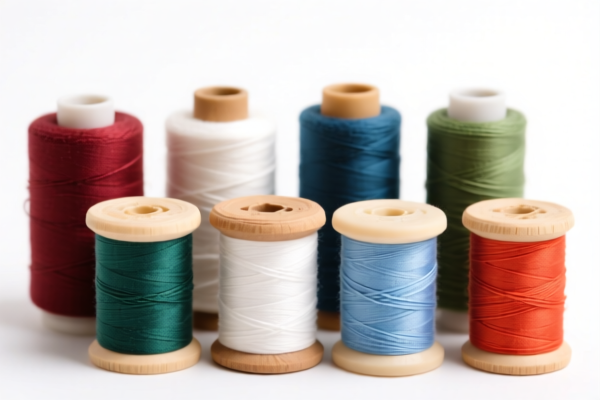
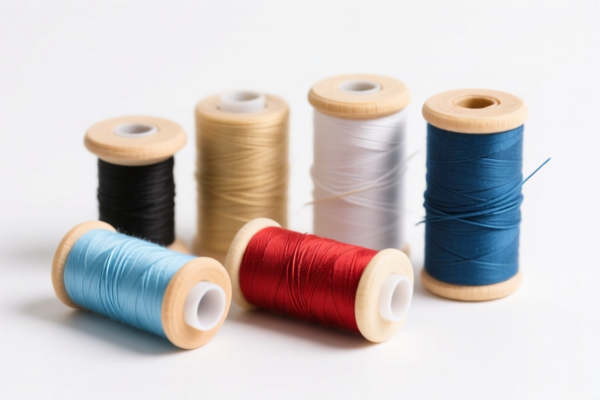
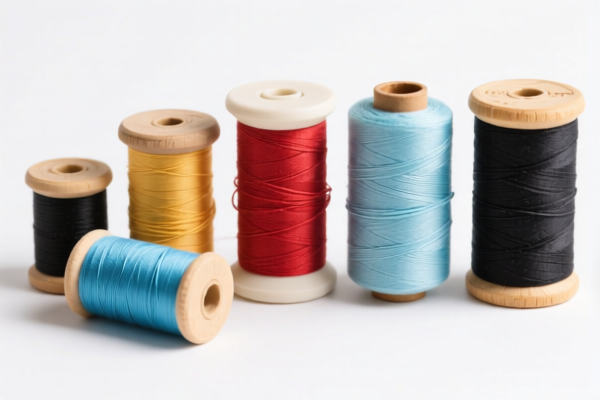
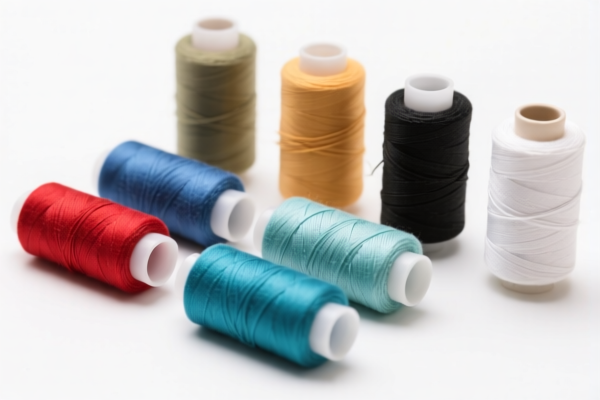
AI Analysis
🧵 Cross Stitch Set (Embroidery Kits & Hoops)
🌐 HS Code Reference & Customs Clearance Guide | 2026 Latest Tariff Analysis | Professional Clearance Strategy
📌 I. Product Definition & Classification: Do You Really Understand "Cross Stitch Sets"?
A Cross Stitch Set is a general term that covers various components used for needlework. In international trade, classification depends heavily on the primary material (wood vs. textile) and the function (hoop/frame vs. needlework thread/pattern).
There are two main classification logics: 1. The "Container/Tool" Logic: If the focus is on the wooden frame or plastic hoop holding the fabric, it falls under Chapter 44 (Wood) or as a miscellaneous wood product. 2. The "Textile/Accessory" Logic: If the focus is on the fabric/stiffener or the set is categorized as a sewing/embroidery aid, it falls under Chapter 63 (Other Made-up Textile Articles).
⚠️ Key Distinction Point:
- If the item is primarily a wooden frame or hoop (even if sold as a set) → Look at HS Codes 4421.
- If the item is primarily a textile stiffener (non-knitted/non-crocheted) or embroidery material → Look at HS Codes 6304 or 5810.
📦 II. HS Code Classification Details (2026 Latest Tariff Authority Comparison)
| HS Code | Product Description | Application Scenario | Primary Material |
|---|---|---|---|
4421.99.98.80 |
Other made-up wooden articles (Catch-all for other wood products) | Cross stitch frame sets where wood is the dominant structural component; plastic parts are minor. | 🪵 Wood/Plastic |
4421.91.98.80 |
Other articles of bamboo or other wood | Cross stitch hoop/frame sets inferred to be made of wood; falls under the "other bamboo/wood products" catch-all. | 🪵 Wood |
6304.99.35.00 |
Other made-up textile articles (Non-knitted/Non-crocheted sewing aids) | Cross stitch hoop sets categorized as textile/sewing auxiliary supplies; fits the logic of non-knitted accessories. | 🧵 Textile (Stiffener) |
6304.99.60.40 |
Other made-up household textile articles | Cross stitch hoop sets inferred to be made of non-knitted/non-crocheted textile materials; falls under household textile catch-all. | 🧵 Textile |
5810.92.10.00 |
Embroidery in the piece (Other embroidery products) | Embroidery kits based on form and use; inferred to include synthetic fibers/thread materials. | 🧵 Synthetic Fiber/Thread |
🔍 Key Reminder:
- Wooden Hoops/Frames: Generally fall under 4421.99.98.80 or 4421.91.98.80. The customs authority views these as "made-up wood articles." - Textile Stiffeners/Hoops: If the hoop is made of plastic but the set is marketed as a "textile accessory" or contains significant non-knitted textile components, 6304 codes may apply. - Embroidery Kits (Thread/Fabric): If the value is driven by the thread and fabric pattern, 5810.92.10.00 is the logical fit for "embroidery."
💰 III. 2026 Latest Tariff Rate Breakdown (Including Additional Taxes & Policy Surcharges)
✅ Applicable Country: United States (US)
✅ Origin: China (CN)
✅ Effective Date: From Nov 10, 2025 (including subsequent imports)
🎯 1. 4421.99.98.80 & 4421.91.98.80 —— Wooden Cross Stitch Frames/Hoops
| Item | Content |
|---|---|
| Base Rate | 3.3% (ad valorem) |
| Section 301 Additional Tariff | +25.0% |
| Section 122 Tariff | +10.0% |
| Total Tariff Rate | 38.3% |
| Tax Calculation | CIF Value × 38.3% |
| De Minimis Exemption | ❌ Not Eligible (High tariff rates usually exclude de minimis benefits for China-origin goods in many contexts, or specifically flagged here) |
| Legal Basis Path | Section 301: 25% → Section 122: 10% → HS: 4421 |
📌 Explanation:
- Base Rate (3.3%): The standard MFN (Most Favored Nation) rate for other made-up wooden articles. - Section 301 (25%): The longstanding additional tariff on Chinese wood products and crafts. - Section 122 (10%): A specific tariff provision often applied to certain Chinese imports, adding to the cost. - Total 38.3%: This is a very high tariff for a craft item. Importers must carefully evaluate if the margin can absorb this cost.
🎯 2. 6304.99.35.00 & 6304.99.60.40 —— Textile-Based Cross Stitch Hoops/Accessories
| Item | Content |
|---|---|
| Base Rate | 11.3% (for 6304.99.35.00) 3.2% (for 6304.99.60.40) |
| Section 301 Additional Tariff | +7.5% |
| Section 122 Tariff | +10.0% |
| Total Tariff Rate | 28.8% (for 35.00) 20.7% (for 60.40) |
| Tax Calculation | CIF Value × Rate |
| De Minimis Exemption | ❌ Not Eligible |
| Legal Basis Path | Section 301: 7.5% → Section 122: 10% → HS: 6304 |
📌 Explanation:
- Lower Base Rates: Textile articles sometimes enjoy lower base rates than wood. - Reduced Section 301: The additional tariff is only 7.5% (not 25%) for these specific textile subheadings, which significantly lowers the total burden. - Strategy: If possible, classifying the product as a textile accessory (6304) rather than a wooden frame (4421) can save 17.5% (28.8% - 11.3% base difference + 17.5% section 301 difference) in total taxes.
🎯 3. 5810.92.10.00 —— Embroidery Kits (Thread/Fabric)
| Item | Content |
|---|---|
| Base Rate | See Additional U.S. Note 2 |
| Section 301 Additional Tariff | +25.0% |
| Section 122 Tariff | +10.0% |
| Total Tariff Rate | See Additional U.S. Note 2 + 35.0% |
| Tax Calculation | Complex (Depends on Note 2 specifics, likely ad valorem) |
| De Minimis Exemption | ❌ Not Eligible |
| Legal Basis Path | U.S. Note 2 → Section 301: 25% → Section 122: 10% |
📌 Note:
- "See Additional U.S. Note 2": This indicates a complex duty calculation method, often related to specific textile rules or country-specific treatments. - High Section 301 (25%): Embroidery products are heavily targeted by Section 301 tariffs. - Risk: The complexity of "Note 2" may require detailed documentation to avoid delays or misclassification penalties.
🛠️ IV. Customs Clearance Practical Advice (Combat Pitfall Guide)
✅ 1. Required Documentation Checklist (No Missing Pieces)
| Document | Mandatory | Description |
|---|---|---|
| ✅ Product Specification | ✔️ | Clear breakdown: Is it a frame? Hoop? Thread? Fabric? |
| ✅ Material Composition | ✔️ | Critical for Classification: % Wood vs. % Textile vs. % Plastic. |
| ✅ Product Photos | ✔️ | Show the set contents: Frame/Hoop, Thread, Fabric, Needles. |
| ✅ Commercial Invoice | ✔️ | Must specify "Cross Stitch Set" and detail components. |
| ✅ Packing List | ✔️ | Separate values for wood vs. textile if possible. |
| ✅ Origin Certificate | ✔️ | Essential for proving China origin (to apply correct tariffs). |
✅ 2. Classification Strategy (Key Mantras)
🔥 "Wood Frames = 4421 (High Tax) | Textile Aids = 6304 (Lower Tax) | Embroidery = 5810 (Complex)"
| Scenario | Recommended HS Code | Risk/Cost |
|---|---|---|
| Wooden Frame/Hoop Set | 4421.99.98.80 or 4421.91.98.80 |
⚠️ High Tax (38.3%). Ensure wood is the primary material. |
| Plastic/Textile Hoop Set | 6304.99.35.00 or 6304.99.60.40 |
✅ Lower Tax (20.7%-28.8%). Argue as textile accessory. |
| Embroidery Kit (Thread/Fabric) | 5810.92.10.00 |
⚠️ Complex Tax. Requires careful interpretation of Note 2. |
| Mixed Set (Frame + Thread) | Consult Expert | ⚠️ Risk of Re-classification. If frame is primary, go 4421. |
✅ 3. Special Situation Handling
| Situation | Handling Advice |
|---|---|
| Plastic Hoop Sold as "Textile Accessory" | Provide material safety data sheet (MSDS) or material certs to prove it’s not wood, potentially qualifying for 6304. |
| Set Contains Wooden Frame + Embroidery | Declare primarily as Wooden Article (4421) if the frame’s value exceeds the thread/fabric. |
| Small Sample Shipments | Even small shipments are subject to 38.3% tax. Do not rely on de minimis exemptions if the HS code is flagged. |
| U.S. Note 2 Complexity | For 5810, consult a customs broker to calculate the exact duty under "Note 2" to avoid underpayment. |
🌍 V. Global Market Clearance Comparison (2026 Latest)
| Country/Region | Recommended HS Code | Tariff | Certification | Notes |
|---|---|---|---|---|
| 🇺🇸 USA | 4421.99.98.80 / 6304.99.60.40 |
20.7% - 38.3% | None specific | High tariffs due to 301/122. |
| 🇨🇳 China | 4421.99.98.80 |
5-10% | None | No additional section tariffs. |
| 🇪🇺 EU | 4421.99.90 |
5-12% | None | No Section 301 equivalent. |
| 🇬🇧 UK | 4421.99.90 |
5-12% | None | Post-Brexit tariffs apply. |
| 🇨🇦 Canada | 4421.99.90 |
5-10% | None | No Section 301 equivalent. |
📌 Conclusion:
- USA is the most challenging market due to Section 301 (25%) and Section 122 (10%) tariffs. - EU/UK/Canada have much lower tariffs for wood/taxile products. - Strategy: If targeting the US, consider reclassifying as textile (6304) if legally permissible, or explore supply chain diversification (e.g., assembling in Vietnam/Mexico to avoid China-origin tariffs).
📌 VI. Common Errors & Pitfall Guide (Lessons Learned)
❌ Error 1: Classifying a wooden frame as "Plastic Toy"
👉 Consequence: Misclassification penalty, back taxes, and potential seizure.
❌ Error 2: Ignoring Section 122 Tariff
👉 Consequence: Underpayment by 10%. Customs will demand payment + interest.
❌ Error 3: Declaring "Cross Stitch Set" vaguely
👉 Consequence: Customs may inspect and reclassify to the highest tariff rate (e.g., 5810 or 4421).
❌ Error 4: Assuming De Minimis applies
👉 Consequence: Packages under $800 are not exempt from Section 301/122 tariffs for China-origin goods in many interpretations.
✅ Correct Practice:
"Cross Stitch Hoop Set, Wooden Frame, Including Cotton Fabric and Polyester Thread, Model XYZ, Made in China"
🎯 VII. Conclusion: Professional Classification, Cost Saving!
🎯 Remember the Mantra:
🔹 "Wood Frames = 38.3% Tax | Textile Aids = 20.7% Tax | Embroidery = Complex"
🔹 "Clarify Material Composition First! Avoid Section 301/122 Overload!"
📌 Tips:
- If your cross stitch sets are assembled in Vietnam, Mexico, or Thailand, you may qualify for IEEPA Exemptions or lower tariffs, avoiding the 35%+ China surcharge.
- Apply for Advance Rulings from US Customs if the classification is ambiguous.
📣 Act Now:
📞 Contact Professional Customs Broker + Provide Material Breakdown + Apply for HS Code Advance Ruling
🚀 Let your cross stitch sets clear smoothly, reduce costs, and boost profits!
✨ Professional Clearance Starts with Precise Classification!
💼 Every Cent of Cost Deserves Precision!
Customer Reviews
About HS Code Classification
The Harmonized System (HS) is an internationally standardized nomenclature developed by the World Customs Organization (WCO) to classify traded products. Over 200 countries use the HS system as the basis for customs tariffs, trade statistics, and import/export regulations.
Each HS code follows a hierarchical structure:
- Chapter (2 digits) — Broad category of goods (e.g., Chapter 84: Machinery and Mechanical Appliances)
- Heading (4 digits) — More specific grouping within the chapter
- Subheading (6 digits) — Internationally standardized breakdown, used by all WCO member countries
- National subdivisions (8-10 digits) — Country-specific extensions for further classification, such as US HTSUS 10-digit codes
Correct HS code classification is essential for smooth customs clearance, accurate duty payment, and compliance with trade regulations. Misclassification can lead to customs delays, overpayment of duties, or penalties.
When importing from CN to US, the applicable tariff rates may include:
- Most-Favored-Nation (MFN) rate — The standard duty rate applied to WTO members
- General rate — Applied to countries without trade agreements
- Trade remedy duties — Additional tariffs such as Section 301 (anti-dumping), Section 232 (national security), or countervailing duties
The information provided on this page is for reference purposes only. For official classification, please consult with your local customs authority or a licensed customs broker.