Cross shaped Gold Buckle
CN → US| HS Code | Tariff Rate | Origin | Destination | Doc |
|---|---|---|---|---|
| 9606220000 | 35.0% | CN | US | Official Doc |
| 9606216000 | 39.7% | CN | US | Official Doc |
| 7326908688 | 87.9% | CN | US | Official Doc |
Product Images
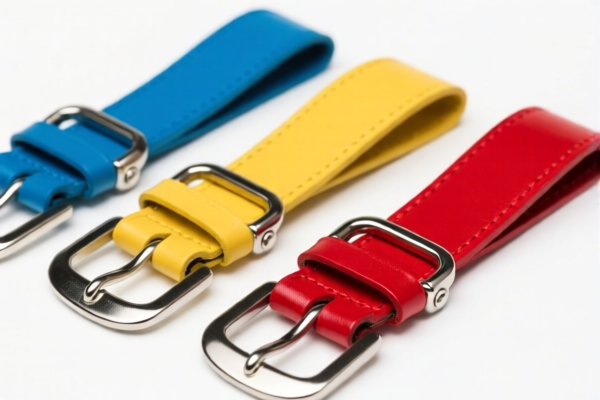
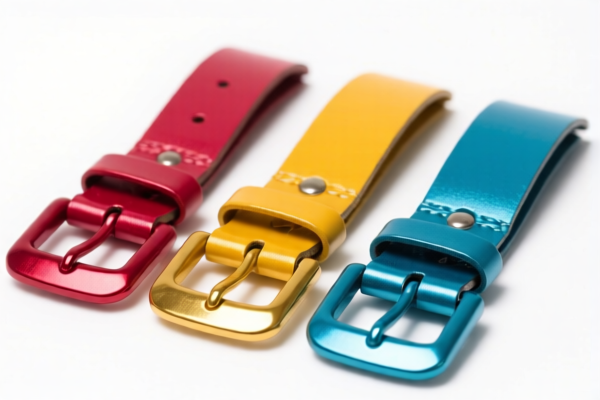
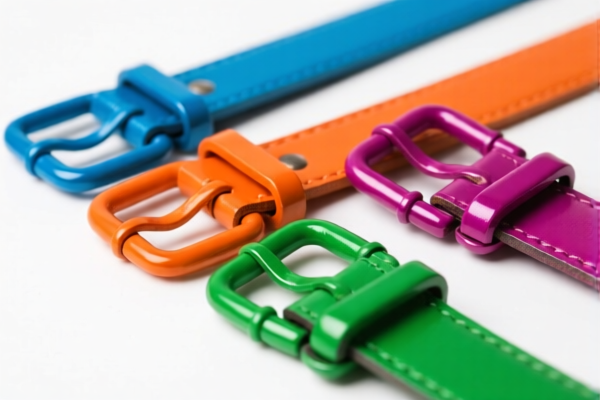
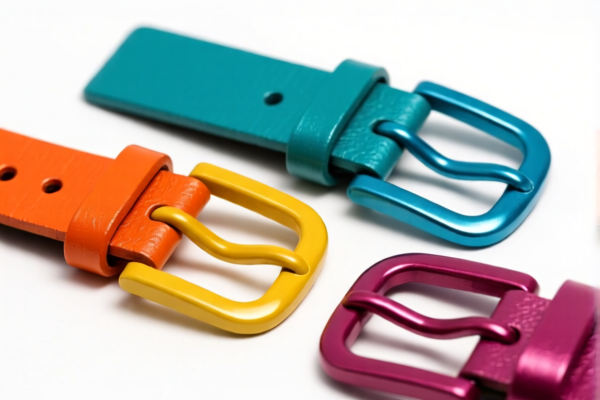
AI Analysis
💎 Cross Shaped Gold Buckle (Cross Shaped Gold Button)
🌐 HS Code Reference & Clearance Guide | 2026 Latest Tariff Analysis | Professional Customs Strategy
📌 I. Product Definition & Classification: Do You Really Know "Gold Buckles"?
The Cross Shaped Gold Buckle is a common accessory used in apparel, footwear, bags, and leather goods. In international trade, the classification depends heavily on two critical factors: 1. Material Composition: Is it metal (base metal), plastic, or another material? 2. Functional Category: Is it classified as a "Button" (HS Chapter 96) or a general "Metal Article" (HS Chapter 73/74)?
⚠️ Key Distinction Point:
- If it is metal and functions as a fastener (button/clasp), it generally falls under Chapter 96 (Buttons, Press-fasteners).
- If it is made of iron/steel and does not fit the specific "button" definition (or is classified as a general metal fitting), it may fall under Chapter 73 (Articles of Iron or Steel).
- Misclassification Risk: Declaring a metal button as a "general metal part" can trigger significantly higher tariffs due to specific trade measures on steel/aluminum products.
📦 II. HS Code Classification Details (2026 Latest Tariff Authority Comparison)
| HS Code | Product Description | Application Scenario | Material Inference |
|---|---|---|---|
9606.22.00.00 |
Other buttons, of base metal | Cross-shaped gold buckle; standard apparel/leather accessories | ✅ Base Metal (likely Brass/Zinc) |
9606.21.60.00 |
Other buttons, of base metal (Other) | Cross-shaped gold buckle; non-standard or other categories | ✅ Base Metal (General) |
7326.90.86.88 |
Other articles of iron or steel | Cross-shaped gold buckle; inferred as iron/steel, not specific button | ⚠️ Iron/Steel (General Article) |
🔍 Key Reminder:
- The "Gold" appearance usually implies plating over base metal (like brass or zinc alloy). It is rarely solid gold due to cost. - HS 9606 is the most accurate for "Buttons/Clasps" made of base metal. - HS 7326 is a fallback for "General Metal Articles," but carries much higher punitive tariffs due to US trade laws targeting steel/aluminum.
💰 III. 2026 Latest Tariff Rate Detailed Breakdown (Including Surcharges, Policy Add-ons)
✅ Applicable Country: United States (US)
✅ Country of Origin: China (CN)
✅ Effective Time: Current regulations include 301 Tariffs, Section 301 (25%), and Section 122 (10%)
🎯 1. 9606.22.00.00 —— Other Buttons, of Base Metal (Recommended)
| Item | Content |
|---|---|
| Base Tariff | 0.0% (ad valorem) |
| Section 301 Tariff (25%) | +25.0% (Trade War Tariff) |
| Section 122 Tariff (10%) | +10.0% (Specific China-related tariff) |
| Total Tariff Rate | 35.0% |
| Tax Calculation | CIF Value × 35% |
| De Minimis Exemption | ❌ Not Applicable (High-value surcharges usually block $800 exemption) |
| Legal Basis Path | HTSUS:9606.22.00 → Section 301 (Footnote 1) → Section 122 |
📌 Explanation:
- This is the most favorable classification for metal buckles/buttons among the three options. - It avoids the 50% additional tariff applied to steel/aluminum products under certain trade actions. - Total cost impact is 35%, which is high but significantly lower than the steel classification.
🎯 2. 9606.21.60.00 —— Other Buttons, of Base Metal (Other Category)
| Item | Content |
|---|---|
| Base Tariff | 4.7% |
| Section 301 Tariff (25%) | +25.0% |
| Section 122 Tariff (10%) | +10.0% |
| Total Tariff Rate | 39.7% |
| Tax Calculation | CIF Value × 39.7% |
| De Minimis Exemption | ❌ Not Applicable |
| Legal Basis Path | HTSUS:9606.21.60 → Section 301 → Section 122 |
📌 Note:
- This classification applies if the button is categorized under "Other" rather than the specific "Press-fasteners" or standard sub-categories. - It incurs a 4.7% base tariff upfront, leading to a 4.7% higher total cost compared to9606.22.00.00. - Use this only if customs authorities dispute the9606.22classification.
🎯 3. 7326.90.86.88 —— Other Articles of Iron or Steel (High Risk)
| Item | Content |
|---|---|
| Base Tariff | 2.9% |
| Section 301 Tariff (25%) | +25.0% |
| Section 122 Tariff (10%) | +10.0% |
| Steel/Aluminum Surcharge (50%) | +50.0% (Under Section 232/301 Extensions) |
| Total Tariff Rate | 87.9% |
| Tax Calculation | CIF Value × 87.9% |
| De Minimis Exemption | ❌ Strictly Prohibited |
| Legal Basis Path | HTSUS:7326.90.86 → Section 232 (Steel) → Section 301 → Section 122 |
📌 Warning:
- This is the most expensive classification and should be AVOIDED if possible. - The 50% surcharge is applied because the item is classified as an article of Iron or Steel. Even if plated "gold," if the core is steel, it triggers this penalty. - Cost Impact: Nearly 90% tax will drastically erode profit margins.
🛠️ IV. Customs Clearance Practical Advice (Real-World Pitfall Avoidance)
✅ 1. Documentation Checklist (Must-Haves)
| Document | Required | Description |
|---|---|---|
| ✅ Product Specification Sheet | ✔️ | Detailed material composition (e.g., "Zinc Alloy with Gold Plating") |
| ✅ Material Test Report | ✔️ | Third-party report confirming it is not pure steel (preferably Zinc/Brass) |
| ✅ Photos (High Resolution) | ✔️ | Show the cross shape, gold plating, and shank/back structure |
| ✅ Commercial Invoice | ✔️ | Clear description: "Metal Button, Cross Shape, Base Metal, Not Steel" |
| ✅ Packing List | ✔️ | Accurate weight and quantity |
✅ 2. Declaration Tips (Critical Mnemonics)
🔥 "Material is Key, Steel is Fee!"
| Scenario | Correct Declaration | Incorrect Action |
|---|---|---|
| Zinc/Brass Button | HS 9606.22.00.00 + State "Base Metal" |
Declare as "Steel" → 87.9% |
| Gold Plated Item | Emphasize "Plated" and Core Material | Hide core material → Risk of Audit |
| Iron/Steel Button | HS 7326... (High Risk) |
Try to force into 9606 without proof → Customs Penalty |
✅ 3. Special Situations
| Situation | Handling Advice |
|---|---|
| Core Material Dispute | Provide a Material Certificate proving the core is Zinc or Brass, not Steel, to avoid the 50% steel tariff. |
| Small Quantity Samples | Even samples are subject to tariffs if declared correctly. Do not rely on "De Minimis" if value + tariff exceeds thresholds. |
| Customs Audit | Be prepared to disassemble a sample to show the non-steel core. |
🌍 V. Global Market Comparison (2026 Latest)
| Country/Region | Recommended HS Code | Tariff Rate | Certification | Notes |
|---|---|---|---|---|
| 🇺🇸 USA | 9606.22.00.00 |
35% | N/A | Avoid 7326 (87.9%) |
| 🇨🇳 China | 9606.22.00.00 |
5-10% | N/A | Standard export rate |
| 🇪🇺 EU | 9606.22.00.00 |
0-4% | CE (if applicable) | Lower tariffs, no 301/122 |
| 🇬🇧 UK | 9606.22.00.00 |
0-4% | N/A | Post-Brexit trade terms |
| 🇦🇺 Australia | 9606.22.00.00 |
5% | N/A | Standard MFN rate |
📌 Conclusion:
- USA is the most challenging market due to the combination of 301, 122, and Steel/Aluminum surcharges. - Accurate Material Declaration is the single most important factor in determining whether you pay 35% or 87.9%.
📌 VI. Common Mistakes & Pitfalls (Blood & Tears Lessons)
❌ Mistake 1: Declaring a Steel buckle as a general "Metal Button" to avoid steel tariffs.
👉 Consequence: Customs audit reveals steel content → Back taxes + 50% surcharge + Penalties.
❌ Mistake 2: Using vague terms like "Accessory" without material specification.
👉 Consequence: Customs assigns the highest possible duty rate automatically.
❌ Mistake 3: Confusing "Base Metal" with "Precious Metal".
👉 Consequence: "Gold" usually means plated base metal. If declared as "Solid Gold," it may be subject to different regulations or still trigger base metal tariffs if not solid.
✅ Correct Approach:
"Cross-shaped Button, Zinc Alloy Core, Gold Plated, HS 9606.22.00.00, China Origin"
🎯 VII. Conclusion: Precise Classification, Profit Protection!
🎯 Remember the Mantra:
🔹 "Base Metal = 35% | Steel = 87.9% | Difference is Half Your Profit!"
🔹 "Prove it's Not Steel, Prove it's a Button!"
📌 Pro Tip:
If your buckle's core material is Zinc Alloy or Brass, ensure your supplier provides a Material Test Report stating "Non-Steel" or "Zinc/Brass Base". This is your best defense against the 50% steel surcharge.
🚀 Consult a customs broker for a Pre-Ruling if shipping large volumes!
✨ Professional Clearance Starts with Accurate Classification!
💼 Every percentage point saved is pure profit!
Customer Reviews
About HS Code Classification
The Harmonized System (HS) is an internationally standardized nomenclature developed by the World Customs Organization (WCO) to classify traded products. Over 200 countries use the HS system as the basis for customs tariffs, trade statistics, and import/export regulations.
Each HS code follows a hierarchical structure:
- Chapter (2 digits) — Broad category of goods (e.g., Chapter 84: Machinery and Mechanical Appliances)
- Heading (4 digits) — More specific grouping within the chapter
- Subheading (6 digits) — Internationally standardized breakdown, used by all WCO member countries
- National subdivisions (8-10 digits) — Country-specific extensions for further classification, such as US HTSUS 10-digit codes
Correct HS code classification is essential for smooth customs clearance, accurate duty payment, and compliance with trade regulations. Misclassification can lead to customs delays, overpayment of duties, or penalties.
When importing from CN to US, the applicable tariff rates may include:
- Most-Favored-Nation (MFN) rate — The standard duty rate applied to WTO members
- General rate — Applied to countries without trade agreements
- Trade remedy duties — Additional tariffs such as Section 301 (anti-dumping), Section 232 (national security), or countervailing duties
The information provided on this page is for reference purposes only. For official classification, please consult with your local customs authority or a licensed customs broker.