Cross stitch Frame Set
CN → US| HS Code | Tariff Rate | Origin | Destination | Doc |
|---|---|---|---|---|
| 4421919880 | 38.3% | CN | US | Official Doc |
| 4421999880 | 38.3% | CN | US | Official Doc |
| 6304993500 | 28.8% | CN | US | Official Doc |
| 6304996040 | 20.7% | CN | US | Official Doc |
Product Images
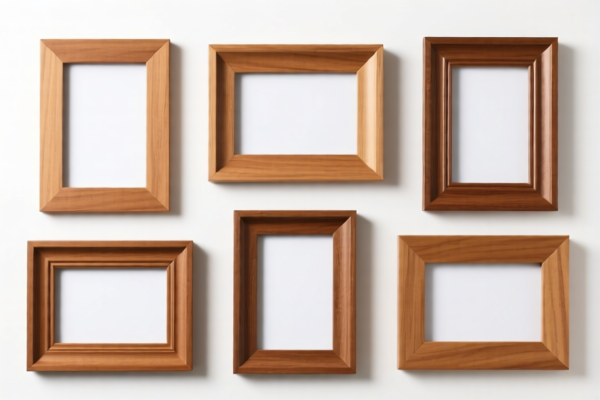
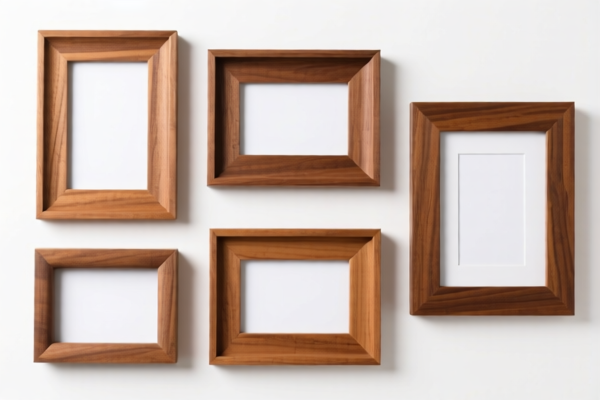
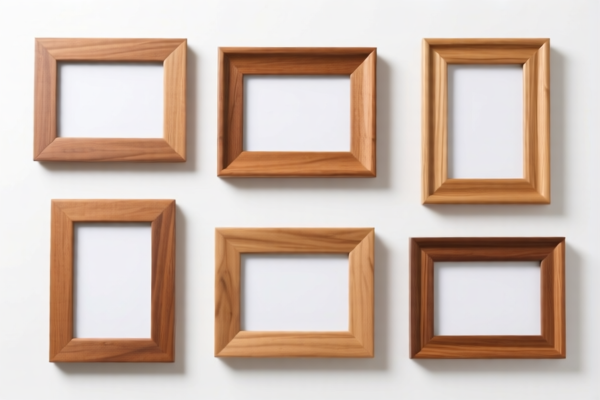
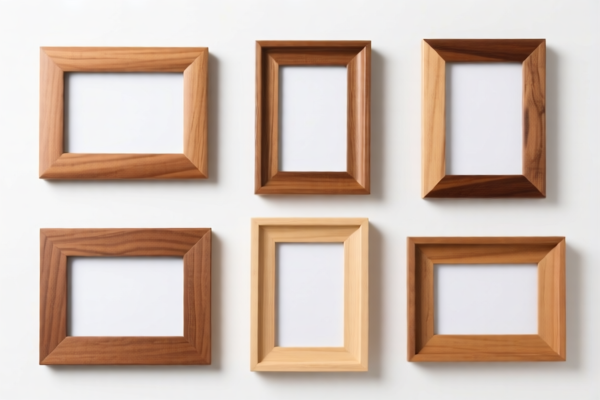
AI Analysis
🧵 Cross Stitch Frame Set
🌐 HS Code Reference & Customs Clearance Guide | 2026 Latest Tariff Analysis | Professional Classification Strategy
📌 I. Product Definition & Classification: What is a "Cross Stitch Frame Set"?
A "Cross Stitch Frame Set" typically consists of a wooden or plastic hoop/frame and possibly associated embroidery accessories (like fabric or patterns, though usually classified by the dominant structural component). In international trade, these items fall under the broad categories of Wooden Articles, Plastic Articles, or Textile Accessories, depending on the primary material and intended use.
⚠️ Key Classification Distinction:
- If the frame is purely wooden and used as a general woodworking or household item → Chapter 44 (Wood).
- If the frame is made of wood/plastic but considered a textile accessory (supporting needlework) → Chapter 63 (Other made-up textile articles).
- Crucial Factor: The material composition (Wood vs. Plastic vs. Textile-covered) and whether it is sold as a "set" or standalone frame.
📦 II. HS Code Classification Details (2026 Latest Tariff Authority Comparison)
Based on the provided data, here are the four most likely HS Codes for a Cross Stitch Frame Set, with detailed tax implications.
| HS Code | Product Description | Material Inference | Classification Logic |
|---|---|---|---|
4421.91.98.80 |
Other wooden articles (Fallback for wooden crafts) | Wooden | Infers material is wood. Falls under "Other wooden articles" (fallback category) specifically used for embroidery frames. |
4421.99.98.80 |
Other wooden/plastic articles (Fallback) | Wood or Plastic | Infers material is wood or plastic. No material conflict. Falls under "Other wooden articles" fallback. |
6304.99.35.00 |
Other made-up textile accessories | Wood/Plastic Frame + Textile Context | Belongs to textile/sewing auxiliary supplies. Includes wooden/plastic frames, categorized under "Other non-knitted or crocheted" items. |
6304.99.60.40 |
Other home textile accessories/sets | Non-knitted Textile + Frame | Infers material is non-knitted/crocheted textile combined with a frame. Falls under "Other home textile accessories/sets." |
🔍 Key Takeaway:
- Wooden Frames lean towards 4421 series (Chapter 44).
- Textile-Integrated Sets or those marketed as "Sewing/Embroidery Accessories" lean towards 6304 series (Chapter 63).
- Material Declaration is Critical: Misdeclaring plastic as wood or vice versa can lead to reclassification and penalties.
💰 III. 2026 Latest Tariff Rate Breakdown (Including Surcharges & Policy Add-ons)
✅ Applicable Country: United States (US)
✅ Origin: China (CN)
✅ Effective Date: November 10, 2025 onwards (for subsequent imports)
🎯 1. 4421.91.98.80 & 4421.99.98.80 — Wooden/Plastic Frames (Chapter 44)
| Item | Detail |
|---|---|
| Base Tariff | 3.3% (Ad Valorem) |
| Section 301 Surcharge | +25.0% |
| Section 122 Surcharge | +10.0% |
| Total Tax Rate | 38.3% |
| Tax Calculation | CIF Value × 38.3% |
| De Minimis Exemption | ❌ Not Applicable (High value thresholds often exclude these from low-value exemptions) |
| Legal Basis Path | HTSUS:4421.91/99 → USITC Footnote 301 → Section 122 Authority |
📌 Explanation:
- 3.3% Base: Standard duty for most wooden/plastic household items.
- 25% Section 301: Standard US-China trade war tariff on wood/plastic articles.
- 10% Section 122: Additional surcharge applied to certain imported goods under specific executive orders.
- Total 38.3%: A significant cost burden. Must be factored into pricing.
🎯 2. 6304.99.35.00 — Textile Accessories (Chapter 63, Part A)
| Item | Detail |
|---|---|
| Base Tariff | 11.3% |
| Section 301 Surcharge | +7.5% |
| Section 122 Surcharge | +10.0% |
| Total Tax Rate | 28.8% |
| Tax Calculation | CIF Value × 28.8% |
| De Minimis Exemption | ❌ Not Applicable |
| Legal Basis Path | HTSUS:6304.99.35 → USITC Footnote 301 → Section 122 Authority |
📌 Note:
- Higher base rate (11.3%) but lower Section 301 surcharge (7.5% vs 25%).
- Total 28.8% is 9.5% lower than the wooden frame classification.
- This classification is preferable if the product is marketed as a "Sewing/Embroidery Accessory Set" rather than just a "Frame."
🎯 3. 6304.99.60.40 — Home Textile Accessories (Chapter 63, Part B)
| Item | Detail |
|---|---|
| Base Tariff | 3.2% |
| Section 301 Surcharge | +7.5% |
| Section 122 Surcharge | +10.0% |
| Total Tax Rate | 20.7% |
| Tax Calculation | CIF Value × 20.7% |
| De Minimis Exemption | ❌ Not Applicable |
| Legal Basis Path | HTSUS:6304.99.60 → USITC Footnote 301 → Section 122 Authority |
📌 Optimal Choice:
- Lowest Total Rate: 20.7%.
- This classification applies if the set is considered a "Home Textile Accessory" (e.g., includes fabric, hoops as part of a craft kit).
- Base rate is only 3.2%, and Section 301 is capped at 7.5%.
- Recommendation: Aim for this classification if your product is sold as a "Cross Stitch Kit" or "Craft Set" rather than a standalone wooden frame.
🛠️ IV. Customs Clearance Practical Advice (Pitfall Avoidance Guide)
✅ 1. Document Checklist (All Required)
| Document | Mandatory | Explanation |
|---|---|---|
| ✅ Product Specification Sheet | ✔️ | Must state material (Wood/Plastic/Textile), dimensions, and usage (Embroidery/Cross Stitch). |
| ✅ Product Photos | ✔️ | Clear images of the frame, any included fabric/patterns, and packaging. |
| ✅ Commercial Invoice | ✔️ | Must clearly describe the item as "Cross Stitch Frame Set" or "Embroidery Accessory Kit". Avoid vague terms like "Craft Supplies." |
| ✅ Material Declaration | ✔️ | Explicitly state: "Frame: Wood/Plastic; Accessories: Non-knitted Textile." |
| ✅ Packing List | ✔️ | Detail contents: e.g., "1 Wooden Hoop, 1 Cotton Fabric, 1 Pattern." |
✅ 2. Declaration Strategy (Key Mnemonics)
🔥 "Set Matters, Textile Low, Wood High!"
| Scenario | Recommended HS Code | Risk of Misclassification |
|---|---|---|
| Standalone Wooden Frame | 4421.91.98.80 (38.3%) |
High tax. Hard to argue otherwise. |
| Frame + Plastic Parts | 4421.99.98.80 (38.3%) |
High tax. |
| Frame + Fabric/Pattern (Set) | 6304.99.35.00 (28.8%) |
Better. Market as "Sewing Accessory Set." |
| Full Craft Kit (Home Textile Context) | 6304.99.60.40 (20.7%) |
Best. Market as "Home Textile Accessory/Craft Set." |
📌 Critical Tip:
- Do NOT declare a "Set" as just "Wooden Frame" if it includes textile components.
- If the set includes non-knitted textile (e.g., cotton fabric, embroidery floss), you can justify classification under Chapter 63 (Textiles), which offers lower total duties.
- Naming Matters: Use terms like "Embroidery Accessory Set" or "Cross Stitch Craft Kit" rather than just "Wooden Frame."
✅ 3. Special Cases & Handling
| Case | Handling Advice |
|---|---|
| Mixed Materials | If frame is wood but includes plastic clips, still likely 4421. To get 6304, emphasize the textile component (fabric/pattern) as the primary value driver. |
| OEM/Custom Orders | Provide customer design sheets. If the set is customized for a specific brand, ensure the invoice matches the commercial reality. |
| Low-Value Shipments | Even if under $800, Section 301 and Section 122 surcharges may still apply. Do not assume De Minimis exemption automatically applies to all goods. |
| Plastic Frames | If the frame is entirely plastic, it may fall under Chapter 39. However, if marketed with textile accessories, Chapter 63 may still be arguable if the textile is the functional core. Check Chapter 39 rates separately. |
🌍 V. Global Market Comparison (2026 Latest)
| Country/Region | Recommended HS Code | Estimated Total Duty | Certification/Notes |
|---|---|---|---|
| 🇺🇸 USA | 6304.99.60.40 |
20.7% | Best rate. Requires clear textile set description. |
| 🇺🇸 USA | 4421.91.98.80 |
38.3% | If declared as pure wooden item. |
| 🇨🇳 China | 6304.99.60.40 |
~5-10% | Lower import duties in China. |
| 🇪🇺 EU | 6304.99.60.40 |
~0-6% | No Section 301/122 surcharges. CE/RoHS may apply if electronic components included (unlikely for frames). |
| 🇬🇧 UK | 6304.99.60.40 |
~0-6% | Post-Brexit tariffs generally lower for textiles. |
📌 Conclusion:
- USA is the most critical market for duty optimization due to high surcharges.
- Chapter 63 (Textiles) is significantly cheaper than Chapter 44 (Wood) for Cross Stitch Frame Sets due to lower Section 301 rates.
- Always declare the "Set" nature and include textile components to justify the lower tariff classification.
📌 VI. Common Mistakes & Pitfalls (Lessons Learned)
❌ Mistake 1: Declaring a "Cross Stitch Kit" as "Wooden Frame Only"
👉 Consequence: Pay 38.3% duty instead of 20.7%. Loss of ~17.6% revenue.
❌ Mistake 2: Failing to declare textile components (fabric/pattern)
👉 Consequence: Customs may reclassify as pure wood/plastic, leading to back taxes + penalties.
❌ Mistake 3: Using vague descriptions like "Craft Supplies"
👉 Consequence: Increased scrutiny, potential delays, and possible misclassification by customs officers.
❌ Mistake 4: Assuming De Minimis ($800) exemption applies
👉 Consequence: Section 301 and Section 122 surcharges are not exempted for China-origin goods in many cases. Check current CBP guidelines.
✅ Correct Approach:
"Cross Stitch Craft Set: Includes Wooden Hoop, Cotton Fabric, Embroidery Floss, and Pattern. Material: Wood & Non-knitted Textile."
🎯 VII. Conclusion: Smart Classification, Lower Costs, Faster Clearance!
🎯 Remember the Mnemonic:
🔹 "Set with Textile = Chapter 63 (20.7%)!"
🔹 "Pure Wood = Chapter 44 (38.3%)!"
🔹 "Describe the Kit, Not Just the Frame!"
📌 Pro Tip:
- If your cross stitch frame is made of plastic but sold with textile accessories, still try to classify under Chapter 63 if the textile is the functional core.
- For USA imports, always consider the 10% Section 122 surcharge. It applies to both chapters.
- Pre-Arrival Review: Consider applying for a Binding Ruling from US Customs and Border Protection (CBP) if you have large, consistent shipments. This provides legal certainty on the HS Code.
📣 Immediate Action:
📞 Contact a Licensed Customs Broker
📄 Prepare Detailed Product Descriptions (Highlight Textile Components)
📦 Ensure Invoices Match the "Set" Classification
🚀 Optimize Your Duty Cost by 17.6% with Smart Classification!
✨ Professional Customs Clearance Starts with Accurate Classification!
💼 Every Dollar Saved on Duty is Pure Profit!
Customer Reviews
About HS Code Classification
The Harmonized System (HS) is an internationally standardized nomenclature developed by the World Customs Organization (WCO) to classify traded products. Over 200 countries use the HS system as the basis for customs tariffs, trade statistics, and import/export regulations.
Each HS code follows a hierarchical structure:
- Chapter (2 digits) — Broad category of goods (e.g., Chapter 84: Machinery and Mechanical Appliances)
- Heading (4 digits) — More specific grouping within the chapter
- Subheading (6 digits) — Internationally standardized breakdown, used by all WCO member countries
- National subdivisions (8-10 digits) — Country-specific extensions for further classification, such as US HTSUS 10-digit codes
Correct HS code classification is essential for smooth customs clearance, accurate duty payment, and compliance with trade regulations. Misclassification can lead to customs delays, overpayment of duties, or penalties.
When importing from CN to US, the applicable tariff rates may include:
- Most-Favored-Nation (MFN) rate — The standard duty rate applied to WTO members
- General rate — Applied to countries without trade agreements
- Trade remedy duties — Additional tariffs such as Section 301 (anti-dumping), Section 232 (national security), or countervailing duties
The information provided on this page is for reference purposes only. For official classification, please consult with your local customs authority or a licensed customs broker.