Cruiser Bicycle
CN → US| HS Code | Tariff Rate | Origin | Destination | Doc |
|---|---|---|---|---|
| 8712001550 | 46.0% | CN | US | Official Doc |
| 8712001520 | 46.0% | CN | US | Official Doc |
Product Images
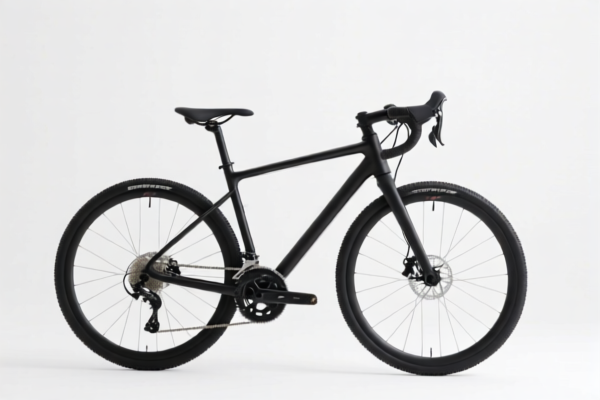
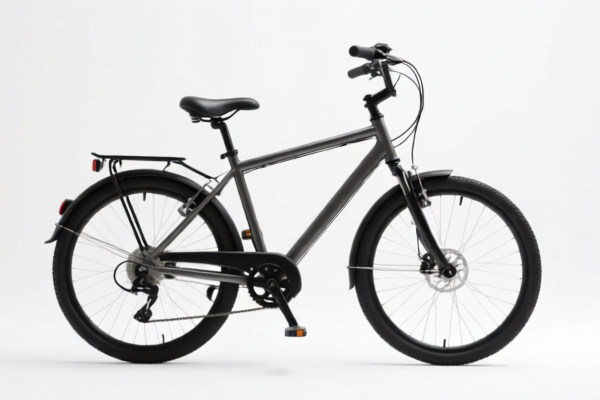
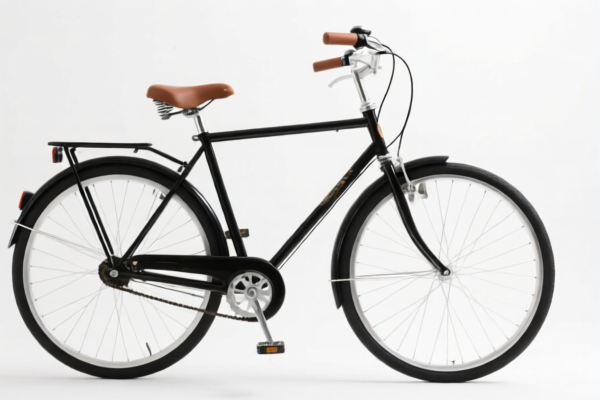
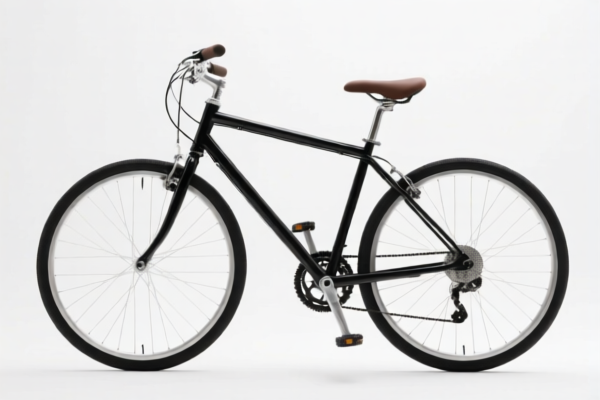
AI Analysis
🚲 Cruiser Bicycles (Non-Motorized)
🌐 HS Code Reference & Customs Clearance Guide | 2026 Latest Tariff Analysis | Professional Clearance Strategy
📌 I. Product Definition & Classification: Do You Really Understand "Cruiser Bicycles"?
Cruiser bicycles are a specific style of non-motorized cycles, characterized by wide tires, comfortable saddles, and swept-back handlebars, designed primarily for casual recreational riding. In international trade, they are classified under Heading 8712 ("Bicycles and other cycles, including delivery tricycles, not motorized").
Crucially, the HS Code classification for bicycles depends entirely on wheel diameter. The provided data distinguishes between two specific wheel size ranges. Misclassifying based on the wrong wheel diameter can lead to significant tariff discrepancies due to differing Additional Tariffs (Section 301).
⚠️ Key Distinction Point:
- Small/Medium Wheels: Wheels exceeding 50 cm but not exceeding 55 cm → HS Code 8712.00.15.20
- Large Wheels: Wheels exceeding 55 cm but not exceeding 63.5 cm → HS Code 8712.00.15.50
- Note: Both categories fall under "Bicycles having both wheels not exceeding 63.5 cm in diameter."
📦 II. HS Code Classification Details (2026 Latest Tariff Authoritative Comparison)
| HS Code | Product Description | Applicable Scenario | Wheel Diameter Range |
|---|---|---|---|
8712.00.15.20 |
Bicycles, non-motorized; Wheels exceeding 50 cm but ≤ 55 cm | Standard cruiser bikes with slightly smaller wheels (e.g., 24-inch approx.) | > 50 cm AND ≤ 55 cm |
8712.00.15.50 |
Bicycles, non-motorized; Wheels exceeding 55 cm but ≤ 63.5 cm | Standard cruiser bikes with larger wheels (e.g., 26-inch, 27.5-inch, or 700c) | > 55 cm AND ≤ 63.5 cm |
🔍 Critical Reminder:
- Cruiser bicycles with wheels > 63.5 cm (e.g., penny-farthings or specialized large-wheel cycles) are NOT covered in this specific data snippet and require separate classification.
- Both8712.00.15.20and8712.00.15.50are sub-categories of "Bicycles having both wheels not exceeding 63.5 cm in diameter."
- Motorized cruisers (e-bikes) are excluded from this data and fall under different headings (e.g., 8711).
💰 III. 2026 Latest Tariff Rate Details (Base Tariff + Section 301 Additional Tariff)
✅ Applicable Market: USA (US)
✅ Origin: Likely China (Implied by the presence of "Additional Tariff" data, typical for US-China trade context in 2025-2026)
✅ Note: The data explicitly lists "Base Tariff" and "Additional Tariff."
🎯 1. 8712.00.15.20 – Bicycles with Wheels > 50 cm & ≤ 55 cm
| Item | Content |
|---|---|
| Base Tariff | 11.0% |
| Additional Tariff (Section 301) | 0.0% |
| Total Tariff Rate | 11.0% |
| Tax Detail | Base Tariff: 11.0%, Additional Tariff: 0.0% |
| Calculation | CIF Value × 11.0% |
| De Minimis Exemption? | ✅ Yes (For shipments under $800, if applicable under current US regulations, but always verify latest CBP rules) |
📌 Explanation:
- This category enjoys a 0% Additional Tariff.
- Total duty is simply the base tariff of 11%.
- This is a more cost-effective classification compared to the 55-63.5 cm category if the wheel size fits.
🎯 2. 8712.00.15.50 – Bicycles with Wheels > 55 cm & ≤ 63.5 cm
| Item | Content |
|---|---|
| Base Tariff | 11.0% |
| Additional Tariff (Section 301) | 25.0% |
| Total Tariff Rate | 36.0% |
| Tax Detail | Base Tariff: 11.0%, Additional Tariff: 25.0% |
| Calculation | CIF Value × 36.0% |
| De Minimis Exemption? | ❌ No / Restricted (High-value goods often scrutinized; Section 301 goods may be excluded from de minimis depending on specific CBP enforcement periods) |
📌 Explanation:
- This category is subject to a 25% Additional Tariff under Section 301.
- Total duty is Base (11%) + Additional (25%) = 36%.
- This is a high-cost classification, nearly triple the tax burden of the 50-55 cm category.
🛠️ IV. Customs Clearance Practical Advice (Real-World Pitfall Avoidance Guide)
✅ 1. Preparation Checklist (Essential Documents)
| Document | Required | Notes |
|---|---|---|
| Product Specifications | ✔️ | Must explicitly state Wheel Diameter (in cm or inches) |
| Product Photos | ✔️ | Show wheels, frame, and no motor/electric components |
| Commercial Invoice | ✔️ | Clearly describe as "Non-Motorized Cruiser Bicycle" |
| Packing List | ✔️ | Detail quantities and weights |
| Origin Certificate | ✔️ | If claiming any preferential rates (though Section 301 applies to China-origin) |
✅ 2. Classification Strategy (Key Mnemonic)
🔥 "Measure Wheels First! 55 cm is the Cutoff Line!"
| Scenario | Correct HS Code | Total Tax | Strategy |
|---|---|---|---|
| Cruiser, Wheels = 54 cm | 8712.00.15.20 |
11% | ✅ Optimal: Lower tax rate |
| Cruiser, Wheels = 56 cm | 8712.00.15.50 |
36% | ⚠️ High Cost: Prepare for higher duties |
| Cruiser, Wheels = 29-inch (~73 cm) | NOT in Data | N/A | ❌ Out of Scope: Requires different HS Code (>63.5 cm) |
| Electric Cruiser Bike | NOT in Data | N/A | ❌ Wrong Category: Must classify under Motorized Cycles |
📌 Critical Tip:
- Do NOT guess the wheel size. A 26-inch wheel is ~66 cm, which exceeds 63.5 cm. A 24-inch wheel is ~61 cm, which fits in the 55-63.5 cm range. A 20-inch wheel is ~51 cm, which fits in the 50-55 cm range.
- Exact Measurement: Always measure the outer diameter of the inflated tire in centimeters.
✅ 3. Special Case Handling
| Situation | Handling Advice |
|---|---|
| Mixed Wheel Sizes in One Shipment | Classify each HS Code separately; do not average them. |
| Accessories (Baskets, Locks) | If packed with the bike, ensure they are declared correctly. Major accessories may require separate HS codes if not included in the "bicycle" classification. |
| Kit Bikes (Assembled) | If assembled, declare as complete bicycle. If unassembled (knocked down), classification remains the same, but packing must be clear. |
| Section 301 Exclusions | Check if the specific HS Code 8712.00.15.50 is currently excluded from Section 301 duties. (Note: Data shows 25% applies, so assume not excluded). |
🌍 V. Global Main Market Clearance Comparison (2026 Latest)
| Country/Region | Recommended HS Code | Tariff (China Origin) | Certification Requirements | Notes |
|---|---|---|---|---|
| 🇺🇸 USA | 8712.00.15.20 / .15.50 |
11% / 36% | None specific for non-electric bikes | High tariff risk for >55cm wheels |
| 🇨🇳 China | 8712.99.90.90 | 0% (Import to China) | CCC (if applicable) | Not the export market in question |
| 🇪🇺 EU | 8712.00.20 / .90 | 0% | CE (for safety standards) | No Section 301 tariffs in EU |
| 🇬🇧 UK | 8712.00.20 / .90 | 0% - 4.5% | UKCA (post-Brexit) | Varies by wheel size and type |
📌 Conclusion:
- USA is the only market in this data with high additional tariffs.
- Wheel Diameter is the single most important factor for tariff optimization in the US market.
- If possible, designing cruisers with wheels ≤ 55 cm can save 25% in duties.
📌 VI. Common Mistakes & Pitfall Avoidance (Lessons Learned)
❌ Mistake 1: Assuming all "Cruiser Bikes" are the same for customs
👉 Consequence: Using the wrong HS code leads to overpayment (36% vs 11%) or audits/back-taxes.
❌ Mistake 2: Measuring Rim Diameter Instead of Tire Diameter
👉 Consequence: A 26" rim with a fat tire may exceed 63.5 cm, leading to incorrect classification. Always measure the total inflated tire diameter.
❌ Mistake 3: Ignoring the "Motorized" Aspect
👉 Consequence: If the bike has any electric assist (even a pedal-assist sensor), it may be classified as a motor vehicle, changing the HS Code and tariff entirely.
✅ Correct Approach:
"Non-Motorized Cruiser Bicycle, Wheel Diameter: 60 cm, Model XYZ, Made in China"
🎯 VII. Conclusion: Precision Classification Saves Money!
🎯 Remember the Mnemonic:
🔹 "Under 55 cm? Pay 11%."
🔹 "Over 55 cm? Pay 36%."
🔹 "Over 63.5 cm? Check New HS Code!"📌 Pro Tip:
- If your cruiser bikes have wheels between 55.1 cm and 63.5 cm, you are hit with the 25% Section 301 tariff.
- Consider product design adjustments to keep wheel diameters ≤ 55 cm if exporting to the USA, to save 25% on duties.
- Always verify the exact outer tire diameter in centimeters before declaring.
📣 Immediate Action:
📏 Measure your wheels NOW.
📊 Choose the correct HS Code: 8712.00.15.20 (≤55cm) or 8712.00.15.50 (>55cm).
🚀 Optimize your supply chain to minimize tariff burden!
✨ Professional Clearance Starts with Accurate Classification!
💼 Every Percent Saved is Pure Profit!
Customer Reviews
About HS Code Classification
The Harmonized System (HS) is an internationally standardized nomenclature developed by the World Customs Organization (WCO) to classify traded products. Over 200 countries use the HS system as the basis for customs tariffs, trade statistics, and import/export regulations.
Each HS code follows a hierarchical structure:
- Chapter (2 digits) — Broad category of goods (e.g., Chapter 84: Machinery and Mechanical Appliances)
- Heading (4 digits) — More specific grouping within the chapter
- Subheading (6 digits) — Internationally standardized breakdown, used by all WCO member countries
- National subdivisions (8-10 digits) — Country-specific extensions for further classification, such as US HTSUS 10-digit codes
Correct HS code classification is essential for smooth customs clearance, accurate duty payment, and compliance with trade regulations. Misclassification can lead to customs delays, overpayment of duties, or penalties.
When importing from CN to US, the applicable tariff rates may include:
- Most-Favored-Nation (MFN) rate — The standard duty rate applied to WTO members
- General rate — Applied to countries without trade agreements
- Trade remedy duties — Additional tariffs such as Section 301 (anti-dumping), Section 232 (national security), or countervailing duties
The information provided on this page is for reference purposes only. For official classification, please consult with your local customs authority or a licensed customs broker.