Cufflinks
CN → US| HS Code | Tariff Rate | Origin | Destination | Doc |
|---|---|---|---|---|
| 7117110000 | 25.5% | CN | US | Official Doc |
| 7113193000 | 23.3% | CN | US | Official Doc |
| 9606216000 | 39.7% | CN | US | Official Doc |
| 9606296000 | 37.9% | CN | US | Official Doc |
| 7113195091 | 23.0% | CN | US | Official Doc |
Product Images
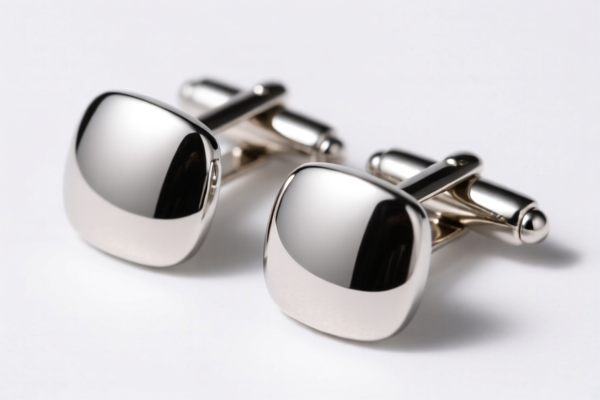
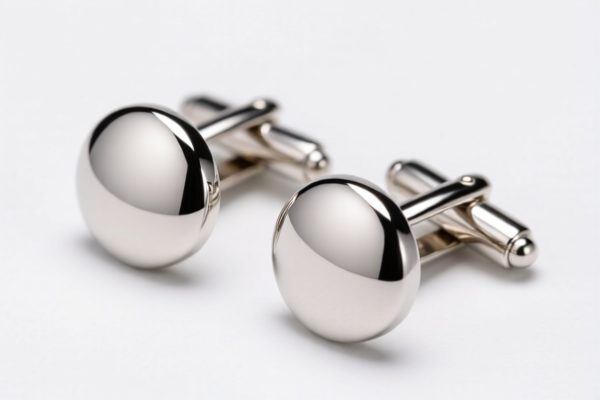
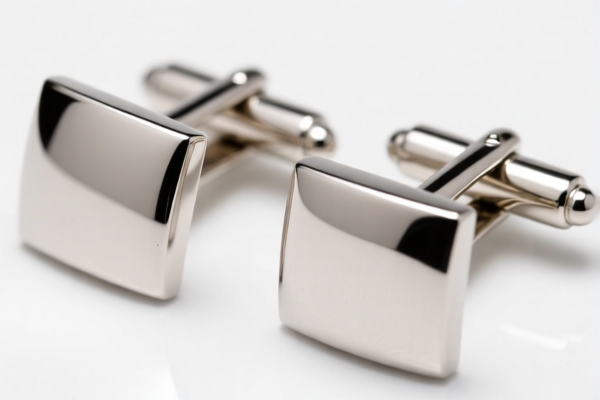
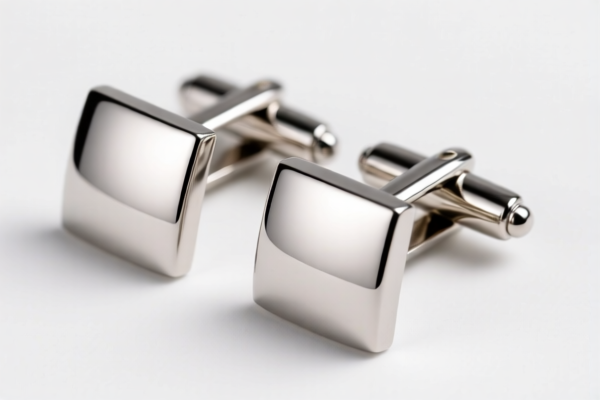
AI Analysis
💎 Cufflinks: The Ultimate Guide to HS Code Classification & US Customs Clearance Strategies (2026 Edition)
🌐 HS Code Reference & Clearance Guide | 2026 Latest Tariff Analysis | Professional Level Strategy
📌 I. Product Definition: What Exactly Are "Cufflinks"?
Cufflinks are fasteners used to secure shirt cuffs together. In international trade, their classification is highly complex because they can fall under three distinct chapters depending on material and function. Misclassification is the #1 cause of customs delays for accessories.
Key Classification Determinants: 1. Material: Is it Base Metal, Precious Metal, or Plastic? 2. Function: Is it primarily a "Fastener" (Button) or "Jewelry/Accessory"? 3. Origin: Are they manufactured in China? (Triggers Section 301 & IEEPA tariffs)
⚠️ Critical Warning:
- Base Metal Cufflinks → Usually Chapter 71 (Jewelry Parts) or Chapter 96 (Buttons).
- Precious Metal Cufflinks → Definitely Chapter 71 (Jewelry).
- Plastic Cufflinks → Usually Chapter 96 (Buttons).
- Tariff Impact: Rates range from 23% to 39.7% due to additional US tariffs on Chinese goods!
📦 II. HS Code Classification Details (2026 Latest Tariff Authority)
Based on the provided data, here are the 5 most likely HS Codes for Cufflinks, sorted by logical classification paths:
| HS Code | Product Description | Classification Logic | Total Tax Rate |
|---|---|---|---|
7117.11.00.00 |
Imitation Jewelry (Base Metal) | Cufflinks made of base metals (e.g., brass, steel, zinc alloy) are classified as "Imitation Jewelry" under Chapter 71. This is the most common classification for standard business cufflinks. | 25.5% |
7113.19.30.00 |
Jewelry Accessories (Precious Metal) | If made of precious metals (gold, silver) or clad with them, they are classified under "Jewelry of Precious Metal." Fits the form/purpose of jewelry accessories. | 23.3% |
9606.21.60.00 |
Plastic Buttons/Closures | If made of plastic, they may be classified as "Plastic Buttons." This is a reasonable possibility if the cufflink is primarily a functional fastener made of polymer. | 39.7% |
9606.29.60.00 |
Other Buttons/Closures | General category for "Other Buttons and Closures." Fits the functional definition of a shirt cuff fastener if not considered jewelry. | 37.9% |
7113.19.50.91 |
Jewelry Parts (Fallback) | Classified under "Parts of Jewelry" as a fallback for items that don't fit other jewelry categories but are clearly jewelry-related. | 23.0% |
🔍 Key Distinction:
- Chapter 71 (7117, 7113): Treats cufflinks as jewelry or jewelry accessories. Lower tax rates (23-25.5%). Preferred for metal cufflinks.
- Chapter 96 (9606): Treats cufflinks as buttons/fasteners. Higher tax rates (37.9-39.7%). Typical for plastic cufflinks.
💰 III. 2026 Latest Tariff Rate Breakdown (Including Surcharges & Policy Add-ons)
✅ Applicable Country: United States (US)
✅ Origin: China (CN) (Note: Rates assume Chinese origin; non-China origins may have different base rates)
✅ Effective Date: 2025 onwards (Post-Trade War Tariffs)
🎯 1. 7117.11.00.00 – Imitation Jewelry (Base Metal Cufflinks)
This is the most recommended classification for standard metal cufflinks.
| Item | Content |
|---|---|
| Base Tariff | 8.0% (Ad Valorem) |
| Section 301 Surcharge | +7.5% (Specific to China-origin goods under HTS 7117.11.00) |
| IEEPA Surcharge | +10.0% (Bipartisan Bill 122 Tariff, applied to all Chinese imports) |
| Total Effective Rate | 25.5% |
| De Minimis Eligibility | ❌ NO (Value > $800 threshold requires full entry; even if < $800, high tariffs may apply) |
| Legal Basis Path | HTS:7117.11.00.00 → Section 301: Footnote 1 → IEEPA:9903.01.25 |
📌 Explanation:
- Base 8%: Standard US tariff for imitation jewelry.
- 7.5% (Sec 301): Additional duty on specific Chinese goods.
- 10% (IEEPA): New 122-bill tariff applied broadly to Chinese products.
- Total 25.5%: Significant cost impact. Must be included in CIF pricing.
🎯 2. 7113.19.30.00 – Jewelry of Precious Metals (Gold/Silver Cufflinks)
| Item | Content |
|---|---|
| Base Tariff | 5.8% |
| Section 301 Surcharge | +7.5% |
| IEEPA Surcharge | +10.0% |
| Total Effective Rate | 23.3% |
| De Minimis Eligibility | ❌ NO |
| Legal Basis Path | HTS:7113.19.30.00 → Section 301 → IEEPA |
📌 Note:
- Slightly lower total tax than base metal cufflinks due to lower base rate.
- Applies only if gold/silver content > 2%. For plated items, use7117.11.00.00.
🎯 3. 9606.21.60.00 – Plastic Buttons (Plastic Cufflinks)
| Item | Content |
|---|---|
| Base Tariff | 4.7% |
| Section 301 Surcharge | +25.0% (Higher Section 301 rate for Chapter 96) |
| IEEPA Surcharge | +10.0% |
| Total Effective Rate | 39.7% |
| De Minimis Eligibility | ❌ NO |
| Legal Basis Path | HTS:9606.21.60.00 → Section 301 (Footnote 9903.88.01) → IEEPA |
📌 Warning:
- Highest Tax Rate (39.7%) due to aggressive Section 301 rates on plastic goods.
- Only use if cufflinks are 100% plastic and not marketed as jewelry.
🎯 4. 9606.29.60.00 – Other Buttons (General Fasteners)
| Item | Content |
|---|---|
| Base Tariff | 2.9% |
| Section 301 Surcharge | +25.0% |
| IEEPA Surcharge | +10.0% |
| Total Effective Rate | 37.9% |
| De Minimis Eligibility | ❌ NO |
| Legal Basis Path | HTS:9606.29.60.00 → Section 301 → IEEPA |
📌 Note:
- Similar to9606.21.60.00but for non-plastic non-button fasteners.
- Still much higher than Chapter 71 options.
🎯 5. 7113.19.50.91 – Parts of Jewelry (Fallback)
| Item | Content |
|---|---|
| Base Tariff | 5.5% |
| Section 301 Surcharge | +7.5% |
| IEEPA Surcharge | +10.0% |
| Total Effective Rate | 23.0% |
| De Minimis Eligibility | ❌ NO |
| Legal Basis Path | HTS:7113.19.50.91 → Section 301 → IEEPA |
📌 Note:
- Lowest Total Tax (23.0%).
- Use as fallback if cufflinks are clearly jewelry-related but don't fit standard jewelry headings.
🛠️ IV. Customs Clearance Practical Advice (Battle-Tested Pitfall Guide)
✅ 1. Documentation Checklist (Non-Negotiable)
| Document | Required? | Explanation |
|---|---|---|
| ✅ Product Specification Sheet | ✔️ | Must detail material composition (e.g., "Brass with gold plating" vs. "14k Solid Gold"). Critical for Chapter 71 vs. 96. |
| ✅ Product Photos (High-Res) | ✔️ | Show front, back, clasp mechanism, and any hallmarks/stamps. |
| ✅ Commercial Invoice | ✔️ | Must describe item as "Cufflinks, Men's, Brass, Gold Plated" – NOT generic "Accessories." |
| ✅ Packing List | ✔️ | List quantity, weight, and packaging. |
| ✅ Origin Certificate (CO) | ✔️ | Proof of China origin (triggers tariffs). |
| ✅ Third-Party Lab Report | ✔️ | If claiming precious metal, provide assay report. If plastic, provide material safety data sheet (MSDS). |
✅ 2. Declaration Strategy (Key Rules)
🔥 "Material Defines Chapter, Function Defines Sub-Chapter!"
| Scenario | Recommended HS Code | Tax Rate | Why? |
|---|---|---|---|
| Metal Cufflinks (Brass/Steel) | 7117.11.00.00 |
25.5% | Classified as "Imitation Jewelry." Lower tariff than Chapter 96. |
| Gold/Silver Cufflinks | 7113.19.30.00 |
23.3% | Classified as "Jewelry of Precious Metal." Lowest base rate. |
| Plastic Cufflinks | 9606.21.60.00 |
39.7% | Classified as "Plastic Buttons." High Section 301 rate. |
| Wood/Bone/Ceramic Cufflinks | 9606.29.60.00 |
37.9% | Classified as "Other Buttons." High Section 301 rate. |
| Unclear Material (Fallback) | 7113.19.50.91 |
23.0% | If clearly jewelry-like, use this fallback. |
📌 Golden Rule:
- Always prefer Chapter 71 for metal cufflinks. The 17.5% difference (25.5% vs. 43%+ for Chapter 96) is huge.
- Never declare metal cufflinks as "Buttons" unless you have no choice. Customs will challenge it.
✅ 3. Special Cases & Risk Management
| Scenario | Action |
|---|---|
| Mixed Material (e.g., Metal + Enamel) | Declare as Imitation Jewelry (7117.11.00.00) if metal is primary material. |
| Cufflinks with Gemstones | Declare as Jewelry (7113.19.30.00). Higher value may require additional documentation. |
| Cufflinks Sold in Sets | Declare as Single Line Item ("Set of 2 Cufflinks"). Do not split into "2x Cufflink Left" and "2x Cufflink Right." |
| Low-Value Shipments (<$800) | Still subject to tariffs if Section 301/IEEPA apply. Do not assume de minimis exemption saves you from 25%+ duties. |
| Non-China Origin | If manufactured in Vietnam, India, or Mexico, verify if Section 301 applies. Base rates may be lower (e.g., 8% without 7.5% add-on). |
🌍 V. Global Market Comparison (2026)
| Country/Region | Recommended HS Code | Total Tax (China Origin) | Key Requirement |
|---|---|---|---|
| 🇺🇸 USA | 7117.11.00.00 |
25.5% | Strict material declaration. |
| 🇪🇺 EU | 7117.19.30 |
~2.5% + VAT | Lower tariffs, but strict VAT rules. |
| 🇨🇳 China (Import) | 7117.11.00.00 |
~8% | Import duty + VAT (13%). |
| 🇬🇧 UK | 7117.19.30 |
~2.5% + VAT | Post-Brexit rules apply. |
📌 Conclusion:
- US is the most expensive market for Chinese-origin cufflinks due to Section 301 + IEEPA.
- EU/UK have lower duties but high VAT.
- Optimization Tip: If possible, source from non-China countries to avoid 7.5%+10% = 17.5% in surcharges.
📌 VI. Common Mistakes & Pitfalls (Learn from Others' Pain)
❌ Mistake 1: Declaring metal cufflinks as "Buttons" (9606.xx)
👉 Result: Tax jumps from 25.5% to 39.7%. Loss of $14.20 per $100 value!
❌ Mistake 2: Declaring gold-plated brass as "Gold Jewelry" (7113.19.30)
👉 Result: Customs rejects claim. No assay report = Reclassification + Penalty.
❌ Mistake 3: Ignoring IEEPA 10% Tariff
👉 Result: Underpayment. Back taxes + Interest + Penalties.
❌ Mistake 4: Using generic name "Men's Accessories"
👉 Result: Customs assigns highest applicable rate. Always be specific.
✅ Correct Declaration Example:
"Cufflinks, Men's, Brass, Gold-Plated, With Black Enamel Detail, Model XL-100, HS Code 7117.11.00.00"
🎯 VII. Conclusion: Precision in Classification = Profit in Clearance
🎯 Remember the Golden Rule:
🔹 "Metal = Jewelry (Ch 71), Plastic = Buttons (Ch 96)."
🔹 "Chapter 71 saves you 14% in taxes compared to Chapter 96."
🔹 "Always declare material composition clearly."
📌 Pro Tip:
If you are importing large volumes, apply for a US Customs and Border Protection (CBP) Binding Ruling before shipment. This locks in your HS Code and protects you from audits.
📣 Take Action Now:
📞 Consult a Customs Broker + Provide Material Specs + Apply for CBP Ruling
🚀 Clear customs smoothly, save up to 14% in taxes, and maximize your profit!
✨ Professional Clearance Starts with Precise Classification!
💼 Every percentage point of tariff is your bottom line!
Customer Reviews
About HS Code Classification
The Harmonized System (HS) is an internationally standardized nomenclature developed by the World Customs Organization (WCO) to classify traded products. Over 200 countries use the HS system as the basis for customs tariffs, trade statistics, and import/export regulations.
Each HS code follows a hierarchical structure:
- Chapter (2 digits) — Broad category of goods (e.g., Chapter 84: Machinery and Mechanical Appliances)
- Heading (4 digits) — More specific grouping within the chapter
- Subheading (6 digits) — Internationally standardized breakdown, used by all WCO member countries
- National subdivisions (8-10 digits) — Country-specific extensions for further classification, such as US HTSUS 10-digit codes
Correct HS code classification is essential for smooth customs clearance, accurate duty payment, and compliance with trade regulations. Misclassification can lead to customs delays, overpayment of duties, or penalties.
When importing from CN to US, the applicable tariff rates may include:
- Most-Favored-Nation (MFN) rate — The standard duty rate applied to WTO members
- General rate — Applied to countries without trade agreements
- Trade remedy duties — Additional tariffs such as Section 301 (anti-dumping), Section 232 (national security), or countervailing duties
The information provided on this page is for reference purposes only. For official classification, please consult with your local customs authority or a licensed customs broker.