Cup Lid
CN → US| HS Code | Tariff Rate | Origin | Destination | Doc |
|---|---|---|---|---|
| 3923500000 | 40.3% | CN | US | Official Doc |
| 3923109000 | 38.0% | CN | US | Official Doc |
| 7010202000 | 37.5% | CN | US | Official Doc |
| 8309900085 | 37.6% | CN | US | Official Doc |
| 8309900080 | 37.6% | CN | US | Official Doc |
Product Images
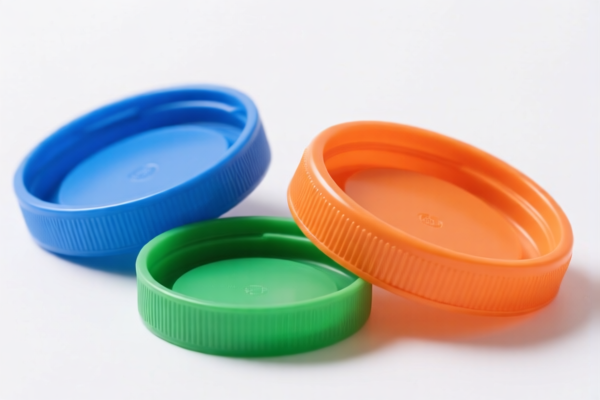
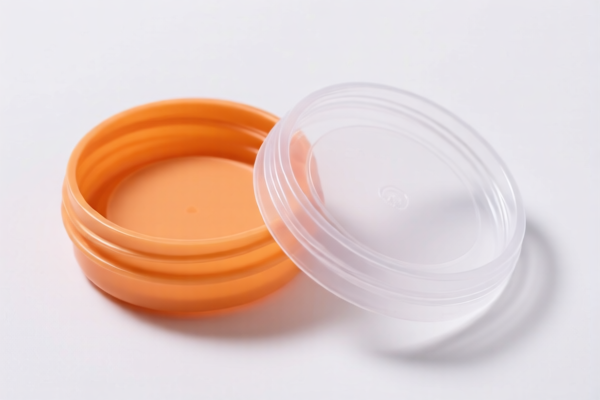
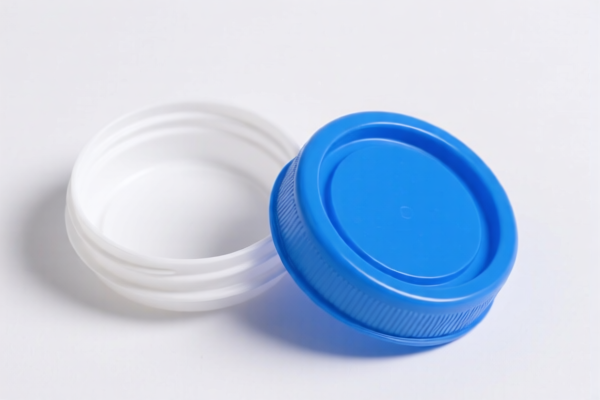

AI Analysis
🥤 Cup Lid (Cup Cap/Closure) – Comprehensive HS Code Classification & 2026 U.S. Import Guide
🌐 HS Code Reference & Clearance Strategy | 2026 Tax Breakdown | Professional Customs Compliance
📌 Section 1: Product Definition & Classification Logic
Cup Lids are closure devices designed to seal beverage containers (e.g., coffee cups, water bottles, takeout containers). Their classification depends critically on material and function:
| Material | Typical HS Code Category | Key Distinction |
|---|---|---|
| Plastic | Chapter 39 (Plastics) | Most common for disposable cups |
| Metal | Chapter 83 (Base Metal Articles) | Reusable, high-end, or industrial lids |
| Glass | Chapter 70 (Glass) | Specialized containers (e.g., lab jars, luxury bottles) |
⚠️ Critical Note:
- Plastic lids (e.g., PP, PET, PS) → 3923.50.00.00 or 3923.10.90.00
- Metal lids (e.g., steel, aluminum) → 8309.90.00.80 or 8309.90.00.85
- Glass lids (rare) → 7010.20.20.00
📦 Section 2: HS Code Breakdown & Tax Analysis (2026 U.S. Import)
(All rates apply to China-originated goods under 2026 tariff rules)
🎯 1. Plastic Lids (Most Common)
✅ HS Code: 3923.50.00.00
| Detail | Value |
|---|---|
| Description | Plastic caps/lids for containers (e.g., screw-on, snap-fit) |
| Material | Plastic (PP, PET, PS, etc.) |
| Base Duty | 5.3% |
| Section 301 Tariff | +25% |
| 122 Clause | +10% |
| Total Duty | 40.3% |
| Legal Basis | USITC:3923.50.00.00 → Section 301:Footnote 9903.01.01 → 122 Clause |
✅ HS Code: 3923.10.90.00
| Detail | Value |
|---|---|
| Description | Other plastic containers/closures (e.g., non-standard shapes) |
| Material | Plastic |
| Base Duty | 3.0% |
| Section 301 Tariff | +25% |
| 122 Clause | +10% |
| Total Duty | 38.0% |
| Legal Basis | USITC:3923.10.90.00 → Section 301:Footnote 9903.01.01 → 122 Clause |
🔍 Key Insight:
- 3923.50.00.00 is for standardized screw-on/snap-fit lids (most common for beverages).
- 3923.10.90.00 covers specialized/custom shapes (e.g., pour spouts, child-proof caps).
🎯 2. Metal Lids (Reusable/Industrial)
✅ HS Code: 8309.90.00.80
| Detail | Value |
|---|---|
| Description | Metal caps/lids (steel, aluminum, etc.) |
| Material | Base metal (non-precious) |
| Base Duty | 2.6% |
| Section 301 Tariff | +25% |
| 122 Clause | +10% |
| Total Duty | 37.6% |
| Legal Basis | USITC:8309.90.00.80 → Section 301:Footnote 9903.01.01 → 122 Clause |
✅ HS Code: 8309.90.00.85
| Detail | Value |
|---|---|
| Description | Other metal closures (e.g., specialized industrial seals) |
| Material | Base metal |
| Base Duty | 2.6% |
| Section 301 Tariff | +25% |
| 122 Clause | +10% |
| Total Duty | 37.6% |
| Legal Basis | USITC:8309.90.00.85 → Section 301:Footnote 9903.01.01 → 122 Clause |
🔍 Key Insight:
- Both 8309.90.00.80 and 8309.90.00.85 apply to non-precious metal lids (e.g., steel caps for bottles, aluminum lids for cans).
- 8309.90.00.85 is for non-standard industrial seals (e.g., pressure seals, vacuum caps).
🎯 3. Glass Lids (Rare)
✅ HS Code: 7010.20.20.00
| Detail | Value |
|---|---|
| Description | Glass closures for bottles/jars |
| Material | Glass |
| Base Duty | 2.5% |
| Section 301 Tariff | +25% |
| 122 Clause | +10% |
| Total Duty | 37.5% |
| Legal Basis | USITC:7010.20.20.00 → Section 301:Footnote 9903.01.01 → 122 Clause |
🔍 Key Insight:
- Glass lids are rare for consumer cups (mostly for labware or luxury bottles).
- If misclassified as plastic/metal, customs may reject shipment.
🛠️ Section 3: Customs Clearance Strategy (2026 Best Practices)
✅ 1. Documentation Checklist (Must-Submit)
| Document | Requirement |
|---|---|
| Product Spec Sheet | Material composition (e.g., "PP plastic," "stainless steel 304"), dimensions, sealing mechanism |
| Technical Drawing | Cross-section showing material layers (e.g., plastic + rubber gasket) |
| Photographs | Clear images of the lid (with/without container, showing closure type) |
| FCC/CE Certificates | For plastic lids with electronic components (e.g., heated lids) |
| Commercial Invoice | Must specify: "Cup Lid [Material], [HS Code], [Quantity]" |
| COO (Certificate of Origin) | Proof of Chinese origin (if applicable) |
✅ 2.申报技巧 (Critical for Avoiding Errors)
🔥 "Material First, Function Second!"
- Plastic lids → Always declare as 3923.50.00.00 (not "cups" or "containers").
- Metal lids → Always declare as 8309.90.00.80 (not "bottles" or "caps").
- Glass lids → Always declare as 7010.20.20.00 (not "plastic" or "metal").
| Common Mistake | Correct Action |
|---|---|
| Declaring plastic lids as "cups" | ✅ Use 3923.50.00.00 (not 8479.89.00) |
| Declaring metal lids as "bottles" | ✅ Use 8309.90.00.80 (not 8479.89.00) |
| Omitting material details | ✅ Always specify "Plastic/Metal/Glass" in description |
✅ 3. Special Cases & Risk Mitigation
| Scenario | Solution |
|---|---|
| Lid + Container Sold Together | Declare as separate items (lid under 3923/8309, container under 7013/8479) |
| Lids with Electronics (e.g., heated) | Declare as "Cup Lid with Heating Element" → May require FCC/UL certification |
| Reusable Metal Lids | Use 8309.90.00.80 (not 8309.10.00.00 for "bottle caps") |
| Glass Lids for Labware | Use 7010.20.20.00 (not 3923.50.00.00) |
🌍 Section 4: Global Market Comparison (2026)
| Country | HS Code | Duty Rate | Notes |
|---|---|---|---|
| 🇺🇸 USA | 3923.50.00.00 / 8309.90.00.80 | 37.6%~40.3% | Highest global rate (Section 301 + 122 Clause) |
| 🇨🇳 China | 3923.50.00.00 / 8309.90.00.80 | 0%~5% | No additional tariffs |
| 🇪🇺 EU | 3923.50.00.00 / 8309.90.00.80 | 0%~2% | CE certification required |
| 🇦🇺 Australia | 3923.50.00.00 / 8309.90.00.80 | 5% | No additional tariffs |
| 🇯🇵 Japan | 3923.50.00.00 / 8309.90.00.80 | 0% | No additional tariffs |
📌 Conclusion:
- U.S. import is most expensive (37.6%~40.3%) due to Section 301 + 122 Clause.
- Non-U.S. markets have 0%~5% tariffs (no additional clauses).
📌 Section 5: Common Pitfalls & Avoidance Tips
❌ Mistake 1: Declaring plastic lids as "bottle caps" (HS Code 8309.10.00.00)
→ Result: Tax rate drops to 0%, but customs reclassifies and charges 40.3% + penalty.
❌ Mistake 2: Omitting material details (e.g., "Cup Lid" without "Plastic/Metal")
→ Result: Customs delays shipment for clarification, adding 15–30 days delay.
❌ Mistake 3: Misclassifying glass lids as plastic
→ Result: Rejection of shipment (glass vs. plastic are legally distinct).
✅ Pro Tip:
"Always declare: 'Cup Lid, [Material], [HS Code], [Quantity]' + Attach Technical Drawings."
🎯 Final Recommendation: Optimize Your Clearance!
🚀 Action Plan:
1. Verify Material: Confirm plastic/metal/glass via third-party lab test.
2. Use Correct HS Code:
- Plastic → 3923.50.00.00 (most common)
- Metal → 8309.90.00.80
- Glass → 7010.20.20.00
3. Submit Documentation: Include spec sheet + photos + COO.
4. Pre-Clearance: Apply for Advance Ruling (US Customs) to avoid delays.
💡 Cost-Saving Tip:
If shipping to non-U.S. markets (EU/China/Australia), consider re-routing via transshipment to avoid U.S. tariffs.
✨ Precision Matters:
"A 1% error in HS Code classification = 10% extra cost in U.S. import!"
Your lid is not a cup — it's a closure! 🎯
📞 Need Help?
Contact a licensed customs broker + submit product specs for HS Code pre-ruling.
Avoid fines, delays, and rejections! 🚀
Customer Reviews
About HS Code Classification
The Harmonized System (HS) is an internationally standardized nomenclature developed by the World Customs Organization (WCO) to classify traded products. Over 200 countries use the HS system as the basis for customs tariffs, trade statistics, and import/export regulations.
Each HS code follows a hierarchical structure:
- Chapter (2 digits) — Broad category of goods (e.g., Chapter 84: Machinery and Mechanical Appliances)
- Heading (4 digits) — More specific grouping within the chapter
- Subheading (6 digits) — Internationally standardized breakdown, used by all WCO member countries
- National subdivisions (8-10 digits) — Country-specific extensions for further classification, such as US HTSUS 10-digit codes
Correct HS code classification is essential for smooth customs clearance, accurate duty payment, and compliance with trade regulations. Misclassification can lead to customs delays, overpayment of duties, or penalties.
When importing from CN to US, the applicable tariff rates may include:
- Most-Favored-Nation (MFN) rate — The standard duty rate applied to WTO members
- General rate — Applied to countries without trade agreements
- Trade remedy duties — Additional tariffs such as Section 301 (anti-dumping), Section 232 (national security), or countervailing duties
The information provided on this page is for reference purposes only. For official classification, please consult with your local customs authority or a licensed customs broker.