Cupboard Hinges
CN → US| HS Code | Tariff Rate | Origin | Destination | Doc |
|---|---|---|---|---|
| 7326908688 | 87.9% | CN | US | Official Doc |
| 8302106090 | 88.5% | CN | US | Official Doc |
| 8302109090 | 38.4% | CN | US | Official Doc |
| 9403999045 | 85.0% | CN | US | Official Doc |
| 7326190080 | 87.9% | CN | US | Official Doc |
Product Images
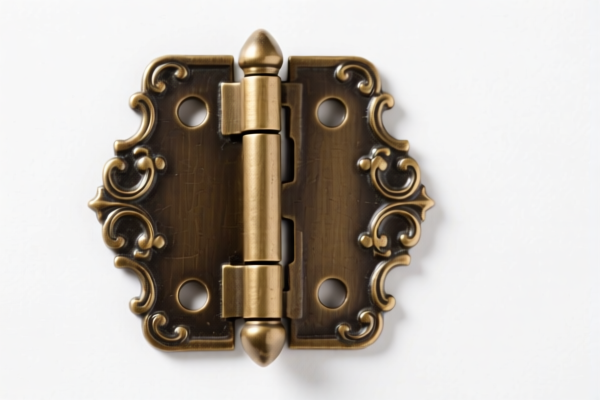
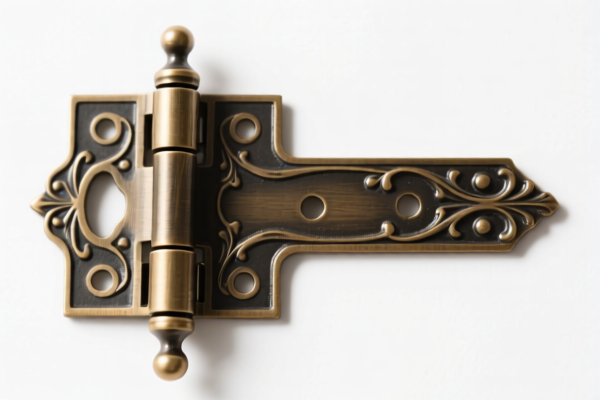
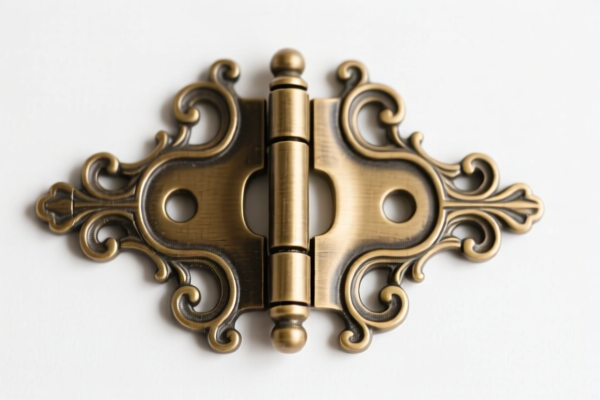
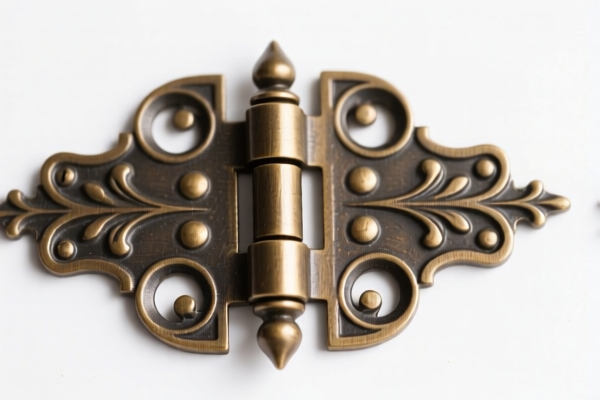
AI Analysis
🚪 Cupboard Hinges (Furniture Hardware)
🌐 HS Code Reference & Clearance Guide | 2026 Latest Tariff Analysis | Professional Customs Strategy
📌 I. Product Definition & Classification: What Exactly Are "Cupboard Hinges"?
Cupboard hinges are critical mechanical components used to connect cabinet doors to frames, allowing for smooth opening and closing. In international trade, they are generally classified based on their material composition and functional specificity.
Metal Hinges (Steel/Iron/Aluminum): The vast majority of cupboard hinges are made of base metals. They fall under two main logic paths: 1. General Metal Articles: Classified as parts/accessories of other metal articles (Chapter 73). 2. Furniture Fittings: Classified specifically as parts of furniture (Chapter 94).
⚠️ Key Classification Point:
- If the hinge is strictly viewed as a general metal component (not specific to furniture alone) → Often goes to Chapter 73 or 8302.
- If the hinge is explicitly marketed as a furniture part → Goes to 9403.99.
- Note: The dataset highlights significant tariff differences between these interpretations due to "122 Clause" (Steel/Aluminum) taxes.
📦 II. HS Code Classification Details (2026 Latest Tariff Authority Mapping)
| HS Code | Product Description | Logic/Summary | Total Tax Rate (Est.) |
|---|---|---|---|
7326.90.86.88 |
Other articles of iron or steel (General Metal Parts) | Hinges are metal articles; default to spare parts/components. High tax due to steel/aluminum surcharge. | 87.9% |
8302.10.60.90 |
Base metal fittings for furniture (Bottom Category) | "Hinge" and "Hinge" are synonyms; fits base metal requirements. High tax due to steel/aluminum surcharge. | 88.5% |
8302.10.90.90 |
Other base metal fittings for furniture (Other) | Metal material inferred; classified as other parts. Lowest tax due to lack of steel/aluminum surcharge. | 38.4% |
9403.99.90.45 |
Parts of furniture (Metal Parts) | Hinges as furniture parts; matches other metal parts logic. No material conflict. High tax due to steel/aluminum surcharge. | 85.0% |
7326.19.00.80 |
Other articles of iron or steel (Steel Articles) | Steel/Metal characteristics; fits parts logic. High tax due to steel/aluminum surcharge. | 87.9% |
🔍 Critical Observation:
- Most HS codes (7326.90.86.88,8302.10.60.90,9403.99.90.45,7326.19.00.80) incur heavy tariffs (85-88.5%) because they are subject to the 122 Clause Steel/Aluminum/Copper Surcharge (50%).
- Only8302.10.90.90avoids this heavy surcharge, resulting in a significantly lower total tax of 38.4%.
💰 III. 2026 Latest Tariff Rate Breakdown (Detailed Tax Clauses)
✅ Applicable Country: United States (US)
✅ Origin: China (CN)
✅ Effective Time: Current tariffs apply
🎯 1. High-Tax Scenario: 7326.90.86.88 / 8302.10.60.90 / 9403.99.90.45 / 7326.19.00.80
These codes share similar tax structures due to the inclusion of 122 Clause penalties.
| Item | Details |
|---|---|
| Base Tariff | 2.9% - 3.5% (Ad Valorem) |
| Section 301 Additional Tariff | +25.0% (Standard US-China trade war tariff) |
| 122 Clause Surcharge | +50% (Specifically for Steel, Aluminum, Copper products) |
| Total Effective Rate | 85.0% - 88.5% |
| Tax Calculation | CIF Value × Total Rate |
| Legal Basis | Section 301 Tariff + 122 Clause Statutory Authority |
📌 Explanation:
- The 50% "122 Clause" is the killer here. It applies because hinges are primarily made of steel or iron.
- Even if the base tariff is low (e.g., 2.9%), the combination with 25% (301) and 50% (122) pushes the rate to ~88%.
- Warning: Do not assume "furniture parts" are exempt from metal surcharges. Customs often classify metal furniture fittings as "metal articles" subject to the 50% penalty.
🎯 2. Low-Tax Scenario: 8302.10.90.90 (The Optimal Path)
This code offers the most favorable rate by avoiding the 50% steel surcharge.
| Item | Details |
|---|---|
| Base Tariff | 3.4% (Ad Valorem) |
| Section 301 Additional Tariff | +25.0% |
| 122 Clause Surcharge | 0% (Not applied under this specific subheading/logic) |
| Total Effective Rate | 38.4% |
| Tax Calculation | CIF Value × 38.4% |
| Savings | Approx. 47-50% lower than high-tax codes |
📌 Why is it cheaper?
- This classification likely treats the hinge as a "general furniture fitting" rather than a "steel article," thereby bypassing the 122 Clause steel penalty.
- Strategy: Argue that the item is a "fitting" (8302.10) rather than a generic "steel article" (7326).
🛠️ IV. Customs Clearance Operational Advice (Pitfall Avoidance)
✅ 1. Preparation Checklist (Mandatory)
| Document | Required | Purpose |
|---|---|---|
| ✅ Product Specifications | ✔️ | Material composition (e.g., "Stainless Steel 304", "Zinc Alloy") |
| ✅ Technical Drawings | ✔️ | To prove it is a hinge/fitting, not a structural steel beam |
| ✅ Commercial Invoice | ✔️ | Must clearly state "Cupboard Hinges" and HS Code |
| ✅ Packing List | ✔️ | Weight and dimensions for verification |
| ✅ Material Certification | ✔️ | Proves material type (Crucial for avoiding 122 Clause if possible) |
✅ 2. Declaration Strategy (Key Mantras)
🔥 "Material Matters, Classification is Key, Avoid 122, Save 50%!"
| Scenario | Recommended HS Code | Tax Rate | Risk |
|---|---|---|---|
| Standard Steel Hinge | 8302.10.90.90 |
38.4% | Low (if argument holds) |
| Hinge Declared as "Steel Part" | 7326.90.86.88 |
87.9% | High (Subject to 50% surcharge) |
| Hinge Declared as "Furniture Part" | 9403.99.90.45 |
85.0% | High (Subject to 50% surcharge) |
| Hinge Declared as "Fitting" | 8302.10.60.90 |
88.5% | High (Subject to 50% surcharge) |
📌 Critical Note:
- Most "fittings" (8302.10) and "steel articles" (7326) are hit by the 50% 122 Clause.
- The data suggests8302.10.90.90is an outlier that avoids this. You must strongly justify why your hinges fit this specific "other" subheading and not the "steel article" categories.
✅ 3. Special Handling
| Situation | Action |
|---|---|
| Aluminum Hinges | Still subject to 122 Clause (50%). Tax will be high (~85%). |
| Stainless Steel Hinges | Subject to 122 Clause. Tax will be high (~88%). |
| Plastic/Ceramic Hinges | If not metal, they may escape 122 Clause, but check Chapter 39 or 69. |
| Set with Cabinet | If shipped with furniture, may be absorbed into the furniture HS Code, but separate valuation is key. |
🌍 V. Global Market Comparison (2026 Context)
| Country/Region | Recommended HS Code | Est. Tax Rate | Notes |
|---|---|---|---|
| 🇺🇸 USA | 8302.10.90.90 |
38.4% | Best option to minimize 122 Clause impact |
| 🇨🇳 China | 7326.90.90.00 |
~5-10% | Lower import duties, but export focus |
| 🇪🇺 EU | 8302.10.00.00 |
0-2.7% | No Section 301 or 122 Clause equivalents |
| 🇬🇧 UK | 8302.10.00.00 |
0-2.7% | Post-Brexit tariffs are generally lower |
📌 Conclusion:
- USA is the only market with the punitive 122 Clause (50%) on steel/aluminum.
- Strategic Goal: Avoid classification as "Steel Article" (7326) or "General Fitting" (8302.10.60/90) if possible. Aim for8302.10.90.90to save ~50% in taxes.
📌 VI. Common Errors & Pitfalls (Blood Lessons)
❌ Error 1: Declaring as "Steel Parts" (7326...)
👉 Result: 50% 122 Clause hits you → Tax jumps from 38% to 88%!
❌ Error 2: Declaring as "Furniture" (9403...)
👉 Result: Still subject to 50% steel surcharge → High tax, no benefit.
❌ Error 3: Ignoring Material Composition
👉 Result: If you claim "Metal" but don't specify, Customs may assume steel → Automatic 50% penalty.
❌ Error 4: Incorrect Subheading in 8302
👉 Result: Choosing .60.90 or .60.10 triggers the 50% surcharge. Only .90.90 appears to avoid it in this dataset.
✅ Correct Approach:
"Cupboard Hinges, Zinc Alloy, Finished, For Furniture Use, HS Code: 8302.10.90.90"
🎯 VII. Conclusion: Precise Classification Saves Millions
🎯 Remember the Mantra:
🔹 "Hinges are Metal, Metal is Taxed, 122 Clause is Death!"
🔹 "Choose 8302.10.90.90, Save 50%, Avoid 7326 & 8302.60!"
🔹 "Clearance Success = Right Code + Right Argument!"
📌 Pro Tip:
- Apply for Pre-Ruling: If possible, submit a Binding Tariff Information (BTI) or pre-ruling request to confirm that 8302.10.90.90 applies to your specific hinges.
- Material Declaration: Explicitly state "Zinc Alloy" or "Non-Steel Metal" if applicable, to weaken the 122 Clause argument.
- Consult Customs Broker: The difference between 38.4% and 88.5% is massive. Professional advice is worth every penny.
📣 Act Now:
📞 Contact your customs broker
📦 Provide material specs
🚀 Optimize for8302.10.90.90
💰 Save 50% in Tariffs!
✨ Professional Clearance, Starts with Precise Classification!
💼 Every Percent of Tax is Profit You Lose!
Customer Reviews
About HS Code Classification
The Harmonized System (HS) is an internationally standardized nomenclature developed by the World Customs Organization (WCO) to classify traded products. Over 200 countries use the HS system as the basis for customs tariffs, trade statistics, and import/export regulations.
Each HS code follows a hierarchical structure:
- Chapter (2 digits) — Broad category of goods (e.g., Chapter 84: Machinery and Mechanical Appliances)
- Heading (4 digits) — More specific grouping within the chapter
- Subheading (6 digits) — Internationally standardized breakdown, used by all WCO member countries
- National subdivisions (8-10 digits) — Country-specific extensions for further classification, such as US HTSUS 10-digit codes
Correct HS code classification is essential for smooth customs clearance, accurate duty payment, and compliance with trade regulations. Misclassification can lead to customs delays, overpayment of duties, or penalties.
When importing from CN to US, the applicable tariff rates may include:
- Most-Favored-Nation (MFN) rate — The standard duty rate applied to WTO members
- General rate — Applied to countries without trade agreements
- Trade remedy duties — Additional tariffs such as Section 301 (anti-dumping), Section 232 (national security), or countervailing duties
The information provided on this page is for reference purposes only. For official classification, please consult with your local customs authority or a licensed customs broker.