Cupping Massage Device
CN → US| HS Code | Tariff Rate | Origin | Destination | Doc |
|---|---|---|---|---|
| 9018908000 | 10.0% | CN | US | Official Doc |
| 9021100090 | 10.0% | CN | US | Official Doc |
| 9018907560 | 35.0% | CN | US | Official Doc |
| 9021908100 | 10.0% | CN | US | Official Doc |
Product Images
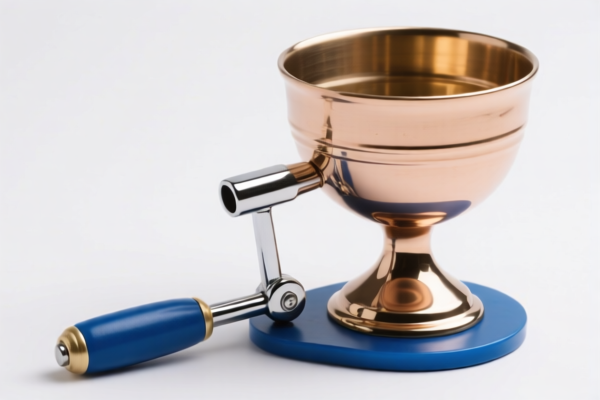
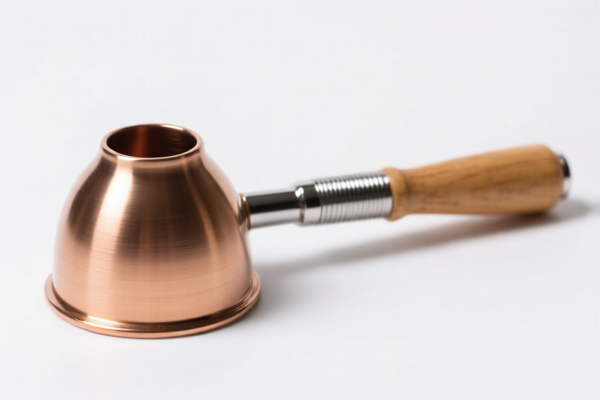
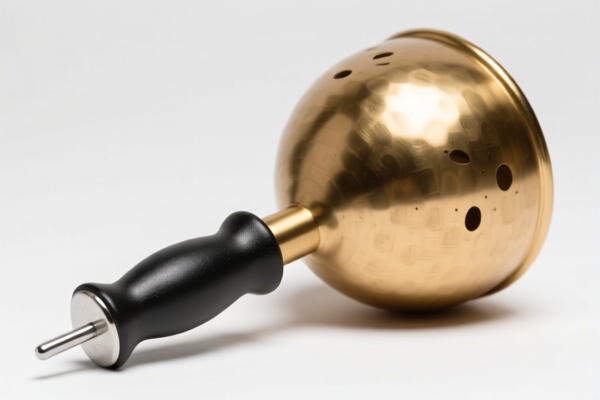
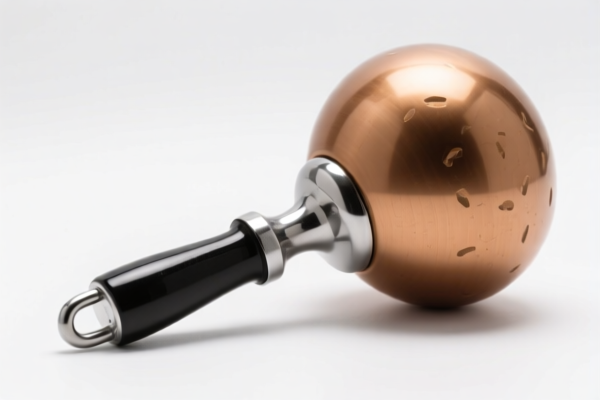
AI Analysis
💨 Cupping Massage Device (拔罐器)
🌐 HS Code Reference & Customs Clearance Guide | 2026 Latest Tariff Analysis | Professional Clearance Strategy
📌 I. Product Definition & Classification: What Exactly is a "Cupping Device"?
Cupping therapy is a traditional medical practice used for pain relief, inflammation reduction, and blood circulation improvement. In international trade, cupping devices are categorized based on their medical nature, mechanical function, and intended therapeutic use.
They generally fall under Chapter 90 (Optical, photographic, cinematographic, measuring, checking, precision, medical or surgical instruments and apparatus).
⚠️ Key Distinction:
- If the device is primarily for physical therapy, massage, or non-specific pain relief without being a fixed orthopedic implant → Category 9018 (Instruments/apparatus for physical therapy or general medical use).
- If the device is considered a prosthetic or orthopedic aid (compensating for bodily functions) → Category 9021 (Orthopedic appliances, surgical belts, prostheses, etc.).
📦 II. HS Code Classification Details (2026 Latest Tariff Authority Comparison)
| HS Code | Product Description | Applicable Scenario | Key Classification Logic |
|---|---|---|---|
9018.90.80.00 |
Other instruments/apparatus for physical therapy or general medical use | Cupping devices used for general pain relief, massage, or traditional therapy; not specifically for fracture correction. | ✅ Fits "Medical/Surgical/Dental/Veterinary" instruments not elsewhere specified. |
9021.10.00.90 |
Orthopedic appliances (excluding braces, belts, etc.) and parts; Other | Cupping devices viewed as "surgical appliances" or "orthopedic aids" that compensate for bodily function (e.g., circulation aid). | ✅ Fits "Orthopedic/Surgical" logic; specifically "Other" non-internal fixation devices. |
9018.90.75.60 |
Instruments/apparatus for physical therapy (specific material/sub-category) | Cupping devices made of plastic or glass, used for therapeutic treatment. | ✅ Fits "Therapeutic/Treatment" definition; material conflict check passed. |
9021.90.81.00 |
Parts and accessories of orthopedic appliances; Other | Cupping devices viewed as "prosthetic/orthopedic aids" assisting bodily functions (blood flow, muscle recovery). | ✅ Fits "Prosthetic/Orthopedic" logic for assisting bodily functions. |
🔍 Critical Reminder:
- Medical vs. Cosmetic: If marketed purely as a "spa beauty tool" without medical claims, some customs may question Chapter 90, but given the data, all codes provided are within Chapter 90.
- Material: Common materials (Glass, Plastic, Silicone) do not create classification conflicts in these categories.
- Function: The key is whether it’s seen as a general medical instrument (9018) or an orthopedic/prosthetic aid (9021).
💰 III. 2026 Latest Tariff Rate Details (Including Additional Duties & Policies)
✅ Applicable Country: United States (US)
✅ Country of Origin: China (CN)
✅ Effective Date: From November 10, 2025 (including subsequent imports)
🎯 1. 9018.90.80.00 —— Medical/Surgical Instruments (General)
| Item | Content |
|---|---|
| Base Duty Rate | 0% (ad valorem) |
| Section 301 Duty (Additional) | 0% |
| Section 122 Duty (IEEPA) | +10% (Specifically targeting China) |
| Total Duty Rate | 10.0% |
| Tax Calculation | CIF Value × 10% |
| De Minimis Exemption | ❌ Not Eligible (Subject to high tariff thresholds) |
| Legal Basis Path | Section 122: IEEPA → USITC:9018.90.80.00 |
📌 Explanation:
- This code is classified under general medical instruments.
- Crucial Point: It is subject to 10% Section 122 tariff, but NOT the 25% Section 301 tariff. This is a significant cost advantage compared to other electronic or plastic goods.
- Total Cost Impact: 10% on CIF value.
🎯 2. 9021.10.00.90 —— Orthopedic/Surgical Appliances (Other)
| Item | Content |
|---|---|
| Base Duty Rate | 0% (ad valorem) |
| Section 301 Duty (Additional) | 0% |
| Section 122 Duty (IEEPA) | +10% (Specifically targeting China) |
| Total Duty Rate | 10.0% |
| Tax Calculation | CIF Value × 10% |
| De Minimis Exemption | ❌ Not Eligible |
| Legal Basis Path | Section 122: IEEPA → USITC:9021.10.00.90 |
📌 Note:
- Classified under orthopedic appliances.
- Same tariff structure as9018.90.80.00: 0% Base + 0% Sec 301 + 10% Sec 122.
- Ideal for devices marketed as "orthopedic aids" or "surgical tools."
🎯 3. 9018.90.75.60 —— Physical Therapy Instruments (Specific Sub-category)
| Item | Content |
|---|---|
| Base Duty Rate | 0% (ad valorem) |
| Section 301 Duty (Additional) | +25% |
| Section 122 Duty (IEEPA) | +10% (Specifically targeting China) |
| Total Duty Rate | 35.0% |
| Tax Calculation | CIF Value × 35% |
| De Minimis Exemption | ❌ Not Eligible |
| Legal Basis Path | Section 301: USITC → Section 122: IEEPA → USITC:9018.90.75.60 → FOOTNOTE |
📌 Warning:
- This is the highest tax bracket among the options.
- It attracts both the 25% Section 301 tariff (Section 9903) and the 10% Section 122 tariff.
- Recommendation: Avoid this HS Code unless necessary. It is significantly more expensive. The description "Plastic/Glass" triggers this specific sub-code with higher penalties.
🎯 4. 9021.90.81.00 —— Parts/Accessories of Orthopedic Appliances (Other)
| Item | Content |
|---|---|
| Base Duty Rate | 0% (ad valorem) |
| Section 301 Duty (Additional) | 0% |
| Section 122 Duty (IEEPA) | +10% (Specifically targeting China) |
| Total Duty Rate | 10.0% |
| Tax Calculation | CIF Value × 10% |
| De Minimis Exemption | ❌ Not Eligible |
| Legal Basis Path | Section 122: IEEPA → USITC:9021.90.81.00 |
📌 Note:
- Classified as an accessory or aid to orthopedic/prosthetic function.
- Same favorable tax rate as9018.90.80.00and9021.10.00.90: 10% Total.
- Suitable if the device is marketed as a "circulation aid" or "body function compensator."
🛠️ IV. Customs Clearance Practical Advice (Best Practices & Pitfalls)
✅ 1. Documentation Checklist (Essential)
| Document | Required | Notes |
|---|---|---|
| ✅ Product Specification Sheet | ✔️ | Must clearly state: Material (Glass/Plastic), Usage (Physical Therapy/Orthopedic), Intended User (Professional/Home). |
| ✅ Product Photos | ✔️ | Clear images of the device, valves, cups, and any branding. |
| ✅ Commercial Invoice | ✔️ | Description must match the HS Code logic (e.g., "Cupping Device for Physical Therapy" vs. "Orthopedic Aid"). |
| ✅ Packing List | ✔️ | Detail contents to avoid misclassification as "parts" if shipped separately. |
| ✅ Intended Use Statement | ✔️ | Explicitly state: "For use in physical therapy, pain relief, and muscle recovery." Avoid medical claims like "cures disease." |
✅ 2. Declaration Tips (Key Mnemonic)
🔥 "Choose 10%, Avoid 35%, Declare Function Clearly!"
| Scenario | Correct HS Code | Tax Rate | Risk |
|---|---|---|---|
| General Medical/Massage Use | 9018.90.80.00 |
10% | ✅ Low Risk. Best for general spa/therapy use. |
| Orthopedic/Surgical Aid | 9021.10.00.90 |
10% | ✅ Low Risk. Good for professional clinical settings. |
| Circulation/Body Function Aid | 9021.90.81.00 |
10% | ✅ Low Risk. Good for marketing as "health aid." |
| Specific Plastic/Glass Therapy Code | 9018.90.75.60 |
35% | ❌ High Cost. Avoid unless specified by expert. |
📌 Critical Strategy:
- Do NOT declare as9018.90.75.60unless you are certain the customs broker insists on the specific material-based subheading. The 35% tax is a major profit killer.
- Prefer9018.90.80.00or9021.10.00.90for 10% tax efficiency.
- Ensure the product description emphasizes "Physical Therapy" or "Orthopedic Aid" rather than just "Beauty Tool" to stay within Chapter 90.
✅ 3. Special Handling
| Situation | Advice |
|---|---|
| Glass vs. Plastic Cups | Both codes 9018.90.80.00 and 9021.10.00.90 accommodate various materials. Ensure specs list material accurately to avoid delays. |
| Set vs. Individual | If shipped as a set (pump + cups + oil), declare as a single unit. Do not split invoice for parts to avoid misclassification. |
| FDA/CE Certification | While not a tariff issue, having FDA (if marketed as medical) or CE certification strengthens the "Medical Instrument" classification under Chapter 90. |
| Origin Marking | Ensure products are marked "Made in China" to comply with Section 122 enforcement. |
🌍 V. Global Market Clearance Comparison (2026 Latest)
| Country/Region | Recommended HS Code | Total Duty Rate | Certification Required | Notes |
|---|---|---|---|---|
| 🇺🇸 USA | 9018.90.80.00 or 9021.10.00.90 |
10% | FDA (if medical claim), CE | Avoid 9018.90.75.60 (35%). |
| 🇨🇳 China | 9018.90.80.00 |
~5-10% | N/A | Low duty, easy clearance. |
| 🇪🇺 EU | 9018.90.80.00 |
~0-2% | CE MDR (if medical) | Very low duty. |
| 🇬🇧 UK | 9018.90.80.00 |
~0-2% | UKCA | Post-Brexit rules apply. |
| 🇦🇺 Australia | 9018.90.80.00 |
~0-5% | TGA (if therapeutic) | Low duty. |
📌 Conclusion:
- The USA is the most complex market due to Section 122 and potential Section 301 tariffs.
- Choosing the right HS Code (10% vs 35%) is critical for US exports.
- Other markets generally have lower duties and fewer additional tariffs.
📌 VI. Common Errors & Pitfalls (Lessons Learned)
❌ Mistake 1: Declaring as 9018.90.75.60 (35% Tax)
👉 Consequence: Paying 25% extra in Section 301 tariffs unnecessarily.
✅ Fix: Use 9018.90.80.00 (10% Tax) unless specific material rules force otherwise.
❌ Mistake 2: Declaring as "Beauty Tool" (HS 9608 or 8543)
👉 Consequence: Misclassification risk, potential duty evasion penalties.
✅ Fix: Stick to Chapter 90 (Medical/Therapeutic) if claims are therapeutic.
❌ Mistake 3: Splitting Invoice for Parts
👉 Consequence: Higher duties on individual components.
✅ Fix: Declare as a complete set.
❌ Mistake 4: Ignoring Section 122
👉 Consequence: Non-compliance with US origin rules.
✅ Fix: Ensure all "Made in China" goods are accounted for the 10% Section 122 tariff.
🎯 VII. Conclusion: Smart Classification, Higher Profits!
🎯 Key Takeaways:
🔹 "Aim for 10%, Not 35%."
🔹 "Use9018.90.80.00or9021.10.00.90for optimal tax efficiency."
🔹 "Avoid9018.90.75.60unless absolutely necessary due to material specificity."
🔹 "Declare clearly as 'Physical Therapy' or 'Orthopedic Aid' to justify Chapter 90."
📌 Pro Tip:
- For US exports, pre-apply for an Advance Ruling from US Customs and Border Protection (CBP) if you are unsure about the HS Code. This provides legal certainty and protects against audits.
- Keep all product specifications and intended use statements consistent with the chosen HS Code.
📣 Immediate Action:
📞 Consult a Customs Broker: Confirm HS Code
9018.90.80.00or9021.10.00.90for your specific product design.
📄 Prepare Documentation: Ensure invoices and specs support the "Medical/Therapeutic" classification.
💰 Calculate Costs: Factor in the 10% total duty (Base 0% + Sec 122 10%) for accurate pricing.
✨ Professional Clearance Starts with Accurate Classification!
💼 Every 25% saved in tariffs is pure profit!
Customer Reviews
About HS Code Classification
The Harmonized System (HS) is an internationally standardized nomenclature developed by the World Customs Organization (WCO) to classify traded products. Over 200 countries use the HS system as the basis for customs tariffs, trade statistics, and import/export regulations.
Each HS code follows a hierarchical structure:
- Chapter (2 digits) — Broad category of goods (e.g., Chapter 84: Machinery and Mechanical Appliances)
- Heading (4 digits) — More specific grouping within the chapter
- Subheading (6 digits) — Internationally standardized breakdown, used by all WCO member countries
- National subdivisions (8-10 digits) — Country-specific extensions for further classification, such as US HTSUS 10-digit codes
Correct HS code classification is essential for smooth customs clearance, accurate duty payment, and compliance with trade regulations. Misclassification can lead to customs delays, overpayment of duties, or penalties.
When importing from CN to US, the applicable tariff rates may include:
- Most-Favored-Nation (MFN) rate — The standard duty rate applied to WTO members
- General rate — Applied to countries without trade agreements
- Trade remedy duties — Additional tariffs such as Section 301 (anti-dumping), Section 232 (national security), or countervailing duties
The information provided on this page is for reference purposes only. For official classification, please consult with your local customs authority or a licensed customs broker.