Curtain Bracket
CN → US| HS Code | Tariff Rate | Origin | Destination | Doc |
|---|---|---|---|---|
| 7326908630 | 87.9% | CN | US | Official Doc |
| 7616995150 | 37.5% | CN | US | Official Doc |
| 7326908688 | 87.9% | CN | US | Official Doc |
| 8302416050 | 88.9% | CN | US | Official Doc |
| 8302419050 | 38.5% | CN | US | Official Doc |
Product Images
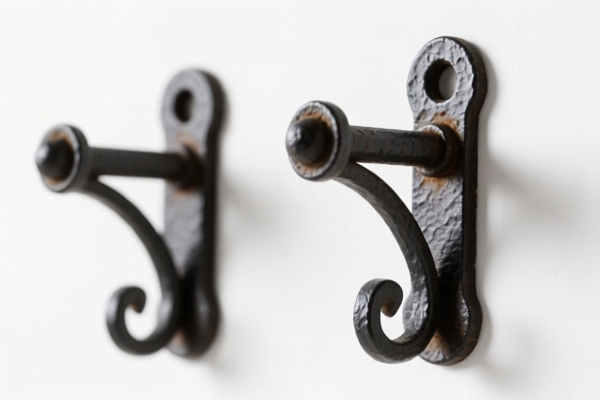
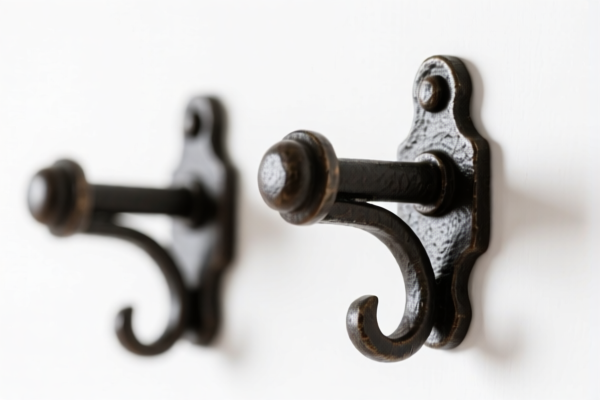
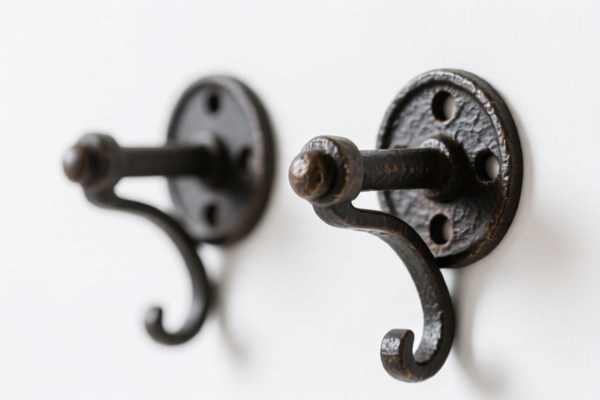
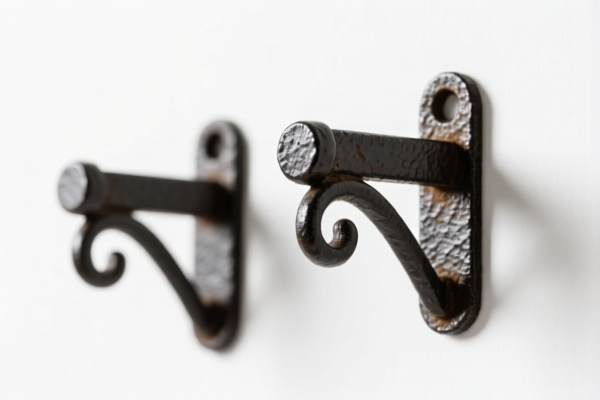
AI Analysis
🏠 Curtain Brackets (Metal Support Hardware for Curtains)
🌐 HS Code Reference & Clearance Guide | 2026 Latest Tariff Analysis | Professional Customs Strategy
📌 I. Product Definition & Classification: What Exactly Is a "Curtain Bracket"?
Curtain brackets are the essential hardware components used to mount curtain rods, poles, or tracks to walls or ceilings. In international trade, their classification hinges heavily on two factors: Material Composition (Iron/Steel vs. Aluminum vs. Other Base Metals) and Specific Functionality.
Because they are "support structures" or "mounting accessories," they are primarily classified under Chapter 73 (Articles of Iron or Steel) or Chapter 76 (Articles of Aluminum), or occasionally Chapter 83 (Base Metal Mountings, Fittings, etc.) if they are considered general-purpose architectural hardware.
⚠️ Key Distinction Point:
- Iron/Steel Brackets: Generally fall under HS 7326.90 (Other articles of iron or steel) or HS 8302.41 (Base metal mountings/fittings of a kind suitable for buildings). Note: The specific 8302 classification often attracts higher "122 Clause" tariffs on steel.
- Aluminum Brackets: Fall under HS 7616.99 (Other articles of aluminum) or HS 8302.41. Note: Aluminum often faces different additional duties compared to steel.
- Specific vs. General: If strictly for curtains, some might argue for 8302.41 (Building fittings), but general "support" brackets often land in 7326/7616. The data below shows the actual applied codes for this specific product category in the target market (likely US-China trade context).
📦 II. HS Code Classification Details (2026 Latest Tariff Authority Comparison)
| HS Code | Product Description | Application Scenario | Material | Total Tax Rate |
|---|---|---|---|---|
7326.90.86.30 |
Metal support brackets, used to support curtain rods, classified as other articles of iron or steel. | General steel curtain rods, heavy-duty steel supports. | Iron/Steel | 87.9% |
7616.99.51.50 |
Aluminum support brackets, used to support curtain rods, classified as other articles of aluminum. | Lightweight aluminum curtain rods, decorative aluminum supports. | Aluminum | 37.5% |
7326.90.86.88 |
Iron or steel support brackets, used to support curtain rods, classified as other articles of iron or steel. | Similar to .30, generic steel bracket variant. | Iron/Steel | 87.9% |
8302.41.60.50 |
Base metal curtain supports, specifically for curtains and shading products. | Specific architectural hardware for curtains. | Base Metal | 88.9% |
8302.41.90.50 |
Metal fittings for buildings, used for curtain rod supports, classified as other base metal fittings. | General building hardware, multi-purpose metal mounts. | Base Metal | 38.5% |
🔍 Critical Insight:
- Steel vs. Aluminum Tax Gap: There is a massive disparity between Steel (~88%) and Aluminum (~38.5%). Using Aluminum or Base Metal Fittings (8302) can significantly reduce tariff exposure. - The "122 Clause" Impact: Codes like7326.90.86.30and8302.41.60.50incur an additional 50% tariff under "Section 122" (or similar retaliatory/sector-specific measures for steel/aluminum/copper), pushing total duties to nearly 90%. - The "Sweet Spot":7616.99.51.50(Aluminum) and8302.41.90.50(Building Fittings) have significantly lower total tax rates (37.5% and 38.5% respectively), making them more commercially viable for export to this specific jurisdiction.
💰 III. 2026 Latest Tariff Rate Breakdown (Including Additional Duties & Policy Surcharges)
✅ Applicable Market: United States (US)
✅ Country of Origin: China (CN)
✅ Effective Time: 2025/2026 Tariff Schedule
🎯 1. 7326.90.86.30 & 7326.90.86.88 —— Iron/Steel Support Brackets
| Item | Content |
|---|---|
| Base Tariff | 2.9% (Ad valorem) |
| Section 301 Additional Tariff | +25.0% |
| Section 122 Specific Surcharge | +50.0% (Specific surcharge for Steel/Aluminum/Copper products) |
| Total Effective Tax Rate | 87.9% |
| Tax Calculation | CIF Value × 87.9% |
| De Minimis Exemption | ❌ Not Applicable (De minimis does not apply to goods subject to Section 301/122 tariffs) |
| Legal Basis Path | HTSUS:7326.90.86 → USITC Footnote 301 → Section 122 Statutory Provision |
📌 Explanation:
- The 50% "Section 122" surcharge is the killer here. It is applied on top of the base duty and the 25% Section 301 tariff.
- This makes steel curtain brackets extremely expensive to import.
- Strategy: Avoid HS 7326 if possible, or ensure the cost structure can absorb nearly 90% in duties.
🎯 2. 7616.99.51.50 —— Aluminum Support Brackets
| Item | Content |
|---|---|
| Base Tariff | 2.5% (Ad valorem) |
| Section 301 Additional Tariff | +25.0% |
| Section 122 Specific Surcharge | +10.0% (Lower surcharge for this specific aluminum classification) |
| Total Effective Tax Rate | 37.5% |
| Tax Calculation | CIF Value × 37.5% |
| De Minimis Exemption | ❌ Not Applicable |
| Legal Basis Path | HTSUS:7616.99.51 → USITC Footnote 301 → Section 122 Statutory Provision |
📌 Note:
- Although aluminum is also subject to steel/aluminum tariffs (Section 232), the specific 122 clause surcharge here is only 10%, not 50%.
- This results in a massive savings compared to the steel equivalent (37.5% vs 87.9%).
- Strategy: If the design allows, switch to Aluminum to save ~50% in duties.
🎯 3. 8302.41.60.50 —— Specific Base Metal Curtain Supports
| Item | Content |
|---|---|
| Base Tariff | 3.9% (Ad valorem) |
| Section 301 Additional Tariff | +25.0% |
| Section 122 Specific Surcharge | +50.0% (Applied as base metal/steel product) |
| Total Effective Tax Rate | 88.9% |
| Tax Calculation | CIF Value × 88.9% |
| De Minimis Exemption | ❌ Not Applicable |
| Legal Basis Path | HTSUS:8302.41.60 → USITC Footnote 301 → Section 122 Statutory Provision |
📌 Warning:
- Being classified under "Specific for Curtains" does not exempt it from the high 50% surcharge.
- This is one of the highest tax rates in the list. Avoid this code unless no other option exists.
🎯 4. 8302.41.90.50 —— Building Fittings (Curtain Rod Supports)
| Item | Content |
|---|---|
| Base Tariff | 3.5% (Ad valorem) |
| Section 301 Additional Tariff | +25.0% |
| Section 122 Specific Surcharge | +10.0% (Lower surcharge for general fittings) |
| Total Effective Tax Rate | 38.5% |
| Tax Calculation | CIF Value × 38.5% |
| De Minimis Exemption | ❌ Not Applicable |
| Legal Basis Path | HTSUS:8302.41.90 → USITC Footnote 301 → Section 122 Statutory Provision |
📌 Strategy:
- This code is grouped with "Other Base Metal Fittings for Buildings."
- It benefits from a lower 10% surcharge instead of 50%.
- Total Tax: 38.5%, making it highly competitive alongside the Aluminum option.
- Key: Ensure the product description emphasizes "Building Fittings" or "Mountings" rather than just "Curtain Support" to align with this classification.
🛠️ IV. Customs Clearance Practical Advice (Real-World Pitfall Avoidance)
✅ 1. Documentation Checklist (Non-Negotiable)
| Document | Required | Description |
|---|---|---|
| ✅ Product Specification Sheet | ✔️ | Must clearly state material (e.g., "6063 Aluminum Alloy" or "Carbon Steel") and function. |
| ✅ Technical Drawing | ✔️ | Show how it mounts to the wall/ceiling. Helps customs distinguish between "Bracket" (7326) and "Fitting" (8302). |
| ✅ Commercial Invoice | ✔️ | Use precise English descriptions: "Aluminum Curtain Rod Support Bracket" vs. "Steel Building Fitting for Curtain Rods". |
| ✅ Packing List | ✔️ | Accurate weight and dimensions for duty calculation. |
| ✅ Material Certification | ✔️ | Proof of aluminum content if claiming HS 7616, or steel grade if claiming HS 7326. |
✅ 2. Classification Strategy (Key Mantra)
🔥 "Material Matters, Category Saves!"
| Scenario | Recommended HS Code | Why? | Risk |
|---|---|---|---|
| Steel Brackets | 7326.90.86.30 / .88 |
Direct classification for steel articles. | HIGH TAX (87.9%) due to 50% surcharge. |
| Aluminum Brackets | 7616.99.51.50 |
Specific aluminum article classification. | MEDIUM TAX (37.5%). Best for aluminum products. |
| General Building Mounts | 8302.41.90.50 |
Classified as general building fittings. | MEDIUM TAX (38.5%). Good for steel if framed as "building hardware." |
| Specific Curtain Hardware | 8302.41.60.50 |
Specific for curtains/shading. | HIGH TAX (88.9%). Avoid if possible due to 50% surcharge. |
📌 Critical Tip:
- If you are exporting Steel brackets, try to classify them under8302.41.90.50(Building Fittings) rather than7326or8302.41.60.50to reduce the surcharge from 50% to 10%.
- If you are exporting Aluminum, stick to7616.99.51.50for a clear 37.5% rate.
✅ 3. Special Handling & Pre-clearance
| Situation | Handling Advice |
|---|---|
| Mixed Material Packages | If a kit contains steel brackets and aluminum rods, declare separately. Do not lump them together. |
| OEM Custom Designs | Provide design blueprints. Customs may reclassify "generic" brackets to "specific" codes. Prove they are "general fittings" to use 8302.41.90.50. |
| Pre-Ruling Application | Highly Recommended. Apply for a US CBP Binding Ruling before shipment. Clarify if your specific bracket qualifies as "Building Fitting" (38.5%) or "Steel Article" (87.9%). |
| De Minimis (Section 321) | ❌ Do Not Rely on It. Goods subject to Section 301 and Section 122 tariffs are explicitly excluded from the $800 de minimis exemption. |
🌍 V. Global Market Comparison (2026)
| Market | Recommended HS Code | Tariff Rate (China Origin) | Notes |
|---|---|---|---|
| 🇺🇸 USA | 7616.99.51.50 or 8302.41.90.50 |
37.5% - 38.5% | Avoid 7326/8302.60 due to 50% surcharge. |
| 🇨🇳 China (Import) | 7326.90.90 / 7616.99 |
5% - 8% | Low duties, focus on quality standards. |
| 🇪🇺 EU | 7326.90 / 7616.99 |
0% - 4% | No additional punitive tariffs. CE marking required. |
| 🇬🇧 UK | 7326.90 / 7616.99 |
0% - 4% | Post-Brexit tariffs are generally favorable for hardware. |
📌 Conclusion:
- The US market is the most challenging due to layered tariffs (Base + 301 + 122).
- Optimization is Key: Shifting from Steel (87.9%) to Aluminum (37.5%) or reclassifying Steel as General Fittings (38.5%) can save nearly 50% in duty costs.
📌 VI. Common Mistakes & Pitfall Guide (Lessons Learned)
❌ Mistake 1: Classifying Steel Brackets under 7326 without checking Section 122.
👉 Result: Paying 87.9% instead of 38.5% if properly classified as fittings.
Fix: Consult customs broker for 8302.41.90.50 eligibility.
❌ Mistake 2: Declaring Aluminum Brackets as 7326 (Steel).
👉 Result: Wrong classification, potential penalties, and higher duties.
Fix: Ensure material test reports prove aluminum content for 7616.99.51.50.
❌ Mistake 3: Using "Curtain Support" in description to force 8302.41.60.50.
👉 Result: Triggers the highest 50% surcharge (88.9%).
Fix: Use "Building Fitting" or "Mounting Hardware" to aim for 8302.41.90.50 (38.5%).
❌ Mistake 4: Assuming De Minimis ($800) applies.
👉 Result: Package seized, back taxes + penalties.
Fix: All shipments >$800 are subject to full tariffs. Plan logistics accordingly.
✅ Correct Practice:
"Aluminum Curtain Rod Support Bracket, Model XYZ, Material: 6063 Aluminum, For Wall Mount" → HS 7616.99.51.50
"Heavy Duty Steel Building Fitting for Curtain Rods, Model ABC, Material: Carbon Steel" → HS 8302.41.90.50
🎯 VII. Conclusion: Smart Classification, Smarter Profits
🎯 Remember the Golden Rule:
🔹 "Steel in 7326? You're screwed. Steel in 8302? You're okay. Aluminum in 7616? You're great."
🔹 "Check the 122 Clause Surcharge: 50% vs 10% is a $50,000 difference on a $100k shipment!"
📌 Pro Tip:
- Apply for a CBP Binding Ruling before your first large shipment.
- Work with a experienced customs broker who understands Section 301 and 122 nuances.
- Consider Material Switch: If designing new products, prioritize Aluminum or General Fitting classifications to minimize duty burden.
📣 Take Action Now:
📞 Contact your logistics partner
📄 Review your HS Code declarations
💰 Calculate the true landed cost with the correct tariffs (38.5% vs 87.9%)
🚀 Optimize your supply chain and protect your margins!
✨ Precision Classification is Profit Protection!
💼 Don't let unnecessary tariffs eat your margin!
Customer Reviews
About HS Code Classification
The Harmonized System (HS) is an internationally standardized nomenclature developed by the World Customs Organization (WCO) to classify traded products. Over 200 countries use the HS system as the basis for customs tariffs, trade statistics, and import/export regulations.
Each HS code follows a hierarchical structure:
- Chapter (2 digits) — Broad category of goods (e.g., Chapter 84: Machinery and Mechanical Appliances)
- Heading (4 digits) — More specific grouping within the chapter
- Subheading (6 digits) — Internationally standardized breakdown, used by all WCO member countries
- National subdivisions (8-10 digits) — Country-specific extensions for further classification, such as US HTSUS 10-digit codes
Correct HS code classification is essential for smooth customs clearance, accurate duty payment, and compliance with trade regulations. Misclassification can lead to customs delays, overpayment of duties, or penalties.
When importing from CN to US, the applicable tariff rates may include:
- Most-Favored-Nation (MFN) rate — The standard duty rate applied to WTO members
- General rate — Applied to countries without trade agreements
- Trade remedy duties — Additional tariffs such as Section 301 (anti-dumping), Section 232 (national security), or countervailing duties
The information provided on this page is for reference purposes only. For official classification, please consult with your local customs authority or a licensed customs broker.