Curtain Rod Brackets
CN → US| HS Code | Tariff Rate | Origin | Destination | Doc |
|---|---|---|---|---|
| 7326908630 | 87.9% | CN | US | Official Doc |
| 7616995150 | 37.5% | CN | US | Official Doc |
| 7326908688 | 87.9% | CN | US | Official Doc |
| 8302416050 | 88.9% | CN | US | Official Doc |
| 8302419050 | 38.5% | CN | US | Official Doc |
Product Images
AI Analysis
🛍️ Curtain Rod Brackets (Metal Supports for Curtains)
🌐 HS Code Reference & Customs Clearance Guide | 2024-2025 Latest Tariff Analysis | Professional通关 Strategy
📌 I. Product Definition and Classification: Do You Really Understand "Curtain Rod Brackets"?
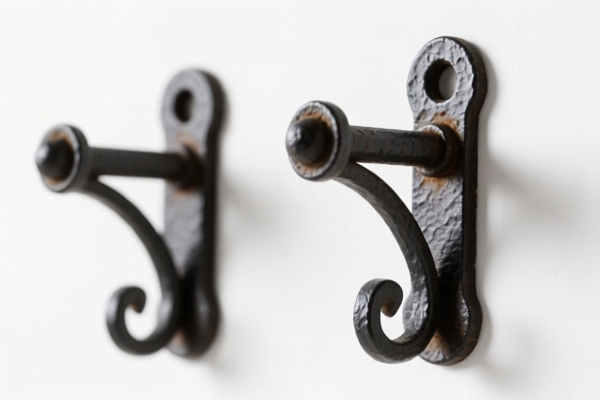
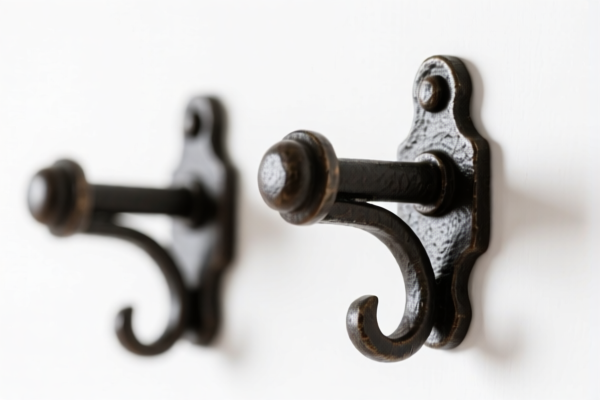
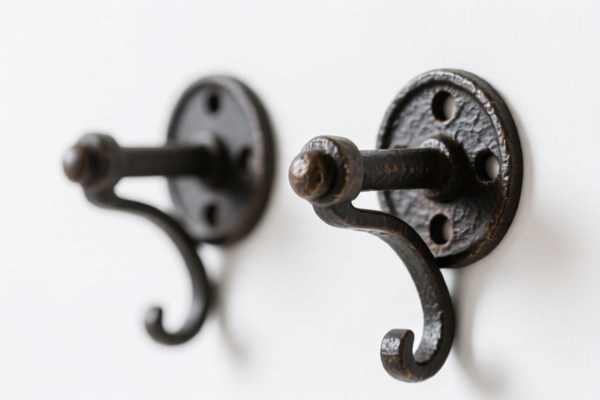
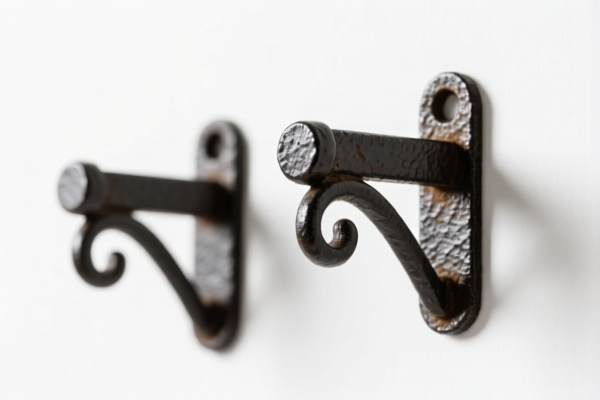
Curtain rod brackets are essential hardware fixtures used to support curtain rods, ensuring stability and aesthetics in residential and commercial window treatments. In international trade, they are classified based on material composition and functional specificity. The classification significantly impacts the total tax burden, especially under current US trade policies targeting Chinese-origin goods.
⚠️ Key Distinction Point:
- Iron/Steel Brackets: Heavy-duty, magnetic materials → Classified under Chapter 73
- Aluminum Brackets: Lightweight, non-magnetic materials → Classified under Chapter 76
- Base Metal (Misc. Alloys/Plated) Brackets: Often treated as general-purpose hardware → Classified under Chapter 83
📦 II. HS Code Classification Details (Authoritative Tariff对照)
Based on the provided data, here are the specific HS Codes for Curtain Rod Brackets:
| HS Code | Product Description | Material | Total Tax Rate | Key Tax Components |
|---|---|---|---|---|
7326.90.86.30 |
Metal brackets for curtain rod supports, classified as other articles of iron or steel | Iron/Steel | 87.9% | Base 2.9% + 25% (Section 301) + 10% (Section 122 Steel) + 50% (Section 232 Steel) |
7616.99.51.50 |
Aluminum brackets for curtain rod supports, classified as other articles of aluminum | Aluminum | 37.5% | Base 2.5% + 25% (Section 301) + 10% (Section 122 Aluminum) |
7326.90.86.88 |
Iron or steel brackets for curtain rod supports, classified as other articles of iron or steel | Iron/Steel | 87.9% | Base 2.9% + 25% (Section 301) + 10% (Section 122 Steel) + 50% (Section 232 Steel) |
8302.41.60.50 |
Base metal curtain brackets, specifically for curtains and light-filtering articles | Base Metal (Gen.) | 88.9% | Base 3.9% + 25% (Section 301) + 10% (Section 122) + 50% (Section 232) |
8302.41.90.50 |
Metal fittings for buildings, used for curtain rod brackets, classified as base metal fittings | Base Metal (Gen.) | 38.5% | Base 3.5% + 25% (Section 301) + 10% (Section 122) |
🔍 重点提醒 (Key Reminders):
- Iron/Steel Brackets (7326...) and Generic Base Metal Brackets (8302.41.60...) face the highest tax burden (~88-89%) due to the叠加 (stacking) of Section 301 (25%), Section 122 (10%), and Section 232 (50% for steel).
- Aluminum Brackets (7616...) and Building Fittings (8302.41.90...) have a lower tax burden (~37-39%) as they are not subject to the 50% Section 232 tariff.
- Section 122 Tariff: Applies to specific steel and aluminum products, adding 10% on top of other duties.
💰 III. 2024-2025 Latest Tariff Rate Breakdown (Including Surcharges)
✅ Applicable Country: United States (US)
✅ Origin: China (CN)
✅ Effective Time: Current (Post-2024 Trade Policies)
🎯 1. High-Tax Category: Iron/Steel & Specific Base Metal Brackets
HS Codes: 7326.90.86.30, 7326.90.86.88, 8302.41.60.50
| Item | Detail |
|---|---|
| Basic Duty Rate | 2.9% (Iron/Steel) or 3.9% (Base Metal) |
| Section 301 Surcharge | +25.0% (Targeting Chinese Goods) |
| Section 122 Surcharge | +10.0% (For Steel/Aluminum Products) |
| Section 232 Surcharge | +50.0% (For Steel Products ONLY; applies to 7326 and 8302.41.60) |
| Total Effective Tax Rate | 87.9% - 88.9% |
| Tax Calculation | CIF Value × Total Rate |
| De Minimis Exemption | ❌ Not Eligible (Deny De Minimis for Section 301/232 goods) |
| Legal Basis Path | Section 301 → Section 122 → Section 232 → USITC Code |
📌 Explanation:
- These brackets are heavily penalized due to multiple overlapping tariffs.
- Section 232 (50%) is the key driver for high costs in steel-based brackets.
- Section 301 (25%) applies broadly to Chinese goods.
- Section 122 (10%) adds another layer for specific metal products.
🎯 2. Low-Tax Category: Aluminum & General Building Fittings
HS Codes: 7616.99.51.50, 8302.41.90.50
| Item | Detail |
|---|---|
| Basic Duty Rate | 2.5% (Aluminum) or 3.5% (Base Metal) |
| Section 301 Surcharge | +25.0% |
| Section 122 Surcharge | +10.0% |
| Section 232 Surcharge | 0% (Not applicable to Aluminum 7616 or General Fittings 8302.41.90 in this context) |
| Total Effective Tax Rate | 37.5% - 38.5% |
| Tax Calculation | CIF Value × Total Rate |
| De Minimis Exemption | ❌ Not Eligible |
| Legal Basis Path | Section 301 → Section 122 → USITC Code |
📌 Note:
- Aluminum brackets (7616) avoid the 50% Section 232 tariff, resulting in a ~50% cost savings compared to steel brackets.
- General building fittings (8302.41.90) also avoid Section 232, offering a similar low-tax advantage.
🛠️ IV. Customs Clearance Practical Advice (Pitfall Avoidance Guide)
✅ 1. Documentation Checklist (All Required)
| Document | Mandatory | Description |
|---|---|---|
| ✅ Product Specification Sheet | ✔️ | Must clearly state material (Iron, Steel, Aluminum) |
| ✅ Material Certificate | ✔️ | Proof of material composition to determine correct HS Code |
| ✅ Product Photos (Including Label) | ✔️ | Clear view of brand, model, and material tags |
| ✅ Commercial Invoice | ✔️ | Must specify "Curtain Rod Bracket" and material type |
| ✅ Packing List | ✔️ | Itemized list of brackets, screws, and accessories |
| ✅ Country of Origin Certificate | ✔️ | Crucial for applying correct tariff rates |
✅ 2. Declaration Tips (Key Mantra)
🔥 "Material Matters, HS Code Follows, Tax Savings Are Real!"
| Scenario | Correct Declaration | Wrong Approach |
|---|---|---|
| Aluminum Brackets | 7616.99.51.50 |
Misdeclare as steel → 88% tax |
| Steel Brackets | 7326.90.86.30 or 86.88 |
Misdeclare as aluminum → 37% tax (Risk of penalty) |
| Mixed Materials | Declare by dominant material | Ambiguous description → Audit & Delay |
| Accessories Included | Declare as "Set" or itemize | Hide screws in bracket value → Undervaluation |
✅ 3. Special Cases Handling
| Scenario | Handling Advice |
|---|---|
| OEM Custom Brackets | Provide design drawings to confirm material classification |
| Plated Coatings | Ensure coating doesn’t change material classification (e.g., zinc-plated steel is still steel) |
| Small Quantities | No De Minimis Exemption applies for Section 301/232 goods; full tax applies even for samples |
🌍 V. Global Market Comparison (2024-2025)
| Country/Region | Recommended HS Code | Est. Tax Rate | Certification | Notes |
|---|---|---|---|---|
| 🇺🇸 USA | See Table II above | 37.5% - 88.9% | No specific certs | High tariffs on Chinese steel/steel-like goods |
| 🇨🇳 China | 7326 or 8302 |
5% - 10% | N/A | No additional surcharges |
| 🇪🇺 EU | 7326 or 8302 |
3.7% - 5% | CE (if applicable) | No Section 301/232 equivalents |
| 🇬🇧 UK | 7326 or 8302 |
3.7% - 5% | UKCA | Post-Brexit tariffs stable |
📌 Conclusion:
- The US is the most challenging market for curtain rod brackets from China due to Section 301, 122, and 232 tariffs.
- Aluminum brackets (7616) offer a significant cost advantage (~37.5% vs ~88%).
- Consider shifting material choice to aluminum or sourcing from non-China regions (e.g., Vietnam, India) to mitigate tariffs.
📌 VI. Common Errors & Pitfalls (Lessons Learned)
❌ Error 1: Misdeclaring aluminum brackets as steel to "save" on basic duty
👉 Consequence: Customs audit finds discrepancy → Penalties + Back Taxes + Delays
❌ Error 2: Ignoring Section 122 tariff for specific steel/aluminum products
👉 Consequence: Underpayment of 10% → Back Taxes + Interest
❌ Error 3: Assuming "small packages" qualify for De Minimis
👉 Consequence: Goods seized or taxed fully for Section 301/232 items
✅ Correct Approach:
"Curtain Rod Bracket, Aluminum, Matte Black Finish, Model XYZ, Origin: China"
🎯 VII. Conclusion: Precision Saves Money!
🎯 Remember the Mantra:
🔹 "Material Dictates Tax, Aluminum Wins in the US!"
🔹 "Steel Brackets = 88% Tax, Aluminum = 38% Tax. Choose Wisely!"
📌 Pro Tip:
- If your brackets are steel, consider re-engineering to aluminum to save ~50% in duties.
- For steel brackets, ensure accurate material certification to avoid audits.
- Pre-ruling (Advance Ruling) is recommended for high-value shipments to confirm HS Code.
📣 Take Action Now:
📞 Consult a Customs Broker + Provide Material Specs + Apply for Pre-Ruling
🚀 Clear Customs Smoothly, Maximize Profit, Minimize Risk!
✨ Professional Clearance Starts with Accurate Classification!
💼 Every Percent Counts in International Trade!
Customer Reviews
About HS Code Classification
The Harmonized System (HS) is an internationally standardized nomenclature developed by the World Customs Organization (WCO) to classify traded products. Over 200 countries use the HS system as the basis for customs tariffs, trade statistics, and import/export regulations.
Each HS code follows a hierarchical structure:
- Chapter (2 digits) — Broad category of goods (e.g., Chapter 84: Machinery and Mechanical Appliances)
- Heading (4 digits) — More specific grouping within the chapter
- Subheading (6 digits) — Internationally standardized breakdown, used by all WCO member countries
- National subdivisions (8-10 digits) — Country-specific extensions for further classification, such as US HTSUS 10-digit codes
Correct HS code classification is essential for smooth customs clearance, accurate duty payment, and compliance with trade regulations. Misclassification can lead to customs delays, overpayment of duties, or penalties.
When importing from CN to US, the applicable tariff rates may include:
- Most-Favored-Nation (MFN) rate — The standard duty rate applied to WTO members
- General rate — Applied to countries without trade agreements
- Trade remedy duties — Additional tariffs such as Section 301 (anti-dumping), Section 232 (national security), or countervailing duties
The information provided on this page is for reference purposes only. For official classification, please consult with your local customs authority or a licensed customs broker.