Cushion
CN → US| HS Code | Tariff Rate | Origin | Destination | Doc |
|---|---|---|---|---|
| 9401804006 | 35.0% | CN | US | Official Doc |
| 9401993580 | 35.0% | CN | US | Official Doc |
| 9404902090 | 23.5% | CN | US | Official Doc |
| 9404901090 | 22.8% | CN | US | Official Doc |
| 3926902100 | 21.7% | CN | US | Official Doc |
Product Images
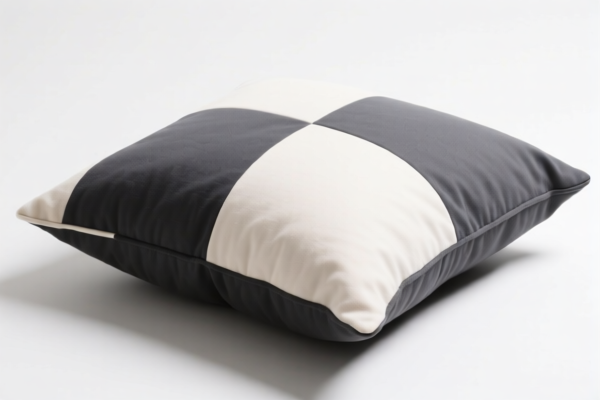
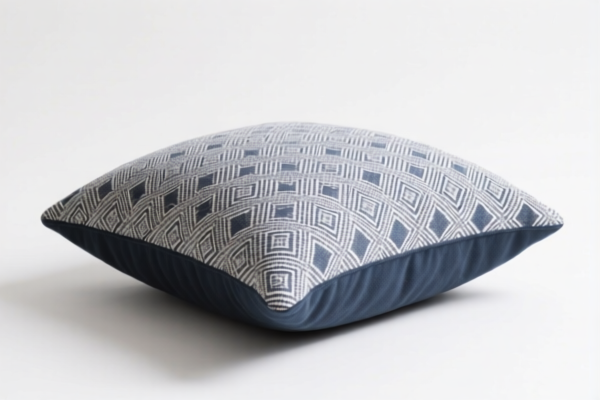
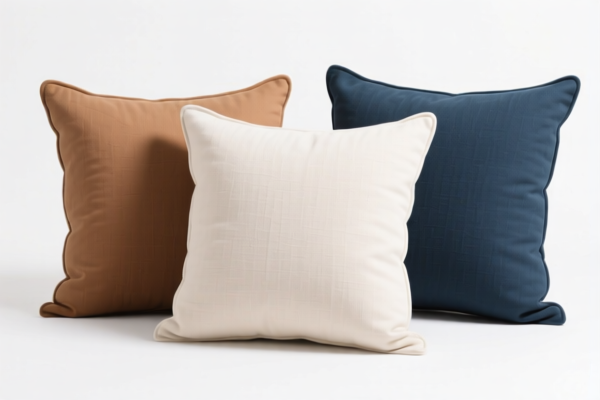
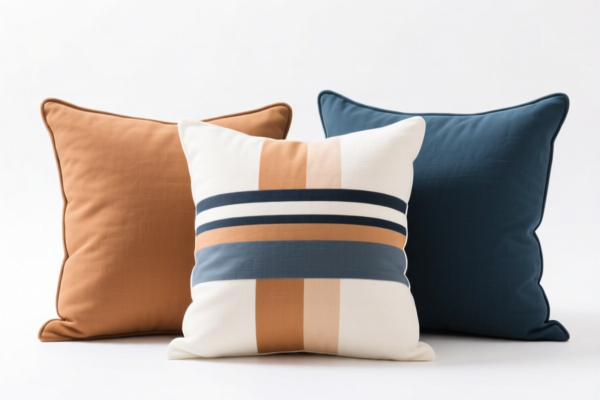
AI Analysis
🛋️ Cushion: The Ultimate HS Code & Tariff Guide for Global Trade | 2026 Edition
🌐 Professional Customs Clearance Strategy | Complete Tax Breakdown | Smart Classification
📌 I. Product Definition & Classification: What Exactly is a "Cushion"?
A Cushion is a versatile soft furnishing item used for seating, resting, decoration, or support. In international trade, the classification depends heavily on function (part of furniture vs. standalone article), material (textile, foam, plastic, rubber), and construction.
In the context of the provided data, cushions are split into three distinct scenarios: 1. Furniture Parts: Integrated components of chairs, sofas, or stools (Textile/Seat materials). 2. Standalone Soft Goods: Pillows, backrests, and inserts made of fabric, foam, or stuffing. 3. Specialty/Industrial Items: Plastic or rubber-based cushions used for medical, industrial, or specific utility purposes.
⚠️ Critical Distinction:
- If the cushion is sewn directly or designed specifically as a seat pad for a chair/sofa → It falls under Furniture Parts (9401).
- If the cushion is sold separately as a pillow, backrest, or standalone soft item → It falls under Bedding/Soft Furnishings (9404).
- If the cushion is made of rigid plastic/rubber or used for medical/industrial shielding → It falls under Plastics (3926).
📦 II. Detailed HS Code Classification Breakdown (2026 Data)
Based on the specific summary provided in your data, here are the four applicable classifications:
| HS Code | Product Description | Key Classification Criteria | Material/Usage Focus |
|---|---|---|---|
| 9401.80.40.06 | Furniture Seat Pad | Part of a seat/sitting furniture; textile cover/seat material. | Textile, Upholstery, Chair/Sofa Component |
| 9401.99.35.80 | Furniture Accessory | Supporting accessory for seating; contains rubber/plastic elements. | Mixed Material (Rubber/Plastic), Accessory |
| 9404.90.20.90 | Standalone Cushion/Pillow | Pillow, cushion, or similar article; no material conflict. | Filled with Foam/Sponge, General Textile |
| 9404.90.10.90 | Cotton/General Filling | Matching "Pillows, cushions"; default cotton or similar filling. | Cotton, Synthetic Filling, Standard Soft Goods |
| 3926.90.21.00 | Plastic Cushion | Plastic product; extended use to medical/care pads. | 100% Plastic/Rubber, Medical/Industrial |
🔍 Key Reminder:
- Function Rules: A cushion for a specific chair is 9401, not 9404.
- Material Rules: A cushion made of plastic (e.g., medical positioning pad) is 3926, not 9404.
- Packaging: If a cushion is sold with a chair, it follows the chair's classification (9401).
💰 III. 2026 Latest Tariff Rate Deep Dive (US Market)
✅ Applicable Country: United States (US)
✅ Origin: China (CN)
✅ Effective Date: Post-November 2025 (Based on provided data context)
🎯 Scenario A: Furniture Parts (High Duty)
Applicable Codes: 9401.80.40.06 & 9401.99.35.80
These items are treated as furniture parts and attract the highest "Section XXII" penalties.
| Item | Content |
|---|---|
| Base Duty (MFN) | 0.0% |
| Section 301 Penalty (Add-on) | +25.0% (China-specific trade war tariff) |
| Section 122 Tariff (Section 104/122) | +10.0% (Special additional duty) |
| Total Duty Rate | 35.0% |
| Tax Calculation | CIF Value × 35% |
| De Minimis Exemption? | ❌ No (Cannot use Section 321 de minimis for high-value furniture parts) |
📌 Interpretation:
- The 25% is the standard "Section 301" tariff for China-origin furniture parts.
- The 10% is the additional "122 Clause" tariff (often related to specific trade enforcement actions).
- Total: 35%. This is a critical cost driver for manufacturers shipping seat pads separately.
🎯 Scenario B: Soft Goods & Pillows (Moderate Duty)
Applicable Codes: 9404.90.20.90 & 9404.90.10.90
These are standalone textile/filled items, attracting lower base rates but still subject to penalties.
1. For 9404.90.20.90 (Foam/Sponge Filled)
| Item | Content |
|---|---|
| Base Duty | 6.0% |
| Section 301 Penalty | +7.5% |
| Section 122 Tariff | +10.0% |
| Total Duty Rate | 23.5% |
| Tax Calculation | CIF Value × 23.5% |
2. For 9404.90.10.90 (Cotton/General)
| Item | Content |
|---|---|
| Base Duty | 5.3% |
| Section 301 Penalty | +7.5% |
| Section 122 Tariff | +10.0% |
| Total Duty Rate | 22.8% |
| Tax Calculation | CIF Value × 22.8% |
📌 Interpretation:
- Base rates vary (5.3% vs 6.0%) based on the specific filling material (Cotton vs. Foam).
- Crucial Note: Even for standalone cushions, the 7.5% Section 301 and 10% Section 122 penalties apply, totaling 22.8%–23.5%.
🎯 Scenario C: Plastic/Medical Cushions (Low Base, High Penalty)
Applicable Code: 3926.90.21.00
Used for plastic inserts or medical care pads.
| Item | Content |
|---|---|
| Base Duty | 4.2% |
| Section 301 Penalty | +7.5% |
| Section 122 Tariff | +10.0% |
| Total Duty Rate | 21.7% |
| Tax Calculation | CIF Value × 21.7% |
📌 Interpretation:
- Plastic goods often have lower base duties (4.2%) but are not exempt from the Section 301/122 penalties.
- Total: 21.7%. This is the lowest of the group but still significant for bulk imports.
🛠️ IV. Customs Clearance Actionable Advice (Avoiding Pitfalls)
✅ 1. Documentation Checklist (Essential)
| Document | Requirement | Why? |
|---|---|---|
| Commercial Invoice | Must specify "Cushion", "Pillow", or "Seat Pad" clearly. | Prevents "Unknown" classification delays. |
| Material Declaration | Explicitly state % of Cotton, Foam, Plastic, or Textile. | Determines if 9404 (Textile) or 3926 (Plastic). |
| Usage Intent | Proof of whether it is a "part of a chair" or "standalone". | 9401 vs. 9404 is the most common audit target. |
| Construction Diagram | Show if the cushion is sewn to a seat or separate. | Critical for 9401.80.40.06 verification. |
| Origin Certificate | Verify Country of Origin (CN) to confirm penalty applicability. | Essential for calculating the 35% vs. 23% tax. |
✅ 2. Strategic Classification Tips (The "Golden Rules")
🔥 Rule #1: Function First
"If it goes WITH a chair, it's a chair part (9401 - 35%). If it's sold separately as a pillow, it's bedding (9404 - 23%)."
Strategy: If possible, design cushions as "detachable accessories" and ship them as standalone pillows to avoid the 35% furniture tariff.🔥 Rule #2: Material Matters
"If it's plastic, it's 3926 (21.7%). If it's textile, it's 9404 (23%)."
Strategy: Avoid "hybrid" descriptions. Be precise: "100% Polyurethane Foam" vs. "Cotton-filled".🔥 Rule #3: Don't Hide the "Part" Status
If you ship a cushion inside a box with a chair, declare it as part of the chair. Do not split the invoice if they are functionally one unit. Splitting can lead to "Unjustified Value" audits.
✅ 3. Special Case Handling
| Scenario | Recommendation | Risk if Ignored |
|---|---|---|
| OEM Custom Chair Cushion | Classify under 9401.80.40.06. |
Risk of misclassification to 9404 → Underpayment penalty. |
| Medical Positioning Pad | Classify under 3926.90.21.00. |
If misclassified as textile, may trigger additional textile quotas. |
| Cushion with Rubber Backing | Classify under 9401.99.35.80. |
Rubber content pushes it to "Furniture Accessory" tax bracket. |
| De Minimis (Section 321) | ❌ Do Not Rely on De Minimis for >$800 shipments. | These items are not exempt from the 35% penalty. |
🌍 V. Market Comparison & Strategic Insight
| Market | Primary HS Code | Est. Total Tax (China Origin) | Key Constraint |
|---|---|---|---|
| 🇺🇸 USA | 9401 / 9404 / 3926 |
21.7% – 35.0% | Section 301 & 122 apply aggressively. |
| 🇨🇳 China (Export) | N/A | 0% (Export duty) | Focus on destination tax. |
| 🇪🇺 EU | Varies | ~6-12% | Usually lower base, but different "122" penalties apply. |
| 🇦🇺 Australia | Varies | ~5-10% | Generally lower Section 301 exposure. |
📌 Conclusion:
The US is the most expensive market for cushions. The 35% tariff for furniture parts is a major barrier.
Strategy: For the US market, consider manufacturing cushions in Vietnam or Mexico to avoid the "China Origin" penalty (301/122), potentially reducing costs by 10-15%.
📌 VI. Common Mistakes & How to Avoid Them
❌ Mistake 1: Shipping "Chair Cushions" as "Pillows" (9404).
👉 Consequence: Customs will re-classify to 9401 and charge 35% retroactively + fines.
✅ Fix: Always declare as "Seat Pad" if it fits a specific chair model.
❌ Mistake 2: Ignoring the "Section 122" Tariff.
👉 Consequence: Calculating only 25% tax and facing a surprise 10% gap.
✅ Fix: Always add +10% to your cost model for China-origin goods.
❌ Mistake 3: Using vague descriptions like "Soft Filler".
👉 Consequence: Customs requests "Entry Summary" correction, causing 2-week delays.
✅ Fix: Use precise terms: "Polyester Fiber Filled Cushion" or "PU Foam Seat Pad".
🎯 VII. Final Strategy: Win with Precision!
🎯 Remember the Rules:
🔹 "Chair Part = 35% (9401)"
🔹 "Standalone Pillow = 23% (9404)"
🔹 "Plastic Pad = 22% (3926)"
🔹 "China Origin = Always 35% (Furniture) or 23% (Soft Goods)"
📌 Pro Tip:
If you are importing large volumes of cushions for the US, consider "Value Engineering":
- Can you separate the cushion from the chair in the supply chain?
- Can you source materials from non-China countries to bypass the 25% Section 301 tariff?
📣 Call to Action:
📞 Contact your customs broker NOW to verify if your cushion is a "Part" or "Goods".
🚀 Verify your HS Code against the latest 2026 tariffs to avoid surprise costs!
✨ Accurate Classification = Lower Costs + Faster Clearance!
💼 Every dollar saved on tariff is a dollar in profit!
Customer Reviews
About HS Code Classification
The Harmonized System (HS) is an internationally standardized nomenclature developed by the World Customs Organization (WCO) to classify traded products. Over 200 countries use the HS system as the basis for customs tariffs, trade statistics, and import/export regulations.
Each HS code follows a hierarchical structure:
- Chapter (2 digits) — Broad category of goods (e.g., Chapter 84: Machinery and Mechanical Appliances)
- Heading (4 digits) — More specific grouping within the chapter
- Subheading (6 digits) — Internationally standardized breakdown, used by all WCO member countries
- National subdivisions (8-10 digits) — Country-specific extensions for further classification, such as US HTSUS 10-digit codes
Correct HS code classification is essential for smooth customs clearance, accurate duty payment, and compliance with trade regulations. Misclassification can lead to customs delays, overpayment of duties, or penalties.
When importing from CN to US, the applicable tariff rates may include:
- Most-Favored-Nation (MFN) rate — The standard duty rate applied to WTO members
- General rate — Applied to countries without trade agreements
- Trade remedy duties — Additional tariffs such as Section 301 (anti-dumping), Section 232 (national security), or countervailing duties
The information provided on this page is for reference purposes only. For official classification, please consult with your local customs authority or a licensed customs broker.