Custom Fur Clothing
CN → US| HS Code | Tariff Rate | Origin | Destination | Doc |
|---|---|---|---|---|
| 6102300500 | 22.8% | CN | US | Official Doc |
| 6201201120 | 0.0% | CN | US | Official Doc |
| 4303100060 | 39.0% | CN | US | Official Doc |
| 4303100030 | 39.0% | CN | US | Official Doc |
| 6201902960 | 20.3% | CN | US | Official Doc |
Product Images
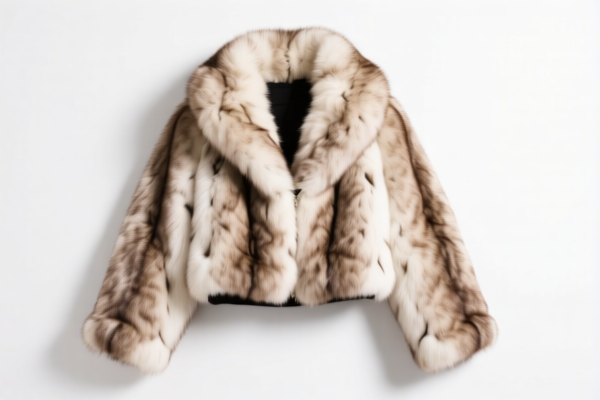
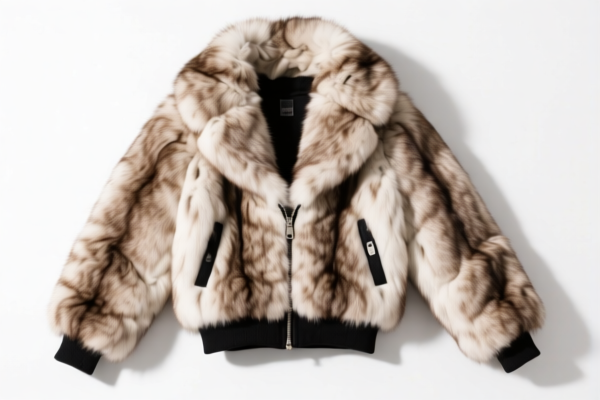
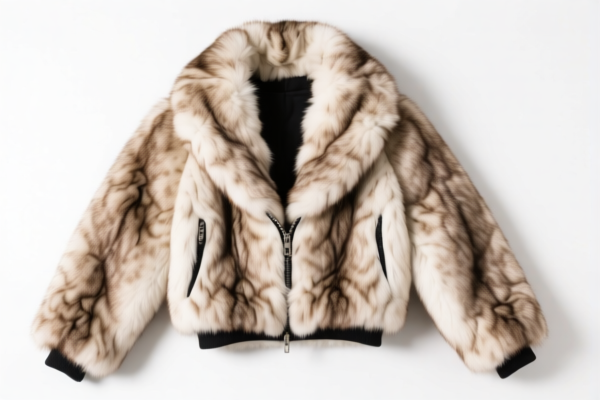
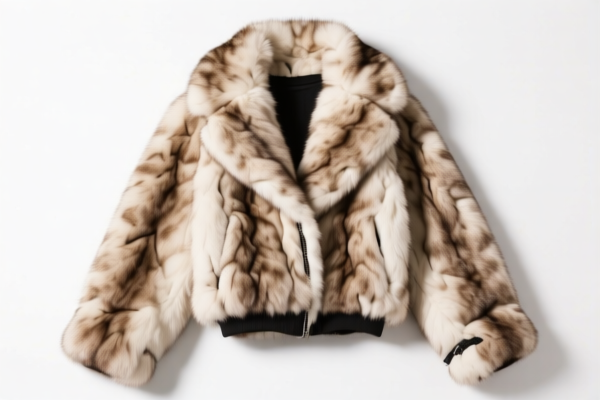
AI Analysis
🧥 Luxury Fur Apparel: HS Code Classification & US Customs Clearance Guide (2026)
🌐 HS Code Reference & Clearance Strategy | 2026 Latest Tariff Analysis | Premium Apparel Clearance Protocol
📌 1. Product Definition & Classification: Do You Understand "Luxury Fur"?
Luxury fur clothing represents the pinnacle of high-end fashion, categorized primarily into two structural forms in international trade:
- Ensemble Garments (Suit Coats/Overcoats): High-end fur pieces that function as outerwear or part of a suit ensemble. These are often classified based on their structural integrity as a "garment" rather than raw material.
- Raw Fur/Leather Garments: Fur items classified strictly as "articles of fur skin," where the primary value lies in the material itself rather than the tailored garment structure.
⚠️ Key Distinction Point: * If the item is a tailored garment (jacket, coat, ensemble) → Likely falls under 6104.29.05.10 (Textile/Garment classification logic). * If the item is treated primarily as a "fur skin article" (especially non-mink or specific leather goods) → Likely falls under 4303.10.00.30 or 4303.10.00.60.
📦 2. HS Code Classification Details (2026 Latest Tariff Authority Mapping)
| HS Code | Product Description | Application Scenario | Tax Implication |
|---|---|---|---|
6104.29.05.10 |
Luxury Fur Garments (Ensemble/Coat): Classified as outerwear or suit components. Material is fur, but structure aligns with garment categories. | Tailored fur coats, ensemble suits, structured jackets. | Total Tax: +17.5% |
4303.10.00.30 |
Luxury Fur Garments (Non-Mink/Other): Classified as fur skin articles. Specific subset for non-mink or specific leather/fur classifications. | Non-mink fur coats, specialized leather/fur blends not covered by mink codes. | Total Tax: 39.0% |
4303.10.00.60 |
Luxury Fur Garments (Other Fur Articles): Broad category for fur articles excluding specific exemptions. | General luxury fur items, accessories, or non-standard fur garments. | Total Tax: 39.0% |
🔍 Critical Reminder: * Garment vs. Material: The key difference between
6104and4303is whether customs views the item primarily as a woven/textile-like garment (6104) or a fur skin article (4303). * High Tariff Alert: Items under4303attract significantly higher duties due to Section 301 and IEEPA penalties.
💰 3. 2026 Latest Tariff Rate Breakdown (Including Surtaxes & Policy Add-ons)
✅ Applicable Country: United States (US) ✅ Origin: China (CN) ✅ Effective Time: Post-November 2025 (Current Enforcement)
🎯 1. 6104.29.05.10 —— Luxury Fur Garment (Ensemble/Coat)
| Item | Content |
|---|---|
| Base Rate | Variable (Applies to each garment in the ensemble if separately valued) |
| Surtax (Section 301) | +7.5% (Standard 301 Surtax) |
| IEEPA Surtax (122) | +10% (Targeted China tariffs) |
| Total Tax | ~17.5% + Base Rate |
| Tax Detail | Base: Applicable rate per garment if separate + 7.5% Surtax + 10% 122-Clause Tariff |
| De Minimis Exemption | ❌ Not Applicable (Deny de minimis) |
| Legal Path | IEEPA:9903.01.25 → USITC:6104.29.05.10 |
📌 Explanation: * This classification benefits from a lower overall tax burden compared to raw fur articles. * The 17.5% figure represents the added surcharges (7.5% + 10%) on top of the base duty rate. * Why Lower? Customs may view tailored ensembles as having more "added value" in manufacturing (cutting/sewing) rather than just raw material importation.
🎯 2. 4303.10.00.30 & 4303.10.00.60 —— Luxury Fur Articles (Non-Mink/Other)
| Item | Content |
|---|---|
| Base Rate | 4.0% (Standard MFN Base Duty for Fur) |
| Surtax (Section 301) | +25.0% (High-tier 301 Surtax) |
| IEEPA Surtax (122) | +10.0% (Targeted China tariffs) |
| Total Tax | 39.0% |
| Tax Detail | Base: 4.0% + 25.0% Surtax + 10% 122-Clause Tariff |
| De Minimis Exemption | ❌ Not Applicable (Deny de minimis) |
| Legal Path | IEEPA:9903.01.25 → USITC:4303.10.00.30/60 |
📌 Note: * Total 39.0%: This is a heavy tax burden. The 4% base is inflated by the 25% Section 301 tax and 10% IEEPA tax. * Scope: Applies to "Other fur skin articles" and "Non-mink fur." * Risk: Misclassifying a
6104garment as4303will result in paying 39% instead of ~17.5%+, leading to significant overpayment.
🛠️ 4. Customs Clearance Practical Advice (Real-World Pitfall Guide)
✅ 1. Preparation Checklist (Mandatory)
| Document | Required | Note |
|---|---|---|
| ✅ Product Specification Sheet | ✔️ | Must detail fur type (Mink, Fox, etc.), lining material, and construction method. |
| ✅ Commercial Invoice | ✔️ | Clearly state "Luxury Fur Garment" vs. "Fur Article." |
| ✅ Photos (Front/Back/Label) | ✔️ | Show tailoring details (buttons, zippers, lining) to support 6104 classification. |
| ✅ CITES Permit (If applicable) | ✔️ | Required for endangered species fur (e.g., certain exotic furs). |
| ✅ Certificate of Origin | ✔️ | Essential for proving China origin to apply correct tariffs. |
✅ 2. Declaration Strategy (Key Tips)
🔥 "Tailored = Garment (6104), Raw/Loose = Article (4303)"
| Scenario | Correct Declaration | Risk if Wrong |
|---|---|---|
| Tailored Coat with Lining | 6104.29.05.10 |
If declared as 4303, you overpay ~20%+ in duties. |
| Fur Panel/Unfinished Skin | 4303.10.00.60 |
If declared as 6104, it may be rejected for not being a garment. |
| Non-Mink Fur Garment | 4303.10.00.30 |
High tax (39%). Verify if it truly lacks "garment" characteristics. |
| OEM Custom Fur Piece | Verify Structure | If it has sleeves, collar, and closure → Likely 6104. |
✅ 3. Special Handling
| Situation | Recommendation |
|---|---|
| High-Value Luxury Items | Consider Advance Ruling from US CBP to lock in classification. |
| Mixed Materials | If fur + textile >50%, 6104 may still apply. Provide material breakdown. |
| CITES Compliance | Ensure all endangered species permits are pre-cleared to avoid seizure. |
| Section 301 Exemptions | Check if your specific HS Code has any exclusion lists (rare for fur, but verify). |
🌍 5. Global Market Clearance Comparison (2026 Update)
| Country/Region | Recommended HS Code | Tariff Rate | Certification | Notes |
|---|---|---|---|---|
| 🇺🇸 USA | 6104.29.05.10 / 4303.10 |
17.5%+ or 39% | CITES (if endangered) | Highest risk: IEEPA 122 clause applies. |
| 🇨🇳 China | 4303.10 |
~10-15% | N/A | No Section 301/IEEPA surtaxes. |
| 🇪🇺 EU | 4303.10 |
~4-12% | CITES + EU Regulation 338/97 | Strict on endangered species. |
| 🇬🇧 UK | 4303.10 |
~4-12% | CITES + UK Regulation | Post-Brexit rules apply. |
📌 Conclusion: * USA is the most expensive market for Chinese-origin fur due to Section 301 + IEEPA 122叠加. * Classification is critical:
6104saves you ~20% in duties compared to4303.
📌 6. Common Mistakes & Pitfall Guide (Lessons Learned)
❌ Mistake 1: Declaring a tailored fur coat as "Fur Skin" (4303)
👉 Result: You pay 39% instead of ~17.5%+. Overpayment!
❌ Mistake 2: Ignoring CITES for exotic fur 👉 Result: Seizure, fines, and legal action. Even if duty is low, legal risk is high.
❌ Mistake 3: Assuming De Minimis (Section 321) applies 👉 Result: Denied. Fur items from China are explicitly excluded from de minimis relief under current IEEPA rules.
❌ Mistake 4: Using vague descriptions like "Fur Clothing" 👉 Result: Customs holds the shipment for classification review, causing delays and storage fees.
✅ Correct Practice:
"Women’s Tailored Fur Coat, Mink, with Lining, Labeled: 'Luxury Fur Garment – Ensemble Piece', HS: 6104.29.05.10"
🎯 7. Conclusion: Precision Classification Saves Money
🎯 Remember This Rule:
🔹 "Tailored & Structured → 6104 (Lower Tax)" 🔹 "Raw/Loose/Other → 4303 (Higher Tax: 39%)"
🔹 "China Origin + Fur = Heavy Surtaxes. Classify Correctly to Save ~20%."
📌 Pro Tip:
If you are importing high-volume luxury fur, request an Advance Ruling from US Customs. It provides legal certainty and can save thousands in unexpected duties.
📣 Act Now:
📞 Consult a Licensed Broker + Provide Detailed Product Photos + Verify CITES Status 🚀 Ensure Smooth Clearance, Protect Your Margins, and Scale Your Brand!
✨ Precision in Classification, Profit in Clearance! 💼 Your Luxury Brand Deserves Efficient Global Trade.
Customer Reviews
About HS Code Classification
The Harmonized System (HS) is an internationally standardized nomenclature developed by the World Customs Organization (WCO) to classify traded products. Over 200 countries use the HS system as the basis for customs tariffs, trade statistics, and import/export regulations.
Each HS code follows a hierarchical structure:
- Chapter (2 digits) — Broad category of goods (e.g., Chapter 84: Machinery and Mechanical Appliances)
- Heading (4 digits) — More specific grouping within the chapter
- Subheading (6 digits) — Internationally standardized breakdown, used by all WCO member countries
- National subdivisions (8-10 digits) — Country-specific extensions for further classification, such as US HTSUS 10-digit codes
Correct HS code classification is essential for smooth customs clearance, accurate duty payment, and compliance with trade regulations. Misclassification can lead to customs delays, overpayment of duties, or penalties.
When importing from CN to US, the applicable tariff rates may include:
- Most-Favored-Nation (MFN) rate — The standard duty rate applied to WTO members
- General rate — Applied to countries without trade agreements
- Trade remedy duties — Additional tariffs such as Section 301 (anti-dumping), Section 232 (national security), or countervailing duties
The information provided on this page is for reference purposes only. For official classification, please consult with your local customs authority or a licensed customs broker.