Custom Size Artificial Fiber Carpet
CN → US| HS Code | Tariff Rate | Origin | Destination | Doc |
|---|---|---|---|---|
| 5703392090 | 41.0% | CN | US | Official Doc |
| 5703310030 | 41.0% | CN | US | Official Doc |
| 5702109030 | 35.0% | CN | US | Official Doc |
| 5702322000 | 42.0% | CN | US | Official Doc |
| 5705002030 | 38.3% | CN | US | Official Doc |
| 5705002090 | 38.3% | CN | US | Official Doc |
Product Images
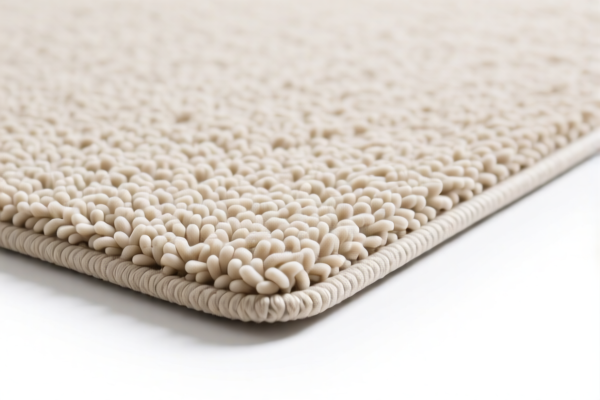
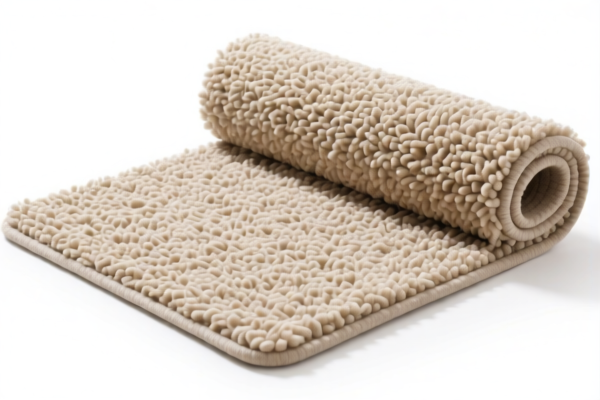
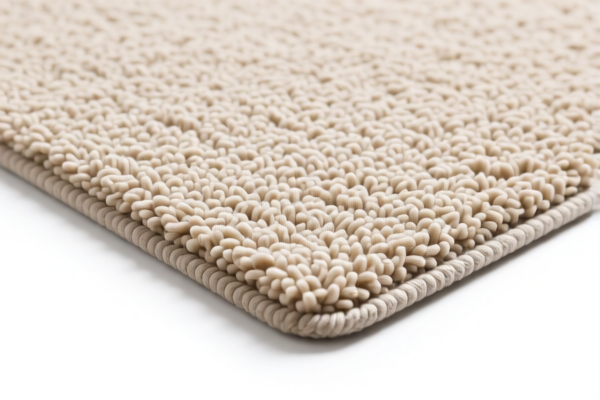
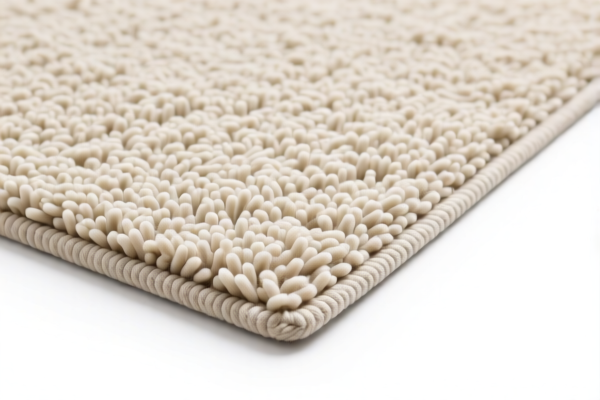
AI Analysis
🏠 Custom Size Artificial Fiber Carpet
🌐 HS Code Reference & Customs Clearance Guide | 2026 Latest Tariff Analysis | Professional Strategy for Synthetic Floor Coverings
📌 I. Product Definition & Classification: Do You Know Your Carpet?
Artificial Fiber Carpets (also known as synthetic carpets) are floor coverings made primarily from man-made fibers such as nylon, polyester, polypropylene, or acrylic. Unlike wool or cotton carpets (natural fibers), these are engineered for durability, stain resistance, and cost-effectiveness.
In international trade, the classification depends on two critical factors: 1. Manufacturing Method: Is it Tufted (needled), Woven (loomed), or Other? 2. Material Composition: Is it purely synthetic or mixed with textiles?
⚠️ Key Distinction:
- Tufted Carpets (簇绒地毯): Fibers are inserted into a backing fabric. Most common for residential/commercial use.
- Woven Carpets (编织地毯): Threads are interlaced on a loom. Higher density, often flat-weave or pile.
- Other Carpets (其他地毯): Includes needle-punched, glued, or non-woven synthetic floor coverings.
📦 II. HS Code Classification Details (2026 Latest Tariff Authority)
Based on the provided data, here is the precise mapping for Custom Size Artificial Fiber Carpets:
| HS Code | Product Description | Application/Type | Key Characteristic |
|---|---|---|---|
5703.39.20.90 |
Artificial Fiber Carpet | Tufted (General) | Matches synthetic material & carpet use; general tufted category. |
5703.31.00.30 |
Artificial Fiber Carpet | Tufted (Specific) | Matches synthetic material & tufted carpet use; specific sub-category for tufted. |
5702.10.90.30 |
Artificial Fiber Carpet | Woven | Matches synthetic material & woven carpet use; generally lower base duty. |
5702.32.20.00 |
Artificial Fiber Carpet | Woven (Heavy) | Matches synthetic material & carpet use; heavier/more complex woven structure. |
5705.00.20.30 |
Artificial Fiber Carpet | Other (Pure Synthetic) | Matches pure artificial fiber material & carpet use; non-tufted/non-woven. |
5705.00.20.90 |
Artificial Fiber Carpet | Other (Mixed Textile) | Matches textile material & carpet use; may include mixed blends not covered above. |
🔍 Critical Note:
- Tufted (5703) vs. Woven (5702): The manufacturing process is the primary differentiator. Tufted carpets are generally faster to produce and more common. Woven carpets are often more durable and expensive.
- "Custom Size" Impact: Customs classification is based on material and construction, not size. A "custom size" carpet does not change its HS code; it must still be classified by how it is made (tufted, woven, etc.).
💰 III. 2026 Latest Tariff Rate Breakdown (Including Additional Taxes & Policy Surcharges)
✅ Applicable Country: United States (US)
✅ Country of Origin: China (CN)
✅ Effective Date: 2025/2026 (Includes all imports under current trade policies)
🎯 1. 5703.39.20.90 & 5703.31.00.30 — Tufted Synthetic Carpets
These two codes share identical tax structures, covering the most common types of synthetic tufted carpets.
| Item | Content |
|---|---|
| Base Tariff | 6.0% (ad valorem) |
| Section 301 Surcharge | +25.0% (Additional Tariff) |
| Section 122 Surcharge | +10.0% (Specific Trade Remedy) |
| Total Tax Rate | 41.0% |
| Tax Calculation | CIF Value × 41% |
| De Minimis Exemption | ❌ Not Eligible (High tariff prevents $800 de minimis clearance) |
| Legal Path | USITC:5703.39.20.90 → FOOTNOTE:301 → FOOTNOTE:122 |
📌 Explanation:
- Base 6%: Standard MFN (Most Favored Nation) rate for synthetic tufted carpets.
- 301 Tariff 25%: Imposed under Section 301 of the Trade Act against Chinese goods.
- Section 122 Tariff 10%: A specific surcharge often applied to certain textile/flooring categories under trade remedies.
- Total 41%: This is a high-cost import. Profit margins will be significantly impacted.
🎯 2. 5702.10.90.30 — Woven Synthetic Carpets
Woven carpets benefit from a lower base rate, but still face significant surcharges.
| Item | Content |
|---|---|
| Base Tariff | 0.0% |
| Section 301 Surcharge | +25.0% |
| Section 122 Surcharge | +10.0% |
| Total Tax Rate | 35.0% |
| Tax Calculation | CIF Value × 35% |
| De Minimis Exemption | ❌ Not Eligible |
| Legal Path | USITC:5702.10.90.30 → FOOTNOTE:301 → FOOTNOTE:122 |
📌 Advantage:
- Compared to tufted carpets (5703), woven carpets (5702.10) have a 0% base duty, saving 6% on the base rate.
- Total Savings: 6% less than5703codes. However, woven carpets are often more expensive to manufacture, so verify if the production cost difference exceeds the 6% tariff saving.
🎯 3. 5702.32.20.00 — Heavy/Complex Woven Carpets
Similar to general woven carpets but for heavier or more complex structures.
| Item | Content |
|---|---|
| Base Tariff | 7.0% |
| Section 301 Surcharge | +25.0% |
| Section 122 Surcharge | +10.0% |
| Total Tax Rate | 42.0% |
| Tax Calculation | CIF Value × 42% |
| De Minimis Exemption | ❌ Not Eligible |
| Legal Path | USITC:5702.32.20.00 → FOOTNOTE:301 → FOOTNOTE:122 |
⚠️ Warning:
- This is the highest tariff rate (42%) among all listed codes.
- Ensure the product truly fits this complex woven category. Misclassification here could lead to penalties.
🎯 4. 5705.00.20.30 & 5705.00.20.90 — Other Synthetic Carpets
Covers non-tufted, non-woven synthetic floor coverings (e.g., needle-punched, glued mats).
| Item | Content |
|---|---|
| Base Tariff | 3.3% |
| Section 301 Surcharge | +25.0% |
| Section 122 Surcharge | +10.0% |
| Total Tax Rate | 38.3% |
| Tax Calculation | CIF Value × 38.3% |
| De Minimis Exemption | ❌ Not Eligible |
| Legal Path | USITC:5705.00.20.30 → FOOTNOTE:301 → FOOTNOTE:122 |
📌 Note:
-5705.00.20.30is for pure artificial fiber materials.
-5705.00.20.90is for textile materials (may include blends).
- Both carry the same effective rate of 38.3%.
🛠️ IV. Customs Clearance Practical Advice (Battle-Tested Guide)
✅ 1. Documentation Checklist (Non-Negotiable)
| Document | Required? | Explanation |
|---|---|---|
| ✅ Commercial Invoice | ✔️ | Must clearly state: "Artificial Fiber Carpet," Material (e.g., 100% Polyester), Construction (Tufted/Woven), and Size. |
| ✅ Packing List | ✔️ | Detail roll dimensions, weight, and quantity. |
| ✅ Product Specification Sheet | ✔️ | Include fiber type, pile height, backing material, and manufacturing process. |
| ✅ Certificate of Origin | ✔️ | Essential for proving Chinese origin. If misdeclared as Vietnam/Malaysia, penalties apply. |
| ✅ Test Report | ✔️ | Fiber composition test from an accredited lab. Customs may request this to verify HS Code. |
✅ 2. Declaration Tips (Key Mantra)
🔥 "Specify Construction, Declare Material, Avoid Ambiguity!"
| Scenario | Correct Declaration | Wrong Practice |
|---|---|---|
| Tufted Carpet | "Polyester Tufted Carpet, Custom Size" | "Floor Covering" → Risk of audit |
| Woven Carpet | "Nylon Woven Carpet, Flat Weave" | "Carpet" → Vague, may be misclassified |
| Mixed Materials | "Blend: 80% Polyester, 20% Cotton Tufted" | "Synthetic Carpet" → If natural fiber > critical % code changes |
| Custom Size | "Custom Cut to 10ft x 12ft" | "Standard Carpet" → If non-standard, specify to avoid rejection |
✅ 3. Special Considerations for "Custom Size"
| Situation | Handling Advice |
|---|---|
| Rolls vs. Cut Pieces | If shipped in rolls, declare as "Carpet Rolls." If cut to size, declare as "Carpet Pieces." |
| Remnants/Scraps | If selling off-cuts, ensure they are still "usable as carpets." If too small, they may be classified as "Textile Waste" or "Rags" (different duty). |
| Installation Accessories | Do not bundle carpet with glue, tape, or tack strips in the same line item. Declare them separately to avoid duty misapplication. |
🌍 V. Global Market Comparison (2026 Update)
| Country/Region | Recommended HS Code | Tariff (China Origin) | Certifications | Notes |
|---|---|---|---|---|
| 🇺🇸 USA | 5703.31.00.30 / 5702.10.90.30 |
35% - 42% | None specific, but FTC Labeling required | High tariffs due to Section 301 & 122 |
| 🇨🇳 China | 5703.31.00.30 |
0% - 7% | CCC (if applicable) | Low duty, high volume |
| 🇪🇺 EU | 5703.31.00 |
8% - 12% | CE (if smart carpet), REACH | No Section 301, but higher base duty |
| 🇬🇧 UK | 5703.31.00 |
8% | UKCA | Post-Brexit rules apply |
| 🇦🇺 Australia | 5703.31.00 |
5% | ACS | Moderate duty, no trade war tariffs |
📌 Conclusion:
- USA is the most expensive market for Chinese artificial fiber carpets due to Section 301 (25%) + Section 122 (10%) surcharges.
- Total tax rates range from 35% to 42%.
- Woven carpets (5702.10.90.30) offer the lowest total tax (35%) due to 0% base duty.
📌 VI. Common Errors & Pitfalls (Lessons Learned)
❌ Error 1: Declaring "Custom Size" as a separate HS Code
👉 Result: Customs may reject the classification. Size does not change the HS code.
✅ Fix: Specify size in the description, not in the HS Code search.
❌ Error 2: Misclassifying Tufted as Woven to Save Duty
👉 Result: If audited, the difference between 5703 (41%) and 5702 (35%) is 6%. But if the product is actually tufted, you face penalties + back taxes.
✅ Fix: Verify construction method. Tufted = needled backing. Woven = interlaced threads.
❌ Error 3: Ignoring Section 122 Tariff
👉 Result: Underpaying duty by 10%.
✅ Fix: Always check if Section 122 applies to the specific HTS subheading.
❌ Error 4: Using Generic Terms like "Carpet"
👉 Result: Customs holds the shipment for clarification.
✅ Fix: Use precise terms: "Polyester Tufted Carpet," "Nylon Woven Area Rug."
🎯 VII. Conclusion: Precision Classification for Cost Control
🎯 Remember the Mantra:
🔹 "Tufted is 41%, Woven is 35% (if 5702.10), Other is 38.3%."
🔹 "Size Doesn't Change Code, Material and Method Do!"
🔹 "301 + 122 = 35% Minimum Duty for Chinese Carpets!"
📌 Pro Tip:
- If your carpet is 100% Polypropylene, it falls under 5703.39 or 5702.10.
- If it is Polyester/Nylon, it also falls under 5703.31 or 5702.32.
- Pre-Ruling: Consider applying for a Binding Tariff Information (BTI) or Customs Ruling from US CBP before shipping large quantities. This locks in the classification and protects against future audits.
📣 Immediate Action:
📞 Consult a Licensed Customs Broker
📋 Provide Product Samples + Material Test Reports
🚀 Optimize Your HS Code Choice (e.g., consider Woven vs. Tufted if feasible)
✨ Custom Clearance Starts with the Right Code!
💼 Every Percentage Point Counts in Tariff Engineering!
Customer Reviews
About HS Code Classification
The Harmonized System (HS) is an internationally standardized nomenclature developed by the World Customs Organization (WCO) to classify traded products. Over 200 countries use the HS system as the basis for customs tariffs, trade statistics, and import/export regulations.
Each HS code follows a hierarchical structure:
- Chapter (2 digits) — Broad category of goods (e.g., Chapter 84: Machinery and Mechanical Appliances)
- Heading (4 digits) — More specific grouping within the chapter
- Subheading (6 digits) — Internationally standardized breakdown, used by all WCO member countries
- National subdivisions (8-10 digits) — Country-specific extensions for further classification, such as US HTSUS 10-digit codes
Correct HS code classification is essential for smooth customs clearance, accurate duty payment, and compliance with trade regulations. Misclassification can lead to customs delays, overpayment of duties, or penalties.
When importing from CN to US, the applicable tariff rates may include:
- Most-Favored-Nation (MFN) rate — The standard duty rate applied to WTO members
- General rate — Applied to countries without trade agreements
- Trade remedy duties — Additional tariffs such as Section 301 (anti-dumping), Section 232 (national security), or countervailing duties
The information provided on this page is for reference purposes only. For official classification, please consult with your local customs authority or a licensed customs broker.