Cutlery Cases
CN → US| HS Code | Tariff Rate | Origin | Destination | Doc |
|---|---|---|---|---|
| 4202929315 | 52.6% | CN | US | Official Doc |
| 3926901000 | 20.9% | CN | US | Official Doc |
| 3926909989 | 22.8% | CN | US | Official Doc |
| 4202926010 | 41.3% | CN | US | Official Doc |
| 4420908000 | 38.2% | CN | US | Official Doc |
Product Images
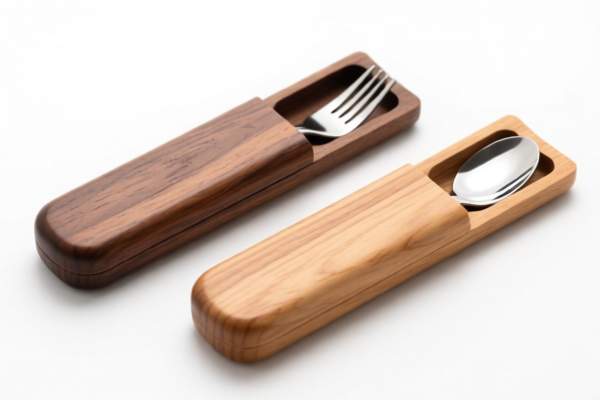
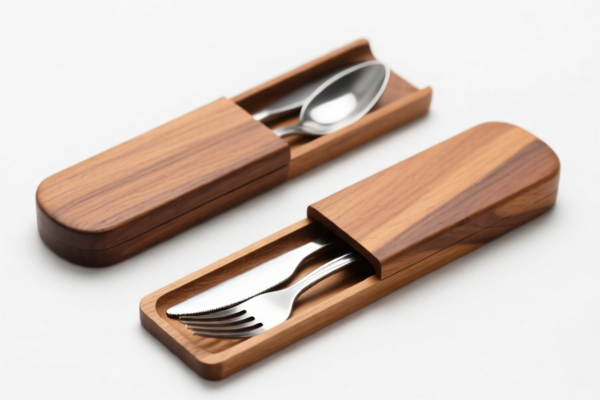
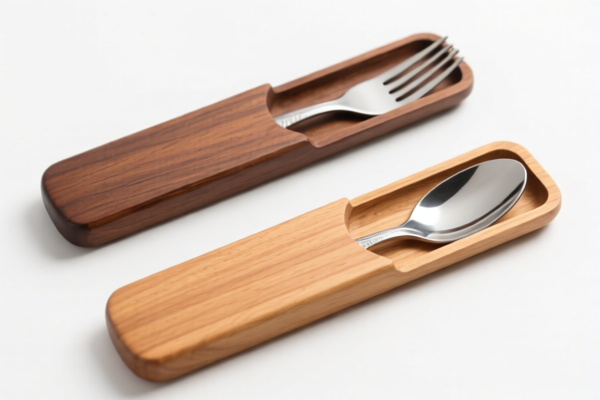
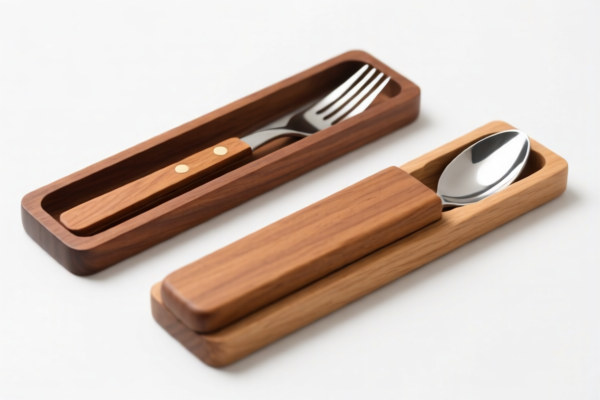
AI Analysis
🍴 Cutlery Cases (Flatware Caddies & Organizer Boxes)
🌐 HS Code Reference & Customs Clearance Guide | 2026 Latest Tariff Analysis | Professional Strategy
📌 I. Product Definition: What Exactly is a "Cutlery Case"?
Cutlery cases, also known as flatware caddies, silverware organizers, or dining sets, are household storage containers designed to hold forks, knives, spoons, and chopsticks. In international trade, classification is strictly dependent on the primary material of the case itself. Misclassification here leads to massive tariff discrepancies due to US Section 301 and Section 122 duties.
Key Distinctions: * Plastic/Metal/Other Hard Materials: Generally fall under Chapter 39 (Plastics) or Chapter 44 (Wood). * Textile/Fabric/Leather/Fur Skin: Fall under Chapter 42 (Articles of Leather; Travel Goods). * Jewelry-Specific: If designed exclusively for silverware but marketed/structured like jewelry boxes, it may trigger higher textile-based tariffs.
⚠️ Critical Warning:
- If the case is made of Plastic, it avoids the high textile tariffs but faces specific "122 Clause" duties.
- If the case is made of Textile (Fabric/Vinyl/Canvas), it incurs the highest tariff burden (17.6% + 25% + 10%).
- Do not assume "Container" = Low Tax. Material dictates the HS Code, not just function.
📦 II. HS Code Classification Matrix (2026 Latest Tariff Data)
Based on the provided data, here are the precise classifications for Cutlery Cases, ranked by material type and associated risk.
| HS Code | Material Category | Description & Summary | Total Tax Rate | Key Duty Components |
|---|---|---|---|---|
| 4202.92.93.15 | Textile/Fabric | Storage Boxes (Container, may involve textile materials) | 52.6% | Base: 17.6% Add-on: 25.0% Sec 122: 10% |
| 4202.92.60.10 | Textile/Synthetic | Jewelry Boxes & Similar (Material may be plastic or textile) | 41.3% | Base: 6.3% Add-on: 25.0% Sec 122: 10% |
| 4420.90.80.00 | Wood | Wooden Containers (Similar to jewelry or cutlery boxes) | 38.2% | Base: 3.2% Add-on: 25.0% Sec 122: 10% |
| 3926.90.10.00 | Plastic | Plastic Articles (Container class, other) | 20.9% | Base: 3.4% Add-on: 7.5% Sec 122: 10% |
| 3926.90.99.89 | Plastic | Plastic Articles (Other, no apparent conflict) | 22.8% | Base: 5.3% Add-on: 7.5% Sec 122: 10% |
🔍 Analysis:
- Lowest Risk/Lowest Tax: Plastic cases (3926.90...) are significantly cheaper to import into the US (approx. 21-23%) compared to textile equivalents (>40%).
- Highest Risk: Textile-based cases (4202.92...) trigger the full brunt of trade war tariffs (Section 301 25% + Section 122 10% + Base).
- Wooden Niche: Wooden cases (4420.90...) sit in the middle, heavily penalized by the 25% Section 301 duty.
💰 III. Detailed Tariff Breakdown (US Imports from China)
🎯 1. 4202.92.93.15 – The "Textile Trap" (52.6% Total)
Scenario: A cutlery caddy made of canvas, vinyl-coated fabric, or woven polyester.
| Item | Detail |
|---|---|
| Base Tariff | 17.6% (Standard MFN rate for textile articles) |
| Section 301 Duty | +25.0% (Retaliatory tariff on Chinese goods) |
| Section 122 Duty | +10.0% (Specific provision often applied to travel/storage goods) |
| Total Effective Rate | 52.6% |
| Legal Path | Chapter 42 → Heading 4202 → Footnote 122 → Section 301 |
📌 Explanation:
This is the most expensive classification. If your product uses any significant textile component (even if plastic-coated), US Customs may classify it here. Avoid this code if possible.
🎯 2. 4202.92.60.10 – Jewelry/Similar Containers (41.3% Total)
Scenario: A fancy cutlery set housed in a box designed to look like a jewelry box, often with velvet lining or rigid textile structure.
| Item | Detail |
|---|---|
| Base Tariff | 6.3% |
| Section 301 Duty | +25.0% |
| Section 122 Duty | +10.0% |
| Total Effective Rate | 41.3% |
| Legal Path | Chapter 42 → Subheading 4202.92 → Specific Jewelry/Storage |
📌 Explanation:
Lower base rate than general textile storage, but still suffers the heavy 25%+10% add-ons. Use only if the product is distinctly styled as a "Jewelry Box" rather than a functional kitchen caddy.
🎯 3. 4420.90.80.00 – Wooden Containers (38.2% Total)
Scenario: A bamboo or wooden cutlery holder/caddy.
| Item | Detail |
|---|---|
| Base Tariff | 3.2% (Low base for wood products) |
| Section 301 Duty | +25.0% |
| Section 122 Duty | +10.0% |
| Total Effective Rate | 38.2% |
| Legal Path | Chapter 44 → Heading 4420 (Wood articles) |
📌 Explanation:
Wood has a very low base tariff (3.2%), but the 35% add-on (25%+10%) makes it expensive. However, it is still cheaper than textile options. Ensure the wood is the primary material.
🎯 4. 3926.90.10.00 – Plastic Containers (20.9% Total) ✅ RECOMMENDED
Scenario: A standard plastic cutlery tray, drawer organizer, or hard-shell plastic caddy.
| Item | Detail |
|---|---|
| Base Tariff | 3.4% |
| Section 301 Duty | +7.5% (Note: Lower add-on for this specific subheading) |
| Section 122 Duty | +10.0% |
| Total Effective Rate | 20.9% |
| Legal Path | Chapter 39 → Heading 3926 → Plastic Articles |
📌 Explanation:
This is the most cost-effective classification. The Section 301 duty is only 7.5% instead of 25%. Crucial Strategy: Design your cutlery case primarily out of plastic to qualify for this lower rate.
🎯 5. 3926.90.99.89 – Other Plastic Articles (22.8% Total)
Scenario: Plastic items that don't fit the "container" description precisely but are still plastic.
| Item | Detail |
|---|---|
| Base Tariff | 5.3% |
| Section 301 Duty | +7.5% |
| Section 122 Duty | +10.0% |
| Total Effective Rate | 22.8% |
| Legal Path | Chapter 39 → Heading 3926 → Other |
📌 Explanation:
Slightly higher than3926.90.10.00due to a higher base rate (5.3% vs 3.4%), but still far below textile/wood options. Use if the plastic item doesn't clearly fit the "container" definition.
🛠️ IV. Customs Clearance Recommendations (Pro Tips)
✅ 1. Material is King: Switch to Plastic
If you are currently importing textile or wood cutlery cases, consider switching to plastic. * Tax Savings: From 52.6% down to ~21%. * Action: Redesign product lines to use ABS, PP, or PVC plastics. Avoid fabric, canvas, or wood trim that might trigger Chapter 42 or 44 classification.
✅ 2. Avoid "Jewelry" Language in Marketing
- Risk: Using terms like "Luxury Storage," "Jewelry Box," or "Velvet Lined" can push your product into
4202.92.60.10(41.3% tax). - Action: Use neutral terms: "Kitchen Drawer Organizer," "Cutlery Caddy," "Plastic Storage Tray."
✅ 3. Pre-Clearance Documentation Checklist
| Document | Requirement | Why? |
|---|---|---|
| Product Photos | Clear view of material texture | To prove it is Plastic (shiny/molded) vs. Textile (woven/fibrous). |
| Bill of Materials (BOM) | List of all components | To verify the "principal character" is plastic. If >10% is wood/fabric, risk increases. |
| Commercial Invoice | Describe as "Plastic Cutlery Organizer" | Avoid generic "Household Goods" which may trigger random exam. |
| Structure Diagram | Show molded parts | Prove it is a rigid plastic container, not a fabric bag with plastic lining. |
✅ 4. Section 122 Compliance
- All listed HS Codes in the data include a 10% Section 122 duty.
- Advice: Ensure your supplier declares the value correctly. Section 122 duties are often overlooked in preliminary quotes. Factor this 10% into your landed cost calculation regardless of material.
🌍 V. Global Market Comparison (Quick Reference)
| Market | Preferred HS Code | Est. Total Duty | Strategy |
|---|---|---|---|
| 🇺🇸 USA | 3926.90.10.00 |
20.9% | Use Plastic. Avoid Textile/Wood. |
| 🇪🇺 EU | 3926.90.90.90 |
4.0% + VAT | EU does not have Section 301/122. Tax is much lower. |
| 🇨🇳 China | 3926.90.90.90 |
5.0% | Low import tariff. High consumption tax if luxury. |
| 🇬🇧 UK | 3926.90.90.90 |
4.0% + VAT | Post-Brexit rules apply. Plastic is safe. |
📌 Note: The high tariffs (25% + 10%) are US-Specific penalties on Chinese-origin goods. If you manufacture in Vietnam or Mexico, these Section 301/122 duties do not apply, potentially reducing the tax to the base rate only.
📌 VI. Common Mistakes & Pitfalls
❌ Mistake 1: Declaring a fabric-lined plastic box as "Plastic Only" (3926.90).
👉 Result: Customs may seize or reclassify as Textile (4202.92.93.15), applying 52.6% tax instead of 20.9%.
💡 Fix: Ensure lining is minimal or declare accurately. If lining is significant, accept the higher tax or redesign.
❌ Mistake 2: Using "Kitchen Organizer" as the only description.
👉 Result: Ambiguity leads to random assignment.
💡 Fix: Be specific: "Hard Plastic Cutlery Insert for Drawer."
❌ Mistake 3: Ignoring Section 122.
👉 Result: Unexpected 10% duty at the border.
💡 Fix: Always include the 10% add-on in your cost model for US imports.
🎯 VII. Conclusion: Optimize for Profit
🎯 Final Verdict:
For Cutlery Cases, the Plastic HS Code (3926.90.10.00) is the clear winner for US imports.
Tax: ~21%
Textile/Wood Tax: ~38-53%
Action Plan:
1. Material Change: Switch to 100% Plastic or dominant Plastic design.
2. Naming: Use "Plastic Container" or "Organizer."
3. Pre-Ruling: Apply for an Advance Ruling from CBP to confirm classification before shipping bulk inventory.
📣 Immediate Action:
📞 Contact your freight forwarder to quote duties based on
3926.90.10.00.
🚀 Avoid the 52.6% Textile Trap!
✨ Smart Classification = Lower Costs = Higher Margins!
💼 Don't let HS Code errors eat your profit margin!
Customer Reviews
About HS Code Classification
The Harmonized System (HS) is an internationally standardized nomenclature developed by the World Customs Organization (WCO) to classify traded products. Over 200 countries use the HS system as the basis for customs tariffs, trade statistics, and import/export regulations.
Each HS code follows a hierarchical structure:
- Chapter (2 digits) — Broad category of goods (e.g., Chapter 84: Machinery and Mechanical Appliances)
- Heading (4 digits) — More specific grouping within the chapter
- Subheading (6 digits) — Internationally standardized breakdown, used by all WCO member countries
- National subdivisions (8-10 digits) — Country-specific extensions for further classification, such as US HTSUS 10-digit codes
Correct HS code classification is essential for smooth customs clearance, accurate duty payment, and compliance with trade regulations. Misclassification can lead to customs delays, overpayment of duties, or penalties.
When importing from CN to US, the applicable tariff rates may include:
- Most-Favored-Nation (MFN) rate — The standard duty rate applied to WTO members
- General rate — Applied to countries without trade agreements
- Trade remedy duties — Additional tariffs such as Section 301 (anti-dumping), Section 232 (national security), or countervailing duties
The information provided on this page is for reference purposes only. For official classification, please consult with your local customs authority or a licensed customs broker.