Cutting, Pressing, and Slitting Knife Machine
CN → US| HS Code | Tariff Rate | Origin | Destination | Doc |
|---|---|---|---|---|
| 8479820080 | 35.0% | CN | US | Official Doc |
| 8479899599 | 87.5% | CN | US | Official Doc |
| 8466948585 | 39.7% | CN | US | Official Doc |
Product Images
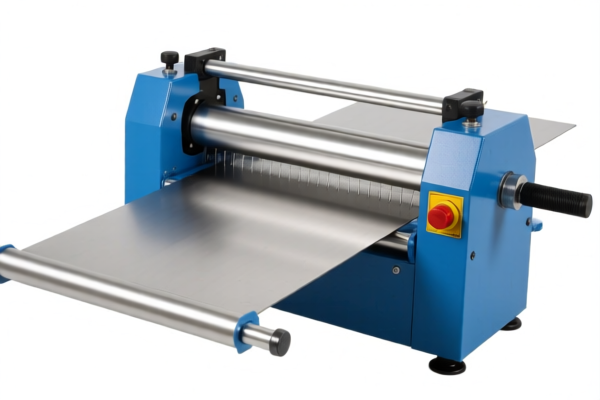
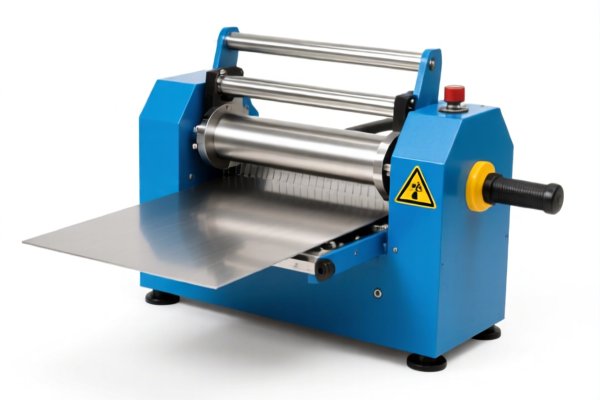
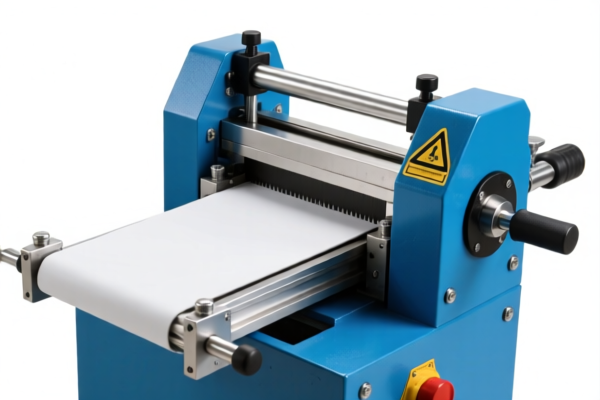
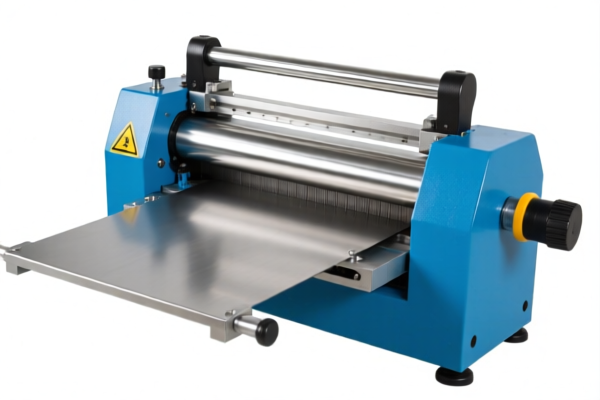
AI Analysis
🖥️ Cutting, Pressing, and Slitting Knife Machine
🌐 HS Code Reference & Customs Clearance Guide | 2026 Latest Tariff Breakdown | Professional Import Strategy
📌 I. Product Definition & Classification: Do You Really Understand This Machinery?
The "Cutting, Pressing, and Slitting Knife Machine" is a specialized mechanical device used for processing materials through precise shear, compression, and separation actions. In international trade, its classification depends heavily on its functional nature (mechanical processing vs. machine tool accessory) and material composition (though not explicitly stated in the name, material assumptions drive the final duty rate).
Key Distinctions: * Mechanical Processing Machine: If the device is an independent unit performing crushing/grinding/cutting functions as its primary operation → Classified under Chapter 84 (Machinery). * Machine Tool Accessory: If it is a blade/appendage specifically designed for use with a specific machine tool (like a press brake or lathe) → Classified under Chapter 84.66 (Parts & Accessories).
📦 II. HS Code Classification Details (2026 Latest Tariff Authority Match)
Based on the provided data, there are three potential classifications depending on the precise mechanical interpretation and material assumptions.
| HS Code | Product Description | Applicability / Logic | Total Tax Rate |
|---|---|---|---|
8479.82.00.80 |
Other Machines & Mechanical Appliances (Focusing on "Pressing/Cutting" function) | The "pressing/cutting" function falls under mechanical processing. No material conflict identified. Uses the "Other" fallback logic for mechanical devices. | 35.0% |
8479.89.95.99 |
Other Machines & Mechanical Appliances (Fallback Category) | The name implies a specific processing function (cutting/slitting). Since no specific material (steel/aluminum/copper) is confirmed in the name, but this code is a fallback, it assumes potential steel/aluminum content unless proven otherwise. | 87.5% |
8466.94.85.85 |
Parts & Accessories for Machine Tools | The product is viewed as a blade/knife accessory for a machine tool (used for cutting/slitting). Since no specific material is mentioned, the "Other" fallback applies. | 39.7% |
🔍 Critical Analysis:
- 8479.82.00.80 is the most logical fit if the machine is a standalone unit performing mechanical compression/cutting.
- 8479.89.95.99 carries a significantly higher tax burden due to potential steel/aluminum surcharges.
- 8466.94.85.85 is viable if the "knife" is sold as a replaceable part/attachment rather than a standalone machine.
💰 III. 2026 Latest Tariff Rate Breakdown (Including Additional Taxes & Policy Surcharges)
✅ Target Market: United States (US)
✅ Origin: China (CN)
✅ Effective Date: November 10, 2025 (and subsequent imports)
🎯 1. 8479.82.00.80 — Other Machines & Mechanical Appliances (Mechanical Function Focus)
| Item | Content |
|---|---|
| Base Duty Rate | 0% (ad valorem) |
| Section 301 Additional Duty | +25.0% |
| Section 122 Tariff | +10.0% |
| Total Effective Tax Rate | 35.0% |
| Tax Calculation | CIF Value × 35% |
| De Minimis Eligibility | ❌ Not Eligible (High tax threshold excludes it from low-value exemptions) |
| Legal Basis Path | Section 301 + Section 122 → 8479.82.00.80 |
📌 Explanation:
- The 0% base duty reflects the standard WTO rate for many general mechanical appliances.
- The 25% Section 301 duty is the primary US trade remedy tariff against Chinese goods.
- The 10% Section 122 duty is a national security tariff applied to specific broad categories.
- Total 35% is high but significantly lower than the alternative steel/aluminum classification.
🎯 2. 8479.89.95.99 — Other Machines & Mechanical Appliances (Fallback/Steel-Aluminum Assumption)
| Item | Content |
|---|---|
| Base Duty Rate | 2.5% |
| Section 301 Additional Duty | +25.0% |
| Section 122 Tariff | +10.0% |
| Steel/Aluminum/Copper Surcharge | +50.0% (Applied if material is confirmed as such) |
| Total Effective Tax Rate | 87.5% |
| Tax Calculation | CIF Value × 87.5% |
| De Minimis Eligibility | ❌ Not Eligible |
| Legal Basis Path | Section 301 + Section 122 + Section 232 (Steel/Aluminum) → 8479.89.95.99 |
📌 Warning:
- This classification assumes the machine contains steel, aluminum, or copper components subject to Section 232 tariffs.
- The 50% surcharge drastically increases costs.
- Total 87.5% makes this option financially prohibitive unless the machine is purely non-metallic (which is rare for heavy machinery).
🎯 3. 8466.94.85.85 — Parts & Accessories for Machine Tools
| Item | Content |
|---|---|
| Base Duty Rate | 4.7% |
| Section 301 Additional Duty | +25.0% |
| Section 122 Tariff | +10.0% |
| Total Effective Tax Rate | 39.7% |
| Tax Calculation | CIF Value × 39.7% |
| De Minimis Eligibility | ❌ Not Eligible |
| Legal Basis Path | Section 301 + Section 122 → 8466.94.85.85 |
📌 Strategy:
- If the product is technically a "knife" or "blade" for a larger machine, this classification is logical.
- The base duty is higher (4.7%) than 8479.82, but the total rate (39.7%) is close to 8479.82 (35.0%).
- Risk: Customs may reject this if the item is deemed a "standalone machine" rather than a "part."
🛠️ IV. Customs Clearance Practical Advice (Real-World Pitfall Avoidance)
✅ 1. Preparation Checklist (Mandatory)
| Document | Required | Purpose |
|---|---|---|
| ✅ Product Specification Sheet | ✔️ | Must clearly state: Is it a standalone machine or a part/blade? |
| ✅ Technical Diagrams | ✔️ | Show internal structure. Does it have a motor/housing? (Indicates standalone machine) |
| ✅ Product Photos (with Label) | ✔️ | Clear view of model number, brand, and input/output specs. |
| ✅ Material Declaration | ✔️ | Crucial to avoid the 50% Steel/Aluminum surcharge under 8479.89.95.99. |
| ✅ Commercial Invoice | ✔️ | Use precise language: "Mechanical Pressing & Cutting Machine" or "Blade Accessory for Machine Tool". |
| ✅ Packing List | ✔️ | Ensure no confusion between main unit and accessories. |
✅ 2. Declaration Strategies (Key Formulas)
🔥 "Function First, Material Clear, Name Precise, Duty Lower!"
| Scenario | Recommended HS Code | Declaration Language | Risk |
|---|---|---|---|
| Standalone Machine (Has motor, frame, controls) | 8479.82.00.80 |
"Industrial Mechanical Pressing and Cutting Machine" | Low (Best Rate: 35%) |
| Blade/Knife for Machine Tool | 8466.94.85.85 |
"Cutting Blade Accessory for Metal Working Machine Tool" | Medium (Customs may reclassify as machine) |
| Unclear Material (Risky) | 8479.89.95.99 |
Avoid this unless you prove non-steel/aluminum | High (Rate: 87.5%) |
✅ 3. Special Case Handling
| Situation | Handling Advice |
|---|---|
| Material Proof | Provide mill certificates or material test reports to prove the machine does not contain significant steel/aluminum/copper if trying to avoid 8479.89.95.99. |
| Standalone vs. Part | If the knife can function independently (has its own drive), declare as Machine (8479). If it requires another machine to operate, declare as Part (8466). |
| Pre-Ruling Application | Given the high stakes (35% vs. 87.5%), apply for a Binding Tariff Information (BTI) or Pre-Ruling from CBP to confirm classification. |
🌍 V. Global Market Comparison (2026 Latest)
| Country/Region | Recommended HS Code | Tariff | Certification | Note |
|---|---|---|---|---|
| 🇺🇸 USA | 8479.82.00.80 |
35% | None specific | Highest risk of Section 301/122 |
| 🇨🇳 China | 8479.82.00.80 |
~10-13% | CCC (if applicable) | Lower tariffs for export to China |
| 🇪🇺 EU | 8479.82.00 |
0-3% | CE | No Section 301 tariffs |
| 🇬🇧 UK | 8479.82.00 |
0-2.7% | UKCA | Post-Brexit standards |
📌 Conclusion:
- The US market is the most challenging due to layered tariffs (301 + 122).
- EU/UK offer much better tariff efficiency for mechanical machines.
- Cost Optimization: Consider if the product can be shipped to a third country for minor assembly to alter origin (subject to strict rules of origin).
📌 VI. Common Errors & Pitfalls (Lessons Learned)
❌ Error 1: Declaring a standalone machine as a "Part" to avoid base duty
👉 Consequence: Customs reclassifies it as a machine → Charges full duty + penalties.
❌ Error 2: Ignoring material composition under 8479.89.95.99
👉 Consequence: Unexpected 50% steel/aluminum surcharge → Total tax jumps to 87.5%.
❌ Error 3: Vague product names ("Knife Machine")
👉 Consequence: Customs holds shipment for inspection → Delays + storage fees.
✅ Correct Approach:
"Standalone Industrial Mechanical Pressing and Cutting Machine, Model XYZ, Non-Stainless Steel Frame, Section 301 Duty 25%, Section 122 Duty 10%"
🎯 VII. Conclusion: Precision in Classification Saves Capital!
🎯 Remember:
🔹 "Machine vs. Part" defines the path.
🔹 "Material" defines the surcharge.
🔹 "35% vs. 87.5%" is a life-changing difference!
📌 Pro Tip:
For the Cutting, Pressing, and Slitting Knife Machine, aim for
8479.82.00.80by proving it is a standalone mechanical device. Avoid8479.89.95.99at all costs by clarifying material composition.
📣 Immediate Action:
📞 Contact a Customs Broker: Provide technical diagrams.
🚀 Apply for Pre-Ruling: Lock in the 35% rate before shipment.
💼 Your Bottom Line: Every percentage point matters in high-tariff environments!
✨ Professional Customs Clearance Starts with Accurate Classification!
💼 Your Costs, Your Profit — Calculate Precisely!
Customer Reviews
About HS Code Classification
The Harmonized System (HS) is an internationally standardized nomenclature developed by the World Customs Organization (WCO) to classify traded products. Over 200 countries use the HS system as the basis for customs tariffs, trade statistics, and import/export regulations.
Each HS code follows a hierarchical structure:
- Chapter (2 digits) — Broad category of goods (e.g., Chapter 84: Machinery and Mechanical Appliances)
- Heading (4 digits) — More specific grouping within the chapter
- Subheading (6 digits) — Internationally standardized breakdown, used by all WCO member countries
- National subdivisions (8-10 digits) — Country-specific extensions for further classification, such as US HTSUS 10-digit codes
Correct HS code classification is essential for smooth customs clearance, accurate duty payment, and compliance with trade regulations. Misclassification can lead to customs delays, overpayment of duties, or penalties.
When importing from CN to US, the applicable tariff rates may include:
- Most-Favored-Nation (MFN) rate — The standard duty rate applied to WTO members
- General rate — Applied to countries without trade agreements
- Trade remedy duties — Additional tariffs such as Section 301 (anti-dumping), Section 232 (national security), or countervailing duties
The information provided on this page is for reference purposes only. For official classification, please consult with your local customs authority or a licensed customs broker.