Cutting Mat Special Tool Pen
CN → US| HS Code | Tariff Rate | Origin | Destination | Doc |
|---|---|---|---|---|
| 4016996050 | 37.5% | CN | US | Official Doc |
| 4016990500 | 20.9% | CN | US | Official Doc |
| 5903102010 | 35.0% | CN | US | Official Doc |
| 5903102090 | 35.0% | CN | US | Official Doc |
Product Images
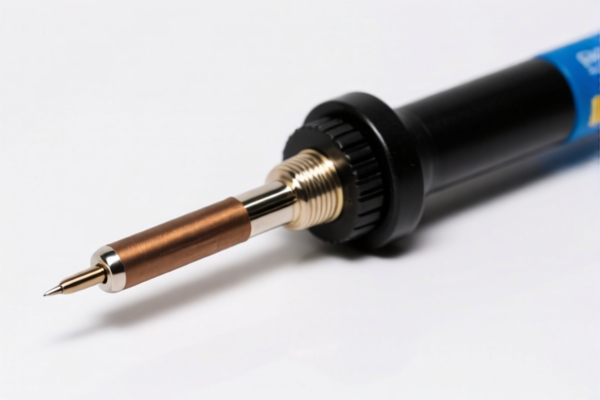
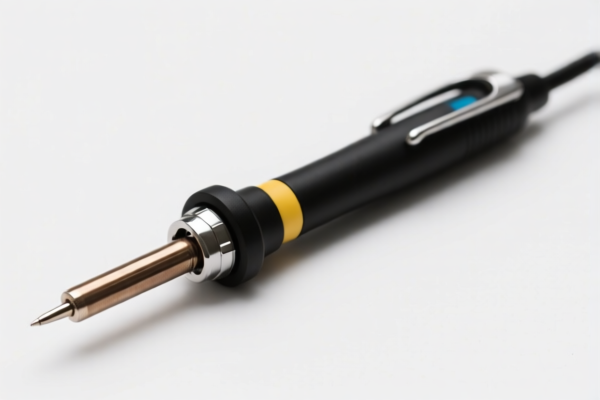
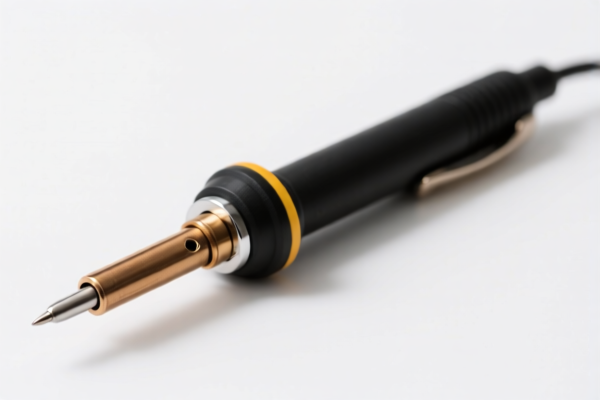
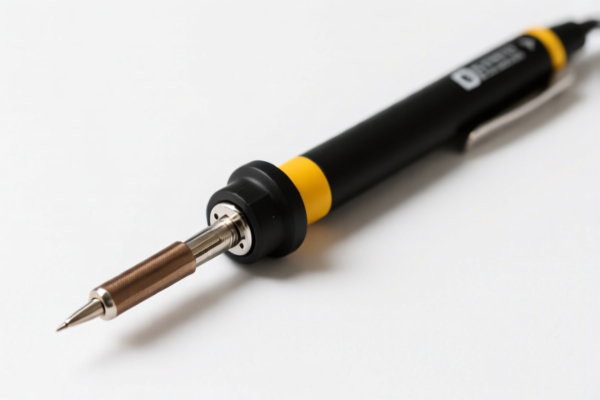
AI Analysis
🖥️ Cutting Mat (Craft & Office Tool)
🌐 HS Code Reference & Customs Clearance Guide | 2026 Latest Tariff Analysis | Professional Clearance Strategy
📌 I. Product Definition & Classification: Do You Really Understand "Cutting Mats"?
A cutting mat is a specialized work surface used in crafts, sewing, design, and office environments to protect underlying surfaces from damage by blades. In international trade, the classification depends heavily on the material composition and manufacturing process (vulcanization vs. coating/plasticization).
Rubber-Based Mats: Made from vulcanized rubber or similar elastic materials, offering high durability and self-healing properties. PVC/Plastic-Based Mats: Made from Polyvinyl Chloride (PVC) or other plastic polymers, often characterized by a coated or impregnated fabric structure.
⚠️ Key Distinction Point:
- If the mat is primarily vulcanized rubber or generic elastic material → It falls under Chapter 40 (Rubber Articles).
- If the mat is primarily PVC-coated fabric or plastic sheets with specific impregnation/coating characteristics → It falls under Chapter 59 (Impregnated, Coated, Covered or Layered Textile Fabrics).
📦 II. HS Code Classification Details (2026 Latest Tariff Authority Comparison)
| HS Code | Product Description | Applicable Scenario | Material Characteristic |
|---|---|---|---|
4016.99.60.50 |
Other articles of vulcanized rubber other than hard rubber (Specific rubber products) | Professional craft mats, self-healing mats, high-elasticity rubber surfaces | ✅ Vulcanized Rubber |
4016.99.05.00 |
Other articles of vulcanized rubber (Household items兜底 category) | General-purpose rubber mats, home craft supplies, generic elastic mats | ✅ Vulcanized Rubber |
5903.10.20.10 |
Textiles impregnated, coated, covered or laminated with PVC (Specific category) | PVC-coated cutting mats, fabric-based plastic mats | ✅ PVC-Coated Fabric |
5903.10.20.90 |
Textiles impregnated, coated, covered or laminated with PVC (Other/General category) | General PVC plastic cutting mats, non-fabric specific plastic sheets | ✅ PVC/Plastic |
🔍 Important Reminder:
- Rubber mats are classified under 4016. The distinction between.60.50and.05.00often lies in specific US Customs rulings on "non-specific use" vs. "general household items." - PVC/Plastic mats are classified under 5903 if they involve a textile base coated/laminated with PVC. If it's a solid plastic sheet, it might sometimes fall elsewhere, but the provided data suggests Chapter 59 for these specific PVC descriptions.
💰 III. 2026 Latest Tariff Rate Breakdown (Including Additional Duties & Policy Surcharges)
✅ Applicable Country: United States (US)
✅ Origin: China (CN)
✅ Effective Time: Current (Includes subsequent imports)
🎯 1. 4016.99.60.50 —— Vulcanized Rubber Cutting Mats (Non-Specific Use)
| Item | Details |
|---|---|
| Base Tariff | 2.5% |
| Section 301 Additional Tariff | +25.0% |
| Section 122 Additional Tariff | +10.0% |
| Total Effective Rate | 37.5% |
| Tax Calculation | CIF Value × 37.5% |
| De Minimis Eligibility | ❌ Not Eligible (High tariff rate exceeds thresholds for exemption) |
| Legal Basis Path | USITC:4016.99.60.50 → Section 301: 25% → Section 122: 10% |
📌 Explanation:
- This classification assumes a standard rubber product without specific household exclusions. - The 37.5% total burden is significant, driven by the heavy Section 301 and Section 122 levies on Chinese goods.
🎯 2. 4016.99.05.00 —— Vulcanized Rubber Cutting Mats (Household Items)
| Item | Details |
|---|---|
| Base Tariff | 3.4% |
| Section 301 Additional Tariff | +7.5% |
| Section 122 Additional Tariff | +10.0% |
| Total Effective Rate | 20.9% |
| Tax Calculation | CIF Value × 20.9% |
| De Minimis Eligibility | ⚠️ Check Thresholds (Lower total rate may allow de minimis for small packages, but verify current rules) |
| Legal Basis Path | USITC:4016.99.05.00 → Section 301: 7.5% → Section 122: 10% |
📌 Note:
- This rate is significantly lower than.60.50because the Section 301 rate is only 7.5% instead of 25%, likely due to the "household item" classification benefiting from certain exclusions or lower tariff lists. - Crucial: Proper documentation proving it is a "household item" is essential to secure this 20.9% rate.
🎯 3. 5903.10.20.10 & 5903.10.20.90 —— PVC-Coated/Plastic Cutting Mats
| Item | Details |
|---|---|
| Base Tariff | 0.0% |
| Section 301 Additional Tariff | +25.0% |
| Section 122 Additional Tariff | +10.0% |
| Total Effective Rate | 35.0% |
| Tax Calculation | CIF Value × 35.0% |
| De Minimis Eligibility | ❌ Not Eligible (High additional tariffs apply) |
| Legal Basis Path | USITC:5903.10.20.xx → Section 301: 25% → Section 122: 10% |
📌 Explanation:
- Although the base tariff is 0%, the Section 301 (25%) and Section 122 (10%) add-ons result in a 35.0% total duty. - Both sub-headings.10and.90carry the same tariff rate in the provided data. The distinction is purely descriptive (specific vs. other PVC coatings).
🛠️ IV. Customs Clearance Practical Advice (Real-World Pitfall Guide)
✅ 1. Preparation Checklist (Mandatory)
| Document | Mandatory? | Description |
|---|---|---|
| ✅ Product Composition Statement | ✔️ | Must explicitly state % of Rubber vs. PVC vs. Fabric. |
| ✅ Material Safety Data Sheet (MSDS) | ✔️ | If chemical coatings are used, required for safety classification. |
| ✅ Product Photos (Clear) | ✔️ | Show grid lines, material texture (rubber grain vs. plastic smooth). |
| ✅ Commercial Invoice | ✔️ | Describe as "Cutting Mat for Craft/Office Use," NOT "Tool." |
| ✅ Packing List | ✔️ | Weight and dimensions must match declaration. |
✅ 2. Declaration Strategy (Key Mantras)
🔥 "Material Defines Code, Description Defines Truth, Avoid Ambiguity!"
| Scenario | Correct Declaration | Wrong Practice |
|---|---|---|
| Rubber Mat | "Vulcanized Rubber Cutting Mat, for Crafts" | "Plastic Mat" → Leads to 5903 classification (0% base but 35% total) or misclassification fines. |
| PVC Mat | "PVC Coated Fabric Cutting Mat" | "Rubber Mat" → Leads to 4016 classification (20.9% or 37.5%). |
| Mixed Materials | Declare predominant material + structure | Vague terms like "Tool Mat" → Customs may assign highest duty or request lab test. |
| With Pen Included | Split Declaration: Mat under HS, Pen under its own HS (e.g., 9608) | "Cutting Mat Special Tool Pen Set" → May trigger complex "Set" classification rules. |
✅ 3. Special Case Handling
| Situation | Handling Advice |
|---|---|
| Set (Mat + Pen) | Do not declare as one item. Declare the mat under its HS code and the pen under its own (e.g., 9608.10.00 for ballpoints). If bundled, the essential character might dictate the whole set, but typically accessories are separate if packed distinctly. |
| Self-Healing Claim | Provide proof of material structure (rubber polymer) to justify 4016.99.60.50. |
| Grid Line Ink | Ensure ink is non-toxic; provide RoHS compliance if applicable for consumer goods. |
🌍 V. Global Market Clearance Comparison (2026 Latest)
| Country/Region | Recommended HS Code | Tariff (China Origin) | Certification Requirements | Remarks |
|---|---|---|---|---|
| 🇺🇸 USA | 4016.99.05.00 (Best Rate) |
20.9% | None specific for mat | 4016.99.60.50 is 37.5%; 5903 is 35.0%. Aim for 4016.99.05.00 if possible. |
| 🇪🇺 EU | 4016.99 or 5903.10 |
4% - 6% | REACH Compliance | No Section 301/122 equivalents. |
| 🇨🇳 China | 4016.99 or 5903.10 |
2% - 5% | None | Import duty is low. |
| 🇬🇧 UK | 4016.99 or 5903.10 |
4% - 6% | UKCA Marking | Post-Brexit rules apply. |
📌 Conclusion:
- The US market is the most challenging due to the 20.9% to 37.5% tariff burden. - Optimization Strategy: If your mat is rubber-based, strive to classify under4016.99.05.00(20.9%) rather than.60.50 (37.5%)by emphasizing its "household/general use" nature. - PVC mats (5903) have a 0% base but 35% total due to tariffs, making them less competitive than the optimized rubber option in some cases.
📌 VI. Common Errors & Pitfall Guide (Lessons Learned)
❌ Error 1: Declaring a PVC mat as "Rubber Mat"
👉 Consequence: Customs may reject, demand lab tests, or assign the higher-duty code.
👉 Result: Delays, storage fees, potential penalties.
❌ Error 2: Ignoring Section 122 Tariffs
👉 Consequence: Under-declaring duties by 10%.
👉 Result: Back-taxes + Interest + Penalties upon audit.
❌ Error 3: Vague Description "Craft Tool"
👉 Consequence: Customs officer has discretion to choose the highest duty code.
👉 Result: Risk of 37.5% or higher if misinterpreted.
❌ Error 4: Bundling Pen and Mat as One SKU without Split Declaration
👉 Consequence: Confusion on which HS code applies to the "set."
👉 Result: Either the whole set is taxed at the higher rate, or customs splits it manually, causing delay.
✅ Correct Approach:
"Cutting Mat, Vulcanized Rubber, 18x24 inch, Grid Marked, for Paper Crafts. Model: CM-001."
+ Separate line item for "Ballpoint Pen, Black Ink, Plastic Body, Model: PN-001."
🎯 VII. Conclusion: Precision Classification for Cost Savings
🎯 Remember Mantra:
🔹 "Rubber vs. PVC decides the Chapter."
🔹 "Household Claim saves 16.6% (37.5% vs 20.9%)."
🔹 "PVC has 0% Base but 35% Total Duty."
🔹 "Separate the Pen, Save the Hassle."
📌 Tips:
- If you are an OEM manufacturer, ensure your supplier provides clear Material Certificates to support your HS classification.
- Consider Advance Ruling (Pre-shipment Ruling) from US Customs (CBP) if you are importing large volumes. This legally binds the customs broker to your chosen HS code, providing certainty against future audits.
- For de minimis (Section 321) shipments under $800: Be aware that many HS codes, especially those with high Section 301 rates, may be excluded or require specific documentation. Check the latest US CBP exclusions list.
📣 Immediate Action:
📞 Consult a licensed customs broker before your first shipment.
📄 Gather Material Composition Data.
🚀 Ensure your cutting mats clear US borders efficiently and cost-effectively!
✨ Professional Customs Clearance Starts with Accurate Classification!
💼 Your Profit Margin Depends on the Right HS Code!
Customer Reviews
About HS Code Classification
The Harmonized System (HS) is an internationally standardized nomenclature developed by the World Customs Organization (WCO) to classify traded products. Over 200 countries use the HS system as the basis for customs tariffs, trade statistics, and import/export regulations.
Each HS code follows a hierarchical structure:
- Chapter (2 digits) — Broad category of goods (e.g., Chapter 84: Machinery and Mechanical Appliances)
- Heading (4 digits) — More specific grouping within the chapter
- Subheading (6 digits) — Internationally standardized breakdown, used by all WCO member countries
- National subdivisions (8-10 digits) — Country-specific extensions for further classification, such as US HTSUS 10-digit codes
Correct HS code classification is essential for smooth customs clearance, accurate duty payment, and compliance with trade regulations. Misclassification can lead to customs delays, overpayment of duties, or penalties.
When importing from CN to US, the applicable tariff rates may include:
- Most-Favored-Nation (MFN) rate — The standard duty rate applied to WTO members
- General rate — Applied to countries without trade agreements
- Trade remedy duties — Additional tariffs such as Section 301 (anti-dumping), Section 232 (national security), or countervailing duties
The information provided on this page is for reference purposes only. For official classification, please consult with your local customs authority or a licensed customs broker.