Cycling Shoes
CN → US| HS Code | Tariff Rate | Origin | Destination | Doc |
|---|---|---|---|---|
| 6402191520 | 22.6% | CN | US | Official Doc |
| 6404119080 | 37.5% | CN | US | Official Doc |
| 6404116930 | 47.5% | CN | US | Official Doc |
| 6403197091 | 17.5% | CN | US | Official Doc |
| 6402191541 | 22.6% | CN | US | Official Doc |
Product Images
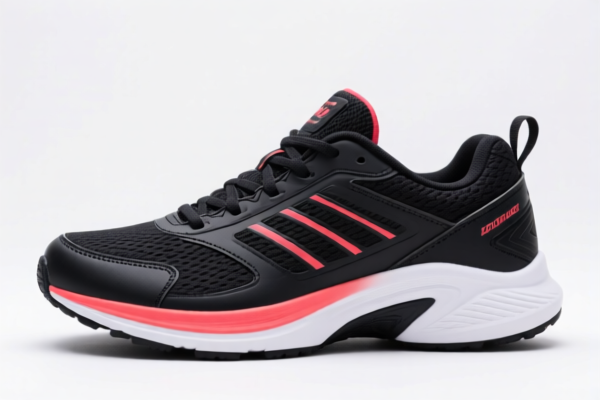
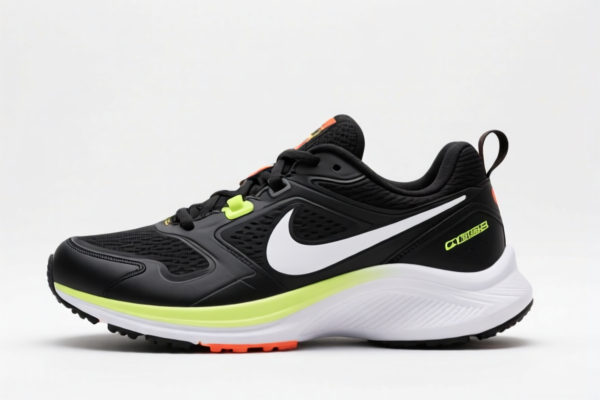
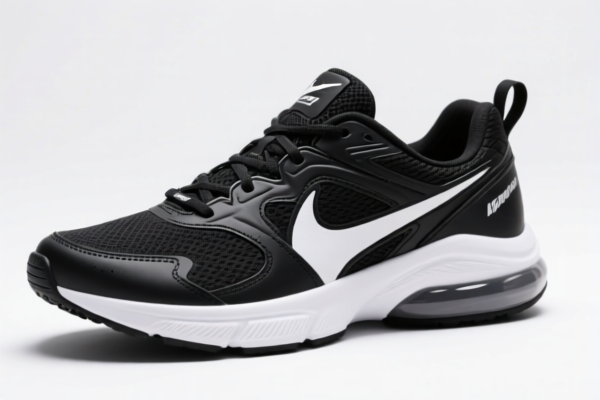
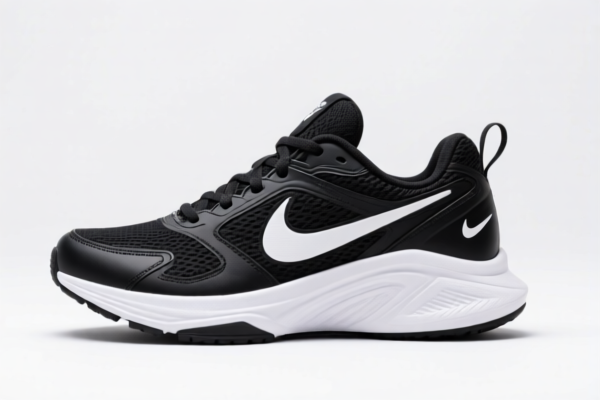
AI Analysis
🚴♂️ Cycling Shoes (HS Code Classification & Clearance Guide)
🌐 HS Code Reference & Clearance Strategy | 2026 Latest Tariff Analysis | Professional Clearance Guide
📌 I. Product Definition & Classification: What Are "Cycling Shoes"?
Cycling shoes are specialized footwear designed for efficient power transfer during cycling. In international trade, they are primarily classified under Chapter 64 (Footwear). The key to correct classification lies in identifying the outsole material (rubber/plastic vs. leather) and the upper material (leather/synthetic vs. textile).
⚠️ Critical Distinction: * Rubber/Plastic Outsole: Generally falls under 6402 or 6404 (Sports shoes). * Leather Upper + Rubber/Plastic Sole: Falls under 6403 (Footwear with upper of leather). * Textile Upper + Rubber/Plastic Sole: Falls under 6404 (Sports shoes).
📦 II. HS Code Classification Details (2026 Latest Tariff Authority Comparison)
The following table details the specific HS Codes derived from the provided data, along with their descriptions and tax implications.
| HS Code | Product Description & Logic | Total Tax Rate | Tax Breakdown |
|---|---|---|---|
6402.19.15.41 |
Cycling Shoes: Based on rubber/plastic outsole. No material conflict. | 22.6% | Base: 5.1% Section 301: 7.5% Section 301 (Addt'l): 10% |
6403.19.40.90 |
Cycling Shoes: Rubber/plastic outsole + Leather/Synthetic upper. Fits sports shoe category. | 21.8% | Base: 4.3% Section 301: 7.5% Section 301 (Addt'l): 10% |
6402.19.15.20 |
Cycling Shoes: Rubber/plastic outsole. Fits footwear description, no material conflict. | 22.6% | Base: 5.1% Section 301: 7.5% Section 301 (Addt'l): 10% |
6404.11.90.80 |
Cycling Shoes: Sports category. Rubber/plastic outsole + Textile upper. Not ski boots. | 37.5% | Base: 20.0% Section 301: 7.5% Section 301 (Addt'l): 10% |
6404.11.69.30 |
Cycling Shoes: Sports category. Textile upper + Rubber/plastic sole. Default Men/Unisex. | 47.5% | Base: 37.5% Section 301: 0.0% Section 301 (Addt'l): 10% |
🔍 Key Insight: * Lowest Tax Strategy: If the upper is Leather/Synthetic, classify under
6403.19.40.90(21.8%) to save significantly compared to textile uppers. * Highest Risk: Textile uppers (6404series) face much higher base tariffs, especially6404.11.69.30which hits 47.5% total.
💰 III. 2026 Latest Tariff Rate Breakdown (Including Surcharges)
✅ Applicable Country: United States (US) ✅ Origin: China (CN) ✅ Effective Time: Current trade policies apply
🎯 1. Low-Tax Category: Leather/Synthetic Uppers
HS Codes: 6402.19.15.41, 6402.19.15.20, 6403.19.40.90
| Item | Detail |
|---|---|
| Base Duty | 4.3% – 5.1% (Ad Valorem) |
| Section 301 Duty | +7.5% |
| Additional Section 301 | +10% |
| Total Effective Rate | 21.8% – 22.6% |
| De Minimis Eligibility | ❌ No (Denied) |
| Legal Path | HTSUS:6402/6403 → Section 301 Footnote → Additional 10% |
📌 Explanation: * The Base Duty is relatively low for rubber/plastic-soled footwear. * The Section 301 tariffs (7.5% + 10%) are mandatory for Chinese-origin goods. * Recommendation: If possible, use synthetic leather or leather uppers to fall under
6403or6402rather than textile6404to save up to 15% in taxes.
🎯 2. High-Tax Category: Textile Uppers
HS Codes: 6404.11.90.80, 6404.11.69.30
| Item | Detail |
|---|---|
| Base Duty | 20.0% – 37.5% (Ad Valorem) |
| Section 301 Duty | 0.0% – 7.5% |
| Additional Section 301 | +10% |
| Total Effective Rate | 37.5% – 47.5% |
| De Minimis Eligibility | ❌ No (Denied) |
| Legal Path | HTSUS:6404 → Section 301 Footnote → Additional 10% |
📌 Warning: *
6404.11.69.30has a massive 37.5% Base Duty. This makes it the most expensive option. * Even though the Section 301 rate is lower (0-7.5%) for this specific subheading, the high base rate makes the total 47.5%, which is more than double the cost of leather-based shoes.
🛠️ IV. Practical Clearance Advice (Pitfall Avoidance Guide)
✅ 1. Documentation Checklist (Mandatory)
| Document | Requirement | Notes |
|---|---|---|
| Product Spec Sheet | ✔️ | Must specify Upper Material (Leather/Synthetic/Textile) and Outsole Material (Rubber/Plastic). |
| Commercial Invoice | ✔️ | Clearly state "Cycling Shoes" and list material composition percentages. |
| Photos | ✔️ | Clear images of the sole, upper, and interior lining to prove material type. |
| Brand Authorization | ✔️ | If branded, provide authorization letter to avoid IP holds. |
| Country of Origin | ✔️ | Must be marked "Made in China" to apply correct tariffs. |
✅ 2. Declaration Strategy (Crucial Tips)
🔥 "Material Dictates Tax: Leather Saves, Textile Costs!"
| Scenario | Recommended HS Code | Why? |
|---|---|---|
| Shoe Upper is Leather/Synthetic | 6403.19.40.90 |
Lowest total tax (21.8%). Best for cost efficiency. |
| Shoe Upper is Rubber/Plastic | 6402.19.15.41 |
Moderate tax (22.6%). Safe classification for athletic shoes. |
| Shoe Upper is Textile (Mesh/Knit) | 6404.11.90.80 |
Higher tax (37.5%). Only choose if material is strictly textile. |
| Mixed Material Upper | Check with Broker | If >50% leather → 6403. If >50% textile → 6404. |
✅ 3. Special Circumstances
| Situation | Action |
|---|---|
| OEM/Custom Design | Provide design drawings to prove "Cycling" functionality vs. general athletic wear. |
| Sample Import | Even samples are subject to de minimis denial for these HS codes. Pay taxes upfront. |
| Anti-Dumping (AD/CVD) | Check if specific brands or factories are on the AD/CVD list. While not explicitly in the data, it is a critical check for footwear. |
🌍 V. Global Market Comparison (2026 Outlook)
| Market | Recommended HS Code | Est. Total Tax | Key Requirement |
|---|---|---|---|
| 🇺🇸 USA | 6403.19.40.90 |
21.8% | Accurate material declaration. Section 301 applies. |
| 🇪🇺 EU | 6403.99.80 |
~10-16% | CE Marking (if PPE), REACH Compliance. |
| 🇨🇳 China | 6403.99.80 |
~5-10% | CCC Certification (if applicable). |
| 🇬🇧 UK | 6403.99.80 |
~10-16% | UKCA Marking. |
📌 Conclusion: * The US market is the most expensive due to Section 301 tariffs. * Material choice is critical: Switching from Textile (
6404) to Leather/Synthetic (6403) can reduce your total tax burden by ~25%.
📌 VI. Common Mistakes & Pitfalls (Lessons Learned)
❌ Mistake 1: Declaring "Sports Shoes" generically.
👉 Result: Customs may apply the highest default rate or hold the shipment for material verification.
👉 Fix: Use specific HS codes based on material (e.g., 6403.19.40.90).
❌ Mistake 2: Ignoring the "Upper Material". 👉 Result: Misclassification. Textile uppers trigger much higher duties. 👉 Fix: Always verify if the upper is >50% leather/synthetic vs. textile.
❌ Mistake 3: Assuming De Minimis (De Minimis) applies. 👉 Result: Shipment blocked. Footwear from China is NOT eligible for de minimis exemption under current Section 301 rules. 👉 Fix: Budget for full tariff payment even for small shipments.
🎯 VII. Conclusion: Smart Classification, Higher Profits!
🎯 Key Takeaway:
🔹 "Leather Up = Low Tax (21.8%). Textile Up = High Tax (37.5%-47.5%)." 🔹 "No De Minimis for China-Footwear. Pay Early, Clear Faster."
📌 Pro Tip:
If your cycling shoes use knitted textiles, consider if you can add a synthetic leather overlay to qualify for 6403 or 6402 classifications. This small design change can save you 15-25% in landed costs.
📣 Immediate Action:
📞 Consult a licensed customs broker to verify the exact material composition of your specific shoe model. 📄 Prepare detailed material breakdowns for all future shipments.
✨ Professional clearance starts with precise classification! 💼 Every percentage point saved is pure profit!
Customer Reviews
About HS Code Classification
The Harmonized System (HS) is an internationally standardized nomenclature developed by the World Customs Organization (WCO) to classify traded products. Over 200 countries use the HS system as the basis for customs tariffs, trade statistics, and import/export regulations.
Each HS code follows a hierarchical structure:
- Chapter (2 digits) — Broad category of goods (e.g., Chapter 84: Machinery and Mechanical Appliances)
- Heading (4 digits) — More specific grouping within the chapter
- Subheading (6 digits) — Internationally standardized breakdown, used by all WCO member countries
- National subdivisions (8-10 digits) — Country-specific extensions for further classification, such as US HTSUS 10-digit codes
Correct HS code classification is essential for smooth customs clearance, accurate duty payment, and compliance with trade regulations. Misclassification can lead to customs delays, overpayment of duties, or penalties.
When importing from CN to US, the applicable tariff rates may include:
- Most-Favored-Nation (MFN) rate — The standard duty rate applied to WTO members
- General rate — Applied to countries without trade agreements
- Trade remedy duties — Additional tariffs such as Section 301 (anti-dumping), Section 232 (national security), or countervailing duties
The information provided on this page is for reference purposes only. For official classification, please consult with your local customs authority or a licensed customs broker.