Cycling Shorts
CN → US| HS Code | Tariff Rate | Origin | Destination | Doc |
|---|---|---|---|---|
| 6112120030 | 45.7% | CN | US | Official Doc |
| 6211335040 | 33.5% | CN | US | Official Doc |
| 6211325060 | 25.6% | CN | US | Official Doc |
| 6112120040 | 45.7% | CN | US | Official Doc |
| 6103230075 | 0.0% | CN | US | Official Doc |
Product Images
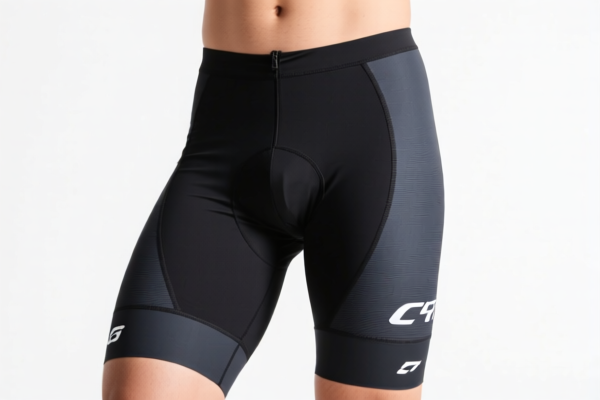
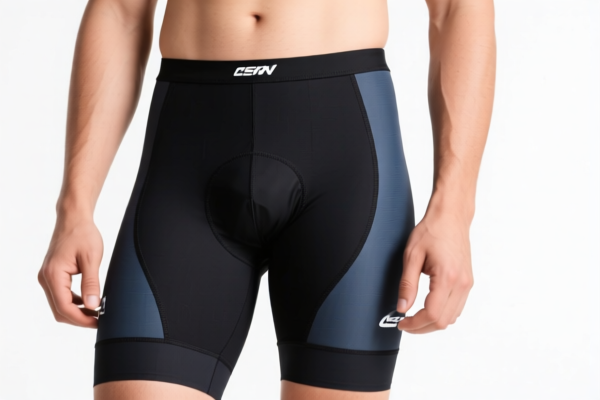
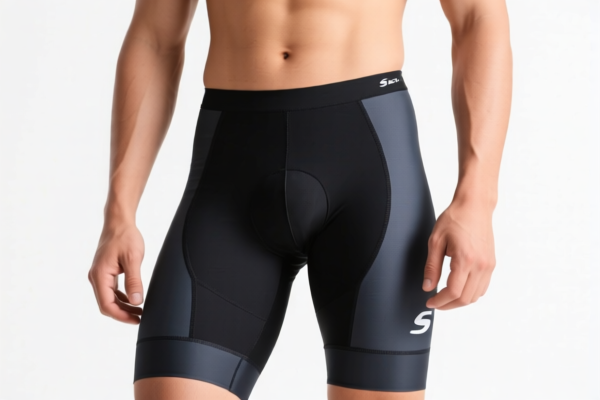
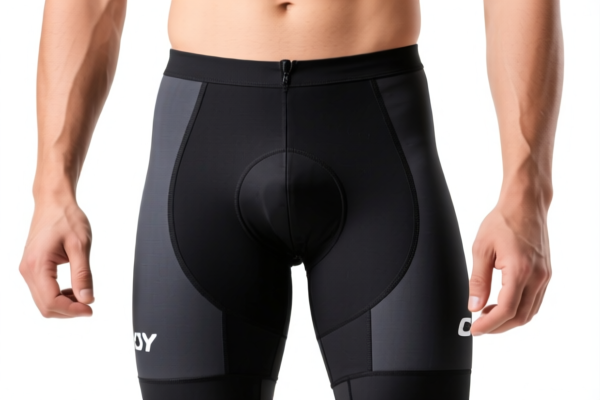
AI Analysis
👖 Cycling Shorts (Riding Apparel)
🌐 HS Code Reference & Customs Clearance Guide | 2026 Latest Tariff Analysis | Professional Strategy for Sportswear
📌 1. Product Definition & Classification: What Are “Cycling Shorts”?
Cycling shorts are specialized athletic garments designed for bicycle riding. In international trade, they are primarily classified under Chapter 61 (Knitted or Crocheted) or Chapter 62 (Non-Knitted/Non-Crocheted), depending on the fabric construction and specific design features.
Key Distinctions:
- Knitted Fabric (e.g., Spandex/Lycra blends): Typically falls under Chapter 61. These are form-fitting, stretchable garments.
- Woven Fabric (e.g., Nylon/Polyester shells with padding): Often falls under Chapter 62, especially if they resemble outerwear, shirts, or have structured seams.
⚠️ Critical Classification Point:
- If the garment is knitted and designed primarily for sports → Likely 6112 or 6103.
- If the garment is woven (non-stretch or low-stretch weave) and functions as an outer layer or specialized shirt → Likely 6211.
📦 2. HS Code Classification Details (2026 Latest Tariff Authority Comparison)
| HS Code | Product Description | Applicable Scenario | Material/Construction | Total Tax Rate (CN→US) |
|---|---|---|---|---|
6112.12.00.30 |
Men’s or boys’ cycling shorts, knitted/crocheted | Classic bib shorts, tight-fitting cycling jerseys | Knitted synthetic fiber | 45.7% |
6112.12.00.40 |
Men’s or boys’ cycling shorts, knitted/crocheted | Similar to above, slight design variation | Knitted synthetic fiber | 45.7% |
6103.23.00.75 |
Men’s or boys’ suits, ensembles, etc., knitted/crocheted | Ensemble sets (e.g., shorts + jersey sold together) | Knitted synthetic fiber | Variable + 17.5% |
6211.33.50.40 |
Men’s or boys’ garments, woven, synthetic fibers | Woven cycling jackets/shirts, structured shorts | Woven synthetic fiber | 33.5% |
6211.32.50.60 |
Men’s or boys’ garments, woven, textile materials | Woven performance outerwear, cotton-blend or mixed | Woven (synthetic/cotton mix) | 25.6% |
🔍 Key Insight:
- Knitted (6112/6103): Generally attracts higher tariffs (45.7%) due to being classified as "sportswear" under Chapter 61.
- Woven (6211): Offers lower tariff options (25.6%–33.5%), especially if classified as "other garments" rather than specific sportswear, or if material composition shifts toward cotton blends.
💰 3. 2026 Latest Tariff Rate Breakdown (Including Surtaxes & Policy Add-ons)
✅ Applicable Country: United States (US)
✅ Origin: China (CN)
✅ Effective Date: 2025年11月10日起 (From November 10, 2025)
🎯 1. 6112.12.00.30 & 6112.12.00.40 — Knitted Cycling Shorts (Sportswear)
| Item | Detail |
|---|---|
| Base Duty | 28.2% |
| Section 301 Surtax | +7.5% (Additional Tariff) |
| Section 122 Tariff | +10% (Specific trade remedy tariff) |
| Total Rate | 45.7% |
| Calculation Base | CIF Value × 45.7% |
| De Minimis Eligibility | ❌ No (Not exempt under $800) |
| Legal Path | USITC:6112.12.00.30 → Section 301: 7.5% → Section 122: 10% |
📌 Explanation:
- These codes fall under Chapter 61 (Knitted Sportswear).
- The 45.7% rate is high, comprising base duty, Section 301, and Section 122.
- No exemption is available for small parcels; this applies to all imports from China.
🎯 2. 6103.23.00.75 — Knitted Ensembles (Shorts + Jersey Sets)
| Item | Detail |
|---|---|
| Base Duty | Rate per garment if separated (Usually ~20–25%) |
| Section 301 Surtax | +7.5% |
| Section 122 Tariff | +10% |
| Additional Charge | +17.5% (Varies by garment classification) |
| Total Rate | Complex / Higher |
| Calculation Base | CIF Value × Applicable Rates |
| De Minimis Eligibility | ❌ No |
| Legal Path | USITC:6103.23.00.75 → Section 301: 7.5% → Section 122: 10% |
📌 Caution:
- If shorts and jerseys are sold as a set, they may be classified under 6103.23.00.75.
- This code is less favorable due to the additional 17.5% charge and complex calculation.
- Avoid bundling unless necessary; declare separately if possible.
🎯 3. 6211.33.50.40 — Woven Cycling Garments (Synthetic)
| Item | Detail |
|---|---|
| Base Duty | 16.0% |
| Section 301 Surtax | +7.5% |
| Section 122 Tariff | +10% |
| Total Rate | 33.5% |
| Calculation Base | CIF Value × 33.5% |
| De Minimis Eligibility | ❌ No |
| Legal Path | USITC:6211.33.50.40 → Section 301: 7.5% → Section 122: 10% |
📌 Advantage:
- Woven garments have a lower base duty (16.0%) compared to knitted (28.2%).
- Total rate of 33.5% is significantly better than 45.7%.
- Suitable for structured cycling shorts with padding or outer shells.
🎯 4. 6211.32.50.60 — Woven Performance Outerwear (Mixed Materials)
| Item | Detail |
|---|---|
| Base Duty | 8.1% |
| Section 301 Surtax | +7.5% |
| Section 122 Tariff | +10% |
| Total Rate | 25.6% |
| Calculation Base | CIF Value × 25.6% |
| De Minimis Eligibility | ❌ No |
| Legal Path | USITC:6211.32.50.60 → Section 301: 7.5% → Section 122: 10% |
📌 Best Option:
- If the cycling shorts are woven and contain cotton or mixed fibers, this code offers the lowest total tariff (25.6%).
- Ideal for summer cycling shorts with loose fit, outer shells, or cotton blends.
🛠️ 4. Customs Clearance Practical Advice (Actionable Pitfall Guide)
✅ 1. Documentation Checklist (Must-Haves)
| Document | Required | Notes |
|---|---|---|
| ✅ Product Specification Sheet | ✔️ | Include fabric composition (e.g., 85% Nylon, 15% Spandex), size chart, padding type. |
| ✅ Fabric Sample / Swatch | ✔️ | Customs may request to verify if fabric is knitted or woven. |
| ✅ Photos (Front/Back/Inside) | ✔️ | Show seams, padding, and labels. Highlight "Sportswear" branding. |
| ✅ Commercial Invoice | ✔️ | Must state: "Cycling Shorts, Knitted/Woven, Synthetic Fiber" |
| ✅ Packing List | ✔️ | Separate items if sold separately; do not bundle sets unless necessary. |
| ✅ Certificate of Origin | ✔️ | Essential for verifying China origin and applying surtaxes. |
✅ 2. Declaration Strategy (Key Rules)
🔥 “Knitted High Tax, Woven Lower Tax; Separate Sets, Avoid Bundles!”
| Scenario | Correct Declaration | Incorrect Action |
|---|---|---|
| Form-fitting spandex shorts | 6112.12.00.30 (45.7%) |
❌ Try to declare as woven → Rejected |
| Loose woven cycling shorts | 6211.32.50.60 (25.6%) |
❌ Declare as knitted → Higher tax |
| Shorts + Jersey Set | Declare separately | ❌ Declare as ensemble → Complex tax + 17.5% |
| Mixed material (Cotton/Nylon) | 6211.32.50.60 (25.6%) |
❌ Declare as 100% synthetic → 33.5% |
✅ 3. Special Cases
| Case | Handling Advice |
|---|---|
| OEM Custom Brands | Provide design files to prove "sportswear" nature. Avoid generic names like "shorts." |
| With Padding (Chamois) | If padding is sewn in, still classify by fabric construction (knitted/woven). |
| Sample Shipments | Still subject to full tariffs; no de minimis exemption for China-origin goods. |
| Pre-Clearance (Ruling) | Apply for HTSUS Advance Ruling to lock in classification and avoid disputes. |
🌍 5. Global Market Comparison (2026 Update)
| Country/Region | Recommended HS Code | Tariff (China Origin) | Certification | Notes |
|---|---|---|---|---|
| 🇺🇸 USA | 6211.32.50.60 |
25.6% | N/A | Best for woven; knitted is 45.7% |
| 🇨🇳 China | 6211.32.50.60 |
5–10% | CCC (if applicable) | Lower export burden |
| 🇪🇺 EU | 6112.12.00 / 6211.32 |
0–4% | CE (if safety gear) | No Section 301/122 surtaxes |
| 🇬🇧 UK | 6211.32.50 |
0–8% | UKCA | Post-Brexit rules apply |
| 🇨🇦 Canada | 6211.32.50 |
0–12% | Health Canada | Preferential under CUSMA |
📌 Conclusion:
- USA is the highest-cost market for Chinese cycling shorts due to Section 301 + 122 tariffs.
- Woven garments (6211.32.50.60) offer the lowest US tariff (25.6%).
- Consider shifting production to Vietnam/Mexico for 0–5% tariffs under trade agreements.
📌 6. Common Mistakes & Pitfalls (Lessons Learned)
❌ Mistake 1: Declaring knitted shorts as "woven" to avoid 45.7% tax
👉 Result: Customs inspection reveals knitted fabric → Penalty + Retroactive Tax + 25% Surcharge
❌ Mistake 2: Bundling shorts + jersey as a single set
👉 Result: Classified under 6103.23.00.75 → Complex tax + 17.5% extra → Higher cost than separate declaration
❌ Mistake 3: Ignoring Section 122 Tariff (10%)
👉 Result: Underpayment by 10% → Seizure or Delayed Clearance
❌ Mistake 4: Using vague terms like "Sports Shorts"
👉 Result: Customs assigns default 6112.12.00.30 (45.7%) → No benefit
✅ Correct Approach:
“Cycling Shorts, Woven, 80% Nylon, 20% Spandex, Unisex, Model XYZ, No Padding”
→ Declared as6211.32.50.60→ 25.6% Total Tax
🎯 7. Conclusion: Precision Saves Money!
🎯 Key Takeaways:
🔹 “Woven is cheaper than Knitted” → 25.6% vs 45.7%
🔹 “Declare Separately, Not in Sets” → Avoids complex ensembles
🔹 “Verify Fabric Type” → Knitted vs. Woven is the key differentiator
🔹 “China Origin = High Tariff” → Consider supply chain shift for long-term savings
📌 Pro Tip:
If your cycling shorts are woven and cotton-blend, you save 20% in taxes compared to knitted synthetics.
For high-volume shipments, apply for a Binding Ruling from US CBP to lock in the 25.6% rate.
📣 Immediate Action:
📞 Contact Customs Broker + Provide Fabric Swatch + Apply for HS Code Ruling
🚀 Optimize Product Design (Woven > Knitted) for Lower US Tariffs
✨ Professional Clearance Starts with Precise Classification!
💼 Every Percentage Point Saved is Pure Profit!
Customer Reviews
About HS Code Classification
The Harmonized System (HS) is an internationally standardized nomenclature developed by the World Customs Organization (WCO) to classify traded products. Over 200 countries use the HS system as the basis for customs tariffs, trade statistics, and import/export regulations.
Each HS code follows a hierarchical structure:
- Chapter (2 digits) — Broad category of goods (e.g., Chapter 84: Machinery and Mechanical Appliances)
- Heading (4 digits) — More specific grouping within the chapter
- Subheading (6 digits) — Internationally standardized breakdown, used by all WCO member countries
- National subdivisions (8-10 digits) — Country-specific extensions for further classification, such as US HTSUS 10-digit codes
Correct HS code classification is essential for smooth customs clearance, accurate duty payment, and compliance with trade regulations. Misclassification can lead to customs delays, overpayment of duties, or penalties.
When importing from CN to US, the applicable tariff rates may include:
- Most-Favored-Nation (MFN) rate — The standard duty rate applied to WTO members
- General rate — Applied to countries without trade agreements
- Trade remedy duties — Additional tariffs such as Section 301 (anti-dumping), Section 232 (national security), or countervailing duties
The information provided on this page is for reference purposes only. For official classification, please consult with your local customs authority or a licensed customs broker.