Cymbal Stand
CN → US| HS Code | Tariff Rate | Origin | Destination | Doc |
|---|---|---|---|---|
| 9206008000 | 22.8% | CN | US | Official Doc |
| 9209991000 | 23.2% | CN | US | Official Doc |
| 9206004000 | 17.5% | CN | US | Official Doc |
| 9209998000 | 22.8% | CN | US | Official Doc |
| 9209944000 | 15.7% | CN | US | Official Doc |
Product Images
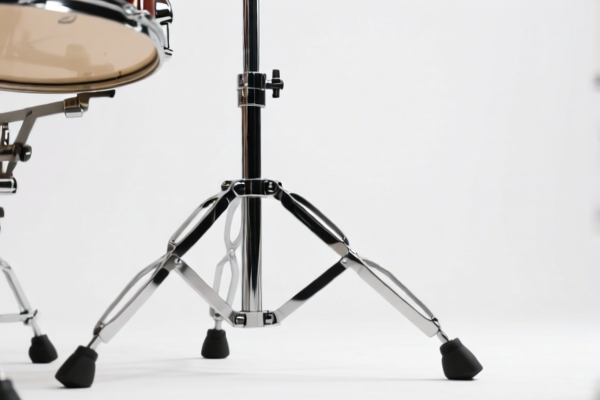
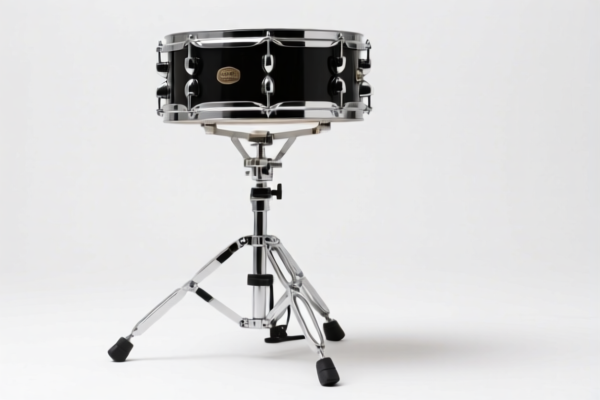
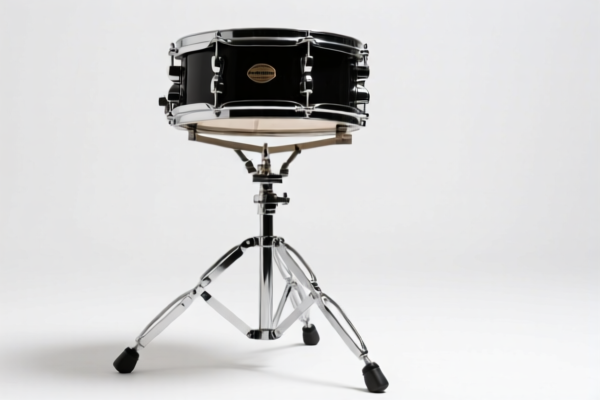
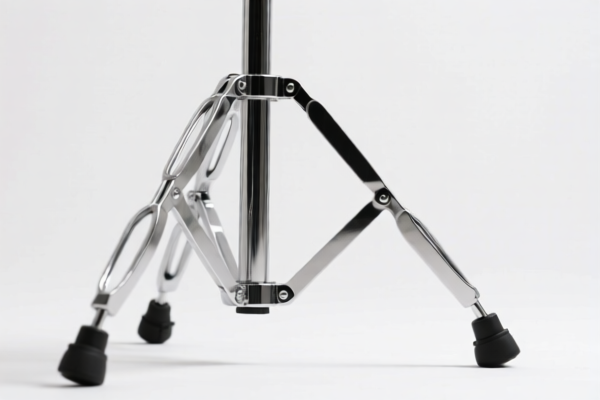
AI Analysis
🥁 Cymbal Stand (Cymbal Stand)
🌐 HS Code Reference & Clearance Guide | 2024 Latest Tariff Analysis | Professional Clearance Strategy
📌 1. Product Definition & Classification: Do You Really Understand “Cymbal Stands”?
A Cymbal Stand is a crucial hardware component for percussion instruments, specifically designed to hold cymbals (such as crash, ride, or hi-hat cymbals) at a specific height and angle during musical performance. In international trade, its classification depends heavily on its structural function and material composition.
There are two main approaches to classifying cymbal stands:
1. As Musical Instrument Accessories/Parts (Ch 92):
If the stand is viewed primarily as an integral accessory for the musical instrument (drum set/percussion), it falls under Chapter 92. This includes specific subcategories for "parts and accessories" and "other parts."
2. As General Metal Furniture/Hardware (Ch 94):
If customs authorities view the stand primarily as a metal support structure or "other metal furniture" rather than a specific musical instrument part, it may be classified under Chapter 94. This is often a riskier classification due to higher "Section 301" or retaliatory tariffs.
⚠️ Key Distinction Point:
- If it is a standard cymbal stand used in drum kits, it is best classified under Chapter 92 (Musical Instruments) to avoid excessive punitive tariffs.
- If classified under Chapter 94 (Furniture), it triggers massive additional tariffs due to steel/aluminum content.
- Material Inference: Most cymbal stands are made of metal (steel/aluminum). This material triggers specific "122 Clause" and "Section 301" additional duties if not carefully classified.
📦 2. HS Code Classification Details (Based on Provided Data)
The following HS Codes are derived from the provided dataset. Each code represents a different customs interpretation with significantly varying tax implications.
| HS Code | Product Description & Rationale | Total Tax Rate | Key Tariff Components |
|---|---|---|---|
9206.00.40.00 |
Cymbal Stand as Percussion Accessory Rationale: Classified as an accessory for cymbals (percussion instruments). No material conflict. |
17.5% | Base: 0% Add-on: 7.5% 122 Clause: 10% |
9209.99.80.00 |
Instrument Accessory (Stand Type) Rationale: Classified as an "instrument accessory/stand." Material inferred as metal. |
22.8% | Base: 5.3% Add-on: 7.5% 122 Clause: 10% |
9209.94.40.00 |
Foldable Instrument Stand Rationale: Classified as a foldable instrument stand. Material inferred as metal. |
15.7% | Base: 5.7% Add-on: 0% 122 Clause: 10% |
9403.20.00.90 |
Metal Stand/Furniture Part Rationale: Classified as a metal furniture part/support. |
85.0% | Base: 0% Add-on: 25% 122 Clause: 10% Steel/Al Cu: +50% |
9403.20.00.50 |
Metal Furniture (Cymbal Stand) Rationale: Classified as other metal furniture based on material (metal) and form (support). |
85.0% | Base: 0% Add-on: 25% 122 Clause: 10% Steel/Al Cu: +50% |
🔍 Critical Warning:
- The difference between 15.7% and 85.0% is massive.
- Codes9403.20.00.50and9403.20.00.90incur a 50% additional tariff for steel/aluminum/copper products, which explains the 85% total rate.
- Codes under 9209 are generally safer for musical instrument parts but still carry some base and "122 Clause" duties.
💰 3. Detailed Tariff Rate Analysis (2024)
✅ Target Market: United States (US)
✅ Origin: China (CN)
✅ Applicable Rules: Section 301, Section 232 (if applicable), and 122 Clauses.
🎯 1. 9206.00.40.00 – Cymbal Stand (Percussion Accessory)
| Item | Detail |
|---|---|
| Base Duty | 0% |
| Section 301 Add-on | 7.5% |
| 122 Clause Duty | 10% |
| Total Effective Rate | 17.5% |
| Calculation | CIF Value × 17.5% |
| De Minimis Eligibility | ❌ No (Section 301 and 122 duties apply regardless of value) |
| Legal Basis | Chapter 92 (Musical Instruments) → Accessory classification |
📌 Explanation:
- This is the most favorable classification for a cymbal stand.
- It avoids the "Metal Furniture" punitive tariffs.
- The "122 Clause" (10%) is a specific retaliatory measure that applies to many Chinese-origin goods.
🎯 2. 9209.99.80.00 – Instrument Accessory (Stand)
| Item | Detail |
|---|---|
| Base Duty | 5.3% |
| Section 301 Add-on | 7.5% |
| 122 Clause Duty | 10% |
| Total Effective Rate | 22.8% |
| Calculation | CIF Value × 22.8% |
| De Minimis Eligibility | ❌ No |
📌 Explanation:
- Slightly higher than9206due to the 5.3% base duty.
- Still significantly cheaper than the Chapter 94 options.
🎯 3. 9209.94.40.00 – Foldable Instrument Stand
| Item | Detail |
|---|---|
| Base Duty | 5.7% |
| Section 301 Add-on | 0% |
| 122 Clause Duty | 10% |
| Total Effective Rate | 15.7% |
| Calculation | CIF Value × 15.7% |
| De Minimis Eligibility | ❌ No |
📌 Explanation:
- Lowest Tax Rate in the provided data.
- Condition: Must be classified specifically as a "foldable stand." If your stand is not foldable, this code may be rejected by customs, leading to reclassification and penalties.
- Key Advantage: No Section 301 add-on (0%), only base + 122 clause.
🎯 4. 9403.20.00.90 & 9403.20.00.50 – Metal Furniture/Stand
| Item | Detail |
|---|---|
| Base Duty | 0% |
| Section 301 Add-on | 25% |
| 122 Clause Duty | 10% |
| Steel/Al/Cu Penalty | 50% |
| Total Effective Rate | 85.0% |
| Calculation | CIF Value × 85.0% |
| De Minimis Eligibility | ❌ No |
📌 Explanation:
- Extremely High Cost.
- The 50% penalty is applied because the stand is made of metal (steel/aluminum) and is classified as "furniture."
- Strong Recommendation: Avoid this classification unless no musical instrument classification is possible.
🛠️ 4. Clearance Practical Advice (Pitfall Avoidance Guide)
✅ 1. Preparation Checklist (Non-negotiable)
| Document | Required | Notes |
|---|---|---|
| ✅ Product Specifications | ✔️ | Detail dimensions, weight, max load, foldability. |
| ✅ Material Certificate | ✔️ | Specify alloy type (e.g., Chrome-plated Steel). Avoid vague terms like "metal." |
| ✅ Photos (Labeled) | ✔️ | Show full stand, folded state (if applicable), and brand/logo. |
| ✅ Commercial Invoice | ✔️ | Description: "Cymbal Stand for Drum Set" (Not "Metal Stand" or "Furniture"). |
| ✅ Packing List | ✔️ | Ensure stand is not separated from cymbals if sold as a kit (though usually sold separately). |
| ✅ Country of Origin | ✔️ | Must be clearly marked "Made in China" if applicable. |
✅ 2. Declaration Strategy (Golden Rules)
🔥 "Call it an Instrument Part, Not Furniture! Specify Foldability!"
| Scenario | Correct Declaration | Risk if Wrong |
|---|---|---|
| Standard Cymbal Stand | HS: 9206.00.40.00 or 9209.99.80.00Name: "Cymbal Stand" |
Misclassified as 9403 → 85% Tax |
| Foldable Cymbal Stand | HS: 9209.94.40.00Name: "Foldable Cymbal Stand" |
Best option for cost saving (15.7%) |
| Stand + Cymbals Kit | HS: 9206.00.40.00Name: "Cymbal and Stand Set" |
Ensure primary character is percussion accessory |
| Non-Metal Stand (Wood/Plastic) | HS: 9206 or 9209Name: "Cymbal Stand (Non-Metal)" |
Avoids the 50% metal penalty |
✅ 3. Special Cases
| Situation | Advice |
|---|---|
| OEM/Custom Branded | Provide authorization letters to prove genuine instrument accessory use. |
| Stands Sold Separately | Clearly declare as "Instrument Accessory." Do not list as "Home Furniture." |
| High-Value Touring Stands | Consider 9209.94.40.00 if foldable to save 7.3% vs. 9206. |
| Misclassification Risk | If customs insists on 9403, provide technical diagrams showing it is exclusively for musical instruments. |
🌍 5. Global Market Comparison (2024/2025)
| Country/Region | Recommended HS Code | Estimated Duty (China Origin) | Notes |
|---|---|---|---|
| 🇺🇸 USA | 9209.94.40.00 (if foldable) or 9206.00.40.00 |
15.7% - 17.5% | Avoid 9403 (85%). 122 Clause applies. |
| 🇪🇺 EU | 9209.99.80 |
~4-6% | No Section 301. Lower base rates. |
| 🇨🇳 China | 9209.99.80 |
~5-6% | Standard import duty. |
| 🇬🇧 UK | 9209.99.80 |
~4-6% | Post-Brexit rules apply. |
| 🇨🇦 Canada | 9209.99.80 |
~0-5% | CUSMA may apply for non-Chinese origins. |
📌 Conclusion:
- The USA is the most challenging market due to additional tariffs (Section 301, 122 Clause).
- Foldable stands (9209.94.40.00) offer the best tariff savings in the US.
- Never classify as "Metal Furniture" unless absolutely necessary.
📌 6. Common Errors & Pitfalls (Lessons Learned)
❌ Error 1: Declaring as "Metal Stand" or "Support Hardware"
👉 Result: Customs classifies as 9403.20.00.90 → 85% Tax.
💡 Fix: Always use "Cymbal Stand" or "Drum Hardware."
❌ Error 2: Ignoring "Foldability"
👉 Result: Missed opportunity for 9209.94.40.00 (15.7%) → Paying 22.8% or 17.5%.
💡 Fix: If foldable, explicitly declare "Foldable Cymbal Stand."
❌ Error 3: Material Ambiguity
👉 Result: Customs assumes steel → Applies 50% metal penalty under Chapter 94.
💡 Fix: Provide material certificates. Even if metal, keep it in Chapter 92.
❌ Error 4: Missing "122 Clause" Awareness
👉 Result: Unexpected 10% duty surprise.
💡 Fix: Budget for the 10% 122 Clause duty for all China-origin musical instrument parts in the US.
✅ Correct Declaration Example:
"Cymbal Stand, Foldable, Chrome-plated Steel, for Drum Set, Model X100, Origin: China"
HS Code:9209.94.40.00→ Tax: 15.7%
🎯 7. Conclusion: Precision Classification Saves Money!
🎯 Key Takeaways:
🔹 "Foldable is King": If your stand is foldable, use
9209.94.40.00(15.7%).
🔹 "Instrument, Not Furniture": Always classify under Chapter 92 to avoid the 85% trap.
🔹 "Expect 10% Extra": The 122 Clause duty is unavoidable for China-origin goods in the US.
📌 Pro Tip:
If you have a large shipment, consider applying for a Pre-Ruling from US Customs (CBP) to confirm your HS Code. This protects you from retroactive penalties.
📣 Immediate Action:
📞 Contact your freight forwarder with the exact product name "Cymbal Stand" and highlight "Foldable" if applicable.
🚀 Ensure your commercial invoice matches the HS Code declaration precisely.
✨ Professional clearance starts with accurate classification!
💼 Every percentage point saved is pure profit!
Customer Reviews
About HS Code Classification
The Harmonized System (HS) is an internationally standardized nomenclature developed by the World Customs Organization (WCO) to classify traded products. Over 200 countries use the HS system as the basis for customs tariffs, trade statistics, and import/export regulations.
Each HS code follows a hierarchical structure:
- Chapter (2 digits) — Broad category of goods (e.g., Chapter 84: Machinery and Mechanical Appliances)
- Heading (4 digits) — More specific grouping within the chapter
- Subheading (6 digits) — Internationally standardized breakdown, used by all WCO member countries
- National subdivisions (8-10 digits) — Country-specific extensions for further classification, such as US HTSUS 10-digit codes
Correct HS code classification is essential for smooth customs clearance, accurate duty payment, and compliance with trade regulations. Misclassification can lead to customs delays, overpayment of duties, or penalties.
When importing from CN to US, the applicable tariff rates may include:
- Most-Favored-Nation (MFN) rate — The standard duty rate applied to WTO members
- General rate — Applied to countries without trade agreements
- Trade remedy duties — Additional tariffs such as Section 301 (anti-dumping), Section 232 (national security), or countervailing duties
The information provided on this page is for reference purposes only. For official classification, please consult with your local customs authority or a licensed customs broker.