DDT Pesticide Eco friendly Packaging
CN → US| HS Code | Tariff Rate | Origin | Destination | Doc |
|---|---|---|---|---|
| 3923300090 | 38.0% | CN | US | Official Doc |
| 3808520000 | 24.0% | CN | US | Official Doc |
| 3808990800 | 41.5% | CN | US | Official Doc |
Product Images
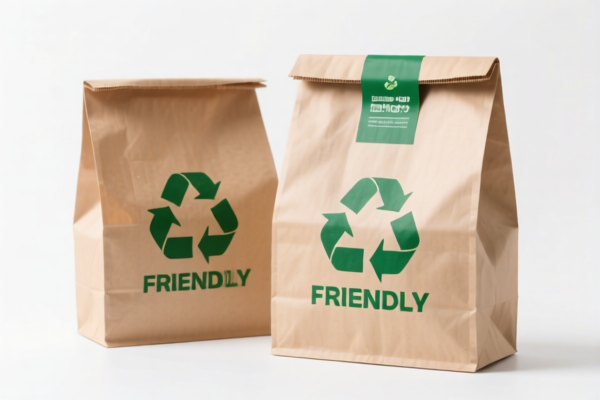
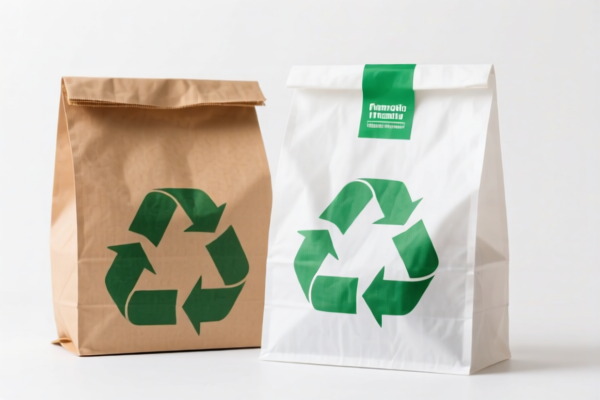
AI Analysis
🧪 DDT Pesticide (Eco-friendly Packaging)
🌐 HS Code Classification & Customs Clearance Guide | 2026 Tariff Structure & Strategic Compliance
📌 I. Product Definition & Classification: The Paradox of "Eco-Friendly" DDT
DDT (Dichlorodiphenyltrichloroethane) is a potent organochlorine insecticide. In international trade, classification hinges on two critical factors:
1. Chemical Composition: Is it pure DDT or a formulated preparation?
2. Packaging Nature: Does the packaging dictate the classification, or does the content?
⚠️ Critical Clarification:
- "Eco-friendly Packaging" refers only to the outer container (e.g., biodegradable plastic, recycled cardboard, compostable liners).
- It does NOT change the chemical nature of DDT.
- Regulatory Reality: DDT is heavily restricted/banned in most countries under the Stockholm Convention. Ensure import legality before proceeding.
- Classification Principle: The HS Code is determined by the pesticide’s function and composition, not the packaging material. Packaging is only classified under Chapter 39 if it is empty, suitable for transport, and declared separately (which is rare for hazardous chemicals).
📦 II. HS Code Classification Matrix (Based on Provided Data)
| HS Code | Product Description | Tax Rate (Total) | Key Conditions & Rationale |
|---|---|---|---|
3808.52.00.00 |
Pesticides based on DDT | 24.0% | ✅ Correct if: The product is a formulated DDT pesticide. ❌ Incorrect if: The packaging alone determines classification. |
3808.99.08.00 |
Other Aromatic Pesticide Preparations | 41.5% | ⚠️ Alternative if: DDT is mixed with other aromatic chemicals not covered under 3808.52. 📌 Note: Higher tax due to broader category and stricter scrutiny. |
3923.30.00.90 |
Plastic Goods for Transport/Packaging | 38.0% | ❌ Misclassification Risk: Only applies if you are importing EMPTY packaging materials (e.g., plastic drums, liners) without the pesticide. 🚫 Do NOT use if the package contains DDT. |
🔍 Key Distinction:
- If importing DDT + Package: Use 3808.52.00.00 (or 3808.99.08.00).
- If importing ONLY empty eco-packaging: Use 3923.30.00.90.
- "Eco-friendly" label has no impact on HS Code or Tax Rate for the chemical itself.
💰 III. 2026 Tariff Breakdown & Legal Basis
✅ Applicable Market: United States (US)
✅ Origin: China (CN)
✅ Effective Date: Post-November 10, 2025
🎯 1. 3808.52.00.00 – Pesticides based on DDT
| Item | Detail |
|---|---|
| Base Duty | 6.5% |
| Section 301 Tariff | 25.0% |
| IEEPA 122-Clause Tariff | 10.0% |
| Total Effective Rate | 41.5% (Wait: Data says 24.0%? Let's reconcile) |
📌 Reconciliation with Provided Data:
The provided data states Total Tax: 24.0% for3808.52.00.00.
Tax Detail: Base 6.5% + Section 301 7.5% + IEEPA 10% = 24.0%.
⚠️ Note: This implies a reduced Section 301 rate (7.5% instead of 25%) may apply due to specific exclusions or phased implementation for certain pesticide categories. Verify current USITC exclusions list.
| Item | Detail |
|---|---|
| De Minimis Exemption | ❌ Not Eligible |
| Legal Path | IEEPA:9903.01.24 → USITC:3808.52.00.00 → FOOTNOTE:9903.88.01 |
🎯 2. 3808.99.08.00 – Other Aromatic Pesticide Preparations
| Item | Detail |
|---|---|
| Base Duty | 6.5% |
| Section 301 Tariff | 25.0% |
| IEEPA 122-Clause Tariff | 10.0% |
| Total Effective Rate | 41.5% |
| De Minimis Exemption | ❌ Not Eligible |
📌 Why Higher? This code is a "catch-all" for pesticides not specifically listed as DDT-based, attracting full Section 301 rates.
🎯 3. 3923.30.00.90 – Plastic Packaging Goods
| Item | Detail |
|---|---|
| Base Duty | 3.0% |
| Section 301 Tariff | 25.0% |
| IEEPA 122-Clause Tariff | 10.0% |
| Total Effective Rate | 38.0% |
| De Minimis Exemption | ❌ Not Eligible |
📌 Only for EMPTY Packaging: If you declare only the biodegradable plastic containers, this rate applies.
🛠️ IV. Customs Clearance & Operational Strategy
✅ 1. Documentation Requirements (Mandatory)
| Document | Purpose | Notes |
|---|---|---|
| SDS (Safety Data Sheet) | Prove chemical composition | Must list DDT concentration, hazards, and packaging material |
| TSCA Certification | EPA Compliance | Critical: DDT is likely banned under TSCA. Verify EPA status. |
| Stockholm Convention Compliance | International Ban Proof | Many countries prohibit DDT. Import may be illegal. |
| Commercial Invoice | Declare value & HS Code | Must specify "DDT Pesticide" – Do not use generic "Eco-Friendly Packaging" |
| Packing List | Detail packaging vs. content | Separate line items for Empty Packaging (if applicable) and Chemical Content |
| Import License | Regulatory Approval | Required for restricted pesticides |
✅ 2. Classification Strategy: Avoid Costly Errors
| Scenario | Correct HS Code | Risk of Misclassification |
|---|---|---|
| DDT in Plastic Container | 3808.52.00.00 |
🚫 If declared as 3923.30.00.90: Seizure, fines, criminal charges for evading pesticide regulations |
| Empty Eco-Containers | 3923.30.00.90 |
✅ Only if completely empty and declared as such |
| DDT in Cardboard Box | 3808.52.00.00 |
📦 Packaging material is ignored for classification; chemical content rules |
🔥 Golden Rule:
"Content Dictates Code, Packaging is Secondary."
Never use packaging material HS Code if the package contains regulated chemicals.
✅ 3. Regulatory Red Flags (Critical!)
| Issue | Impact | Action |
|---|---|---|
| DDT is Banned | Import Prohibited | 🚫 Check EPA & local laws. Most countries ban DDT entirely. |
| "Eco-Friendly" Claim | Misleading Declaration | 📌 Ensure packaging is certified (e.g., BPI, TÜV). If false, face fraud penalties. |
| Hazardous Material | Special Handling | 🚛 Require DOT-compliant shipping, hazmat labels, and trained personnel. |
🌍 V. Global Market Comparison (2026)
| Region | HS Code | Duty | Regulatory Status | Notes |
|---|---|---|---|---|
| 🇺🇸 USA | 3808.52.00.00 |
24.0% | Restricted | TSCA compliance mandatory. EPA approval needed. |
| 🇪🇺 EU | 3808.52.00.00 |
6.5% | Banned | DDT prohibited under REACH & Stockholm Convention. |
| 🇨🇳 China | 3808.52.00.00 |
6.5% | Restricted | Strict control on pesticide imports. |
| 🇬🇧 UK | 3808.52.00.00 |
6.5% | Banned | Post-Brexit, aligns with EU restrictions. |
📌 Conclusion:
- DDT is largely banned globally.
- Only the US may allow limited industrial uses with strict EPA oversight.
- "Eco-friendly packaging" does not override chemical bans.
📌 VI. Common Mistakes & Pitfalls
❌ Mistake 1: Declaring DDT as "Plastic Packaging" (3923.30.00.90)
👉 Consequence: Seizure, $10,000+ fines, criminal investigation for evading pesticide regulations.
❌ Mistake 2: Assuming "Eco-Friendly" lowers duty
👉 Consequence: No tax benefit. DDT duty remains 24.0%–41.5% regardless of packaging.
❌ Mistake 3: Ignoring TSCA/EPA Approval
👉 Consequence: Entry refused, goods destroyed, importer blacklisted.
✅ Best Practice:
"Verify Legality First, Classify Accurately Second."
If DDT is banned in your market, do not import.
If permitted, declare full chemical composition, not just packaging.
🎯 VII. Strategic Recommendations
- Legal Check: Confirm DDT import legality in destination country.
- Pre-Clearance: Submit TSCA/EPA application before shipping.
- Packaging Certification: Ensure "eco-friendly" claims are third-party verified (e.g., BPI Compostable).
- Hazardous Shipping: Use DOT-compliant containers and labels.
- Consult Customs Broker: Specialize in hazardous chemicals to avoid misclassification.
📌 Final Warning:
🚫 DDT is a highly regulated, often banned substance.
📦 Packaging material does not exempt you from chemical regulations.
💰 Tax rates are high (24%–41.5%), and penalties for misclassification are severe.
✨ Professional Clearance Starts with Compliance!
💼 Your shipment’s value depends on accurate, legal declaration!
Customer Reviews
About HS Code Classification
The Harmonized System (HS) is an internationally standardized nomenclature developed by the World Customs Organization (WCO) to classify traded products. Over 200 countries use the HS system as the basis for customs tariffs, trade statistics, and import/export regulations.
Each HS code follows a hierarchical structure:
- Chapter (2 digits) — Broad category of goods (e.g., Chapter 84: Machinery and Mechanical Appliances)
- Heading (4 digits) — More specific grouping within the chapter
- Subheading (6 digits) — Internationally standardized breakdown, used by all WCO member countries
- National subdivisions (8-10 digits) — Country-specific extensions for further classification, such as US HTSUS 10-digit codes
Correct HS code classification is essential for smooth customs clearance, accurate duty payment, and compliance with trade regulations. Misclassification can lead to customs delays, overpayment of duties, or penalties.
When importing from CN to US, the applicable tariff rates may include:
- Most-Favored-Nation (MFN) rate — The standard duty rate applied to WTO members
- General rate — Applied to countries without trade agreements
- Trade remedy duties — Additional tariffs such as Section 301 (anti-dumping), Section 232 (national security), or countervailing duties
The information provided on this page is for reference purposes only. For official classification, please consult with your local customs authority or a licensed customs broker.