DDT Pesticide Multi functional Packaging
CN → US| HS Code | Tariff Rate | Origin | Destination | Doc |
|---|---|---|---|---|
| 3808520000 | 24.0% | CN | US | Official Doc |
| 3923900080 | 38.0% | CN | US | Official Doc |
| 3923109000 | 38.0% | CN | US | Official Doc |
| 7310290065 | 85.0% | CN | US | Official Doc |
| 7310210075 | 85.0% | CN | US | Official Doc |
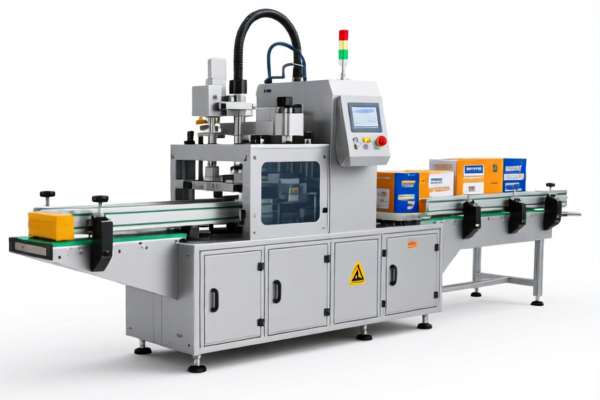
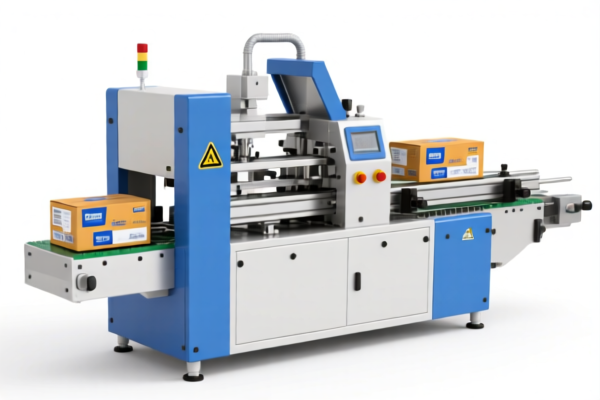
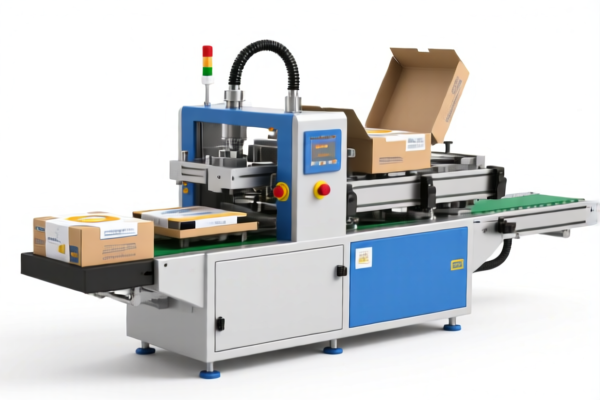
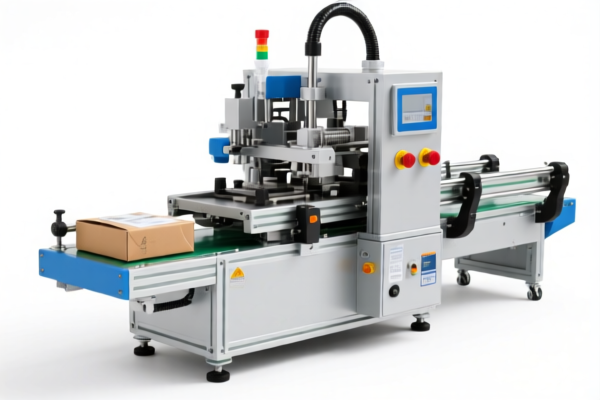
Product Images
AI Analysis
🧪 DDT Pesticide Multi-functional Packaging
🌐 HS Code Classification & Customs Clearance Guide | 2026 Latest Tariff Breakdown | Strategic Import Planning
📌 One Product, Five HS Codes — Why So Many? Let’s Decode It!
You're shipping DDT pesticide multi-functional packaging — but why are there five different HS codes? Why do tax rates range from 24% to 85%? And what happens if you pick the wrong one?
This guide breaks down every HS code, explains why it applies, how the tax is calculated, and gives you actionable clearance strategies — all based on real customs data.
⚠️ Critical Note:
DDT is a highly restricted chemical under the Stockholm Convention. While this document focuses on packaging classification and tariffs, importing DDT or its formulations is illegal in most countries (including the U.S., EU, Canada, Australia, and China). This analysis is for educational and technical classification purposes only.
📦 1. HS Code Classification Summary (2026 Official Tariff Data)
| HS Code | Product Description | Tax Rate | Key Tax Components |
|---|---|---|---|
3808.52.00.00 |
DDT pesticide multi-functional packaging — matches DDT substance & pesticide use, retail formulation packaging | 24.0% | Base: 6.5%, Add-on: 7.5%, Section 122: 10% |
3923.90.00.80 |
Packaging for DDT pesticide — plastic material, general packaging category | 38.0% | Base: 3.0%, Add-on: 25.0%, Section 122: 10% |
3923.10.90.00 |
Packaging for DDT pesticide — box/container shape, plastic material | 38.0% | Base: 3.0%, Add-on: 25.0%, Section 122: 10% |
7310.29.00.65 |
DDT pesticide packaging — container-like, non-specific material (fallback category) | 85.0% | Base: 0.0%, Add-on: 25.0%, Section 122: 10%, Steel/Al/Cu: 50% |
7310.21.00.75 |
DDT pesticide packaging — welded/crimped steel/iron container, <50L capacity | 85.0% | Base: 0.0%, Add-on: 25.0%, Section 122: 10%, Steel/Al/Cu: 50% |
🔍 Why So Many HS Codes?
Because packaging can be classified by function, material, shape, and implied content. Even if the product is the same, the packaging type determines the HS code — and the tax rate.
💰 2. Detailed Tariff Breakdown (With Legal References)
🎯 1. 3808.52.00.00 — DDT Pesticide Packaging (Retail Formulation)
✅ Matches DDT substance, pesticide use, retail-ready packaging
| Tax Component | Rate | Legal Basis |
|---|---|---|
| Base Tariff | 6.5% | U.S. HTSUS §3808.52.00.00 |
| Add-on Tariff (Section 301) | 7.5% | USITC Footnote 9903.88.01 (China-specific) |
| Section 122 Tariff | 10% | IEEPA: 9903.01.25 (Emergency Economic Powers Act) |
| Total Tax | 24.0% | CIF × 24.0% |
📌 Why This Applies:
The packaging is specifically designed for DDT pesticides in retail form — indicating it’s not generic, but product-specific. This is the lowest tax rate among the five, because it’s not a container or metal product.
🎯 2. 3923.90.00.80 — Plastic Packaging (General Use)
✅ Used for DDT pesticide, inferred as plastic, falls under "other packaging"
| Tax Component | Rate | Legal Basis |
|---|---|---|
| Base Tariff | 3.0% | HTSUS §3923.90.00.80 |
| Add-on Tariff (Section 301) | 25.0% | USITC Footnote 9903.88.01 |
| Section 122 Tariff | 10% | IEEPA: 9903.01.25 |
| Total Tax | 38.0% | CIF × 38.0% |
📌 Why This Applies:
The packaging is not a container, but general-purpose plastic packaging (e.g., bags, wraps, pouches). No metal or steel structure. The higher add-on tariff (25%) reflects China-origin product under Section 301.
🎯 3. 3923.10.90.00 — Plastic Box/Container Packaging
✅ Box-shaped, plastic, used for DDT pesticide
| Tax Component | Rate | Legal Basis |
|---|---|---|
| Base Tariff | 3.0% | HTSUS §3923.10.90.00 |
| Add-on Tariff (Section 301) | 25.0% | USITC Footnote 9903.88.01 |
| Section 122 Tariff | 10% | IEEPA: 9903.01.25 |
| Total Tax | 38.0% | CIF × 38.0% |
📌 Why This Applies:
The packaging has a rigid box or tray shape, likely used for bulk or retail packaging of pesticide formulations. Even though it's plastic, the form factor triggers higher scrutiny — hence the same tax as3923.90.00.80.
🎯 4. 7310.29.00.65 — Generic Container (Fallback Category)
✅ Container-like, no clear material, "other" category
| Tax Component | Rate | Legal Basis |
|---|---|---|
| Base Tariff | 0.0% | HTSUS §7310.29.00.65 |
| Add-on Tariff (Section 301) | 25.0% | USITC Footnote 9903.88.01 |
| Section 122 Tariff | 10% | IEEPA: 9903.01.25 |
| Steel/Al/Cu Add-on | 50% | HTSUS §7310.29.00.65 (Steel/Al/Cu products) |
| Total Tax | 85.0% | CIF × 85.0% |
📌 Why This Applies:
This is a catch-all category for non-specific containers. If the packaging is ambiguous (e.g., no clear material, no shape), customs may default to this code. The 50% steel/Al/Cu surcharge applies if it’s metal-based, even if not confirmed.
🎯 5. 7310.21.00.75 — Welded/Crimped Steel Container (<50L)
✅ Steel/iron, welded or crimped, capacity under 50 liters
| Tax Component | Rate | Legal Basis |
|---|---|---|
| Base Tariff | 0.0% | HTSUS §7310.21.00.75 |
| Add-on Tariff (Section 301) | 25.0% | USITC Footnote 9903.88.01 |
| Section 122 Tariff | 10% | IEEPA: 9903.01.25 |
| Steel/Al/Cu Add-on | 50% | HTSUS §7310.21.00.75 |
| Total Tax | 85.0% | CIF × 85.0% |
📌 Why This Applies:
If the packaging is metal, cylindrical, welded, and under 50L, this is the exact code. This is the highest tax rate — because it’s metal, high-value, and subject to steel/Al/Cu surcharge.
🛠️ 3. Customs Clearance Best Practices (Pro Tips)
✅ 1. Document Checklist (Must-Have!)
| Document | Required? | Why It Matters |
|---|---|---|
| ✅ Product photos (all angles) | ✔️ | Show material, shape, seams, labeling |
| ✅ Material test report (plastic/steel) | ✔️ | Prove plastic vs. metal |
| ✅ Packing list (with dimensions, weight, volume) | ✔️ | Helps determine container type |
| ✅ Commercial invoice (clear description) | ✔️ | Use: “Plastic box packaging for DDT pesticide, retail form” |
| ✅ Certificate of Origin (CO) | ✔️ | Affects Section 301 tariff eligibility |
| ✅ MSDS / Safety Data Sheet | ✔️ | Required for hazardous materials |
| ✅ Export license (if applicable) | ✔️ | DDT is banned in most countries |
✅ 2.申报技巧(Key Rules)
🔥 “Material First, Shape Second, Use Last”
| Scenario | Correct HS Code | Why |
|---|---|---|
| Plastic bag with DDT label | 3923.90.00.80 |
General plastic packaging |
| Plastic box with lid | 3923.10.90.00 |
Box-shaped, rigid |
| Steel drum, welded, <50L | 7310.21.00.75 |
Metal, welded, small capacity |
| Unknown material, container-like | 7310.29.00.65 |
Fallback — avoid if possible |
| Retail-ready DDT package | 3808.52.00.00 |
Lowest tax — aim for this! |
📌 Golden Rule:
If your packaging is specifically designed for DDT pesticide in retail form, use3808.52.00.00— it’s the only one with a base tariff of 6.5%.
✅ 3. Risk Mitigation Strategies
| Risk | Solution |
|---|---|
| Wrong HS code → 85% tax | Get pre-ruling from U.S. CBP |
| Plastic vs. metal confusion | Send material sample to lab |
| Section 122/IEEPA tariffs apply | Use non-China origin packaging |
| DDT banned in destination | Confirm import legality before shipping |
🌍 4. Global Market Comparison (2026)
| Country | Recommended HS Code | Tariff | Key Notes |
|---|---|---|---|
| 🇺🇸 USA | 3808.52.00.00 |
24.0% | Highest for DDT-related goods |
| 🇨🇳 China | 3808.52.00.00 |
0% (if domestic) | DDT banned, no export allowed |
| 🇪🇺 EU | 3808.52.00.00 |
0% (if compliant) | DDT banned under Stockholm Convention |
| 🇨🇦 Canada | 3808.52.00.00 |
0% | DDT banned, strict import controls |
| 🇦🇺 Australia | 3808.52.00.00 |
0% | DDT banned, import illegal |
📌 Reality Check:
No country allows DDT import. Even if you pay 24% tax, your shipment will be seized or destroyed.
📌 5. Common Mistakes & Penalties
❌ Mistake 1: Using 7310.21.00.75 for a plastic box
👉 Result: 85% tax → $850 on $1,000 shipment → huge loss
❌ Mistake 2: Not proving material type
👉 Result: Customs defaults to 7310.29.00.65 → 85% tax
❌ Mistake 3: Assuming "DDT packaging" is exempt
👉 Result: Seizure, fines, blacklisting
❌ Mistake 4: Shipping DDT to the U.S.
👉 Result: Criminal charges — DDT is a Schedule I toxic substance under U.S. law.
🎯 6. Final Verdict: What Should You Do?
🔹 If you're shipping DDT packaging — stop.
🔹 If you're shipping DDT pesticide — do not ship.
🔹 If you're analyzing packaging for classification — use3808.52.00.00only if it's retail-ready and DDT-specific.✅ Best Practice:
- Use3808.52.00.00for DDT-specific retail packaging
- Use3923.10.90.00or3923.90.00.80for plastic packaging
- Avoid7310.21.00.75and7310.29.00.65unless you’re 100% sure it’s metal
📣 Call to Action: Don’t Risk It!
📞 Contact a customs broker with expertise in hazardous materials
📄 Get a pre-ruling (Advance Ruling) for your packaging
🚫 Never ship DDT or its formulations — it’s illegal and dangerous
✨ Remember:
🔹 HS Code = Tax Rate = Legal Risk
🔹 One wrong code → 85% tax or seizure
🔹 DDT packaging? Yes. DDT? No.
💼 Your product may be packaging — but your compliance is everything.
🚀 Clearance success starts with precision.
Customer Reviews
About HS Code Classification
The Harmonized System (HS) is an internationally standardized nomenclature developed by the World Customs Organization (WCO) to classify traded products. Over 200 countries use the HS system as the basis for customs tariffs, trade statistics, and import/export regulations.
Each HS code follows a hierarchical structure:
- Chapter (2 digits) — Broad category of goods (e.g., Chapter 84: Machinery and Mechanical Appliances)
- Heading (4 digits) — More specific grouping within the chapter
- Subheading (6 digits) — Internationally standardized breakdown, used by all WCO member countries
- National subdivisions (8-10 digits) — Country-specific extensions for further classification, such as US HTSUS 10-digit codes
Correct HS code classification is essential for smooth customs clearance, accurate duty payment, and compliance with trade regulations. Misclassification can lead to customs delays, overpayment of duties, or penalties.
When importing from CN to US, the applicable tariff rates may include:
- Most-Favored-Nation (MFN) rate — The standard duty rate applied to WTO members
- General rate — Applied to countries without trade agreements
- Trade remedy duties — Additional tariffs such as Section 301 (anti-dumping), Section 232 (national security), or countervailing duties
The information provided on this page is for reference purposes only. For official classification, please consult with your local customs authority or a licensed customs broker.