DIY Clothing Accessories
CN → US| HS Code | Tariff Rate | Origin | Destination | Doc |
|---|---|---|---|---|
| 7117909000 | 28.5% | CN | US | Official Doc |
| 6217109550 | 32.1% | CN | US | Official Doc |
| 6117809570 | 32.1% | CN | US | Official Doc |
| 6117909095 | 32.1% | CN | US | Official Doc |
| 6217108500 | 24.6% | CN | US | Official Doc |
Product Images
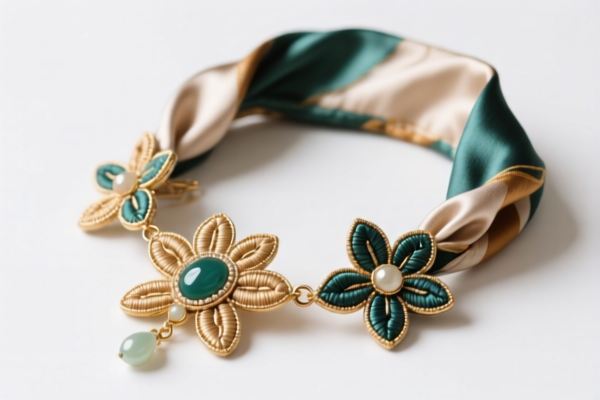
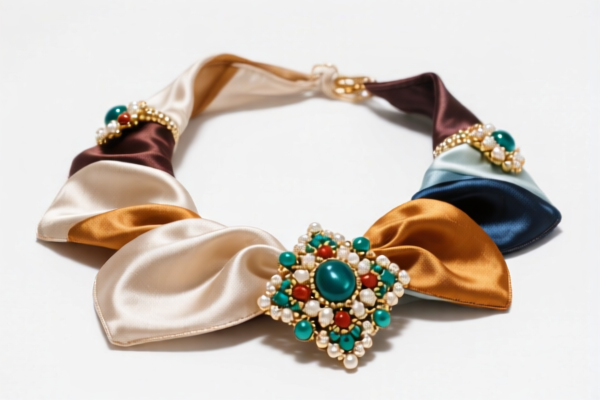
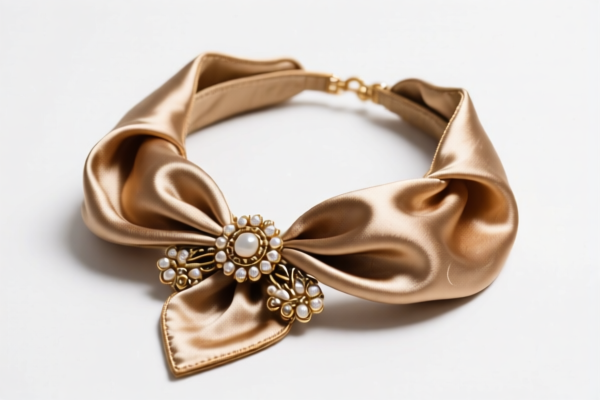
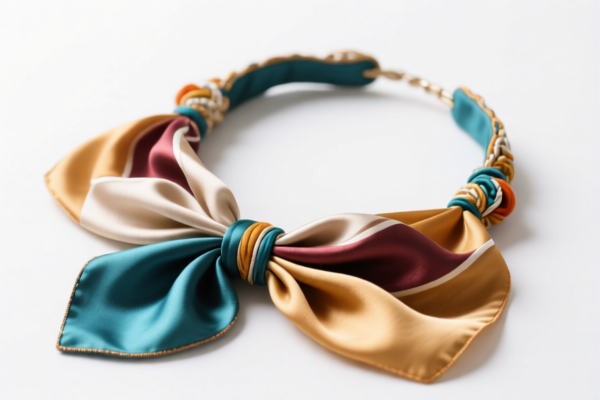
AI Analysis
🧵 DIY Clothing Accessories (Fashion & Garment Add-ons)
🌐 HS Code Reference & Customs Clearance Guide | 2026 Latest Tariff Analysis | Professional Strategy
📌 Part 1: Product Definition & Classification: What Are "DIY Clothing Accessories"?
"DIY Clothing Accessories" refer to decorative or functional components added to garments to enhance aesthetics or utility. In international trade, these are broadly categorized based on material composition and application method.
Key Distinction Criteria: * Material: Are they made of metals, plastics, fabrics, or textiles? * Type: Are they "jewelry-like" (ornamental) or "garment parts" (functional)? * Fabric Base: If textile-based, is it knit or woven? Is it cotton, wool, or other fibers?
⚠️ Critical Classification Logic:
- If the item is ornamental and resembles jewelry (e.g., chains, studs) → Likely Chapter 71 (Articles of Jewelry).
- If the item is functional or decorative textile → Likely Chapter 61/62 (Clothing Accessories).
- "Other" (兜底) Rule: Since the name "DIY Clothing Accessories" is generic, we apply the "Other" category rule. We assume non-preious metal and non-specific fiber unless stated otherwise.
📦 Part 2: HS Code Classification Details (2026 Authority Reference)
Based on the provided data, five potential HS Codes are identified. Each has a specific tax burden due to US trade policies (Section 301 & IEEPA).
| HS Code | Product Description | Classification Logic | Total Tax Rate |
|---|---|---|---|
7117.90.90.00 |
Imitation Jewelry | "Accessories" viewed as ornamental; non-precious metal/plastic materials; fits "Other" fallback for jewelry. | 28.5% |
6217.10.95.50 |
Other Made-up Clothing Accessories | Exact match for "clothing accessories"; no material conflict; applies to general textile/non-textile mix not specified elsewhere. | 32.1% |
6117.80.95.70 |
Other Accessories (Knit/Crochet) | "Garment attachments" with no specific material; assumes non-cotton/wool fine animal hair; knit/crochet base. | 32.1% |
6117.90.90.95 |
Parts of Knitted/Crocheted Accessories | "Garment parts" for knitwear; no material specified; fallback to "Other" for knit accessories. | 32.1% |
6217.10.85.00 |
Other Made-up Clothing Accessories | Match for "garment accessories"; No Section 301 Tariff (0%); lowest tariff option among textile codes. | 24.6% |
🔍 Key Insight:
-7117.90.90.00is for non-precious imitation jewelry.
-6217.10.85.00offers the lowest tax rate (24.6%) because it is exempt from the 7.5% Section 301 tariff.
- The other three textile codes (6217.10.95.50,6117.80.95.70,6117.90.90.95) are subject to the 7.5% Section 301 tariff, pushing their total to 32.1%.
💰 Part 3: 2026 Latest Tariff Rate Breakdown (Including Surcharges)
✅ Applicable Country: United States (US)
✅ Origin: China (CN)
✅ Effective Date: From November 10, 2025 (including subsequent imports)
🎯 1. 7117.90.90.00 —— Imitation Jewelry (Non-Precious Metal/Plastic)
| Item | Detail |
|---|---|
| Base Rate | 11.0% (ad valorem) |
| Section 301 Surcharge | 7.5% |
| Section 122 Surcharge | 10.0% |
| Total Rate | 28.5% |
| Tax Calculation | CIF Value × 28.5% |
| De Minimis Exemption | ❌ No (deny_de_minimis) |
| Legal Path | Section 122:10% → Section 301:7.5% → USITC:7117.90.90.00 |
📌 Explanation:
- This code is used if the accessories are primarily ornamental (e.g., plastic buttons, costume chains) and fit the "imitation jewelry" definition.
- Total 28.5% is high but lower than the standard textile accessory rate if Section 301 applies fully.
🎯 2. 6217.10.95.50 & 6117.80.95.70 & 6117.90.90.95 —— General Clothing Accessories (Textile/Non-Specific)
These three codes share the same tariff structure because they all incur the 7.5% Section 301 tariff.
| Item | Detail |
|---|---|
| Base Rate | 14.6% (ad valorem) |
| Section 301 Surcharge | 7.5% |
| Section 122 Surcharge | 10.0% |
| Total Rate | 32.1% |
| Tax Calculation | CIF Value × 32.1% |
| De Minimis Exemption | ❌ No (deny_de_minimis) |
| Legal Path | Section 122:10% → Section 301:7.5% → USITC:6217/6117 |
📌 Explanation:
- These codes cover woven (6217) and knit/crochet (6117) accessories that do not fall into more specific subheadings.
- The 7.5% Section 301 tariff is the key differentiator here compared to6217.10.85.00.
🎯 3. 6217.10.85.00 —— OPTIMAL CHOICE: Other Made-up Clothing Accessories
| Item | Detail |
|---|---|
| Base Rate | 14.6% (ad valorem) |
| Section 301 Surcharge | 0.0% (Exempt) |
| Section 122 Surcharge | 10.0% |
| Total Rate | 24.6% |
| Tax Calculation | CIF Value × 24.6% |
| De Minimis Exemption | ❌ No (deny_de_minimis) |
| Legal Path | Section 122:10% → USITC:6217.10.85.00 (No Section 301) |
📌 Crucial Advantage:
- This code is exempt from the 7.5% Section 301 tariff.
- Savings: 7.5% lower than the other textile codes.
- Why? Certain "clothing accessories" under this specific 8-digit code are excluded from the highest Section 301 list, making it the most cost-effective classification for generic DIY accessories.
🛠️ Part 4: Customs Clearance Practical Advice (Real-World Pitfalls)
✅ 1. Documentation Checklist (Essential)
| Document | Required | Notes |
|---|---|---|
| ✅ Product Description | ✔️ | Must specify "DIY Clothing Accessories" + Material (e.g., "Plastic Buttons," "Fabric Embroidery"). |
| ✅ Material Composition | ✔️ | Crucial for determining between 7117 (Jewelry) and 6217 (Textile). |
| ✅ Commercial Invoice | ✔️ | Clearly state "Made in China." |
| ✅ Packing List | ✔️ | Separate accessories from main garments if shipped separately. |
| ✅ Photos | ✔️ | Show texture, attachment method, and scale. |
| ✅ HTS Code Justification | ✔️ | Cite 6217.10.85.00 to benefit from 0% Section 301. |
✅ 2. Declaration Strategy (Key Tips)
🔥 "Material Defines Code, Code Defines Cost!"
| Scenario | Recommended HS Code | Why? |
|---|---|---|
| Plastic/Metal Ornamental Pieces | 7117.90.90.00 |
Fits "Imitation Jewelry"; avoids high Section 301 on textiles. |
| General Fabric/Textile Accessories | 6217.10.85.00 |
Lowest Tax (24.6%); exempt from Section 301. |
| Knitted/Crocheted Trim | 6117.80.95.70 or 6117.90.90.95 |
Only if specifically knit/crochet and not covered by 6217. |
| Mixed Materials | 6217.10.85.00 |
Best fallback if textile dominates. |
⚠️ Warning:
- Do NOT use6217.10.95.50if6217.10.85.00is applicable. The 7.5% difference is significant for large volumes.
- Ensure the product is not "jewelry" under Chapter 71 if you want to use the textile codes. If it’s clearly a necklace or bracelet, use7117.90.90.00.
✅ 3. Special Cases
| Case | Advice |
|---|---|
| OEM/Private Label | Provide brand authorization to avoid IP disputes. |
| Small Package (De Minimis) | ❌ No Exemption! Section 122 and Section 301 rules apply even to small shipments. |
| Mixed Shipment (Garments + Accessories) | Declare separately if possible. Accessories may have different rates. |
🌍 Part 5: Global Market Comparison (2026)
| Country | Recommended HS Code | Tax Rate (China Origin) | Notes |
|---|---|---|---|
| 🇺🇸 USA | 6217.10.85.00 |
24.6% | Best option (0% Section 301). |
| 🇺🇸 USA | 6217.10.95.50 |
32.1% | Higher due to 7.5% Section 301. |
| 🇺🇸 USA | 7117.90.90.00 |
28.5% | For imitation jewelry. |
| 🇪🇺 EU | 6217.10.95 |
~10-12% | No Section 301; VAT applies. |
| 🇨🇳 China | 6217.10.95 |
~10% | Domestic trade rules differ. |
📌 Conclusion for US Importers:
- Always prioritize6217.10.85.00for general clothing accessories to save 7.5% in tariffs.
- If the item is clearly jewelry-like, use7117.90.90.00(28.5%) rather than the higher textile rates.
📌 Part 6: Common Mistakes & Pitfalls
❌ Mistake 1: Using 6217.10.95.50 when 6217.10.85.00 is available.
👉 Result: Overpaying 7.5% in Section 301 tariffs.
❌ Mistake 2: Classifying plastic buttons as "textile accessories" without justification.
👉 Result: Customs may reclassify to 7117 (28.5%) or demand higher duty.
❌ Mistake 3: Ignoring Section 122 (10% tariff).
👉 Result: Unexpected 10% surcharge on all Chinese-origin goods, regardless of HS Code.
✅ Correct Practice:
"DIY Clothing Accessories, Plastic & Fabric, Made in China, HTS 6217.10.85.00"
Justify: "Not imitation jewelry, general garment trim, eligible for Section 301 exemption."
🎯 Part 7: Final Recommendation
🎯 Strategy for Cost Savings:
🔹 Priority 1: If your DIY accessories are fabric-based or general trim, declare under
6217.10.85.00.
🔹 Priority 2: If they are plastic/metal ornamental pieces, declare under7117.90.90.00.
🔹 Avoid:6217.10.95.50,6117.80.95.70, and6117.90.90.95unless necessary, due to the 7.5% extra Section 301 tax.
📌 Pro Tip:
Always check the exact material composition. If your "DIY Accessories" include precious metals or stones, they do not qualify for these codes and will face different regulations.
📣 Action Item:
📞 Consult a licensed customs broker to confirm
6217.10.85.00eligibility for your specific product mix.
🚀 Optimize your HS Code, minimize your tariff, maximize your profit!
✨ Precision in Classification = Precision in Profit.
💼 Every percentage point matters in international trade.
Customer Reviews
About HS Code Classification
The Harmonized System (HS) is an internationally standardized nomenclature developed by the World Customs Organization (WCO) to classify traded products. Over 200 countries use the HS system as the basis for customs tariffs, trade statistics, and import/export regulations.
Each HS code follows a hierarchical structure:
- Chapter (2 digits) — Broad category of goods (e.g., Chapter 84: Machinery and Mechanical Appliances)
- Heading (4 digits) — More specific grouping within the chapter
- Subheading (6 digits) — Internationally standardized breakdown, used by all WCO member countries
- National subdivisions (8-10 digits) — Country-specific extensions for further classification, such as US HTSUS 10-digit codes
Correct HS code classification is essential for smooth customs clearance, accurate duty payment, and compliance with trade regulations. Misclassification can lead to customs delays, overpayment of duties, or penalties.
When importing from CN to US, the applicable tariff rates may include:
- Most-Favored-Nation (MFN) rate — The standard duty rate applied to WTO members
- General rate — Applied to countries without trade agreements
- Trade remedy duties — Additional tariffs such as Section 301 (anti-dumping), Section 232 (national security), or countervailing duties
The information provided on this page is for reference purposes only. For official classification, please consult with your local customs authority or a licensed customs broker.