DOT 5.1 Brake Fluid
CN → US| HS Code | Tariff Rate | Origin | Destination | Doc |
|---|---|---|---|---|
| 3819000010 | 41.5% | CN | US | Official Doc |
| 3824992900 | 41.5% | CN | US | Official Doc |
| 3820000000 | 24.0% | CN | US | Official Doc |
| 3819000090 | 41.5% | CN | US | Official Doc |
| 3824999397 | 40.0% | CN | US | Official Doc |
Product Images
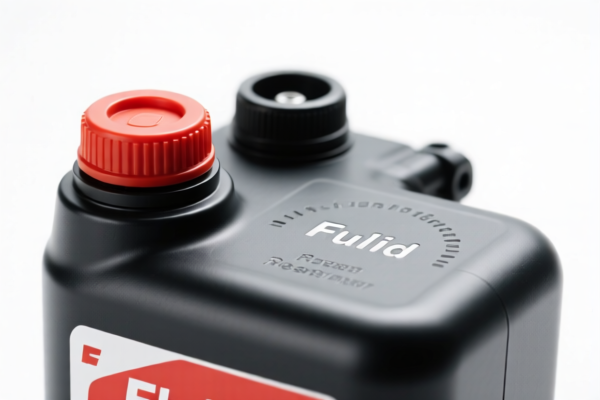
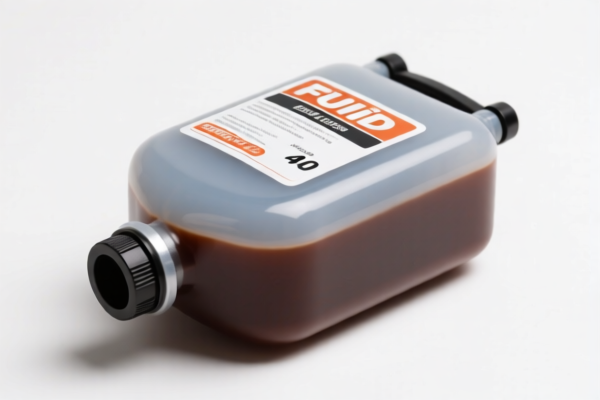
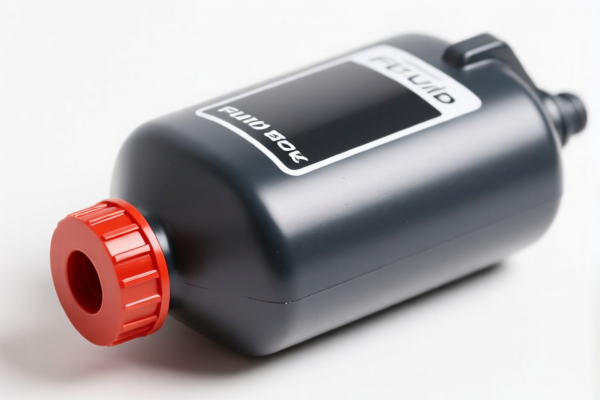

AI Analysis
🚗 DOT 5.1 Brake Fluid (Hydraulic Brake Fluid)
🌐 HS Code Reference & Customs Clearance Guide | 2026 Latest Tariff Analysis | Professional Clearance Strategy
📌 I. Product Definition & Classification: Do You Really Know "DOT 5.1 Brake Fluid"?
DOT 5.1 brake fluid is a high-performance hydraulic brake fluid based on glycol-ether or silicone blends (specifically glycol-ether for DOT 5.1), designed for use in automotive braking systems. It is critical for transmitting force in hydraulic circuits and must withstand high temperatures without boiling.
In international trade, it is classified primarily under Chapter 38 (Miscellaneous Chemical Products), specifically focusing on "prepared lubricants" or "prepared chemical products."
⚠️ Key Distinction Points:
- If it is a hydraulic brake fluid specifically for vehicles → It aligns with Heading 3819 or 3819.00.
- If classified as a general chemical preparation not meeting specific heading definitions → It may fall under 3824 (Prepared binders, etc.).
- DOT 5.1 specifically denotes its viscosity and boiling point standards, making it distinct from DOT 3, DOT 4, or DOT 5 (silicone-based).
📦 II. HS Code Classification Details (2026 Latest Tariff Authority Comparison)
Based on the provided data, here are the potential HS Codes and their corresponding tax implications:
| HS Code | Product Description | Applicability | Total Tax Rate |
|---|---|---|---|
3819.00.00.10 |
Hydraulic brake fluid, meeting the definition and purpose of the classification explanation | Specific to hydraulic brake fluids | 41.5% |
3824.99.29.00 |
Chemical preparations, fitting the category of "chemical products and preparations" | General chemical preparation if not strictly classified as 3819 | 41.5% |
3820.00.00.00 |
Antifreezes and prepared de-icing fluids; liquid preparations for other purposes | Less likely, but considered due to "liquid preparation" attribute | 24.0% |
3819.00.00.90 |
Other hydraulic fluids (including brake fluids) | General "other" hydraulic fluids | 41.5% |
3824.99.93.97 |
Other chemical products/industrial chemicals | Inferred chemical制剂 (preparation) | 40.0% |
🔍 Important Note:
-3819.00.00.10and3819.00.00.90are the most direct classifications for hydraulic brake fluids because Chapter 38.19 explicitly covers "prepared lubricants" and "hydraulic fluids."
-3824codes are fallback categories for chemical preparations that don't fit more specific headings.
-3820.00.00.00is typically for antifreeze/de-icing, so using it for brake fluid is highly risky unless specifically argued as a "liquid preparation for other purposes," but the lower tax rate (24%) makes it attractive yet potentially scrutinized.
💰 III. 2026 Latest Tariff Rate Details (Including Surtaxes, Policy Add-ons)
✅ Applicable Country: United States (US)
✅ Origin: China (CN)
✅ Effective Time: 2025年11月10日起 (from November 10, 2025)
🎯 1. 3819.00.00.10 —— Hydraulic Brake Fluid (Specific)
| Item | Content |
|---|---|
| Base Tariff | 6.5% |
| Section 301 Surtax (25%) | +25.0% |
| Section 122 Tariff | +10.0% |
| Total Tax Rate | 41.5% |
| Calculation | CIF Value × 41.5% |
| De Minimis Exemption | ❌ Not Applicable (deny_de_minimis) |
| Legal Path | Base Tariff → Section 301 → Section 122 |
📌 Explanation:
- Base Tariff 6.5%: Standard MFN rate for hydraulic fluids.
- Section 301 Surtax 25%: Additional duty on Chinese goods under US Trade Law Section 301.
- Section 122 Tariff 10%: Additional duty under Section 122 of the Trade Expansion Act of 1962 (often used for national security reasons, though currently applied in specific contexts).
- Total 41.5%: This is a high tariff, requiring careful cost calculation.
🎯 2. 3824.99.29.00 —— Chemical Preparations (General)
| Item | Content |
|---|---|
| Base Tariff | 6.5% |
| Section 301 Surtax (25%) | +25.0% |
| Section 122 Tariff | +10.0% |
| Total Tax Rate | 41.5% |
| Calculation | CIF Value × 41.5% |
| De Minimis Exemption | ❌ Not Applicable |
| Legal Path | Base Tariff → Section 301 → Section 122 |
📌 Note:
- Same tax structure as 3819.00.00.10.
- Using 3824 might be considered if the product is not strictly defined as "hydraulic fluid" but as a "chemical preparation." However, customs may challenge this if the product is clearly for braking systems.
🎯 3. 3820.00.00.00 —— Liquid Preparations (Lowest Risk/Rate?)
| Item | Content |
|---|---|
| Base Tariff | 6.5% |
| Section 301 Surtax | +7.5% |
| Section 122 Tariff | +10.0% |
| Total Tax Rate | 24.0% |
| Calculation | CIF Value × 24.0% |
| De Minimis Exemption | ❌ Not Applicable |
| Legal Path | Base Tariff → Section 301 (reduced) → Section 122 |
📌 Critical Warning:
- This code offers a significantly lower total tax rate (24.0% vs 41.5%).
- However, the justification must be strong: "DOT 5.1 brake fluid fits the attribute of 'liquid preparations for other purposes' under 3820."
- Risk: Customs may reject this classification as incorrect, leading to audits and penalties. Only use if legal counsel confirms the broader interpretation is acceptable.
🎯 4. 3819.00.00.90 —— Other Hydraulic Fluids
| Item | Content |
|---|---|
| Base Tariff | 6.5% |
| Section 301 Surtax (25%) | +25.0% |
| Section 122 Tariff | +10.0% |
| Total Tax Rate | 41.5% |
| Calculation | CIF Value × 41.5% |
| De Minimis Exemption | ❌ Not Applicable |
| Legal Path | Base Tariff → Section 301 → Section 122 |
📌 Note:
- "Other" category under 3819. Same high tariff as specific hydraulic fluid codes.
🎯 5. 3824.99.93.97 —— Other Chemical Products
| Item | Content |
|---|---|
| Base Tariff | 5.0% |
| Section 301 Surtax (25%) | +25.0% |
| Section 122 Tariff | +10.0% |
| Total Tax Rate | 40.0% |
| Calculation | CIF Value × 40.0% |
| De Minimis Exemption | ❌ Not Applicable |
| Legal Path | Base Tariff → Section 301 → Section 122 |
📌 Note:
- Slightly lower than 3819/3824.99.29.00 (40.0% vs 41.5%).
- Still high, but marginally better. Requires justification as a "chemical product for industrial use."
🛠️ IV. Customs Clearance Practical Advice (Battle-Tested Pitfall Guide)
✅ 1. Documentation Checklist (Non-Negotiable)
| Document | Required | Description |
|---|---|---|
| ✅ Technical Data Sheet (TDS) | ✔️ | Must specify DOT 5.1 compliance, boiling point, viscosity, and chemical composition. |
| ✅ Certificate of Analysis (COA) | ✔️ | Third-party lab test confirming DOT 5.1 standard. |
| ✅ Product Label/Photo | ✔️ | Clear image showing "DOT 5.1" marking, hazard symbols (flammable, corrosive). |
| ✅ Commercial Invoice | ✔️ | Clearly state "DOT 5.1 Hydraulic Brake Fluid," HS Code, and country of origin. |
| ✅ MSDS (SDS) | ✔️ | Safety Data Sheet is mandatory for chemical imports. |
| ✅ Bill of Lading/Air Waybill | ✔️ | Standard shipping documents. |
✅ 2. Declaration Strategy (Key Tips)
🔥 "Declare Correctly, Avoid Penalties!"
| Situation | Correct Declaration | Incorrect Practice |
|---|---|---|
| Standard DOT 5.1 Brake Fluid | 3819.00.00.10 (Hydraulic Brake Fluid) |
Misclassify as 3820 to save tax → High Audit Risk |
| General Chemical Solvent | 3824.99.93.97 |
Claim as Brake Fluid without DOT certification → Rejection |
| Mixed Shipment (Brake Fluid + Other Chemicals) | Split Declaration | Combine into one HS Code → Confusion & Delay |
| Small Samples (<$800) | De Minimis? | ❌ No! Section 301/122 duties often negate de minimis for China. |
✅ 3. Special Considerations
| Scenario | Recommendation |
|---|---|
| DOT 5.1 vs DOT 3/4 | Ensure the label clearly says DOT 5.1. Mislabeling can lead to classification errors. |
| Packaging | Must be in approved hazardous materials packaging if required. |
| Harmonized System Notes | Refer to Chapter 38 Note 1(c): Preparations for other purposes than lubrication may fall under 3824. But brake fluid is explicitly for hydraulic transmission, so 3819 is stronger. |
| Legal Precedent | Consult a customs broker for Advance Ruling if unsure between 3819 and 3820. |
🌍 V. Global Market Comparison (2026 Latest)
| Country/Region | Recommended HS Code | Tariff Rate | Notes |
|---|---|---|---|
| 🇺🇸 USA | 3819.00.00.10 |
41.5% | High due to Section 301 & 122. |
| 🇨🇳 China | 3819.00.00.00 |
~6-9% | Standard import tariff for brake fluid. |
| 🇪🇺 EU | 3819.00 |
~6.5% | No Section 301/122 surcharges. |
| 🇬🇧 UK | 3819.00 |
~6.5% | Post-Brexit tariff regime. |
| 🇯🇵 Japan | 3819.00 |
~5.5% | Low base tariff, no major surcharges. |
📌 Conclusion:
- The US is the most expensive market for Chinese-origin DOT 5.1 brake fluid due to 41.5% total tax.
- Consider supply chain diversification (e.g., sourcing from Vietnam or Mexico) if targeting the US market to avoid Section 301/122 duties.
- EU/UK/Japan offer much more favorable rates (~5-7%).
📌 VI. Common Mistakes & Pitfall Guide (Blood Lessons)
❌ Mistake 1: Classifying DOT 5.1 Brake Fluid as 3820.00.00.00 (Antifreeze) to save 17.5% in tax.
👉 Consequence: Customs audit, reclassification, back taxes, and potential fines.
❌ Mistake 2: Ignoring Section 122 Tariff (10%).
👉 Consequence: Underpayment, leading to penalties and delayed release.
❌ Mistake 3: Using "Chemical Solvent" as the product description.
👉 Consequence: Misdeclaration, leading to refusal of entry or detention.
❌ Mistake 4: Assuming de minimis applies for small shipments from China.
👉 Consequence: No de minimis exemption for Section 301/122 goods from China. All shipments are taxed.
✅ Correct Practice:
"DOT 5.1 Hydraulic Brake Fluid, Glycol-Ether Based, DOT Compliant, Packaged in 1L Bottles, HS Code 3819.00.00.10, Country of Origin: China"
🎯 VII. Conclusion: Professional Declaration, Save Time, Reduce Costs!
🎯 Remember the Golden Rules:
🔹 "DOT 5.1 is Hydraulic Fluid, Use 3819, Avoid 3820 unless you have legal backing!"
🔹 "41.5% Tax is Real, Plan Your Margins, or Source Elsewhere!"
🔹 "No De Minimis for China, Every Dollar is Taxed!"
📌 Pro Tip:
If your DOT 5.1 Brake Fluid is originating from Vietnam, Mexico, or Thailand, you may avoid Section 301/122 duties, reducing the tax rate to just the base tariff (6.5-7.5%).
Recommendation: Apply for Pre-Ruling (Advance Ruling) from CBP if you are unsure about the classification between 3819 and 3824.
📣 Immediate Action:
📞 Contact a Licensed Customs Broker
📄 Provide TDS, MSDS, and Product Photos
🚀 Ensure DOT 5.1 Compliance on Labels
💼 Calculate Total Landed Cost with 41.5% Tax in Mind
✨ Professional Clearance Starts with Accurate Classification!
💼 Every Cent Counts – Get It Right the First Time!
Customer Reviews
About HS Code Classification
The Harmonized System (HS) is an internationally standardized nomenclature developed by the World Customs Organization (WCO) to classify traded products. Over 200 countries use the HS system as the basis for customs tariffs, trade statistics, and import/export regulations.
Each HS code follows a hierarchical structure:
- Chapter (2 digits) — Broad category of goods (e.g., Chapter 84: Machinery and Mechanical Appliances)
- Heading (4 digits) — More specific grouping within the chapter
- Subheading (6 digits) — Internationally standardized breakdown, used by all WCO member countries
- National subdivisions (8-10 digits) — Country-specific extensions for further classification, such as US HTSUS 10-digit codes
Correct HS code classification is essential for smooth customs clearance, accurate duty payment, and compliance with trade regulations. Misclassification can lead to customs delays, overpayment of duties, or penalties.
When importing from CN to US, the applicable tariff rates may include:
- Most-Favored-Nation (MFN) rate — The standard duty rate applied to WTO members
- General rate — Applied to countries without trade agreements
- Trade remedy duties — Additional tariffs such as Section 301 (anti-dumping), Section 232 (national security), or countervailing duties
The information provided on this page is for reference purposes only. For official classification, please consult with your local customs authority or a licensed customs broker.