Daily Cotton Handbag
CN → US| HS Code | Tariff Rate | Origin | Destination | Doc |
|---|---|---|---|---|
| 6307908940 | 17.0% | CN | US | Official Doc |
| 6307909891 | 24.5% | CN | US | Official Doc |
| 4202920805 | 42.0% | CN | US | Official Doc |
| 6305200000 | 23.7% | CN | US | Official Doc |
| 4202224020 | 42.4% | CN | US | Official Doc |
Product Images
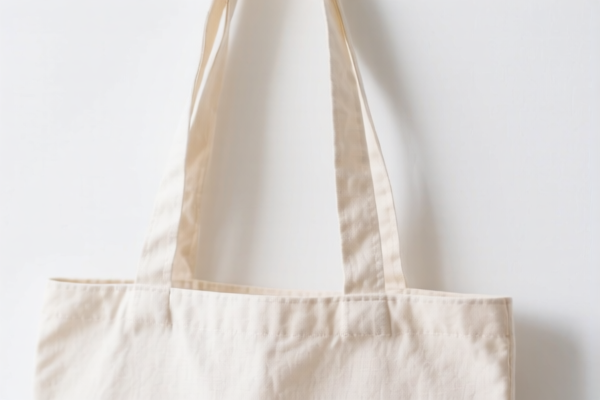
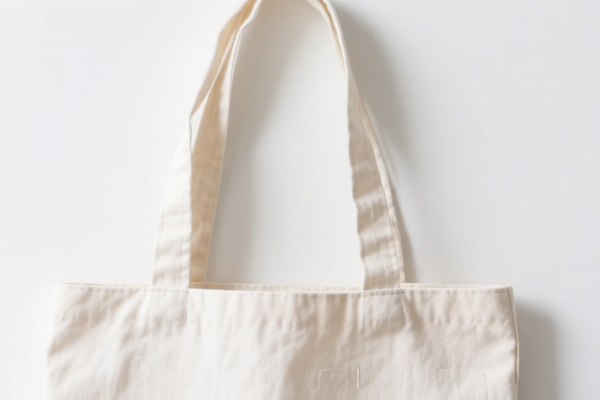
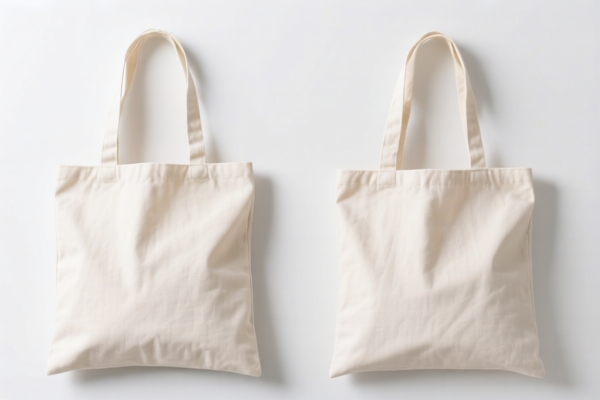
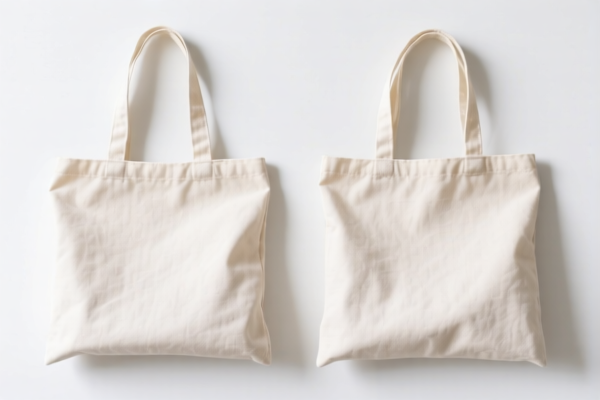
AI Analysis
👜 Daily Cotton Handbag (Cotton Tote/Handbag)
🌐 HS Code Reference & Customs Clearance Guide | 2026 Latest Tariff Analysis | Professional Compliance Strategy
📌 1. Product Definition & Classification: Do You Really Understand the "Cotton Bag"?
A "Daily Cotton Handbag" is a versatile accessory used for carrying personal items. However, in international trade, its classification depends heavily on its specific composition, structure, and function. It is not a single category but splits into different HS codes based on whether it is considered a "textile product" (like a bag/ sack) or a "leather/ fashion accessory" (like a handbag).
⚠️ Key Distinction Point:
- If it is a simple cotton fabric bag without specific leather accessories or rigid structure → Often falls under Chapter 63 (Textile articles) or Chapter 42 (Other made-up goods).
- If it is explicitly designed as a "handbag" or "tote bag" with fashion attributes → Often falls under Chapter 42 (Leather articles/travel goods).
- Crucial Factor: The presence of Section 301 (25%) tariffs vs. Section 122 (10%) tariffs significantly changes the cost.
📦 2. HS Code Classification Details (2026 Latest Tariff Authority Comparison)
| HS Code | Product Description | Application Scenario | Total Tax Rate | Tax Breakdown |
|---|---|---|---|---|
6307.90.89.40 |
Cotton Casual Tote Bag, Material: Cotton, Form: Bag | Simple cotton tote, generic use, no specific fashion structure | 17.0% | Base: 7.0%, Add'l: 0%, Sec 122: 10% |
6307.90.98.91 |
Cotton Casual Tote Bag, Finished Consumer Good, Material: Cotton | Generic cotton bag, considered a finished consumer textile | 24.5% | Base: 7.0%, Add'l: 7.5%, Sec 122: 10% |
4202.92.08.05 |
Cotton Casual Tote Bag, Material: Cotton, Form: Tote Bag | Fashion-oriented tote, classified as "other travel/tote goods" | 42.0% | Base: 7.0%, Add'l: 25.0%, Sec 122: 10% |
6305.20.00.00 |
Pure Cotton Fabric Handbag, Form: Bag, Material: Cotton | Lining or specific textile bag, often misclassified or specific textile use | 23.7% | Base: 6.2%, Add'l: 7.5%, Sec 122: 10% |
4202.22.40.20 |
Pure Cotton Fabric Handbag, Material: Pure Cotton, Form: Handbag | Fashion handbag, classified under "Handbags" with outer surface of textile | 42.4% | Base: 7.4%, Add'l: 25.0%, Sec 122: 10% |
🔍 Key Reminder:
- Section 301 Tariff (25%): Applies heavily to codes under Chapter 42 (4202.xx). These are often classified as "fashion goods" or "handbags," triggering the highest US-China trade war tariffs.
- Section 122 Tariff (10%): Applies to all listed codes. This is a new/additional levy on Chinese goods.
- Base Tariff: Varies from 6.2% to 7.4%.
- Total Tax Range: 17.0% to 42.4%. The difference of 25.4% is due to the Section 301 additional duty.
💰 3. 2026 Latest Tariff Rate Detail (Including Add-on Taxes, Policy Add-ons)
✅ Applicable Country: United States (US)
✅ Origin: China (CN)
✅ Effective Time: 2025-11-10 onwards (Includes subsequent imports)
🎯 1. 6307.90.89.40 —— Cotton Casual Tote Bag (Lowest Tax Strategy)
| Item | Content |
|---|---|
| Base Tariff | 7.0% (ad valorem) |
| USITC Add-on Tax (Section 301) | 0% (Exempt or not applicable to this specific subheading under current rules) |
| Section 122 Add-on Tax | +10% (Targeting Chinese goods) |
| Total Tax Rate | 17.0% |
| Tax Calculation | CIF Value × 17.0% |
| De Minimis Eligibility | ❌ No (Must declare properly) |
| Legal Basis Path | Section 122 → USITC:6307.90.89.40 |
📌 Explanation:
- This code has no Section 301 (25%) tariff, making it the most cost-effective option for cotton totes if the product structure allows.
- It is classified as a "made-up textile article" rather than a "handbag/travel good."
- Strategy: Ensure the product description emphasizes "Casual Tote" and "Textile Bag" rather than "Fashion Handbag."
🎯 2. 6307.90.98.91 —— Cotton Casual Tote Bag (Consumer Good)
| Item | Content |
|---|---|
| Base Tariff | 7.0% |
| USITC Add-on Tax (Section 301) | +7.5% |
| Section 122 Add-on Tax | +10% |
| Total Tax Rate | 24.5% |
| Tax Calculation | CIF Value × 24.5% |
| De Minimis Eligibility | ❌ No |
| Legal Basis Path | Section 122 → USITC:6307.90.98.91 |
📌 Note:
- Higher than the previous code due to the 7.5% Section 301 add-on.
- Still significantly cheaper than Chapter 42 codes.
🎯 3. 4202.92.08.05 & 4202.22.40.20 —— Cotton Handbag/Tote Bag (Highest Tax Risk)
| Item | Content |
|---|---|
| Base Tariff | 7.0% - 7.4% |
| USITC Add-on Tax (Section 301) | +25.0% (High Penalty) |
| Section 122 Add-on Tax | +10% |
| Total Tax Rate | 42.0% - 42.4% |
| Tax Calculation | CIF Value × 42.4% (Max) |
| De Minimis Eligibility | ❌ No |
| Legal Basis Path | Section 122 → Section 301 → USITC:4202.xx |
📌 Critical Warning:
- Codes under 4202 are classified as "Handbags, shopping bags, etc."
- These are subject to the full 25% Section 301 tariff.
- Result: Nearly 3x the tax of the6307codes.
- Cause: If the bag has structural elements typical of handbags (straps, zippers, lining, fashion design), customs may force reclassification to Chapter 42.
🛠️ 4. Customs Clearance Practical Advice (Battle-Tested Pitfall Guide)
✅ 1. Required Documentation Checklist (None Can Be Skipped)
| Document | Must Provide | Description |
|---|---|---|
| ✅ Product Specifications | ✔️ | Material (100% Cotton), Dimensions, Weight |
| ✅ Product Photos | ✔️ | Clear images of front, back, interior, and handles |
| ✅ Commercial Invoice | ✔️ | Must specify "Cotton Tote Bag" or "Cotton Handbag" accurately |
| ✅ Packing List | ✔️ | Details per carton, total weight |
| ✅ Origin Certificate | ✔️ | Proof of Chinese origin (triggers tariffs) |
✅ 2. Declaration Techniques (Key Mnemonic)
🔥 "Structure Defines Code: Textile vs. Fashion!"
| Scenario | Correct Declaration | Wrong Practice |
|---|---|---|
| Simple Cotton Tote (No lining, basic straps) | 6307.90.89.40 |
Calling it "Fashion Handbag" → 42.4% |
| Lined Cotton Bag (With interior pocket) | 6307.90.98.91 or 6305.20.00.00 |
Calling it "Leather-like Handbag" → 42.4% |
| Structured Cotton Tote (With stiffening, metal hardware) | 4202.92.08.05 |
Trying to hide structure → Risk of penalty |
| Any Cotton Bag | Always declare material clearly | Vague terms like "Bag" → Delayed clearance |
✅ 3. Special Case Handling
| Situation | Handling Advice |
|---|---|
| OEM Custom Bags | Provide design drawings to prove if it’s a "textile article" or "fashion handbag." |
| Bag with Leather Straps | May be classified as "Other materials" or mixed material → High risk for Chapter 42. |
| Small Gift Bags | If minimal structure, argue for 6307 (Textile article) to avoid 25% tariff. |
| Large Totes | Often seen as "Travel Goods" → Higher risk for 4202. |
🌍 5. Global Market Comparison (2026 Latest)
| Country/Region | Recommended HS Code | Tariff (China Origin) | Certification | Notes |
|---|---|---|---|---|
| 🇺🇸 USA | 6307.90.89.40 |
17.0% (Best) | None | Avoid 4202 (42.4%) |
| 🇨🇳 China | 6307.90.89.40 |
0% - 10% | None | Lower entry barriers |
| 🇪🇺 EU | 6307.90.89.40 |
0% - 5% | CE (if applicable) | No Section 122/301 |
| 🇬🇧 UK | 6307.90.89.40 |
0% - 5% | None | Post-Brexit rules apply |
| 🇦🇺 Australia | 6307.90.89.40 |
5% | None | No major add-ons |
📌 Conclusion:
- USA is the only market with aggressive Section 122 and Section 301 tariffs.
- Strategy for US Importers: Push for6307.90.89.40classification by emphasizing "Casual Tote" and "Textile Article" nature. Avoid "Fashion Handbag" terminology unless the bag is structurally complex.
📌 6. Common Mistakes & Pitfall Guide (Lessons from Blood & Tears)
❌ Mistake 1: Calling a simple cotton tote a "Fashion Handbag"
👉 Consequence: Customs reclassifies to 4202.22.40.20 → Tax jumps from 17% to 42.4%!
❌ Mistake 2: Not declaring Section 122 applicability
👉 Consequence: All cotton bags from China are subject to 10% Section 122. Failure to declare → Penalties + Delay.
❌ Mistake 3: Mixing "Textile" and "Leather" descriptions
👉 Consequence: If straps are leather, the whole bag may be classified under leather/handbag codes → 42.4% Tax.
❌ Mistake 4: Ignoring the "Finished Consumer Good" label
👉 Consequence: If marked as 6307.90.98.91, you pay 7.5% more than 6307.90.89.40.
✅ Correct Practice:
"100% Cotton Casual Tote Bag, Unlined, Simple Design, For Shopping/Beach Use, Not a Fashion Handbag"
🎯 7. Conclusion: Professional Declaration Saves Money!
🎯 Remember the Mnemonic:
🔹 "Textile Bag = 17%, Fashion Handbag = 42%, Section 122 = 10% Always!"
🔹 "Don't call it a Handbag if it's just a Tote! Save 25% instantly!"
📌 Tip:
If your cotton handbag is originating from Vietnam, Mexico, or Thailand, you may avoid Section 122 and Section 301 tariffs, reducing the tax to 0% - 7.5%.
Recommend Applying for an Advance Ruling to confirm the correct HS Code before shipment.
📣 Immediate Action:
📞 Contact a professional customs broker + Provide product photos + Request HS Code Pre-Ruling
🚀 Let your cotton handbags pass customs smoothly, efficiently, and profitably!
✨ Professional Customs Clearance Starts with Accurate Classification!
💼 Every cent of your cost deserves precise calculation!
Customer Reviews
About HS Code Classification
The Harmonized System (HS) is an internationally standardized nomenclature developed by the World Customs Organization (WCO) to classify traded products. Over 200 countries use the HS system as the basis for customs tariffs, trade statistics, and import/export regulations.
Each HS code follows a hierarchical structure:
- Chapter (2 digits) — Broad category of goods (e.g., Chapter 84: Machinery and Mechanical Appliances)
- Heading (4 digits) — More specific grouping within the chapter
- Subheading (6 digits) — Internationally standardized breakdown, used by all WCO member countries
- National subdivisions (8-10 digits) — Country-specific extensions for further classification, such as US HTSUS 10-digit codes
Correct HS code classification is essential for smooth customs clearance, accurate duty payment, and compliance with trade regulations. Misclassification can lead to customs delays, overpayment of duties, or penalties.
When importing from CN to US, the applicable tariff rates may include:
- Most-Favored-Nation (MFN) rate — The standard duty rate applied to WTO members
- General rate — Applied to countries without trade agreements
- Trade remedy duties — Additional tariffs such as Section 301 (anti-dumping), Section 232 (national security), or countervailing duties
The information provided on this page is for reference purposes only. For official classification, please consult with your local customs authority or a licensed customs broker.