Daisy Fragrance Free Aromatherapy Set (7 piece)
CN → US| HS Code | Tariff Rate | Origin | Destination | Doc |
|---|---|---|---|---|
| 3307490000 | 41.0% | CN | US | Official Doc |
| 3307410000 | 37.4% | CN | US | Official Doc |
| 7013995010 | 40.0% | CN | US | Official Doc |
Product Images
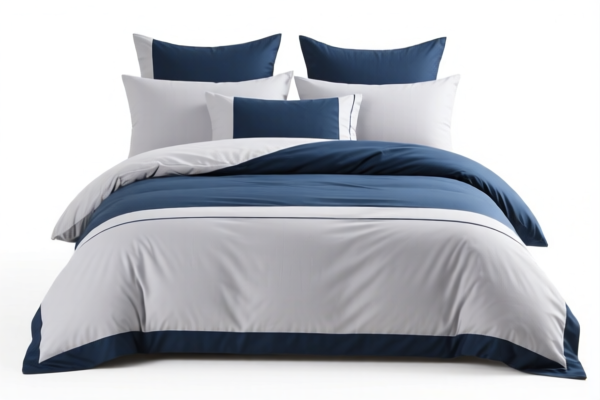
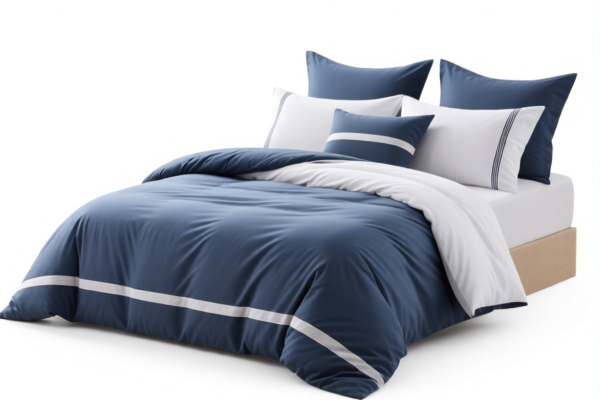
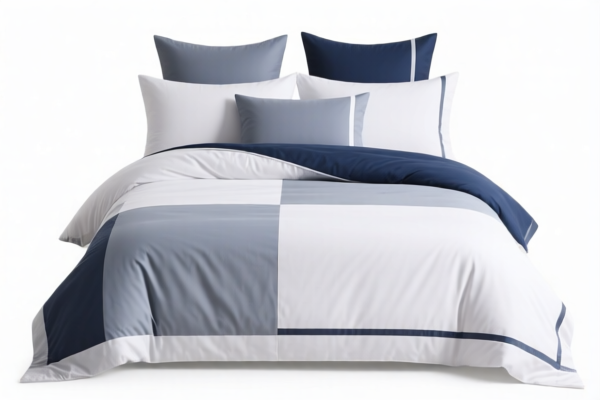
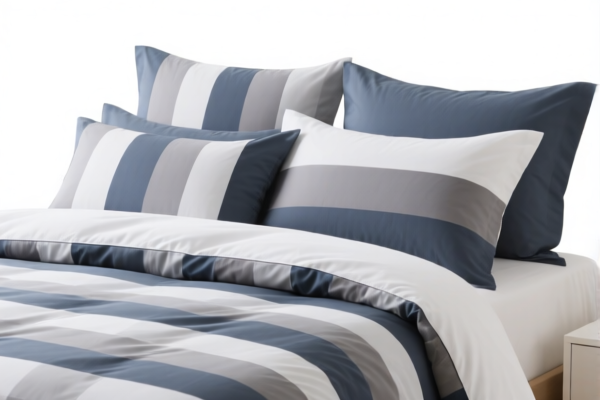
AI Analysis
🌸 Daisy Fragrance Free Aromatherapy Set (7 Piece)
🌐 HS Code Reference & Customs Clearance Guide | 2026 Latest Tariff Analysis | Professional Entry Strategies
📌 I. Product Definition & Classification: Do You Really Understand “Fragrance-Free Aromatherapy”?
The “Daisy Fragrance Free Aromatherapy Set (7 Piece)” is a home wellness product designed for ambient scenting. Despite the name “Fragrance Free” (which often refers to hypoallergenic or specific floral notes rather than literally odorless in a chemical sense, or simply implies a lack of synthetic additives), its primary function is air freshening, deodorizing, or ambiance enhancement.
In international trade, such sets are typically classified based on their primary purpose (scenting/deodorizing) rather than just the container material. However, if the set is heavily dependent on the decorative value of the container (glass/ceramic), a secondary classification might apply.
⚠️ Key Distinction Point:
- If the liquid/essential oil/reed diffuser is the main value driver → It falls under Chapter 33 (Perfumes & Toilet Preparations).
- If the glass/ceramic vessel is the main value driver and the scent is incidental → It might fall under Chapter 70 (Glassware).
📦 II. HS Code Classification Details (2026 Latest Tariff Authority Comparison)
Based on the provided data, there are three potential classifications. Here is the breakdown:
| HS Code | Product Description | Applicability | Material/Content Conflict? |
|---|---|---|---|
| 3307.49.00.00 | Other scenting or deodorizing preparations for rooms, other than perfume and toilet preparations | Primary Match: Reeds, essential oils, liquid diffusers for room ambiance. | ❌ No. Fits "other preparations for room scenting/deodorizing." |
| 3307.41.00.00 | Scenting or deodorizing preparations for rooms, other than perfume and toilet preparations; air perfuming preparations produced on a solvent or water base | Alternative Match: Specifically for liquid-based room air fresheners. | ❌ No. The "non-burning" nature fits "other" categories within this heading. |
| 7013.99.50.10 | Table, kitchen, toilet, internal decoration, other glassware (not of lead crystal) | Secondary Match: If the set is primarily sold as a glass decorative item with minimal liquid value. | ⚠️ Possible: Only if the glass container is the dominant component and the scenting element is considered an accessory. |
🔍 Critical Note:
- 3307 codes are generally preferred for aromatherapy sets because the function is scenting/deodorizing.
- 7013 code is risky unless the liquid content is negligible or the item is explicitly marketed as a "Glass Vase" with a free air freshener pack. Customs often scrutinize this to prevent tariff avoidance.
💰 III. 2026 Latest Tariff Rate Breakdown (Including Surtaxes & Policy Add-ons)
✅ Applicable Country: United States (US)
✅ Country of Origin: China (CN) (Assumed based on typical "122 Tariff" context)
✅ Effective Time: Post-2025 importations
🎯 1. 3307.49.00.00 —— Other Scenting/Deodorizing Preparations for Rooms
| Item | Content |
|---|---|
| Base Tariff | 6.0% |
| Section 301 Tariff | +25.0% |
| IEEPA 122 Tariff | +10.0% |
| Total Rate | 41.0% |
| Calculation Method | CIF Value × 41% |
| De Minimis Eligibility | ❌ No (De Minimis exemptions usually do not apply to Section 301/IEEPA goods) |
| Legal Path | IEEPA:9903.01.24 → USITC:3307.49.00.00 → FOOTNOTE:301_Section |
📌 Interpretation:
- Base 6%: Standard MFN rate for Chapter 33 room preparations.
- +25%: Section 301 tariff on Chinese goods (List 4A/B).
- +10%: IEEPA Section 122 tariff (often applied to specific Chinese imports or strategic goods).
- Total 41%: A very high effective duty. Must be factored into landed cost.
🎯 2. 3307.41.00.00 —— Air Perfuming Preparations (Solvent/Water Based)
| Item | Content |
|---|---|
| Base Tariff | 2.4% |
| Section 301 Tariff | +25.0% |
| IEEPA 122 Tariff | +10.0% |
| Total Rate | 37.4% |
| Calculation Method | CIF Value × 37.4% |
| De Minimis Eligibility | ❌ No |
| Legal Path | IEEPA:9903.01.24 → USITC:3307.41.00.00 → FOOTNOTE:301_Section |
📌 Interpretation:
- Base 2.4%: Lower base rate than 3307.49, but Section 301 and IEEPA surtaxes remain identical.
- Total 37.4%: Still extremely high. Slight savings vs. 3307.49, but the risk profile is similar.
- Classification Risk: If the product is not strictly "solvent-based liquid" but rather reeds/essential oils, this code may be challenged.
🎯 3. 7013.99.50.10 —— Other Glassware (For Internal Decoration)
| Item | Content |
|---|---|
| Base Tariff | 30.0% |
| Section 301 Tariff | 0.0% |
| IEEPA 122 Tariff | +10.0% |
| Total Rate | 40.0% |
| Calculation Method | CIF Value × 40% |
| De Minimis Eligibility | ❌ No |
| Legal Path | IEEPA:9903.01.24 → USITC:7013.99.50.10 → FOOTNOTE:IEEPA_122 |
📌 Interpretation:
- Base 30%: High base duty for glassware.
- 0% Section 301: Key Advantage! Glassware is often excluded from certain Section 301 lists.
- +10% IEEPA: Still applies.
- Total 40%: Comparable to the 3307 codes. BUT, this classification is highly risky if customs determines the primary function is scenting, not glass decoration. Misclassification here can lead to penalties for tariff evasion.
🛠️ IV. Customs Clearance Practical Advice (Risk Mitigation Guide)
✅ 1. Documentation Checklist (Non-Negotiable)
| Document | Required | Purpose |
|---|---|---|
| ✅ Product Specification Sheet | ✔️ | Must detail: Liquid volume, essential oil percentage, container material (glass/ceramic/plastic). |
| ✅ Composition Breakdown | ✔️ | Explicitly list weight % of liquid vs. container. If liquid > 50%, argue for Chapter 33. |
| ✅ Product Photos | ✔️ | Show the 7-piece set clearly. Highlight "Reeds," "Bottles," "Diffusers." |
| ✅ Invoice Description | ✔️ | Use precise terms: "Aromatherapy Diffuser Set – Essential Oil & Reed Sticks – For Room Fragrance" |
| ✅ HS Code Justification Memo | ✔️ | Explain why 3307 is preferred (primary function is scenting). |
✅ 2. Classification Strategy (The "Golden Rule")
🔥 “Function Over Material, But Watch the Surtax!”
| Scenario | Recommended HS Code | Total Tax | Risk Level |
|---|---|---|---|
| Standard Aromatherapy Set (Oil + Reeds/Burner) | 3307.49.00.00 | 41.0% | 🟢 Low (Clear functional match) |
| Liquid Air Freshener System | 3307.41.00.00 | 37.4% | 🟡 Medium (Must prove solvent/water base) |
| Decorative Glass Vase + Small Sachet | 7013.99.50.10 | 40.0% | 🔴 High (High audit risk if scent is primary) |
📌 Warning:
- Do not use7013to escape the 25% Section 301 tariff if the product is clearly an aromatherapy item. Customs CBP has strict "Primary Purpose" rules.
- If challenged, you may face retroactive duties + penalties.
✅ 3. Special Handling Tips
| Situation | Action |
|---|---|
| OEM/Private Label | Ensure your supplier provides a Certificate of Composition. CBP may demand it for Chapter 33 items. |
| Mixed Containers | If the set includes non-glass items (e.g., wooden reeds), Chapter 33 is safer than Chapter 70. |
| "Fragrance Free" Claim | Clarify in documentation: Does it mean "unscented" (then it’s just glass/oil base) or "natural fragrance"? If unscented, it might not even need Chapter 33! Check if it qualifies as "Other Glassware" without functional scenting claim. |
🌍 V. Global Market Comparison (2026 Snapshot)
| Market | Likely HS Code | Est. Total Duty | Key Certification |
|---|---|---|---|
| 🇺🇸 USA | 3307.49.00.00 |
41.0% | No specific FDA (unless cosmetic), but must comply with labeling laws |
| 🇨🇳 China | 3307.49.00.00 |
~10-15% | N/A (Import) |
| 🇪🇺 EU | 3307.49.00 |
~6.5% | IFRA compliance, CLP labeling |
| 🇬🇧 UK | 3307.49.00 |
~6.5% | UKCA, IFRA compliance |
📌 Conclusion:
The US market is the most expensive due to Section 301 + IEEPA tariffs.
Total cost of duty ranges from 37.4% to 41.0%. This significantly impacts margin.
📌 VI. Common Pitfalls & Lessons Learned (Blood & Tears)
❌ Mistake 1: Declaring as "Home Decor" (7013) to avoid 25% tariff.
👉 Result: CBP reclassifies to 3307, charges 41%, and issues penalties for misdeclaration.
❌ Mistake 2: Ignoring IEEPA 122 Tariff.
👉 Result: Even if Section 301 is 0%, IEEPA 10% may still apply. Assuming 0% total duty is dangerous.
❌ Mistake 3: Vague Description "Aromatherapy Set".
👉 Result: CBP requests additional info, causing delays at port.
👉 Fix: Specify "Essential Oil Reed Diffuser Set, Glass Vessel, 7 Pieces".
✅ Best Practice:
“Declare the Function, Not Just the Form. If it smells, it’s Chapter 33. If it’s just glass, it’s Chapter 70. Know the difference!”
🎯 VII. Conclusion: Smart Entry, Maximize Profit!
🎯 Remember:
🔹 For Aromatherapy Sets: Expect ~40% Total Duty in the US.
🔹 Avoid Misclassification: Don’t try to hide the scent function behind glass classification.
🔹 Plan Your Landed Cost: Include 41% in your pricing model.
📌 Pro Tip:
If the "Fragrance Free" claim means no essential oils (just empty glass diffusers), then 7013.99.50.10 is the correct and cheaper option (40% total). Verify this with your supplier! If there is any liquid/scenting element, stick to 3307.
📣 Immediate Action:
📞 Consult a Customs Broker: Provide the exact ingredient list and set composition.
🚀 Get an Advance Ruling: If shipping large volumes, apply for a CBP Ruling to lock in the HS Code and avoid surprises.
✨ Professional Customs Clearance Starts with Accurate Classification!
💼 Your Profit Margin Depends on Getting the HS Code Right!
Customer Reviews
About HS Code Classification
The Harmonized System (HS) is an internationally standardized nomenclature developed by the World Customs Organization (WCO) to classify traded products. Over 200 countries use the HS system as the basis for customs tariffs, trade statistics, and import/export regulations.
Each HS code follows a hierarchical structure:
- Chapter (2 digits) — Broad category of goods (e.g., Chapter 84: Machinery and Mechanical Appliances)
- Heading (4 digits) — More specific grouping within the chapter
- Subheading (6 digits) — Internationally standardized breakdown, used by all WCO member countries
- National subdivisions (8-10 digits) — Country-specific extensions for further classification, such as US HTSUS 10-digit codes
Correct HS code classification is essential for smooth customs clearance, accurate duty payment, and compliance with trade regulations. Misclassification can lead to customs delays, overpayment of duties, or penalties.
When importing from CN to US, the applicable tariff rates may include:
- Most-Favored-Nation (MFN) rate — The standard duty rate applied to WTO members
- General rate — Applied to countries without trade agreements
- Trade remedy duties — Additional tariffs such as Section 301 (anti-dumping), Section 232 (national security), or countervailing duties
The information provided on this page is for reference purposes only. For official classification, please consult with your local customs authority or a licensed customs broker.