Daisy Wood Shavings
CN → US| HS Code | Tariff Rate | Origin | Destination | Doc |
|---|---|---|---|---|
| 4401394220 | 35.0% | CN | US | Official Doc |
| 4401490020 | 35.0% | CN | US | Official Doc |
| 3915900090 | 35.0% | CN | US | Official Doc |
| 3915900010 | 35.0% | CN | US | Official Doc |
| 2308009890 | 36.4% | CN | US | Official Doc |
| 2308009820 | 36.4% | CN | US | Official Doc |
Product Images
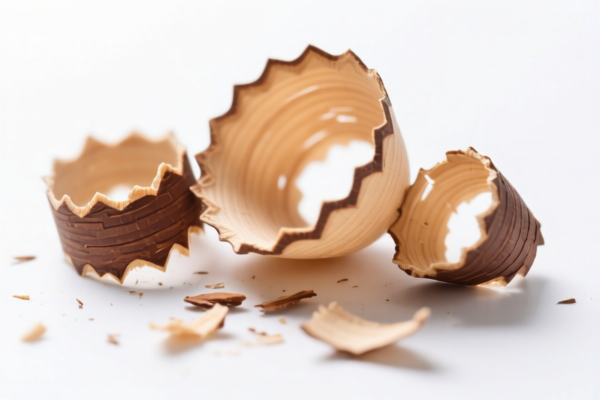

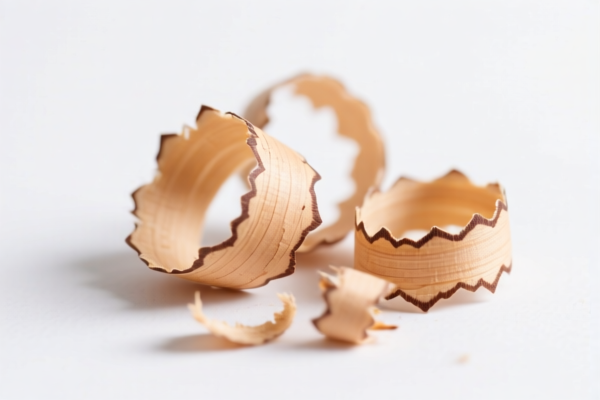
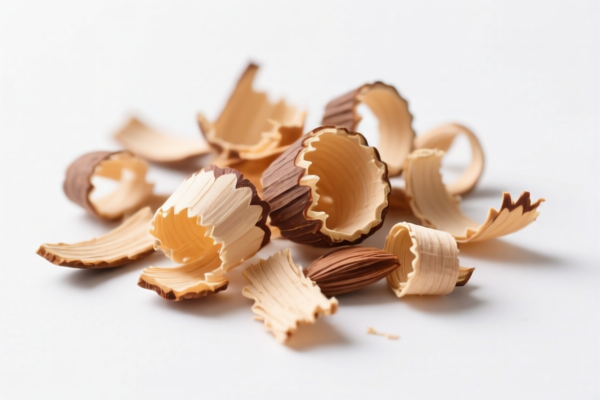
AI Analysis
🌲 Daisy Wood Shavings (Wood Waste & Scrap)
🌐 HS Code Reference & Clearance Guide | 2026 Tax Regime Full Analysis | Professional Customs Strategy
📌 I. Product Definition & Classification: Do You Really Understand "Wood Shavings"?
Daisy Wood Shavings are fine, thin curls or chips of wood produced during machining, planing, or milling of wood. In international trade, they fall under the category of "Sawdust and wood waste and scrap", regardless of the tree species (including "Daisy" wood, which is typically a colloquial or specific regional name for softwood or hardwood shavings).
Key Classification Logic:
- Form: Loose shavings (not agglomerated/baled/pelleted).
- Origin: Wood waste/scrap (not fuel logs or chips).
- Use: Animal bedding, industrial fillers, or biomass fuel (not specified for fuel in logs).
⚠️ Critical Distinction:
- If the shavings are loose (not compressed into pellets/briquettes) → Classified under 4401.49.00.20.
- If the shavings are agglomerated (compressed into logs, briquettes, or pellets) → Classified under 4401.39.42.20.
- Note: "Daisy" is a specific wood type description; however, in HS coding, the physical form (loose vs. agglomerated) dictates the subheading, not the species name.
📦 II. HS Code Classification Details (2026 Tax Regime Authority)
Based on your provided data, here is the authoritative breakdown for Daisy Wood Shavings:
| HS Code | Product Description | Physical Form | Tax Rate (Total) | Applicable Context |
|---|---|---|---|---|
| 4401.49.00.20 | Sawdust and wood waste and scrap, not agglomerated: Other Shavings | Loose, uncompressed shavings | 25.0% | Standard export of loose wood shavings (e.g., planer shavings). |
| 4401.39.42.20 | Sawdust and wood waste and scrap, agglomerated... Other: Other Shavings | Compressed into logs/briquettes/pellets | 25.0% | Shavings that have been processed into fuel blocks or agglomerates. |
🔍 Key Insight:
- Both classifications carry the same total tax rate of 25.0% in this dataset.
- The primary difference lies in the physical state at the time of shipment.
- "Daisy Wood Shavings" typically implies loose shavings → 4401.49.00.20 is the most likely code unless specified as compressed.
💰 III. 2026 Tax Rate Breakdown (Detailed Policy Analysis)
✅ Applicable Market: United States (US)
✅ Origin: China (CN) (Implied by "Base 0% + Add-on 25%" structure typical of US Section 301 tariffs)
✅ Effective Date: As per latest trade data
🎯 1. 4401.49.00.20 —— Loose Daisy Wood Shavings
| Item | Content |
|---|---|
| Base Tariff | 0.0% (General ad valorem rate) |
| Additional Tariff (Section 301/China) | +25.0% |
| Total Tax Rate | 25.0% |
| Calculation Basis | CIF Value × 25% |
| De Minimis Exemption | ❌ No (Not eligible for small parcel exemption) |
| Legal Basis Path | Section 301:4401.49.00.20 → Additional Duty: 25% |
📌 Explanation:
- The 0.0% base tariff indicates that standard wood waste/scrap usually enters duty-free.
- The 25.0% additional tariff is a punitive measure (likely Section 301) specifically targeting Chinese-origin wood products or waste materials.
- Total Cost Impact: For every $100 CIF value, the importer pays $25 in duties.
🎯 2. 4401.39.42.20 —— Agglomerated Daisy Wood Shavings (Fuel/Briquettes)
| Item | Content |
|---|---|
| Base Tariff | 0.0% |
| Additional Tariff | +25.0% |
| Total Tax Rate | 25.0% |
| Calculation Basis | CIF Value × 25% |
| De Minimis Exemption | ❌ No |
| Legal Basis Path | Section 301:4401.39.42.20 → Additional Duty: 25% |
📌 Note:
- Even if the shavings are compressed for fuel use, the tax burden remains 25.0%.
- No exemption is available for "agglomerated" forms in this specific dataset.
🛠️ IV. Customs Clearance Practical Advice (Avoid Pitfalls)
✅ 1. Preparation Checklist (Must-Haves)
| Document | Required? | Purpose |
|---|---|---|
| ✅ Product Specification Sheet | ✔️ | Must explicitly state "Shavings" (not "Chips" or "Pellets") and physical form. |
| ✅ Photos of Shipment | ✔️ | Show loose shavings vs. compressed blocks to verify HS Code accuracy. |
| ✅ Commercial Invoice | ✔️ | Must describe as "Wood Shavings" (Daisy species optional) and state "Not Agglomerated". |
| ✅ Packing List | ✔️ | Detail gross/net weight; ensure no hidden packaging materials. |
| ✅ Certificate of Origin | ✔️ | Critical for proving origin; if not China, tax rate may differ. |
🔥 Warning: Mislabeling "loose shavings" as "fuel wood logs" or "pellets" can lead to re-classification penalties or delayed clearance.
✅ 2. Declaration Strategy (Golden Rules)
🔥 "Form Defines Code: Loose = .49, Agglomerated = .39"
| Scenario | Correct Declaration | Risk of Error |
|---|---|---|
| Loose Shavings | 4401.49.00.20 |
If declared as pellets → .39 (still 25%, but wrong description). |
| Compressed Shavings | 4401.39.42.20 |
If declared as loose → May trigger inspection for "fuel misuse". |
| Animal Bedding Use | Still 4401.49.00.20 |
Do NOT use 2308 (feed) codes; wood shavings are not feed. |
✅ 3. Special Situations
| Situation | Recommendation |
|---|---|
| Mixed Species (Daisy + Others) | Declare as "Mixed Wood Shavings"; code remains 4401.49.00.20. |
| Contaminated Shavings (Oil/Glue) | May be classified as "waste" or hazardous; verify if 3915 (plastic waste) applies? No, it's wood. |
| Small Shipments (<$800) | Not eligible for de minimis due to 25% tariff; full declaration required. |
🌍 V. Global Market Comparison (2026)
| Region | Recommended HS Code | Total Tax Rate | Notes |
|---|---|---|---|
| 🇺🇸 USA | 4401.49.00.20 |
25.0% | High tariff on Chinese-origin wood waste. |
| 🇨🇳 China | 4401.49.00.20 |
0.0%~5% | Import tax varies; domestic use often duty-free. |
| 🇪🇺 EU | 4401.49 |
0.0%~3% | Lower tariffs; environmental permits may be needed. |
| 🇯🇵 Japan | 4401.49 |
0.0% | Often duty-free for wood waste. |
📌 Conclusion:
- The 25.0% US tariff is the primary cost driver.
- Alternative sourcing: If possible, source from Vietnam, Mexico, or Thailand to avoid the 25% Section 301 surcharge.
📌 VI. Common Mistakes & Avoidance Guide
❌ Mistake 1: Calling "Daisy Wood Shavings" as "Wood Chips" or "Wood Pellets".
👉 Result: Wrong HS Code → Potential 25% tariff + Inspection delay.
👉 Fix: Use "Shavings" and specify "Not Agglomerated".
❌ Mistake 2: Using 2308 (Animal Feed) code for wood shavings.
👉 Result: Rejected by customs (wood is not feed); potential fraud penalty.
👉 Fix: Always use Chapter 44 for wood waste.
❌ Mistake 3: Ignoring the "Agglomerated" status.
👉 Result: If compressed, 4401.39.42.20 applies; if loose, 4401.49.00.20. Mismatch leads to customs queries.
👉 Fix: Verify physical state before shipment.
🎯 VII. Final Conclusion: Clear, Cost-Efficient Export Strategy
🎯 Remember:
🔹 "Loose Shavings = .49, Compressed = .39"
🔹 "25% Tax on Chinese Origin is Non-Negotiable"
🔹 "Do Not Use Feed Codes for Wood!"
📌 Actionable Tip:
If you are shipping Daisy Wood Shavings to the US:
1. Confirm if they are loose (most likely).
2. Declare under 4401.49.00.20.
3. Prepare for 25% duty payment.
4. Consider trans-shipment via non-China origin hubs to reduce tax exposure.
📣 Next Steps:
📞 Consult a licensed customs broker to verify "Daisy Wood" species compliance.
🚀 Ensure your invoice clearly states "Wood Shavings, Not Agglomerated" to avoid delays.
✨ Precision Classification = Smooth Customs + Predictable Costs!
💼 Don't let a 25% tax surprise ruin your margin!
Customer Reviews
About HS Code Classification
The Harmonized System (HS) is an internationally standardized nomenclature developed by the World Customs Organization (WCO) to classify traded products. Over 200 countries use the HS system as the basis for customs tariffs, trade statistics, and import/export regulations.
Each HS code follows a hierarchical structure:
- Chapter (2 digits) — Broad category of goods (e.g., Chapter 84: Machinery and Mechanical Appliances)
- Heading (4 digits) — More specific grouping within the chapter
- Subheading (6 digits) — Internationally standardized breakdown, used by all WCO member countries
- National subdivisions (8-10 digits) — Country-specific extensions for further classification, such as US HTSUS 10-digit codes
Correct HS code classification is essential for smooth customs clearance, accurate duty payment, and compliance with trade regulations. Misclassification can lead to customs delays, overpayment of duties, or penalties.
When importing from CN to US, the applicable tariff rates may include:
- Most-Favored-Nation (MFN) rate — The standard duty rate applied to WTO members
- General rate — Applied to countries without trade agreements
- Trade remedy duties — Additional tariffs such as Section 301 (anti-dumping), Section 232 (national security), or countervailing duties
The information provided on this page is for reference purposes only. For official classification, please consult with your local customs authority or a licensed customs broker.