Dark Red Meranti Rough Lumber
CN → US| HS Code | Tariff Rate | Origin | Destination | Doc |
|---|---|---|---|---|
| 4407250000 | 35.0% | CN | US | Official Doc |
| 4407290216 | 35.0% | CN | US | Official Doc |
Product Images
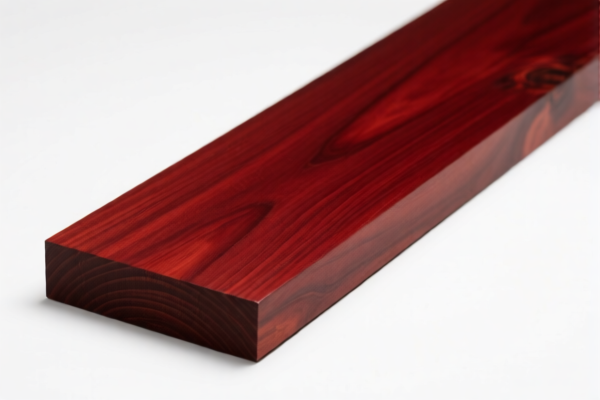
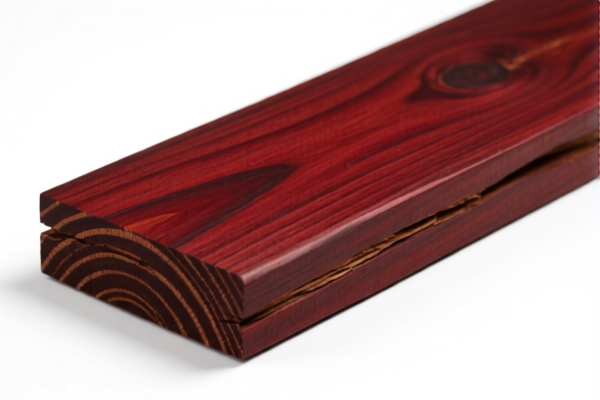
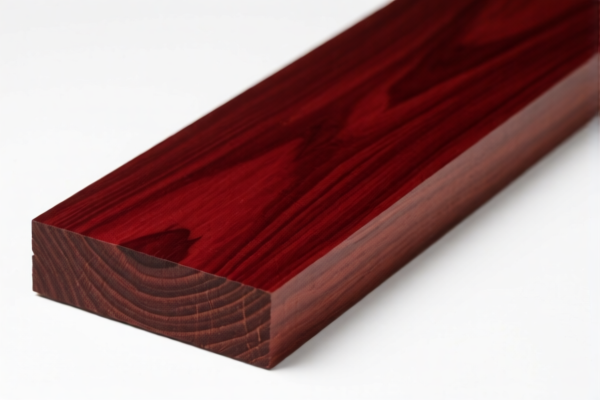
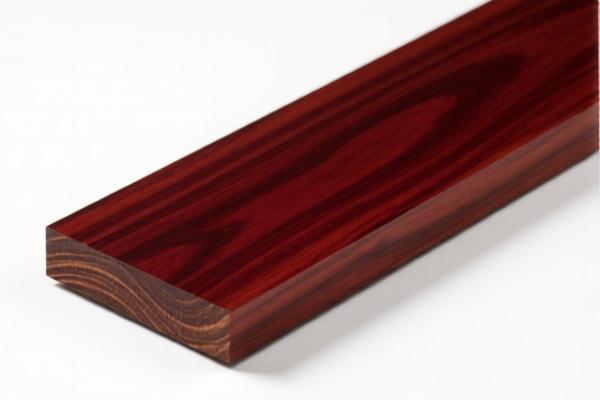
AI Analysis
🪵 Dark Red Meranti Rough Lumber (Tropical Wood)
🌐 HS Code Reference & Clearance Guide | 2026 Latest Tariff Analysis | Professional Customs Strategy
📌 I. Product Definition & Classification: What is "Dark Red Meranti"?
Dark Red Meranti is a premium tropical hardwood belonging to the Shorea genus (part of the Dipterocarpaceae family). In international trade, it is categorized under Chapter 44, specifically for wood that has been sawn or chipped lengthwise, sliced, or peeled.
Key Characteristics: * Origin: Primarily Southeast Asia (Malaysia, Indonesia, Philippines). * Processing State: "Rough Lumber" implies the wood has been sawn but not further planed, sanded, or joined to a thickness ≤ 6mm (though the specific HS code covers thickness > 6mm). * Distinct Type: It is distinct from "Light Red Meranti" and "Meranti Bakau" (Mangrove Meranti). It also differs from other Keruing (Dipterocarpus spp.).
⚠️ Critical Distinction Point:
- Dark Red Meranti: Classified under 4407.25.00.00.
- Light Red Meranti / Meranti Bakau: Also classified under 4407.25.00.00 (but listed separately in some detailed schedules).
- Other Keruing (Dipterocarpus spp.): Classified under 4407.29.02.16.
- Thickness: Must exceed 6 mm to fall under this chapter. If ≤ 6 mm, it may fall under different categories.
📦 II. HS Code Classification Details (2026 Latest Tariff Authority Match)
| HS Code | Product Description | Applicable Scenario | Origin/Type Specifics |
|---|---|---|---|
4407.25.00.00 |
Dark Red Meranti, Light Red Meranti, and Meranti Bakau (Wood sawn/chipped >6mm, tropical wood) |
High-quality furniture, flooring, veneer, joinery. | Specific to Shorea species (Dark/Light Red) and Mangrove Meranti. |
4407.29.02.16 |
Other Keruing (Dipterocarpus spp.) (Wood sawn/chipped >6mm, tropical wood) |
Construction, pallets, lower-grade furniture. | Specific to Dipterocarpus genus (e.g., Red Meranti alternatives). |
🔍 Key Reminder:
- Do not confuse Dark Red Meranti with Dipterocarpus species. They have different HS subheadings despite both being "Meranti" in common trade parlance.
- Dark Red Meranti (4407.25.00.00) is generally preferred for finer woodworking due to its durability and appearance.
- Both codes fall under "Tropical Wood" in Chapter 44, which attracts specific additional tariffs in certain markets (like the US).
💰 III. 2026 Latest Tariff Rate Breakdown (Detailed Tax Clauses)
✅ Applicable Market: United States (US)
✅ Origin: China (CN) Note: If direct from Malaysia/Indonesia, origin rules may vary, but tariff structure remains similar for Chinese-imported goods.
✅ Effective Time: 2025/2026 Period (Subject to Trade Policy)
🎯 1. 4407.25.00.00 —— Dark Red Meranti, Light Red Meranti, Meranti Bakau
| Item | Content |
|---|---|
| Base Tariff (MFN) | 0.0% (General duty rate for wood products) |
| Section 301 Additional Tariff | +25.0% (High-priority Chinese imports) |
| Total Effective Tariff | 25.0% |
| Tax Calculation | CIF Value × 25% |
| De Minimis Exemption | ❌ Not Applicable (Wood products are generally excluded from $800 de minimis relief if subject to 301 tariffs) |
| Legal Basis | USITC:4407.25.00.00 → Section 301: Footnote 9903.88.01 (or relevant HTS footnote) |
📌 Explanation:
- Base Rate 0%: Under normal Most Favored Nation (MFN) treatment, tropical wood sawn lumber has no base duty.
- Additional 25%: This is the critical cost driver. Under the US Trade Act Section 301, many Chinese-origin wood products are subject to a 25% retaliatory tariff.
- Total 25%: The importer must pay 25% of the declared value (CIF) as duty. This is a high-cost item for US importers of Chinese-sourced Meranti.
🎯 2. 4407.29.02.16 —— Other Keruing (Dipterocarpus spp.)
| Item | Content |
|---|---|
| Base Tariff (MFN) | 0.0% |
| Section 301 Additional Tariff | +25.0% |
| Total Effective Tariff | 25.0% |
| Tax Calculation | CIF Value × 25% |
| De Minimis Exemption | ❌ Not Applicable |
| Legal Basis | USITC:4407.29.02.16 → Section 301: Footnote 9903.88.01 |
📌 Note:
- Same tariff structure as Dark Red Meranti.
- Even though it is a "different" species, it falls under the same broad "Tropical Wood" category for tariff purposes.
- Caution: Ensure the supplier does not misdeclare Dipterocarpus as Shorea to avoid classification audits.
🛠️ IV. Customs Clearance Practical Advice (Operational Pitfall Guide)
✅ 1. Required Documentation Checklist (Mandatory)
| Document | Must Provide | Description |
|---|---|---|
| ✅ Commercial Invoice | ✔️ | Must clearly state: "Dark Red Meranti Lumber" or "Keruing Lumber", not just "Wood". |
| ✅ Packing List | ✔️ | Detail gross/net weight, number of bundles, and dimensions. |
| ✅ Bill of Lading (B/L) | ✔️ | Must match invoice description. |
| ✅ Phytosanitary Certificate | ✔️ | Critical! Issued by the exporting country's agricultural department to certify freedom from pests/diseases. |
| ✅ Fumigation Certificate | ✔️ | Required for all wood packaging and often for raw lumber to meet ISPM 15 standards. |
| ✅ Certificate of Origin (CO) | ✔️ | To prove origin. If from China, it triggers the 25% tariff. If from Malaysia/Indonesia, verify if preferential rates apply (e.g., via ASEAN-US trade agreements, though limited). |
| ✅ Product Specification | ✔️ | Confirm species (Shorea spp. vs. Dipterocarpus spp.) and moisture content. |
✅ 2. Classification Tips (Key Mnemonics)
🔥 "Species Matters, Species Splits Rates (0 vs 25% if misclassified), Phytosanitary is King!"
| Scenario | Correct Declaration | Common Mistake | Consequence |
|---|---|---|---|
| Dark Red Meranti | 4407.25.00.00 Shorea spp. |
Declaring as "Hardwood" or generic "Lumber" | High Risk of Audit → Misclassification penalty + back duties. |
| Keruing (Other) | 4407.29.02.16 Dipterocarpus spp. |
Declaring as Dark Red Meranti | Underpayment Risk → If caught, pay difference + penalties. |
| Thickness > 6mm | Chapter 44 | Declaring as "Veneer" (<6mm) | Different Tariff/Regime → Veneer may have different rules. |
| Origin: China | Full Disclosure | Hiding origin | Fraud Risk → Seizure, fines, and loss of privileges. |
✅ 3. Special Considerations for Wood Import
| Situation | Handling Advice |
|---|---|
| Pest Inspection | US CBP and USDA APHIS conduct random inspections. Ensure wood is properly fumigated and packaged. Delays are common if pests are detected. |
| Lacey Act Compliance | 🇺🇸 Mandatory: Provide a declaration of botanical name, country of harvest, and value. Non-compliance leads to seizure and civil/criminal penalties. |
| Tariff Engineering | Consider sourcing from Vietnam or Indonesia if possible. Some non-China origins may not face the 25% Section 301 tariff, reducing total cost to 0% (if MFN applies and no other duties). |
| Moisture Content | Ensure lumber is kiln-dried or air-dried to standard levels (e.g., 12-15%) to prevent mold during transit, which can trigger rejections. |
🌍 V. Global Market Clearance Comparison (2026 Latest)
| Country/Region | Recommended HS Code | Base Tariff | Additional Tariffs (China Origin) | Notes |
|---|---|---|---|---|
| 🇺🇸 USA | 4407.25.00.00 4407.29.02.16 |
0% | +25% (Section 301) | High Cost. Strict Lacey Act & Phytosanitary rules. |
| 🇨🇳 China | 4407.25.00.00 |
5-8% | None (Import duty) | Domestic trade standard. |
| 🇪🇺 EU | 4407.25.00 |
~4.9% | None | No Section 301 equivalent, but strict EUTR (EU Timber Regulation) compliance required. |
| 🇦🇺 Australia | 4407.25.00 |
5% | None | Strict biosecurity laws. |
| 🇯🇵 Japan | 4407.25.00 |
0% | None | Low duty, but high inspection standards. |
📌 Conclusion:
- USA is the most expensive market due to the 25% additional tariff on Chinese wood products.
- Compliance costs (Lacey Act, Phytosanitary) are significant in US, EU, and Australia.
- Mitigation Strategy: If possible, source wood from non-China origins (e.g., Malaysia, Indonesia, Vietnam) to avoid the 25% tariff, bringing the effective rate down to 0% (in the US) or lower base rates elsewhere.
📌 VI. Common Errors & Pitfall Guide (Lessons Learned)
❌ Error 1: Misdeclaring "Dark Red Meranti" as "Light Red Meranti" or vice versa
👉 Consequence: While both may have the same tax rate in this dataset, they are different species. Lacey Act requires accurate botanical naming. Inaccuracy can lead to seizure.
❌ Error 2: Ignoring the Lacey Act Declaration
👉 Consequence: Civil fines up to $10,000 per violation or criminal penalties for repeat offenders.
❌ Error 3: Failing to provide a Phytosanitary Certificate
👉 Consequence: Cargo held at port, potential fumigation at importer’s cost, or return/destroyal of goods.
❌ Error 4: Assuming "Wood" is a valid description
👉 Consequence: Customs will request clarification, causing delay. Always use specific genus/species names.
✅ Correct Approach:
"Lumber, Dark Red Meranti (Shorea spp.), Sawn, Thickness >6mm, Fumigated, Lacey Act Compliant, CIF Value $XXX"
🎯 VII. Conclusion: Professional Declaration Saves Money
🎯 Remember the Mantra:
🔹 "Species Specific, Phytosanitary Certified, Lacey Act Declared!"
🔹 "China Origin = 25% Extra, Non-China Origin = 0% Extra (in US)!"
🔹 "HS Code 4407.25 for Dark Red, 4407.29 for Other Keruing!"
📌 Pro Tip:
If your supplier is in China, consider transshipment or sourcing directly from Southeast Asian mills (Malaysia/Indonesia) to eliminate the 25% US Section 301 tariff. This can save 25% of the CIF value, significantly boosting profit margins.
Always request a Pre-Ruling from US CBP if unsure about classification or origin benefits.
📣 Take Action Now:
📞 Consult with a licensed Customs Broker.
📄 Ensure Lacey Act Declaration is complete.
🚀 Clear customs smoothly, avoid detention, and maximize profit!
✨ Expert Clearance Starts with Accurate Classification!
💼 Your Bottom Line Depends on These Details!
Customer Reviews
About HS Code Classification
The Harmonized System (HS) is an internationally standardized nomenclature developed by the World Customs Organization (WCO) to classify traded products. Over 200 countries use the HS system as the basis for customs tariffs, trade statistics, and import/export regulations.
Each HS code follows a hierarchical structure:
- Chapter (2 digits) — Broad category of goods (e.g., Chapter 84: Machinery and Mechanical Appliances)
- Heading (4 digits) — More specific grouping within the chapter
- Subheading (6 digits) — Internationally standardized breakdown, used by all WCO member countries
- National subdivisions (8-10 digits) — Country-specific extensions for further classification, such as US HTSUS 10-digit codes
Correct HS code classification is essential for smooth customs clearance, accurate duty payment, and compliance with trade regulations. Misclassification can lead to customs delays, overpayment of duties, or penalties.
When importing from CN to US, the applicable tariff rates may include:
- Most-Favored-Nation (MFN) rate — The standard duty rate applied to WTO members
- General rate — Applied to countries without trade agreements
- Trade remedy duties — Additional tariffs such as Section 301 (anti-dumping), Section 232 (national security), or countervailing duties
The information provided on this page is for reference purposes only. For official classification, please consult with your local customs authority or a licensed customs broker.