Data Cable End Cap
CN → US| HS Code | Tariff Rate | Origin | Destination | Doc |
|---|---|---|---|---|
| 8544422000 | 85.0% | CN | US | Official Doc |
| 8544429090 | 87.6% | CN | US | Official Doc |
| 3926909989 | 22.8% | CN | US | Official Doc |
| 3926904590 | 13.5% | CN | US | Official Doc |
Product Images
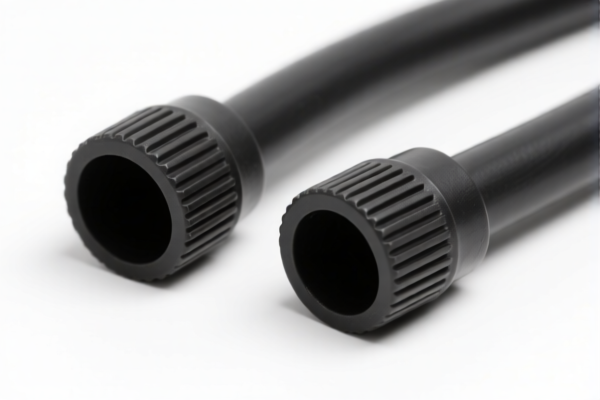
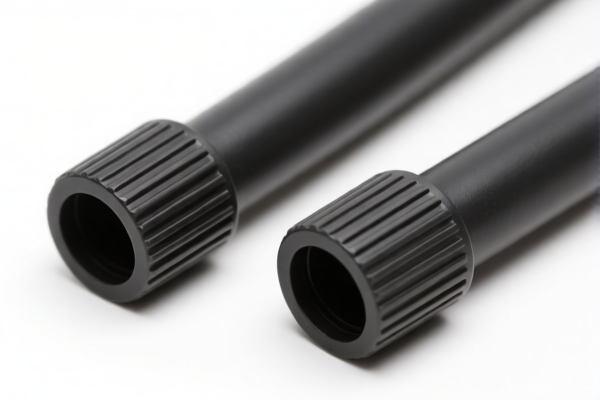
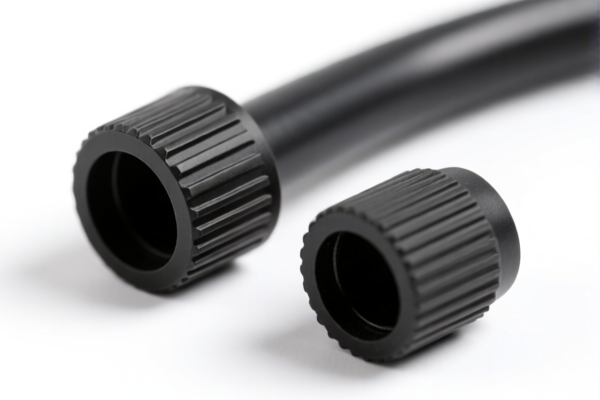
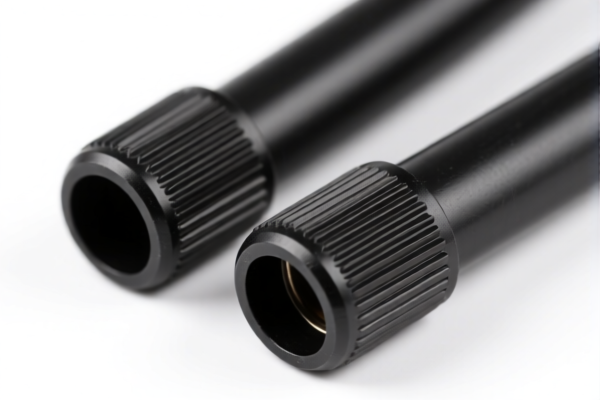
AI Analysis
🛡️ Data Cable End Cap (Insulated Connectors & Plastic Components)
🌐 HS Code Reference & Clearance Guide | 2026 Latest Tariff Analysis | Professional Clearance Strategy
📌 I. Product Definition & Classification: What Exactly Is a "Data Cable End Cap"?
The term "Data Cable End Cap" is ambiguous in international trade. It generally refers to two distinct types of goods depending on its functional status:
- Pre-fitted Connector Components: Plastic/metal caps or boots that are already attached to insulated conductors (cables) to form a functional telecommunications cord. These are treated as electrical conductors.
- Standalone Plastic Accessories: Loose plastic caps, boots, or seals intended only to protect connectors or seal cable entries, not constituting an electrical circuit themselves. These are treated as plastic articles.
⚠️ Critical Distinction:
- If the item includes the insulated wire/conductor and is ready for telecommunications use (with connectors fitted) → It falls under HS 8544.
- If the item is just a plastic cover/cap (no wire, no electrical function) → It falls under HS 3926.
📦 II. HS Code Classification Details (2026 Latest Tariff Authority Comparison)
| HS Code | Product Description | Application Scenario | Contains Electrical Conductor? |
|---|---|---|---|
8544.42.20.00 |
Insulated Electric Conductors for telecommunications, fitted with connectors | Telecom cables (e.g., Ethernet, USB, HDMI ends) with pre-attached plastic boots/caps | ✅ Yes (Includes wire/conductor) |
8544.42.90.90 |
Other Insulated Electric Conductors, voltage ≤1,000V, fitted with connectors, other | Non-telecom specialized cables with connectors | ✅ Yes (Includes wire/conductor) |
3926.90.99.89 |
Other Articles of Plastics (General) | Standalone plastic end caps, dust covers, non-functional plastic parts | ❌ No (Pure plastic accessory) |
3926.90.45.90 |
Plastic Gaskets, Washers, Seals | Specific plastic seals/caps designed for sealing environments | ❌ No (Plastic seal only) |
🔍 Key Reminder:
- If the "End Cap" is sold as a complete cable assembly (wire + connector + cap), it MUST be classified under 8544.42.20.00 (if for telecom). You cannot separate the plastic cap for a lower tariff. - If the "End Cap" is sold loose (e.g., a box of 100 plastic boots for RJ45 connectors), it falls under 3926.90.99.89 or 3926.90.45.90.
💰 III. 2026 Latest Tariff Rate Breakdown (Including Surcharges & Policy Add-ons)
✅ Applicable Country: United States (US)
✅ Origin: China (CN)
✅ Effective Date: Ongoing Section 301 & IEEPA Surcharges
🎯 1. 8544.42.20.00 – Telecom Cable Assemblies with Connectors (Most Likely for "Data Cable Ends")
| Item | Content |
|---|---|
| Base Tariff | 0% (ad valorem) |
| Section 301 Surcharge | +25.0% (Steel, Aluminum, Copper Products Surtax applies if copper content > threshold, often leads to 50% total for metal components) |
| Total Effective Tariff | 75.0% (0% Base + 25% General + 50% Copper/Metal Surtax) Note: If purely plastic-insulated with minimal metal, it may be 25%, but telecom cables usually contain copper. |
| Tax Detail | Base: 0.0%, Add-on: 25.0%, Steel/Al/Cu Surtax: 50% |
| Can De Minimis Apply? | ❌ NO (High-value commercial shipments are strictly scrutinized) |
| Legal Basis | USITC:8544.42.20.00 → Section 301 Footnote |
📌 Explanation:
- Telecom cables are heavily impacted by trade tensions.
- If the cable contains copper conductors (which data cables do), the 50% surcharge for "Steel, Aluminum, Copper Products" may apply on top of the 25%, pushing the total to 75%.
- This is a massive cost driver. Misclassification here can lead to huge back-taxes.
🎯 2. 8544.42.90.90 – Other Insulated Conductors with Connectors
| Item | Content |
|---|---|
| Base Tariff | 2.6% |
| Section 301 Surcharge | +25.0% |
| Steel/Al/Cu Surtax | +50% (if applicable) |
| Total Effective Tariff | 77.6% (2.6% + 25% + 50%) |
| Tax Detail | Base: 2.6%, Add-on: 25.0% |
| Can De Minimis Apply? | ❌ NO |
📌 Note: Slightly higher base rate than telecom-specific cables, but similar surcharge structure.
🎯 3. 3926.90.99.89 – Other Plastic Articles (Standalone Caps)
| Item | Content |
|---|---|
| Base Tariff | 5.3% |
| Section 301 Surcharge | +7.5% |
| Steel/Al/Cu Surtax | N/A (Plastic only) |
| Total Effective Tariff | 12.8% |
| Tax Detail | Base: 5.3%, Add-on: 7.5% |
| Can De Minimis Apply? | ⚠️ Possible for small parcels, but risky for commercial bulk |
| Legal Basis | USITC:3926.90.99.89 → Section 301 Footnote |
📌 Explanation:
- If you are importing only plastic caps (no wire), this is the correct code.
- Tax is significantly lower (12.8% vs 75%).
- Risk: If CBP determines these caps are "essential parts of a cable" and are imported with cables, they may reclassify the whole shipment to 8544.
🎯 4. 3926.90.45.90 – Plastic Gaskets/Seals
| Item | Content |
|---|---|
| Base Tariff | 3.5% |
| Section 301 Surcharge | +25.0% |
| Total Effective Tariff | 28.5% |
| Tax Detail | Base: 3.5%, Add-on: 25.0% |
| Legal Basis | USITC:3926.90.45.90 |
📌 Explanation:
- Only applies if the plastic cap is explicitly a "seal" or "gasket" (e.g., waterproofing boot).
- Often used for industrial cable glands.
🛠️ IV. Clearance Practical Advice (Real-World Pitfall Guide)
✅ 1. Preparation Checklist (缺一不可)
| Document | Required? | Description |
|---|---|---|
| ✅ Product Photos | ✔️ | Must clearly show: (a) Is it a cable assembly? (b) Is it just a plastic part? |
| ✅ Bill of Materials (BOM) | ✔️ | List if copper/wire is included. If no wire, emphasize "Plastic Accessory Only". |
| ✅ Commercial Invoice | ✔️ | Crucial: Description must be precise. - If cable: "Telecom Cable Assembly with RJ45 Connector" - If cap: "Plastic Dust Cap for RJ45 Connectors" |
| ✅ Component Diagram | ✔️ | Show if the plastic part is integral to the electrical function. |
| ✅ Customs Ruling (Advance) | ✔️ | Strongly Recommended to avoid 75% vs 12.8% misclassification risks. |
✅ 2. Declaration Tips (Key Mantra)
🔥 "Wire In = 8544 (75%); No Wire = 3926 (12.8%); Be Precise or Pay Heavy!"
| Scenario | Correct HS Code | Risk of Misclassification |
|---|---|---|
| Pre-made Ethernet Cable with Boot | 8544.42.20.00 |
Declaring as plastic → Severe Penalty (Customs will see copper) |
| Loose Plastic RJ45 Boots | 3926.90.99.89 |
Declaring as cable → Overpayment (12.8% saved vs 75%) |
| Cable + Caps Shipped Together | 8544.42.20.00 (Entire Set) |
Must declare as cable. Caps are considered part of the cable assembly. |
| Waterproof Cable Glands | 3926.90.45.90 |
If purely for sealing, not electrical conduction. |
✅ 3. Special Situations
| Situation | Handling Advice |
|---|---|
| OEM Custom Cables | Provide design specs. If plastic color/logo is customized, it doesn't change HS code if it's still a cable. |
| Mixed Container | If one container has both cables and loose plastic caps, split the invoice. Declare cables as 8544 and caps as 3926 separately. Do not mix descriptions. |
| Copper Content | Even small amounts of copper in data cables can trigger the 50% surcharge under "Steel, Aluminum, Copper Products". Check supplier material data sheets. |
🌍 V. Global Market Clearance Comparison (2026 Latest)
| Country/Region | Recommended HS Code | Tariff Rate | Certification Required | Notes |
|---|---|---|---|---|
| 🇺🇸 USA | 8544.42.20.00 (Cable) |
75% (High Risk) | FCC (if applicable) | Highest duty rate. Strict CBP scrutiny on "copper content". |
| 🇺🇸 USA | 3926.90.99.89 (Plastic Cap) |
12.8% | None | Only if no wire is present. |
| 🇪🇺 EU | 8544.42 |
0% - 4% | CE, RoHS, REACH | No Section 301 surcharges. Much easier clearance. |
| 🇨🇳 China | 8544.42 |
0% - 5% | CCC (if applicable) | Low duty for export. |
| 🇬🇧 UK | 8544.42 |
0% - 4% | UKCA, CE | Post-Brexit rules apply. |
📌 Conclusion:
- The USA is the most hostile market for data cables due to the 75% effective tariff.
- Plastic accessories are taxed much lower (12.8%), but only if they are truly independent parts.
- Strategy: If possible, ship cables without pre-attached boots (if design allows) and add boots in the US? NO – This is risky if assembled in the US, but if the caps are loose, declare separately. However, most "Data Cable End Caps" are sold as part of the cable. Check with a customs broker if you can ship cables and caps separately.
📌 VI. Common Errors & Pitfall Guide (Blood & Tears Lessons)
❌ Error 1: Declaring "Data Cables" as "Plastic Parts" to avoid 75% tariff.
👉 Consequence: CBP inspection will reveal copper/wire → Reclassification to 8544 + Back Taxes + Penalties.
❌ Error 2: Declaring "Cable Assemblies" as "Plastic Caps" because the plastic is visible.
👉 Consequence: Same as above. Function dictates classification. Electrical function wins.
❌ Error 3: Ignoring the "Copper Surtax" (50%).
👉 Consequence: You might think it's 25%, but it's 75%. Big budget shock.
✅ Correct Action:
"Telecommunications Cable, Assembled, with RJ45 Connector, PVC Insulation, Length 1m" → 8544.42.20.00
"Plastic Protective Caps for RJ45 Connectors, Loose, Not Attached" → 3926.90.99.89
🎯 VII. Conclusion: Professional Declaration Saves Money!
🎯 Remember the Mantra:
🔹 "Cable with Wire? 75%! Plastic Only? 12.8%! Don't Lie to CBP!"
🔹 "HS Code is King, Tariff is Queen, Misclassification is the Executioner!"
📌 Pro Tip:
If you are importing high volumes of data cables, consider:
1. Advance Ruling: Request a binding ruling from CBP on your specific product.
2. Supply Chain Adjustment: Explore sourcing from countries not subject to Section 301 (e.g., Vietnam, Malaysia) if the 75% tariff kills your margin.
3. Separate Shipping: If feasible, ship cables and plastic caps separately to optimize tax treatment for each component.
📣 Immediate Action:
📞 Contact a licensed US Customs Broker
📄 Provide photos and BOM
🚀 Get an Advance Ruling to lock in your HS Code and avoid surprise bills.
✨ Professional Clearance, Starts with Accurate Classification!
💼 Every Percent Matters in 75% Tariff Environment!
Customer Reviews
About HS Code Classification
The Harmonized System (HS) is an internationally standardized nomenclature developed by the World Customs Organization (WCO) to classify traded products. Over 200 countries use the HS system as the basis for customs tariffs, trade statistics, and import/export regulations.
Each HS code follows a hierarchical structure:
- Chapter (2 digits) — Broad category of goods (e.g., Chapter 84: Machinery and Mechanical Appliances)
- Heading (4 digits) — More specific grouping within the chapter
- Subheading (6 digits) — Internationally standardized breakdown, used by all WCO member countries
- National subdivisions (8-10 digits) — Country-specific extensions for further classification, such as US HTSUS 10-digit codes
Correct HS code classification is essential for smooth customs clearance, accurate duty payment, and compliance with trade regulations. Misclassification can lead to customs delays, overpayment of duties, or penalties.
When importing from CN to US, the applicable tariff rates may include:
- Most-Favored-Nation (MFN) rate — The standard duty rate applied to WTO members
- General rate — Applied to countries without trade agreements
- Trade remedy duties — Additional tariffs such as Section 301 (anti-dumping), Section 232 (national security), or countervailing duties
The information provided on this page is for reference purposes only. For official classification, please consult with your local customs authority or a licensed customs broker.