Dead Skin Remover Tool
CN → US| HS Code | Tariff Rate | Origin | Destination | Doc |
|---|---|---|---|---|
| 8214203000 | 14.0% | CN | US | Official Doc |
| 8214209000 | 14.1% | CN | US | Official Doc |
| 3926909989 | 22.8% | CN | US | Official Doc |
| 9603294090 | 0.0% | CN | US | Official Doc |
| 9603294010 | 0.0% | CN | US | Official Doc |
Product Images
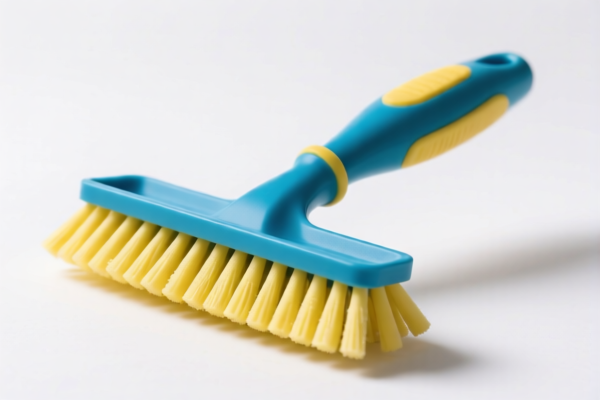
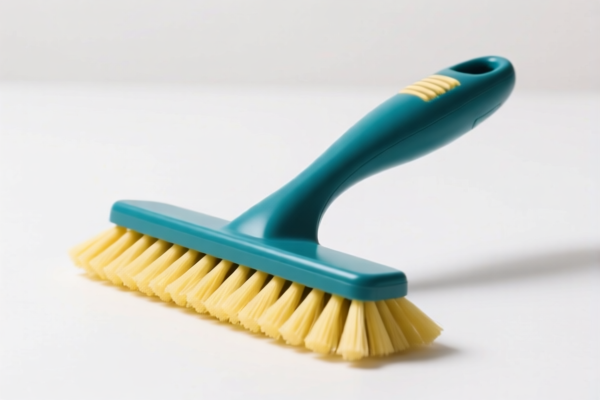
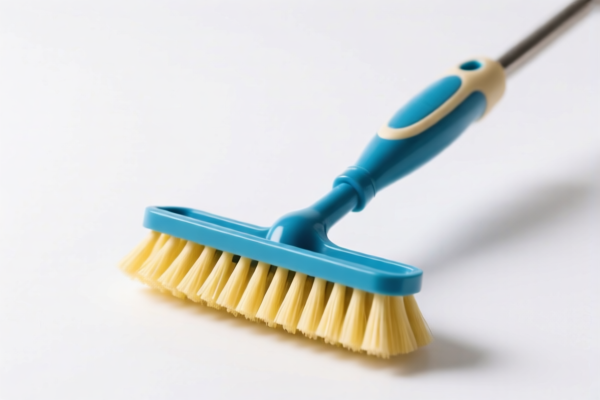
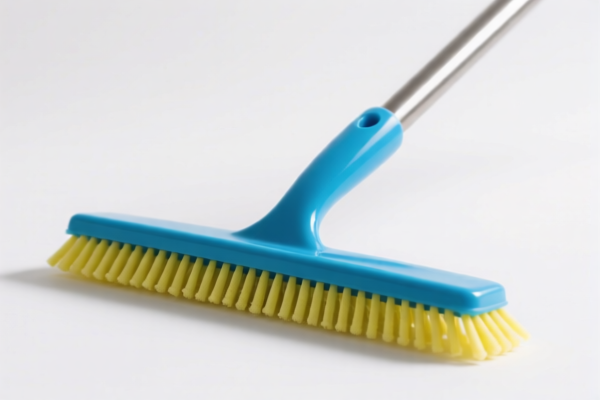
AI Analysis
🧴 Dead Skin Remover Tool (Manicure & Pedicure Tools)
🌐 HS Code Reference & Customs Clearance Guide | 2026 Latest Tariff Analysis | Professional Clearance Strategy
📌 I. Product Definition & Classification: Do You Really Understand "Dead Skin Remover Tools"?
Dead skin remover tools, commonly referred to as cuticle pushers, cuticle nippers, or callus removers, are essential tools for manicure and pedicure routines. In international trade, these items are classified based on their material (base metal vs. plastic) and specific use (cuticle care vs. general body cleansing).
Cuticle Tools (Base Metal): Sharp blades or dull pushers made of stainless steel or other base metals, specifically designed for trimming or pushing back cuticles and removing dead skin around nails.
Body Cleaning Tools (Plastic/Other): Tools made of plastic, rubber, or composite materials, often shaped as brushes, pumice stones, or scraper-like devices used for general body skin cleaning.
⚠️ Key Distinction Point:
- If the tool is a metal blade/pusher specifically for fingernails/toes → Classified under 8214 (Base Metal)
- If the tool is a plastic scraper/brush for general body exfoliation → Classified under 3926 (Plastic) or 9603 (Brooms/Brushes)
- Material dictates the HS Code: Metal tools go to Chapter 82; Plastic/Brush tools go to Chapter 39 or 96.
📦 II. HS Code Classification Details (2026 Latest Tariff Authoritative Comparison)
| HS Code | Product Description | Applicable Scenario | Material |
|---|---|---|---|
8214.20.30.00 |
Cuticle knives or pushers, suitable for manicure/pedicure | Metal cuticle nippers, steel pushers for nail care | ✅ Base Metal |
8214.20.90.00 |
Manicure/pedicure sets and combinations | Kits containing metal/plastic cuticle tools, nail clippers sets | ✅ Metal or Plastic |
3926.90.99.89 |
Other articles of plastics, not specified elsewhere | Plastic callus removers, plastic dead skin scrapers | ✅ Plastic |
9603.29.40.90 |
Toilet brushes, hair brushes, nail brushes, etc. | Plastic or fiber brushes used for body cleaning/exfoliation | ✅ Non-metal/Plastic |
9603.29.40.10 |
Combs, brushes, other toilet brushes for cleaning the human body | Specific brushes/comb-like tools for skin cleansing | ✅ Non-metal/Plastic |
🔍 Key Reminder:
- Metal cuticle tools MUST be classified under 8214.20. Do NOT misclassify as plastic tools to avoid lower duties, as this triggers fraud risks.
- Plastic body scrubbers are often classified under 3926 if they are solid plastic items, or 9603 if they are brush-type.
- Kits/Combos: If sold as a set (e.g., metal pusher + plastic file + plastic handle), check if it’s a "set" (8214.20.90) or individual items. The dominant function usually dictates the classification.
💰 III. 2026 Latest Tariff Rate Details (Including Surtaxes & Policy Add-ons)
✅ Applicable Country: United States (US)
✅ Origin: China (CN)
✅ Effective Date: From November 10, 2025 (and subsequent imports)
🎯 1. 8214.20.30.00 —— Cuticle Knives/Pushers (Base Metal)
| Item | Content |
|---|---|
| Basic Tariff Rate | 4.0% (Ad Valorem) |
| Section 301 Surtax | 10.0% (122 Section Tariff / USITC Footnote) |
| Additional Surtax | 0.0% |
| Total Tariff Rate | 14.0% |
| Tax Calculation | CIF Value × 14.0% |
| De Minimis Eligibility | ❌ No (Not eligible for Section 321 De Minimis exemption if subject to 301 tariffs) |
| Legal Basis Path | USITC:8214.20.30.00 → SECTION 301: 10% Surtax |
📌 Explanation:
- The 4.0% is the standard Most Favored Nation (MFN) rate for base metal cuticle tools.
- The 10.0% is the additional tariff imposed under Section 301 (List 4A) on specific Chinese imports.
- Total Cost: High, but predictable. Ensure your commercial invoice clearly states "Base Metal Cuticle Tool" to match this HS Code.
🎯 2. 8214.20.90.00 —— Manicure/Pedicure Sets (Metal/Plastic)
| Item | Content |
|---|---|
| Basic Tariff Rate | 4.1% (Ad Valorem) |
| Section 301 Surtax | 10.0% |
| Additional Surtax | 0.0% |
| Total Tariff Rate | 14.1% |
| Tax Calculation | CIF Value × 14.1% |
| De Minimis Eligibility | ❌ No |
| Legal Basis Path | USITC:8214.20.90.00 → SECTION 301: 10% Surtax |
📌 Note:
- Slightly higher base rate (4.1%) than the single tool (4.0%) due to the "set" classification.
- Applies to manicure/pedicure kits that include cuticle tools, even if mixed with plastic files or wooden sticks.
- If the set is primarily plastic, Customs may reclassify it to 3926, leading to different tax implications.
🎯 3. 3926.90.99.89 —— Other Plastic Articles (Plastic Dead Skin Removers)
| Item | Content |
|---|---|
| Basic Tariff Rate | 5.3% (Ad Valorem) |
| Section 301 Surtax | 7.5% |
| 122 Section Tariff | 10.0% |
| Total Tariff Rate | 22.8% |
| Tax Calculation | CIF Value × 22.8% |
| De Minimis Eligibility | ❌ No |
| Legal Basis Path | USITC:3926.90.99.89 → SECTION 301: 7.5% + 122 Section: 10% |
📌 Warning:
- This is a high-risk classification for plastic body tools.
- The 122 Section Tariff (10%) applies in addition to the standard Section 301 (7.5%).
- Total Rate: 22.8%, which is significantly higher than metal cuticle tools.
- Ensure the product is strictly "plastic" and not a "brush" (which might fall under 9603) to avoid disputes.
🎯 4. 9603.29.40.90 & 9603.29.40.10 —— Toilet/Body Cleaning Brushes
| Item | Content |
|---|---|
| Basic Tariff Rate | 0.2¢ each + 7.0% (Specific + Ad Valorem) |
| Section 301 Surtax | 0.0% |
| 122 Section Tariff | 10.0% |
| Total Tariff Structure | 0.2¢/unit + 7% + 10% Surcharge |
| De Minimis Eligibility | ❌ No (Subject to specific tariff rules) |
| Legal Basis Path | USITC:9603.29.40.90 → 122 Section: 10% |
📌 Note:
- These HS Codes apply to brush-type dead skin removers (e.g., plastic back scratchers with bristles, or specialized exfoliating brushes).
- The 10% 122 Section Tariff applies to the ad valorem portion.
- The 0.2¢ per piece is a specific duty added to the ad valorem calculation.
- Critical: If the product is not a "brush" but a solid plastic scraper, it falls under 3926, not 9603. Misclassification here can lead to severe penalties.
🛠️ IV. Customs Clearance Practical Advice (Real-World Pitfall Guide)
✅ 1. Required Documents Checklist (Must-Haves)
| Document | Required | Description |
|---|---|---|
| ✅ Product Specification Sheet | ✔️ | Material composition (e.g., 100% Stainless Steel vs. ABS Plastic), dimensions, weight. |
| ✅ High-Resolution Photos | ✔️ | Clear images showing the tool type: blade shape (for 8214), brush bristles (for 9603), or solid plastic form (for 3926). |
| ✅ Commercial Invoice | ✔️ | Accurate description: "Stainless Steel Cuticle Pusher" vs. "Plastic Callus Scraper". Avoid vague terms like "Beauty Tool". |
| ✅ Packing List | ✔️ | If selling a set, list all components. If the set contains metal and plastic, declare the dominant component. |
| ✅ Material Certificate | ✔️ | For metal tools, provide proof of base metal composition if questioned. |
✅ 2. Declaration Strategy (Key Mnemonics)
🔥 "Metal for 8214, Plastic for 3926, Brush for 9603. Vague Descriptions Lead to Delays!"
| Scenario | Correct Declaration | Wrong Practice |
|---|---|---|
| Metal Cuticle Nipper | 8214.20.30.00 - "Stainless Steel Cuticle Knife" |
Call it "Beauty Tool" → Risk of reclassification & penalty |
| Plastic Nail File/Scraper | 3926.90.99.89 - "Plastic Cuticle Remover" |
Call it "Metal Tool" → Incorrect HS Code, high audit risk |
| Exfoliating Brush | 9603.29.40.90 - "Plastic Body Cleaning Brush" |
Call it "Plastic Scraper" → May be misclassified as 3926 |
| Manicure Set | 8214.20.90.00 - "Manicure Set" |
List items separately if not sold as a retail kit |
✅ 3. Special Case Handling
| Scenario | Handling Advice |
|---|---|
| Mixed Material Sets | If a kit contains a metal pusher and plastic files, HS 8214.20.90.00 is typically used if the metal tool is the primary function. However, if plastic dominates, Customs may assign 3926. Best to consult a broker. |
| OEM Custom Tools | Provide design specs showing the primary material. If it’s a "plastic handle with metal blade", it’s still 8214 because the functional part (cutting/pushing) is metal. |
| Brushes with Plastic Handles | If the bristles are synthetic fibers, it falls under 9603. If it’s a solid plastic "brush" with no bristles (e.g., a silicone scrubber), it may fall under 3926. Clarify this distinction. |
| De Minimis ($800) Shipment | ❌ Not Eligible. All these HS Codes are subject to Section 301 or 122 tariffs, meaning even small shipments are taxed. Do not use "De Minimis" loophole. |
🌍 V. Global Market Comparison (2026 Latest)
| Country/Region | Recommended HS Code | Tariff (China Origin) | Certification | Notes |
|---|---|---|---|---|
| 🇺🇸 USA | 8214.20.30.00 (Metal) |
14.0% | None specific | High tariff due to Section 301 & 122 |
| 🇺🇸 USA | 3926.90.99.89 (Plastic) |
22.8% | None specific | Highest rate due to 122 Section |
| 🇪🇺 EU | 8214.20.30.00 |
4.0% | CE (if electrical, but these are manual) | No Section 301 equivalent |
| 🇨🇳 China | 8214.20.30.00 |
4.0% | N/A | Standard MFN rate |
| 🇬🇧 UK | 8214.20.30.00 |
4.0% | UKCA (if applicable) | Post-Brexit rules apply |
📌 Conclusion:
- USA is the most costly market due to the combination of basic tariffs and multiple surtaxes (Section 301 + 122).
- Plastic tools are taxed higher (22.8%) than metal tools (14.0%) in the US under current rules.
- Metal cuticle tools are the most cost-effective for exporting to the US from China.
📌 VI. Common Errors & Pitfalls (Lessons Learned)
❌ Error 1: Declaring "Plastic Cuticle Remover" as 8214.20.30.00
👉 Consequence: Customs will reject the declaration because the material (plastic) does not match the HS Code (base metal). Result: Delay, fine, or reclassification to 3926 (22.8%).
❌ Error 2: Declaring a "Plastic Body Brush" as 3926.90.99.89
👉 Consequence: If it has bristles/fibers, it should be 9603. Misclassification may lead to underpayment of specific duties (0.2¢/unit) or incorrect tariff application.
❌ Error 3: Using "Beauty Tool" or "Manicure Set" as the description
👉 Consequence: Customs brokers may assign a default HS Code, often resulting in the highest possible duty or requiring additional documentation.
❌ Error 4: Assuming De Minimis ($800) applies
👉 Consequence: All these HS Codes are subject to additional tariffs. De Minimis does not exempt you from Section 301 or 122 tariffs. You must pay duties on every shipment.
✅ Correct Practice:
"Stainless Steel Cuticle Pusher, HS 8214.20.30.00, Made in China"
OR
"Plastic Exfoliating Brush with Synthetic Bristles, HS 9603.29.40.90, Made in China"
🎯 VII. Conclusion: Precision in Classification, Savings in Customs
🎯 Remember the Mantras:
🔹 "Metal is 14%, Plastic is 22.8%. Brush is Specific + 10%. Don't Guess!"
🔹 "HS Code is King, Description is Queen. Vague Details Mean Heavy Fines."
🔹 "De Minimis is Dead for These Items. Pay Your Taxes Early."
📌 Pro Tip:
- For manicure sets, consider separating metal and plastic components if the plastic portion is large, to see if splitting shipments (one for 8214, one for 3926) is more cost-effective than declaring as a single set.
- Always request a Pre-Ruling (Advance Classification) from US Customs and Border Protection (CBP) if your product has mixed materials or ambiguous features.
📣 Immediate Action:
📞 Contact your customs broker with clear photos and material specs.
📝 Ensure your commercial invoice matches the exact HS Code description.
🚀 Clear Compliance, Smooth Customs, Maximized Profit!
✨ Professional Clearance Starts with Accurate Classification!
💼 Every Cent of Tariff, Accounted For!
Customer Reviews
About HS Code Classification
The Harmonized System (HS) is an internationally standardized nomenclature developed by the World Customs Organization (WCO) to classify traded products. Over 200 countries use the HS system as the basis for customs tariffs, trade statistics, and import/export regulations.
Each HS code follows a hierarchical structure:
- Chapter (2 digits) — Broad category of goods (e.g., Chapter 84: Machinery and Mechanical Appliances)
- Heading (4 digits) — More specific grouping within the chapter
- Subheading (6 digits) — Internationally standardized breakdown, used by all WCO member countries
- National subdivisions (8-10 digits) — Country-specific extensions for further classification, such as US HTSUS 10-digit codes
Correct HS code classification is essential for smooth customs clearance, accurate duty payment, and compliance with trade regulations. Misclassification can lead to customs delays, overpayment of duties, or penalties.
When importing from CN to US, the applicable tariff rates may include:
- Most-Favored-Nation (MFN) rate — The standard duty rate applied to WTO members
- General rate — Applied to countries without trade agreements
- Trade remedy duties — Additional tariffs such as Section 301 (anti-dumping), Section 232 (national security), or countervailing duties
The information provided on this page is for reference purposes only. For official classification, please consult with your local customs authority or a licensed customs broker.