Debarked Beech Wood in the Rough
CN → US| HS Code | Tariff Rate | Origin | Destination | Doc |
|---|---|---|---|---|
| 4407920000 | 35.0% | CN | US | Official Doc |
| 4407990295 | 35.0% | CN | US | Official Doc |
| 4403210130 | 35.0% | CN | US | Official Doc |
| 4403220120 | 35.0% | CN | US | Official Doc |
| 4403980023 | 35.0% | CN | US | Official Doc |
Product Images
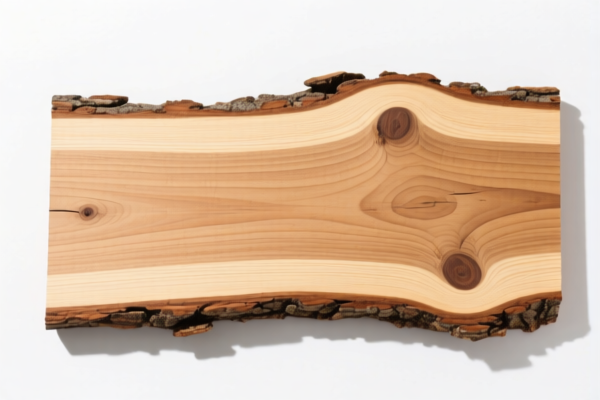
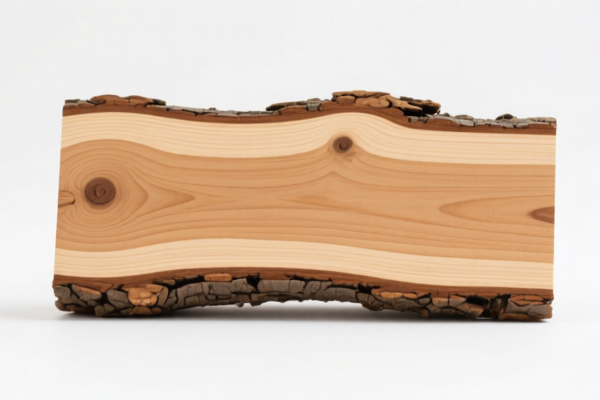
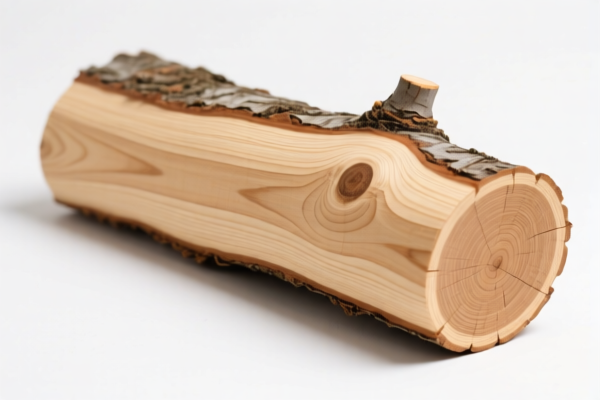
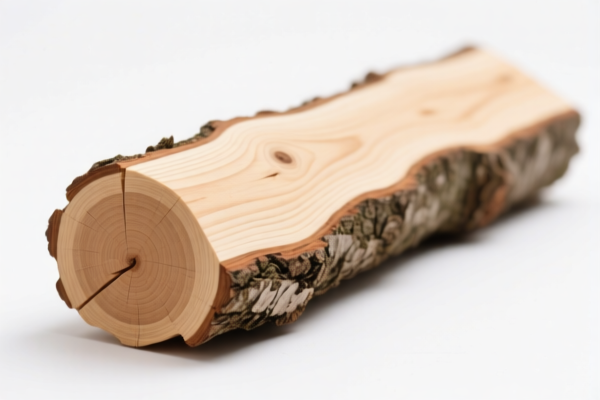
AI Analysis
🪵 Debarked Beech Wood in the Rough (Unprocessed)
🌐 HS Code Reference & Customs Clearance Guide | 2026 Latest Tariff Analysis | Professional通关 Strategy for Beech & Pine
📌 Part I: Product Definition & Classification: Do You Really Understand "Wood Logs/Sawn Wood"?
Beech wood and Pine logs are the raw materials for furniture, flooring, and construction. In international trade, the distinction between "Rough Logs (Unprocessed)" and "Sawn Wood (Processed)" is critical, as it determines the HS Code and the associated tariff burden.
1. Debarked Beech Wood (山毛榉木)
Beech is a broadleaf (non-coniferous) wood.
- "In the Rough" (未加工): Typically refers to logs that may be debarked but not yet sawn into planks. However, in many HS classifications, if the wood has been cut to a length exceeding 6mm (sawed), it may fall under "Sawn Wood" rather than "Logs."
- Key Distinction: If it is merely debarked but remains in log form (circular cross-section), it is generally a log. If it has been sawn into rectangular planks/boards, it is "Sawn Wood."
2. Un-debarked Pine Logs (未去皮松木原木)
Pine is a coniferous wood.
- "Un-debarked" (未去皮): The bark is still on. This is clearly a Log (原木).
- Key Distinction: Coniferous logs are classified under 4403, while broadleaf logs/sawn wood have different sub-headings.
⚠️ Critical Classification Point:
- Logs (原木): Generally fall under 4403 (Coniferous) or 4403 (Non-coniferous, though broadleaf logs are less common in some specific sub-codes compared to sawn wood).
- Sawn Wood (锯切材): Broadleaf sawn wood (like Beech) often falls under 4407.
- Bark Status: "Un-debarked" vs. "Debarked" can affect inspection requirements but may not always change the HS Code if the physical form (log vs. sawn) is the primary classifier.
📦 Part II: HS Code Classification Details (2026 Latest Tariff Authority Comparison)
| HS Code | Product Description | Match Logic | Tax Rate (China Origin to US) |
|---|---|---|---|
4407.92.00.00 |
Sawn Beech Wood | Material: Beech (Broadleaf/Non-coniferous). Form: Unprocessed/Sawn (Matching the summary: "Unprocessed Beech Wood"). |
35.0% |
4407.99.02.95 |
Other Sawn Broadleaf Wood | Material: Beech is a non-coniferous wood. Form: Thickness > 6mm, Sawed/Cut. Matches the summary: "Beech is non-coniferous, unprocessed fits the sawed form > 6mm." |
35.0% |
4403.21.01.30 |
Un-debarked Pine Logs | Material: Pine (Coniferous). Form: Logs/Raw wood. Matches the summary: "Un-debarked Pine Logs." |
35.0% |
4403.22.01.20 |
Un-debarked Pine Logs | Material: Pine. Form: Raw wood, regardless of whether peeled or not. Matches the summary: "Un-debarked Pine Logs, fits the description of regardless of peeled." |
35.0% |
4403.98.00.23 |
Un-debarked Eucalyptus Logs | Material: Eucalyptus (Broadleaf). Form: Un-debarked Logs. Matches the summary: "Un-debarked Eucalyptus Logs." |
35.0% |
🔍 Key Insight:
- Beech (山毛榉) is classified under 4407 (Sawn Wood of Wood of Other Trees) because it is typically imported as sawn timber or planks, not raw logs, in many commercial contexts, or the specific "unprocessed" description maps to the 4407 sub-codes for broadleaf wood.
- Pine/Eucalyptus (松木/桉木) are classified under 4403 (Wood, Whether or not Stripped of Bark or Sapwood, of a Kind Used for Timber). Pine is a conifer (21/22 sub-headings), while Eucalyptus is a broadleaf (98 sub-heading).
- All items listed carry a total tax of 35.0% due to US tariffs on Chinese wood products.
💰 Part III: 2026 Latest Tariff Rate Breakdown (Including Surtaxes & Policy Add-ons)
✅ Applicable Country: United States (US)
✅ Country of Origin: China (CN)
✅ Effective Date: Ongoing (Includes subsequent imports)
🎯 1. 4407.92.00.00 & 4407.99.02.95 (Beech Wood)
| Item | Content |
|---|---|
| Base Tariff | 0.0% (Ad Valorem) |
| Section 301 Surtax | +25.0% (From USITC Footnote 9903.88.01 / Section 301) |
| Section 122 Tariff | +10.0% (Specific tariff clause for certain wood products) |
| Total Tariff Rate | 35.0% |
| Tax Calculation | CIF Value × 35% |
| De Minimis Exemption? | ❌ No (deny_de_minimis) |
| Legal Path | USITC:4407.92.00.00 → SECTION_301: 25% + SECTION_122: 10% |
📌 Explanation:
- The 25% is the standard Section 301 tariff for most Chinese goods.
- The 10% is an additional "Section 122" tariff specifically applied to certain wood and timber products.
- Total 35% is high for raw materials. Proper classification is key to avoiding penalties.
🎯 2. 4403.21.01.30, 4403.22.01.20, 4403.98.00.23 (Pine & Eucalyptus Logs)
| Item | Content |
|---|---|
| Base Tariff | 0.0% |
| Section 301 Surtax | +25.0% |
| Section 122 Tariff | +10.0% |
| Total Tariff Rate | 35.0% |
| Tax Calculation | CIF Value × 35% |
| De Minimis Exemption? | ❌ No |
| Legal Path | USITC:4403.xxx → SECTION_301: 25% + SECTION_122: 10% |
📌 Note:
- Even though logs (4403) and sawn wood (4407) have different technical classifications, the tariff structure for Chinese origin is identical (35%).
- Pine (Coniferous) and Eucalyptus (Broadleaf) are distinguished by the first few digits (21/22 vs 98), but the surtax applies equally.
🛠️ Part IV: Customs Clearance Practical Advice (Pitfall Avoidance Guide)
✅ 1. Preparation Checklist (Missing Items Cannot Clear)
| Document | Mandatory | Notes |
|---|---|---|
| ✅ Fumigation Certificate | ✔️ | Essential for Wood. ISPM 15 compliant stamp is required for all wood packaging/materials. |
| ✅ Product Specification Sheet | ✔️ | Must specify: Species (Beech/Pine/Eucalyptus), Form (Log/Sawn), Dimensions, Moisture Content. |
| ✅ Commercial Invoice | ✔️ | Clearly state "Un-debarked" or "Debarked" and "Sawn" or "Log". Do not use generic terms like "Wood Planks" if they are logs. |
| ✅ Packing List | ✔️ | Detail gross/net weight, number of packages. |
| ✅ Bill of Lading | ✔️ | Consistent with invoice. |
✅ 2. Declaration Tips (Key Mantra)
🔥 "Species Clear, Form Precise, Fumigation Attached, Tariff Avoided!"
| Scenario | Correct Declaration | Incorrect Practice |
|---|---|---|
| Beech Wood | Use 4407.92.00.00 (if sawn) or 4407.99.02.95. Explicitly state "Beech, Sawn, Broadleaf." |
Misdeclaring as "Pine" or "Coniferous" → Penalty for Misclassification. |
| Pine Logs | Use 4403.21.01.30 or 4403.22.01.20. State "Pine, Coniferous, Un-debarked Logs." |
Calling it "Sawn Wood" when it's a log → Potential Duty Change or Inspection Delay. |
| Eucalyptus Logs | Use 4403.98.00.23. State "Eucalyptus, Broadleaf, Un-debarked." |
Generic "Hardwood Logs" → Customs may request lab test for species. |
| Fumigation | Attach ISPM 15 Stamp photo to documents. | No fumigation proof → Shipment Rejected/Destroyed. |
✅ 3. Special Situations
| Situation | Handling Advice |
|---|---|
| Mixed Species in One Container | Declare Separately. Do not mix Pine and Beech in one HS Code line. If mixed, customs may tax the entire container at the highest rate or require full inspection. |
| Un-debarked vs. Debarked | While the HS Code may be the same for logs, Un-debarked may have higher risk of insect infestation, triggering stricter USDA APHIS inspection. Ensure fumigation is impeccable. |
| Moisture Content | High moisture in logs can lead to mold and rejection. Ensure moisture content is declared and within acceptable limits for the destination. |
🌍 Part V: Global Market Comparison (2026)
| Country/Region | Recommended HS Code | Tariff (China Origin) | Certification/Notes |
|---|---|---|---|
| 🇺🇸 USA | 4403.21/22 (Pine), 4407.92 (Beech) |
35% (0% Base + 25% 301 + 10% 122) | ISPM 15 Fumigation Mandatory. Strict USDA inspection. |
| 🇨🇳 China | 4403/4407 |
5% - 10% (Standard MFN) | No Section 301/122 tariffs. |
| 🇪🇺 EU | 4403/4407 |
0% - 4% | EUTR Compliance (Due Diligence) required. No FSC mandatory but recommended. |
| 🇬🇧 UK | 4403/4407 |
0% - 4% | UK Timber Regulation applies. |
📌 Conclusion:
- The US market is the most challenging for wood imports from China due to the 35% total tariff.
- Fumigation and species accuracy are the two biggest risks for customs clearance.
- Consider pre-classification rulings if the wood form (log vs. sawn) is ambiguous.
📌 Part VI: Common Errors & Pitfalls (Lessons Learned)
❌ Error 1: Declaring "Sawn Beech" as "Pine Logs"
👉 Consequence: Misclassification. Beech is broadleaf; Pine is coniferous. Penalties + Back Taxes.
❌ Error 2: Ignoring the "Section 122" 10% Tariff
👉 Consequence: Underpayment of duties. Customs will demand the additional 10% + interest.
❌ Error 3: No ISPM 15 Fumigation Certificate for Un-debarked Wood
👉 Consequence: Shipment Rejected or Destroyed at port. Un-debarked wood is high-risk for pests.
❌ Error 4: Vague Description "Wood Material"
👉 Consequence: Customs will conduct a lab test to identify the species, causing 3-4 weeks delay.
✅ Correct Approach:
"Debarked Beech Wood, Sawn, Broadleaf, HS 4407.92.00.00, Fumigated ISPM 15"
"Un-debarked Pine Logs, Coniferous, HS 4403.21.01.30, Fumigated ISPM 15"
🎯 Part VII: Conclusion: Professional Classification Saves Money!
🎯 Remember the Mantra:
🔹 "Species Matters, Form Defines, Fumigate Always, Tariff is 35%!"
🔹 "Beech is 4407, Pine is 4403, Don't Mix Them, Or You Pay the Price!"
📌 Pro Tip:
- For Beech Wood, if the wood is truly raw logs (not sawn), check if 4403.29 or similar broadleaf log codes apply, but 4407 is more common for commercial "unprocessed" beech (often sawn).
- Always request ISPM 15 stamps on the actual wood, not just a certificate, for Un-debarked products.
📣 Immediate Action:
📞 Contact your customs broker with species, form (log/sawn), and debarked status.
📄 Ensure Fumigation Certificate is attached to the shipping docs.
🚀 Clear customs smoothly, avoid 35% surprises!
✨ Professional Customs Clearance Starts with Precise Classification!
💼 Every percentage point of duty affects your profit margin!
Customer Reviews
About HS Code Classification
The Harmonized System (HS) is an internationally standardized nomenclature developed by the World Customs Organization (WCO) to classify traded products. Over 200 countries use the HS system as the basis for customs tariffs, trade statistics, and import/export regulations.
Each HS code follows a hierarchical structure:
- Chapter (2 digits) — Broad category of goods (e.g., Chapter 84: Machinery and Mechanical Appliances)
- Heading (4 digits) — More specific grouping within the chapter
- Subheading (6 digits) — Internationally standardized breakdown, used by all WCO member countries
- National subdivisions (8-10 digits) — Country-specific extensions for further classification, such as US HTSUS 10-digit codes
Correct HS code classification is essential for smooth customs clearance, accurate duty payment, and compliance with trade regulations. Misclassification can lead to customs delays, overpayment of duties, or penalties.
When importing from CN to US, the applicable tariff rates may include:
- Most-Favored-Nation (MFN) rate — The standard duty rate applied to WTO members
- General rate — Applied to countries without trade agreements
- Trade remedy duties — Additional tariffs such as Section 301 (anti-dumping), Section 232 (national security), or countervailing duties
The information provided on this page is for reference purposes only. For official classification, please consult with your local customs authority or a licensed customs broker.